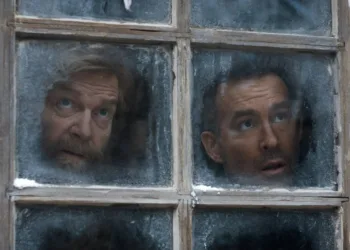



















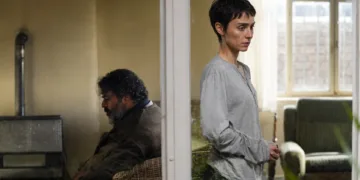











Lord Anderson is dead. A fierce storm in 1932 batters the grounds around his sprawling English estate, sealing the property so nobody leaves and no help arrives. The local butler follows strict standing instructions for a moment like this and calls Detective John Smith to uncover what happened.
Clue: Murder By Death wastes no time getting to its hook: you have exactly 120 minutes of real-time play to solve the case before Scotland Yard reaches the manor and takes command. The pressure feels immediate and bodily. You need three answers before that deadline hits: the culprit, the weapon used, and the motive behind the murder.
Inside the estate, everyone has a reason to bend the truth. Family, staff, and guests move through the house with suspicion hanging over every conversation. The game positions you as the single person expected to cut through the deception, and it backs that up with a timer that keeps you honest.
Every second spent lingering in a hallway is time handed to the authorities outside the gates. That constraint turns investigation into triage. You must commit to certain leads and accept that other threads will go untouched on that run. Progress comes from close observation and from building a chain of logic strong enough to explain why violence erupted in the manor.
The Toy-Box Aesthetics of a Massive Manor
The visual presentation leans into a jarring aesthetic choice. Characters look like toy vinyl figures, closer to tabletop playing pieces than realistic people. Their simple lines and clean shapes suggest a friendly, almost cozy surface. Then the game places those same figures beside fresh blood and scattered skeletons, and the gap between the cute models and the grim evidence creates a constant sense of whiplash. The result feels like a stylistic paradox: you guide featureless dolls through a string of grisly crime scenes, and the dissonance never fully settles.
That strange tone sits inside a truly enormous location. The estate contains 166 distinct rooms, starting with the spaces you expect in an English manor, including libraries and billiard rooms, then expanding into corners that hint at much stranger secrets. The rooms reflect cultural fixations tied to the early 1930s, and the house commits hard to them.
One wing centers on Egyptology and archaeology, complete with mummies in corridors and artifacts spread across tables. The game also slips in a guest known as Mr. D, who looks exactly like the famous vampire from a 1931 cinema classic. That presence nudges the mansion toward pulp weirdness and gives the setting a personality that shifts as you move from wing to wing.
Navigation tools try to keep this sprawl readable without turning it into a guided tour. Useful objects get blue highlights, and interaction points appear as yellow circles. Those cues help you keep momentum while moving through oak-panelled halls, secret passages, and side routes that lead to odd experiments or hints of ghosts. The building’s scale stays front and center, and the toy-like art style makes exploration feel like peering into an oversized, shadowy dollhouse where every door might open onto something worse.
Running the Investigative Loop
The core loop lives and dies by the relentless 120-minute timer. The clock never pauses. Step away to handle something personal and the countdown keeps marching. Let the two hours run out and the game resets the run. Physical progress disappears. Items vanish from your pockets, and your position in the house gets wiped. That structure pushes you to treat each attempt as practice and planning, a process of learning the space and the lies well enough to move with purpose next time.
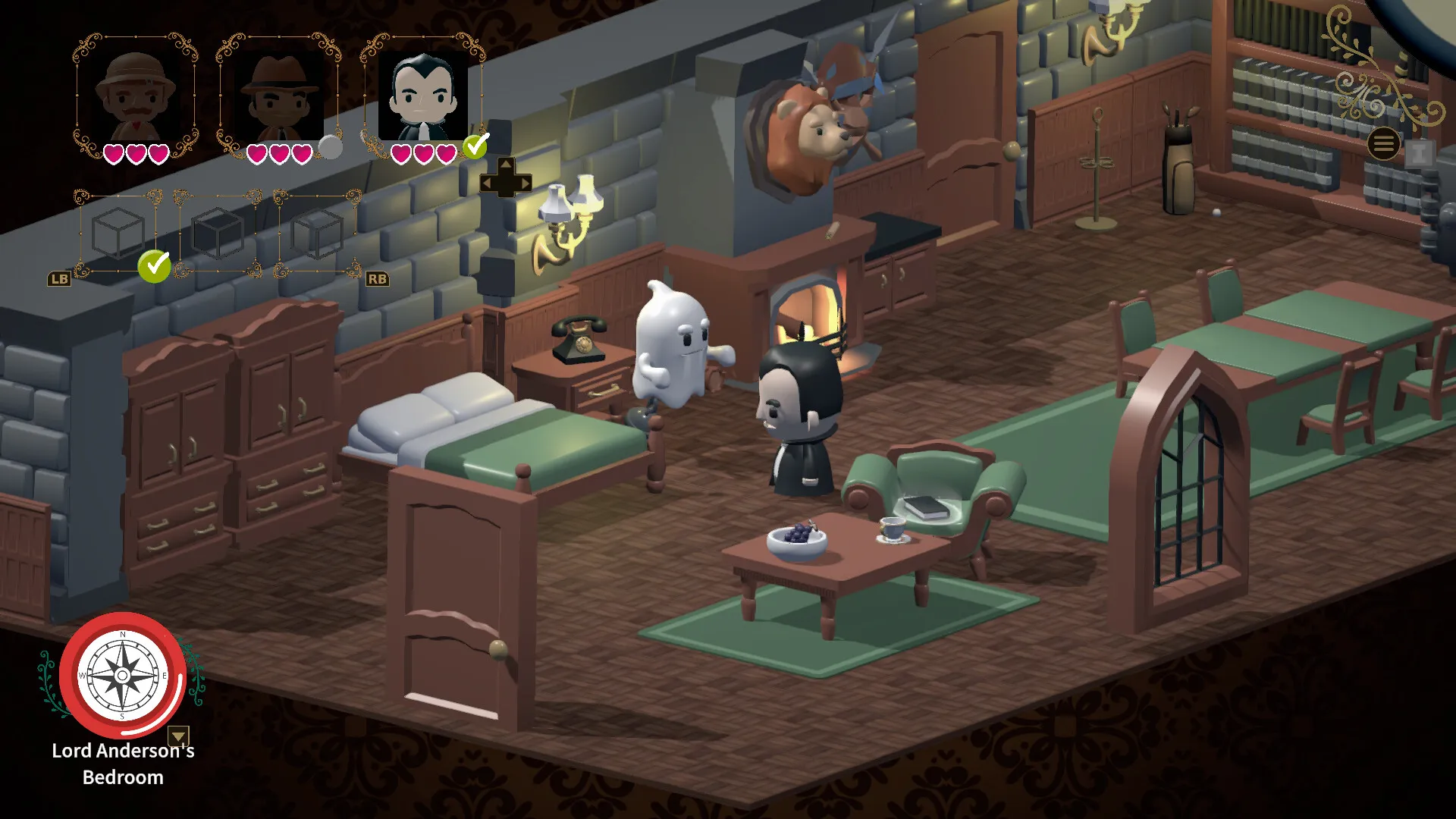
Team selection becomes the main strategic lever inside that loop. Each run lets you pick two suspects to accompany you. These assistants serve as extra eyes, offering small but meaningful advantages tied to what they notice. Mr. D, for example, might spot a hidden door that others miss because it resembles his own quarters. Another assistant may catch something in the billiard room that your detective fails to register. Those moments matter because the game’s window is tight and the manor is huge.
That help comes with a clear cost. Any suspect you recruit becomes unavailable for interrogation during that run. Choosing assistants shapes your information access as much as it shapes your mobility. The game refuses to soften that decision with guidance systems. There are no hint prompts. There are no icons directing you toward the next objective or quietly flagging who deserves trust. The work rests on deductive logic: link evidence to motive, connect that motive to opportunity, and keep pressure on your own assumptions.
The absence of hand-holding stands out, especially in a format where a single perfect run feels out of reach. The game quietly expects you to build a mental record across attempts. You carry knowledge of past lies, discovered passages, and previously seen evidence in your head. Each new run becomes an opportunity to apply that internal archive, move faster, and narrow your focus onto the suspects who feel most plausible. Trial and error becomes the engine, and the reward is a sense that progress comes from your own attention to detail.
The Physical Weight of Technical Friction
The game’s tension comes from time pressure, and several mechanical choices add friction that makes that pressure heavier. Movement through the massive house is slow. Characters walk at a crawl, and there is no option to run. In a system where minutes have real value, that pace turns hallways into stress tests. The mansion is divided into many small segments, and shifting between rooms triggers loading screens. Those pauses interrupt concentration and shave time off the same 120-minute limit you are racing against.
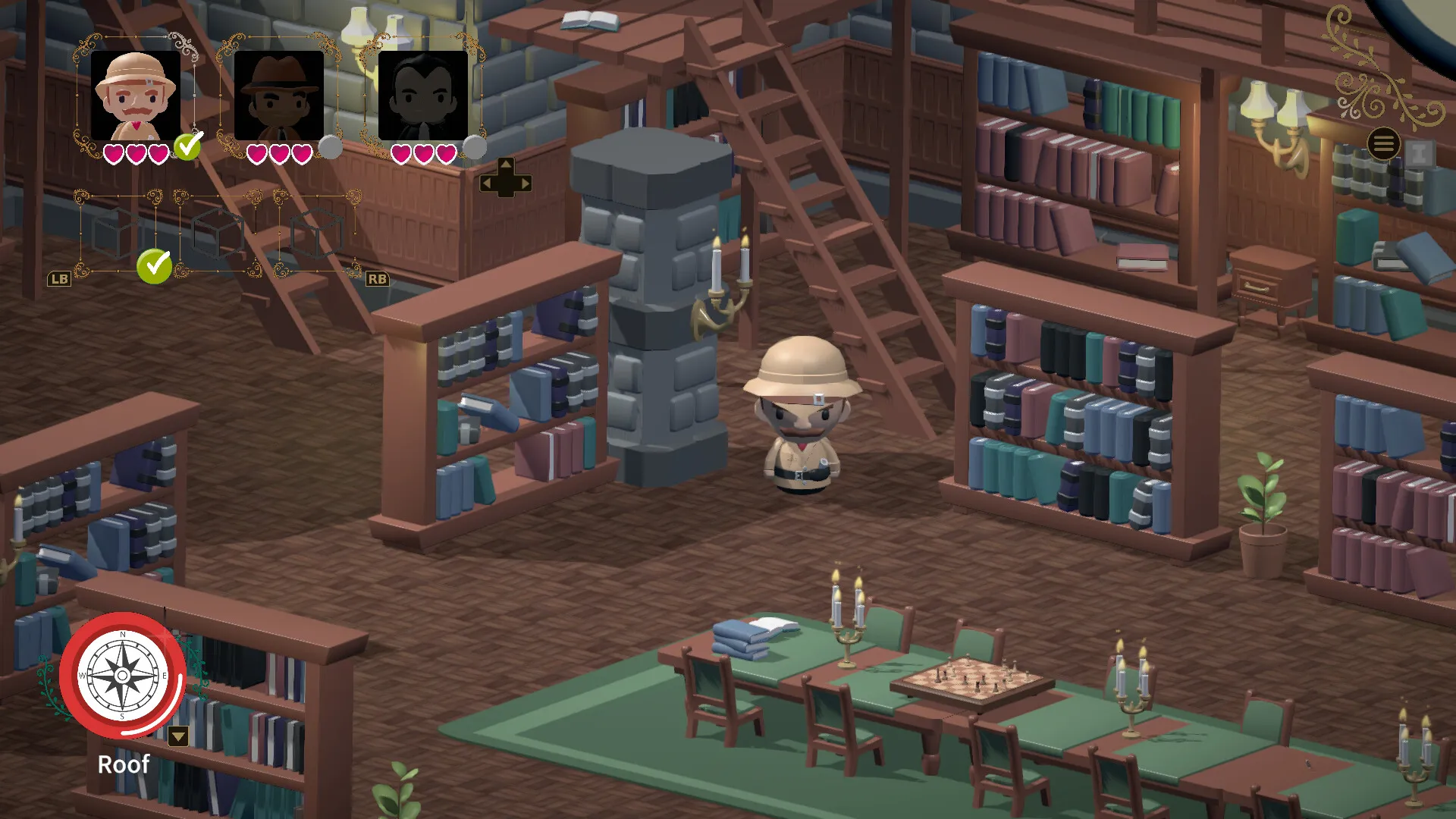
Inventory rules add another layer of constraint. You can carry only three items. One slot often belongs to a magnifying glass, which leaves limited space for evidence. The three investigators also keep separate inventories. Items do not flow freely between them, so swapping a key or a note requires physically bringing two characters together in the same location. That turns logistics into part of the puzzle, and it can also turn simple backtracking into a costly use of time.
The map offers minimal support for managing that complexity. Rooms lack labels. You cannot place markers. You cannot leave notes on the floor as reminders of where a heavy item was dropped. The game pushes you to build your own mental layout of the manor, and that demand grows sharper as the house expands into more specialized wings and hidden routes.
Controls add their own drag. There can be lag when opening the notebook or picking up an object, and that delay feels sharper because it happens under a live countdown. Conversations trigger automatically when you get close to someone, and that can lock you into dialogue at the exact moment you are trying to push past and reach a different lead. Health management adds danger on top of all that.
The estate contains hazards like mousetraps and poisonous clouds. When a character passes out from these traps, the game punishes you by cutting 15 minutes from the clock. That penalty hits hard near a breakthrough, when time feels like your most valuable resource. Put together, these hurdles can make the investigation feel like a fight against the game’s own friction as much as a hunt for the murderer.
The Review
Clue: Murder By Death
Clue: Murder By Death offers a fascinating conceptual take on the detective genre by stripping away modern hand-holding. Its focus on pure deduction and varied character perspectives creates a rewarding mental challenge for patient investigators. However, the experience is severely hampered by technical limitations. The sluggish movement, frequent loading breaks, and punishing inventory constraints turn a race against time into a test of endurance. While the 1930s atmosphere and toy-like visuals are charming, the mechanical friction often overshadows the mystery. It is a bold experiment that requires more polish to truly shine.
PROS
- Atmospheric 1930s setting with unique toy-like visuals.
- Deep, rewarding deduction system with no hand-holding.
- Varied character perspectives add depth to multiple runs.
- High stakes created by the real-time clock.
CONS
- Extremely slow character walking speed with no run option.
- Frequent, disruptive loading screens between rooms.
- Restrictive three-slot inventory and no item sharing.
- Significant input lag and clunky menu navigation.