











20th Century Studios has moved quickly to lock down film rights to “99 Nights in the Forest,” the breakout Roblox survival-horror game, after a competitive bidding process that drew industry attention on Monday. The project remains in early development, with no writer or director attached, but the studio has enlisted the game’s creators — Alec Kieft, Matthew Hufton and Cameron Angland of New Zealand-based Grandma’s Favourite Games — as executive producers. Studio chief David Greenbaum said the team brought “world-building ideas that feel innately cinematic,” framing the deal as a bet on a game that has already built a huge audience before any Hollywood packaging began.
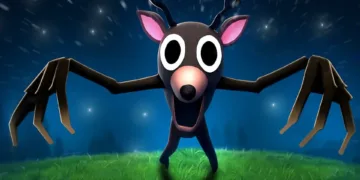
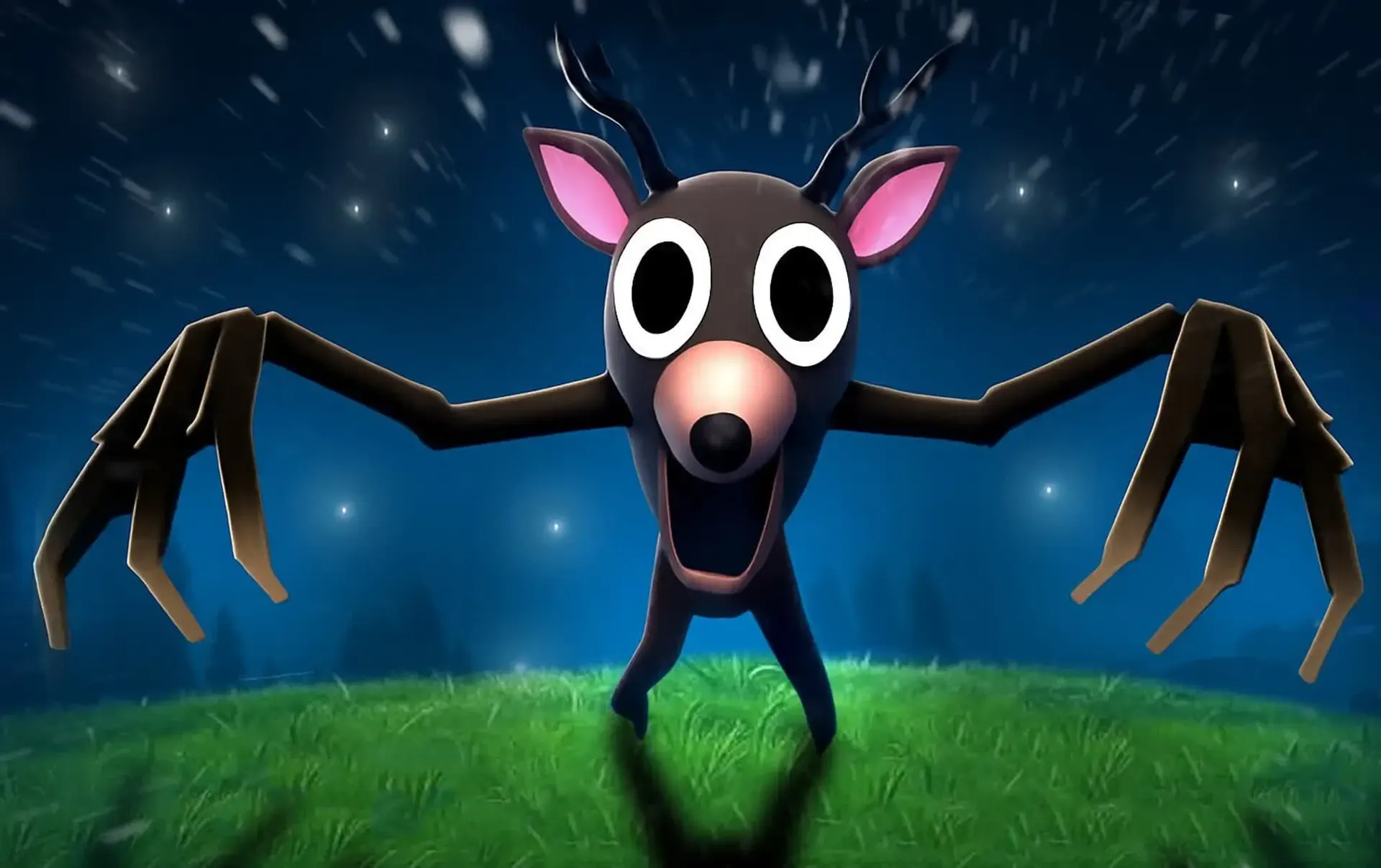
That audience is the story’s real engine. The game, released in March 2025 on Roblox, throws players into a haunted forest where they must survive night after night, keep a camp alive and rescue four missing children while fending off creatures led by a monster known as the Deer. Studio statements tied the acquisition to scale: nearly 26 billion lifetime visits, a 90.6% player rating and an all-time peak of 14.2 million concurrent players. Independent Roblox tracking on Tuesday showed the experience still drawing heavy traffic, with visits pushing past 25.9 billion and active player counts remaining in the six figures.
The adaptation lands at a moment when film studios are hunting harder for game properties that arrive with built-in fan bases. Trade coverage cast the deal as part of a fresh scramble for Roblox titles after the strong commercial run of game-based films, with “A Minecraft Movie” serving as the obvious reference point. That makes “99 Nights in the Forest” appealing far beyond horror circles: it offers a simple survival hook, recognizable creatures and a young digital-native audience that Hollywood has struggled to court on original material. As of April 14, no new creative hires or release plans had surfaced beyond the initial rights announcement.
The backdrop is less tidy for Roblox itself. The company announced new age-based account systems and stricter access controls this week, part of a child-safety push after months of legal and political scrutiny. Nebraska and Los Angeles County have each filed actions accusing Roblox of failing to shield children from predatory behavior, claims the company disputes as it rolls out tighter verification and parental controls. That tension may not affect the film’s near-term development, but it does shape how any Roblox adaptation will be read: as a Hollywood play for scale tied to a platform still trying to answer hard questions about the audience that made such hits possible.