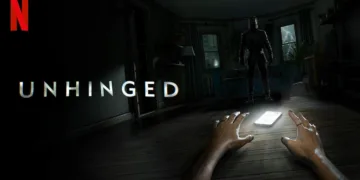






















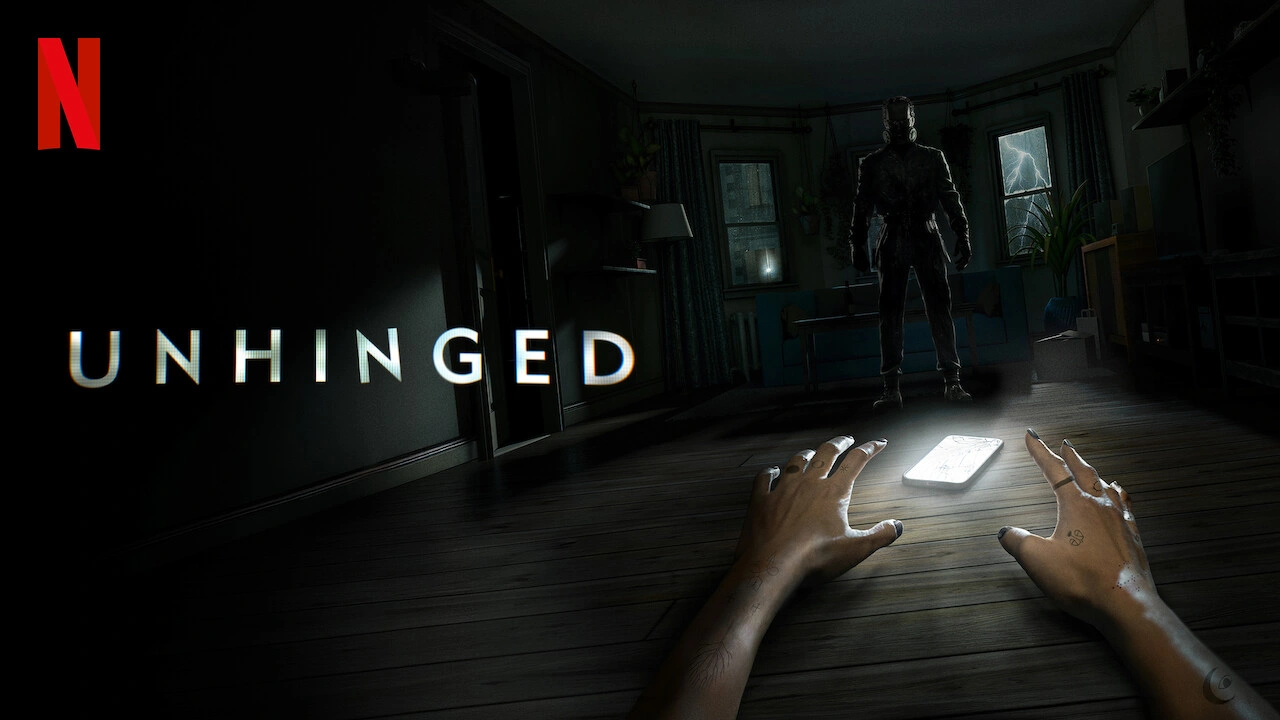

Your phone should not feel this guilty in your hand. Unhinged builds its best idea around that discomfort, turning the device you usually use to ignore a movie into the thing keeping Ava alive. The game is played through Netflix on a TV or computer, with a real smartphone synced as controller, flashlight, message screen, and panic machine. That is a clean design hook, and for about 35 to 40 minutes, it gives this short horror experiment a sharper identity than its story ever manages.
Developed by Night School Studio with support from Bloober Team, and shaped with names like David Fincher, Zach Cregger, and Sean Krankel attached, Unhinged plays like a compact interactive thriller rather than a full survival horror game.
You control Ava, voiced by Zoë Kravitz, as she wakes during a storm and blackout in her apartment building. Her friend Claire, voiced by Sadie Sink, calls from across the street. The exits are locked, the stairwell is wrong, a neighbor has vanished, and a killer voiced by Troy Baker is moving through the building.
Interface as Threat
The smartphone integration is the system that makes Unhinged worth discussing. After syncing the device, the player points it toward the screen to move Ava’s flashlight, select objects, and choose where to go next. The interaction is simple, closer to a light gun or Wii pointer than a traditional controller, which suits the game’s format. Ava is not managing inventory grids or conserving ammo. She is grabbing a screwdriver, forcing a lock, searching a dark room, and trying not to freeze when the killer gets close.
The clever part is that the phone is not only an input device. It is Ava’s phone too. Claire calls and texts through it. The building superintendent contacts her through it. The flashlight lives on it. When Ava falls and the screen cracks, the player’s device becomes part of the injury. When her hands are bloodied, red fingerprints smear across the interface. These details do real design work because they make the boundary between player tool and character tool feel unstable.
That instability is where the game’s tension is most honest. A call from Claire can feel helpful for one second and dangerous the next because the sound is coming from the object in the player’s hand. The game understands how annoying, intimate, and unavoidable a phone can be.
Claire becomes a pressure system through that mechanic, constantly checking in while Ava needs silence. It is funny in a bleak way, and it gives the player a small taste of what horror characters must feel when everyone keeps making noise at the worst possible time.
A Polished Ride Through a Thin Nightmare
Unhinged’s apartment building is a strong contained space. The blackout makes the flashlight essential, the storm explains the isolation, and the locked stairwell turns a normal residential layout into a trap. The player scans walls, doors, tools, and shadows while the game keeps Ava on a tight path through rooms and corridors. It does not offer much freedom, but it does understand pacing. The experience wastes little time moving from confusion to pursuit.
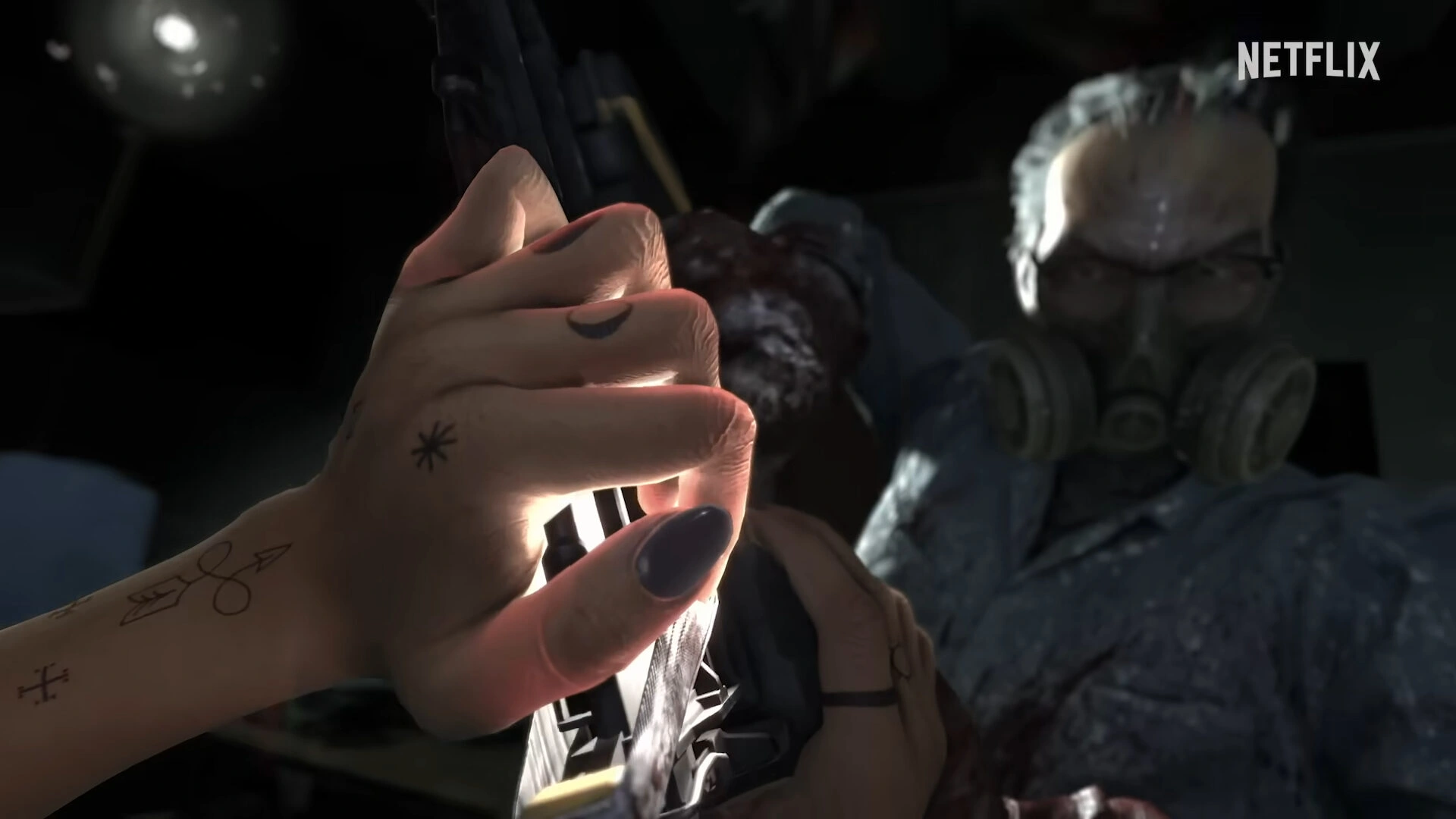
The visual design leans heavily on darkness, and that choice fits the phone mechanic. Every room becomes a search problem. You are not looking at a beautifully lit horror set; you are dragging a small cone of visibility across possible exits and useful objects. Sound supports that pressure better than the script does. Phone audio breaks quiet at bad moments, the killer’s presence is often felt before he is clearly seen, and slow pauses in the building create tension through waiting rather than action.
The gore gives the chase a nasty edge. The killer’s early handling of intestines sets the tone quickly, while the sequence involving Ava’s hands being nailed to a table turns the game’s body horror into something blunt and physical. Death scenes add a smart reward for failure, with police officers commenting on Ava’s corpse in dry postmortem exchanges. In design terms, that matters. Failure is not only a reset state; it unlocks a bit of texture.
The performances help sell a story that has very little room to breathe. Kravitz gives Ava fear, pain, and urgency in short bursts, which is exactly what the role needs. Sink’s Claire is intentionally stressful, always present through the phone and often less useful than she thinks. Baker gives the killer a grimy presence, though the character is written as a familiar psycho rather than a memorable antagonist. The hurricane, the missing neighbor, and the building’s other residents suggest a richer web than the game has time to build.
The Choice Problem
The main weakness is consequence. Unhinged presents itself as interactive horror, but most of its interaction is built around finding the correct prompt before a timer runs out. That can still be tense, especially during a first playthrough, but it rarely feels like the game is reacting to the player’s instincts. It is testing recognition and speed, not judgment.
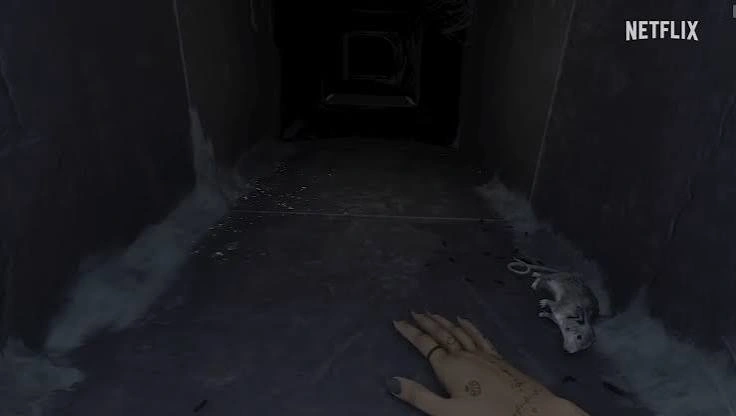
The timer system exposes the limits of the design. Since Ava’s movement and interactions are animated after each selection, a bad outcome can feel tied to animation length instead of player failure. Choosing a direction, watching Ava move, then realizing too much time has disappeared creates frustration that belongs to the interface rather than the scenario. The checkpointing is forgiving, and there is a Story Mode for players who want to remove timed pressure, but the central loop still wants urgency without giving the player enough tactical control.
Replay value has a similar issue. The game includes multiple death scenes, and seeing them can be fun because the deaths are grisly and the police commentary gives failure personality. Dialogue can shift depending on what information Ava finds. Still, the main route stays rigid. The endings hinge on late choices rather than a chain of remembered decisions. For a 40-minute experience, that structure is understandable. For a choice-driven horror game, it is cautious.
What remains is a strong prototype dressed in premium horror clothing. Unhinged proves that Netflix can make an interactive thriller feel tactile, accessible, and polished. The phone system deserves another attempt with deeper branching, sharper puzzle logic, and a story that treats player behavior as material. This version gets the device into your hand and makes it matter. The next one needs to make every choice leave fingerprints.
The Review
Unhinged
Unhinged has the shape of a smart design prototype and the polish of a finished Netflix horror experiment. The phone-as-controller system gives Ava’s panic a tactile edge, especially when calls, cracked glass, blood smears, and flashlight scanning collapse player interface into story pressure. The problem is consequence. Most decisions funnel back into the same path, so the game’s best mechanic keeps asking for a braver design around it. As a short, nasty interactive thriller, it works. As choice-driven horror, it blinks first.
PROS
- Clever phone integration
- Strong voice performances
- Sharp lighting and sound design
- Grisly failure scenes
- Smooth short-session pacing
CONS
- Thin character writing
- Rigid decision paths
- Generic killer
- Low replay incentive
- Timer pressure can feel artificial