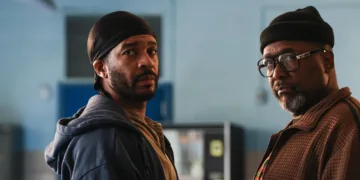


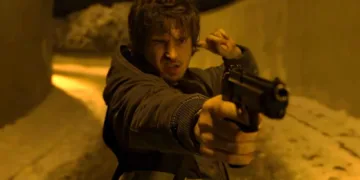




















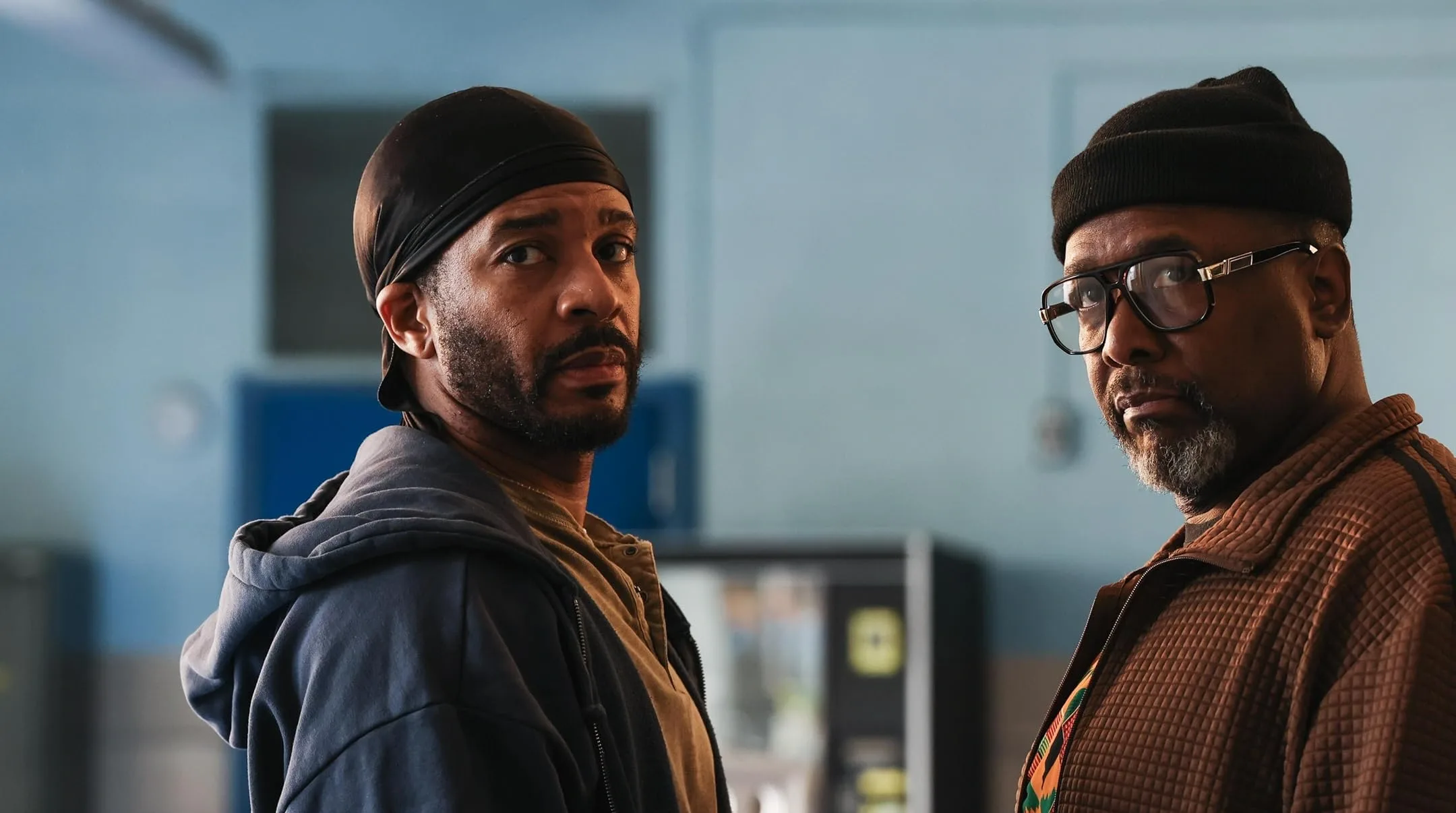

Walt Manigan leaves prison carrying himself like a man who expects every doorway to close. At a parole hearing, he is asked to express remorse before the film has shown what he did, turning his body into the first piece of evidence. André Holland plays the silence before his answer with lowered eyes and a jaw held tight, suggesting guilt, fear, and resentment without assigning them clean borders.
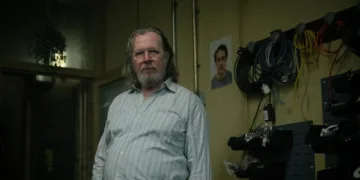
Sheldon Candis’ They Fight gives Walt a narrow path back into Southeast Washington. He needs work, shelter, sobriety, and permission from Ketta, played by Samira Wiley, to see their son again. A chance encounter with Peanut, a boy who can barely defend himself, leads Walt to a struggling community gym run by Slim. Wendell Pierce gives the coach an easy patience, though the patience carries urgency. The center is behind on payments. Its doors may close. Everyone inside is training against a clock.
The Geometry of Return
The strongest scenes place Walt in spaces where he has no authority. He asks former acquaintances for work, accepts Slim’s office as a place to sleep, and stands at the edge of the gym while the boys move with the confidence of people who still belong there. Candis uses these settings to make reintegration physical. Walt is present, yet rarely centered. He occupies doorways, corners, and temporary rooms.
Holland understands the moral value of restraint. Small acts of kindness unsettle Walt because he appears convinced that mercy has been misfiled. When Slim asks him to help coach Peanut, Quincey, and Twin, Walt refuses from shame rather than indifference. He failed his own son, so instruction feels fraudulent.
That conflict sharpens during the backyard drills. Walt uses bricks, tires, and numbered punch combinations, telling the boys that “the numbers are the code.” The method turns boxing into an architecture of control. Punches have sequence. Feet have position. Pain has rules. Walt’s life offers none of those comforts.
Boys Under Adult Light
Peanut and Quincey bring a gentler rhythm into the film. Anthony B. Jenkins and Toussaint Francois Battiste play their friendship through shy glances, clumsy jokes, and the awkward bravado of boys trying on adulthood. At the community pool, their attempts to flirt with classmates briefly release them from the film’s catalogue of grief. A family dinner achieves the same effect by letting affection arrive without a speech attached.
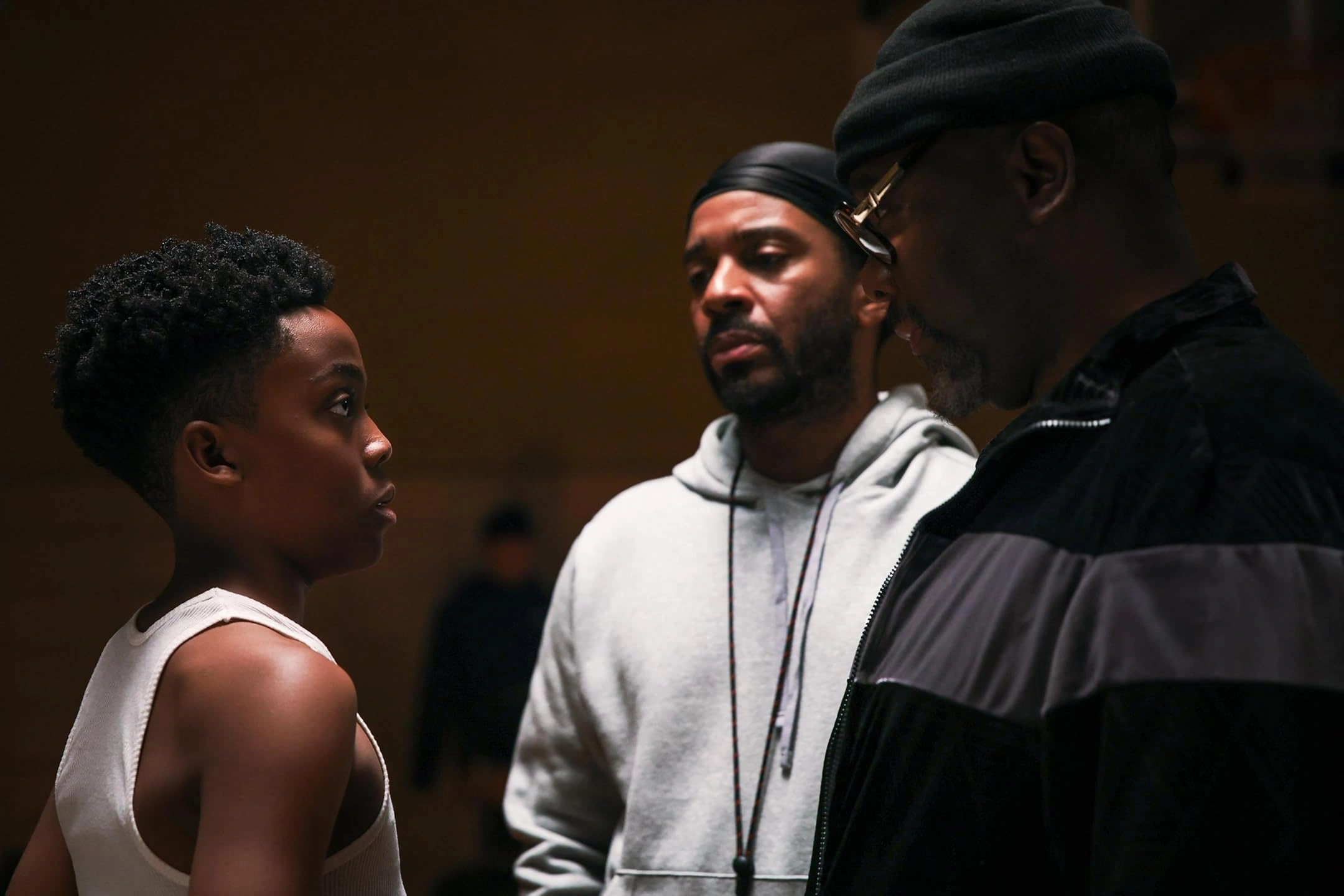
The boys’ home lives tighten the frame. Peanut’s absent father returns mainly to ask for money, and Andre Royo gives the encounter a bruised evasiveness. Quincey faces his mother’s grave illness. Neighborhood violence waits outside the gym, while financial pressure threatens the room that gives the boys structure.
Slim’s ramen-slurping advice supplies humor, yet Pierce never lets the coach become a dispenser of slogans. He watches the boys closely and treats their discipline as a civic duty. The gym is not presented as sacred architecture. Its walls are ordinary. That ordinariness matters. Losing it would mean losing one of the few rooms where these children are seen before they are judged.
The Edit Drops Its Guard
The film’s ninety-minute shape cannot hold every life it introduces. Walt’s search for work, his reconciliation with Ketta, his chronic pain, the threat of painkiller relapse, the gym’s finances, Peanut’s father, Quincey’s mother, and a national boxing tournament compete for the same limited space. Candis answers the pressure with montages and abrupt transitions.
Those shortcuts damage Walt first. His renewed commitment to boxing arrives quickly, while his relationship with Ketta softens largely outside the viewer’s sight. Wiley gives Ketta a wary stillness that slowly loosens, but the script skips the conversations that would make the change feel earned. A third-act disclosure about Walt’s past also arrives late, forcing Holland to play a generalized burden for much of the film when a specific wound would have given his restraint sharper contours.
The boxing suffers too. Peanut and Quincey are pushed toward a title rivalry near the finish, yet the tournament lacks the tactical clarity or emotional preparation needed to make the final bout land. Faux-SportsCenter segments provide exposition, then the film jokes that Walt’s life resembles a “30 for 30” documentary. The self-reference draws attention to the machinery at the exact moment the drama needs concealment.
What the Faces Preserve
The cast keeps finding details the structure abandons. Holland’s pursed lips before an apology, Jenkins’ uncertainty when Peanut first enters the gym, Battiste’s effort to keep Quincey’s fear hidden, and Pierce’s calm attention during training all suggest inner lives extending past the screenplay’s edges.
The end credits place the actors beside their real-life counterparts. It is a moving gesture, though it carries an unintended accusation. Those faces reveal histories fuller than the feature has allowed onto the screen. Candis has the people, the place, and the moral question. What he lacks is time, and the edit treats time like an opponent that can be beaten by throwing faster punches.
The sports drama film They Fight premieres on Hulu on July 17, 2026, following its initial debut at the Tribeca Festival earlier in the season. Based on the acclaimed 2018 documentary of the same title, the movie traces the journey of Walt Manigan, a reformed ex-convict striving to rebuild his life in Southeast Washington, D.C.. To find redemption and support his young family, he steps back into a crumbling local boxing gym where he mentors an inspiring team of young adolescent fighters chasing a national championship.
Where to Watch They Fight (2026) Online

Full Credits
Title: They Fight
Distributor: Hulu
Release date: July 17, 2026
Rating: R
Running time: 93 minutes
Director: Sheldon Candis
Writers: Sheldon Candis, Andrew Renzi
Producers and Executive Producers: Jason Michael Berman, Ben Renzo, Andrew Renzi, Andrew Corkin
Cast: André Holland, Wendell Pierce, Samira Wiley, Anthony B. Jenkins, Toussaint Francois Battiste, Mykelti Williamson, Erika Woods, Aaliyah Mayo
Director of Photography (Cinematographer): Mark Jeevaratnam
Editors: Nona Khodai
Composer: Gary Gunn
The Review
They Fight
They Fight finds its strongest moral language in Walt’s guarded posture, the boys’ backyard drills, and the community gym’s uncertain future. André Holland gives every pause the weight of a man measuring his right to be forgiven, while Wendell Pierce and the young cast supply warmth the screenplay keeps rushing past. Sheldon Candis compresses addiction, fatherhood, grief, gentrification, and a national tournament into ninety minutes, leaving key reconciliations outside the frame. The actors keep landing clean punches. The structure keeps dropping its guard.
PROS
- André Holland’s restrained performance
- Warm chemistry among the young cast
- Tender community-centered scenes
- Wendell Pierce’s grounded presence
- Strong reintegration premise
CONS
- Overloaded ninety-minute structure
- Abrupt character reconciliations
- Underdeveloped addiction thread
- Thinly prepared final rivalry
- Familiar training montages