





























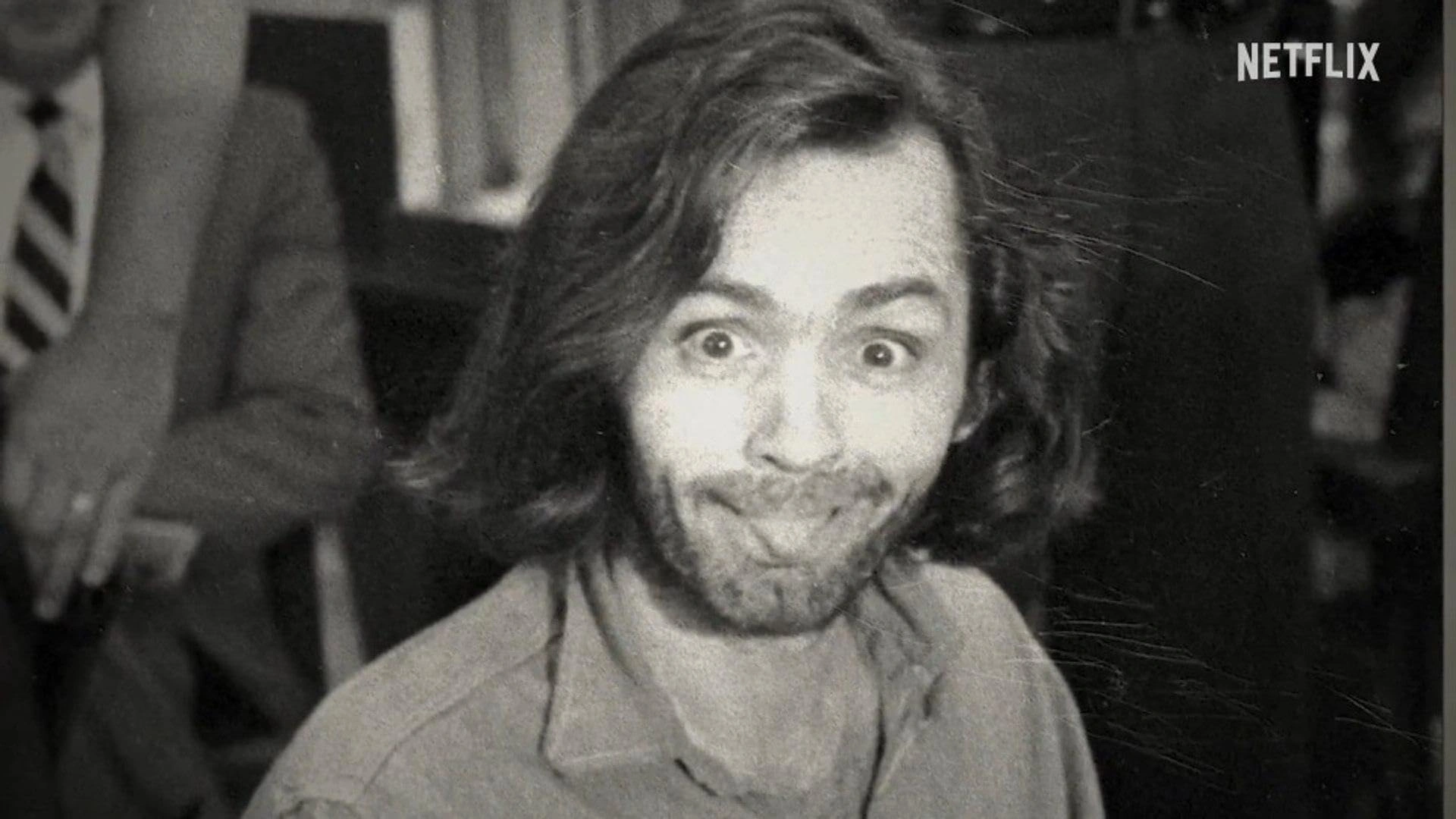

Streaming television has spent years insisting that another hour with an infamous killer might finally produce the missing explanation. Conversations With a Killer: The Charles Manson Tapes arrives at the uncomfortable endpoint of that logic. Joe Berlinger’s three-part Netflix series advertises previously unreleased recordings of Charles Manson, yet the material carrying the greatest weight comes from people who once lived under his control.
The opening returns to August 1969 through former LAPD officers recalling the Tate crime scene, where Sharon Tate, Jay Sebring, Abigail Folger, Wojciech Frykowski, and Steven Parent were found murdered. Robert Burbridge becomes visibly emotional describing what he encountered.
From there, the series moves backward through Manson’s institutional childhood, prison years, arrival in the Haight-Ashbury counterculture, and construction of a substitute family around young people searching for identity and belonging.
It is competent true-crime television, sometimes painfully effective. It is also another Netflix production asking audiences to spend three hours inside a criminal mythology the culture has already preserved with almost archaeological enthusiasm.
The Family Speaks
Dianne Lake, Catherine Share, and Stephanie Schram give the series its strongest material because their testimony shifts attention away from Manson’s cultivated image. Lake entered the Family as a teenager after her parents abandoned conventional family life. Schram remembers meeting Manson at a gas station around two in the morning, where compliments and immediate affection drew her toward him. Share describes recognizing something of her own traumatic childhood in his.
Those memories make the progression into abuse legible without making it tidy. Schram recalls Manson putting a knife to her throat when she considered leaving. Lake describes needing to use the bathroom during a meeting and being struck with a chair leg when she tried to get up, forcing her to urinate where she sat. Sex, LSD, humiliation, violence, and dependency gradually became mechanisms for maintaining obedience.
The disturbing detail is that affection survives alongside hindsight. Lake remembers Patricia Krenwinkel as nurturing and Tex Watson as an older-brother figure who taught her to drive at Spahn Ranch. Those recollections coexist with knowledge of the violence they later committed.
That contradiction reveals far more about coercive groups than another recording of Manson performing Manson. Abuse rarely requires every good memory to disappear first.
Murder and Mythmaking
The second episode connects Manson’s deteriorating ambitions to Hollywood. Beach Boys drummer Dennis Wilson gave him access to a world he desperately wanted to enter, while producer Terry Melcher represented the possibility of a recording career. Wilson eventually recorded Manson’s “Cease to Exist” under the title “Never Learn Not to Love,” and Melcher declined to work with him after seeing him perform at Spahn Ranch.
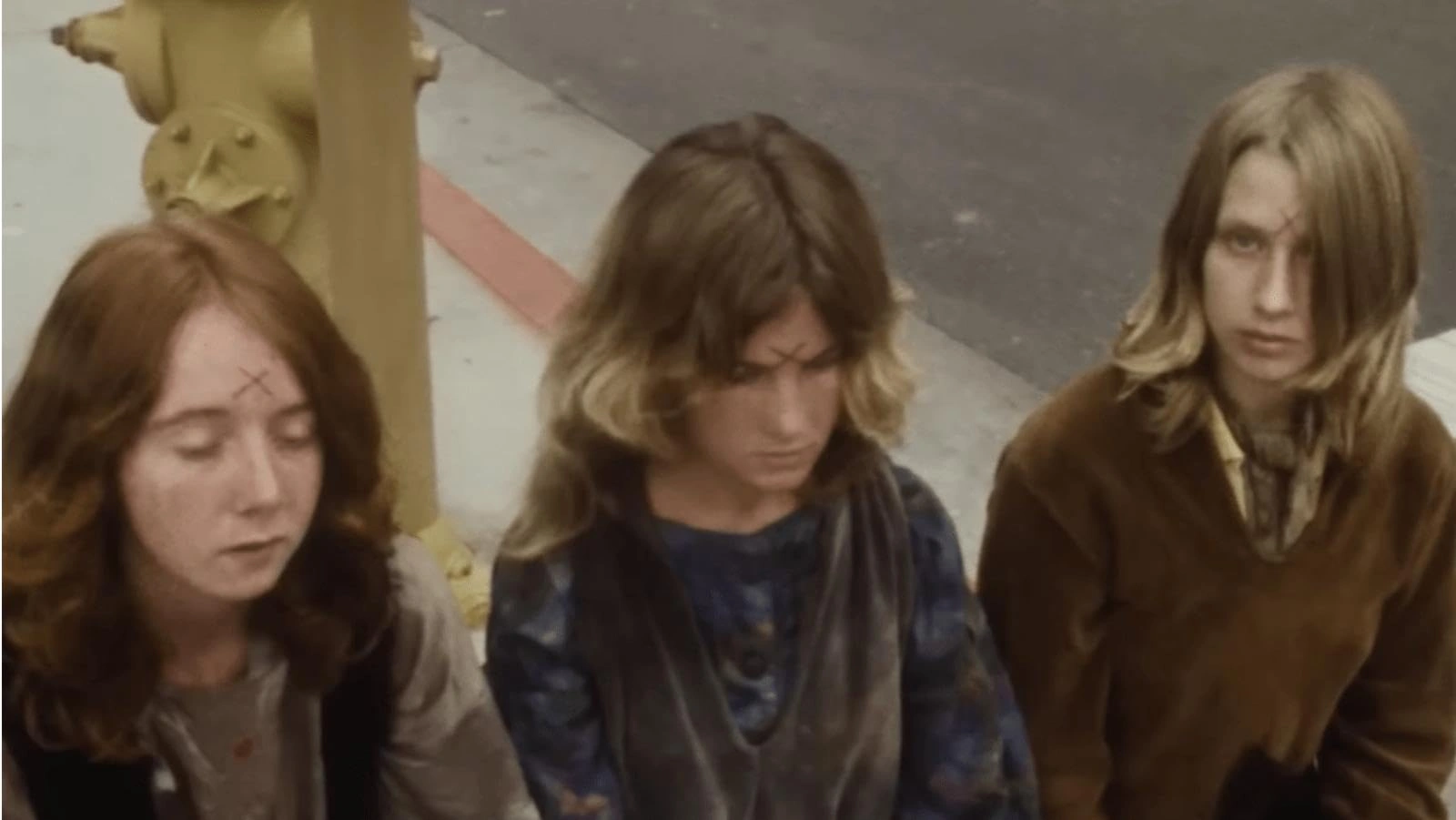
The series then traces the escalation from Gary Hinman’s murder and Bobby Beausoleil’s arrest to the Tate-LaBianca killings. Its most useful historical choice is refusing to pretend that Manson’s motive can be reduced to one slogan.
Former prosecutor Stephen Kay supports the familiar “Helter Skelter” theory presented during Manson’s trial: Manson’s racist fantasy of a coming war, filtered through his warped interpretation of the Beatles’ White Album. Share and Lake describe another possible calculation. With Beausoleil imprisoned for Hinman’s murder, similar messages written at later crime scenes could create the appearance that the same supposed killers were still active.
The disagreement matters because popular culture has often turned “Helter Skelter” into a remarkably convenient piece of branding. A racist, manipulative criminal became a countercultural boogeyman with his own catchphrase, which is exactly the kind of transformation true-crime television should interrogate rather than casually inherit.
When the Tapes Go Quiet
For a series carrying The Charles Manson Tapes in its title, Manson himself is strangely peripheral. His unreleased recordings amount to a small portion of the runtime and offer familiar variations on grievance, self-mythology, menace, and victimhood.
The sourcing is an even stranger omission. The series frequently fails to establish when individual recordings were made, who was speaking with Manson, or where the material came from. A documentary selling rare archival evidence should treat provenance as information, not backstage paperwork.
Berlinger fills much of the remaining space with reenactments. Actors playing Family members are sometimes placed beside photographs of their real counterparts in split screen, while recreated scenes are edited into period footage. The attempt at visual continuity never quite works. The reenactments retain a cleaner modern texture, and their sheer frequency becomes harder to justify when the production already has crime-scene testimony, archival news material, courtroom reporting from Linda Deutsch, and interviews with people who actually knew Manson.
For viewers arriving with little knowledge of the case, the three episodes provide a clear chronology from commune to murder to courtroom spectacle. The revealing television lies elsewhere: in Lake remembering kindness inside brutality, Share admitting she lied under oath for the group, and Schram describing how quickly affection became threat. Netflix has the killer’s voice. The women around him have the story.
Conversations with a Killer: The Charles Manson Tapes premiered on Netflix on August 12, 2026. The docuseries examines the chilling mind of the infamous cult leader through previously unreleased prison phone calls, firsthand accounts, and archival footage.
Where to Watch Conversations with a Killer: The Charles Manson Tapes Online


Full Credits
Title: Conversations with a Killer: The Charles Manson Tapes
Distributor: Netflix
Release date: August 12, 2026
Rating: TV-MA
Running time: 45–60 minutes per episode
Director: Joe Berlinger
Producers and Executive Producers: Joe Berlinger, Jen Isaacson, Jon Kamen, Tom O’Brien, Rachael Profiloski
Cast: Charles Manson
Director of Photography (Cinematographer): Jeff Hutchens
Composer: Justin Melland
The Review
Conversations With a Killer: The Charles Manson Tapes
The Charles Manson Tapes works best when former Family members describe how belonging, drugs, sexual coercion, and escalating abuse reshaped their judgment. Those accounts expose something far harder to package than Manson mythology: how ordinary young people can surrender agency piece by piece. Netflix still sells the season around unreleased recordings that provide little new insight, while Joe Berlinger leans heavily on reenactments and familiar history to fill three episodes. Newcomers get a solid primer. Anyone familiar with the case may wonder why streaming television needed to exhume Manson yet again.
PROS
- Revealing former-member testimony
- Strong firsthand crime-scene accounts
- Clear chronological structure
- Useful competing motive theories
CONS
- Manson tapes add little
- Heavy reliance on reenactments
- Poor recording-source transparency
- Familiar material stretched thin







