


























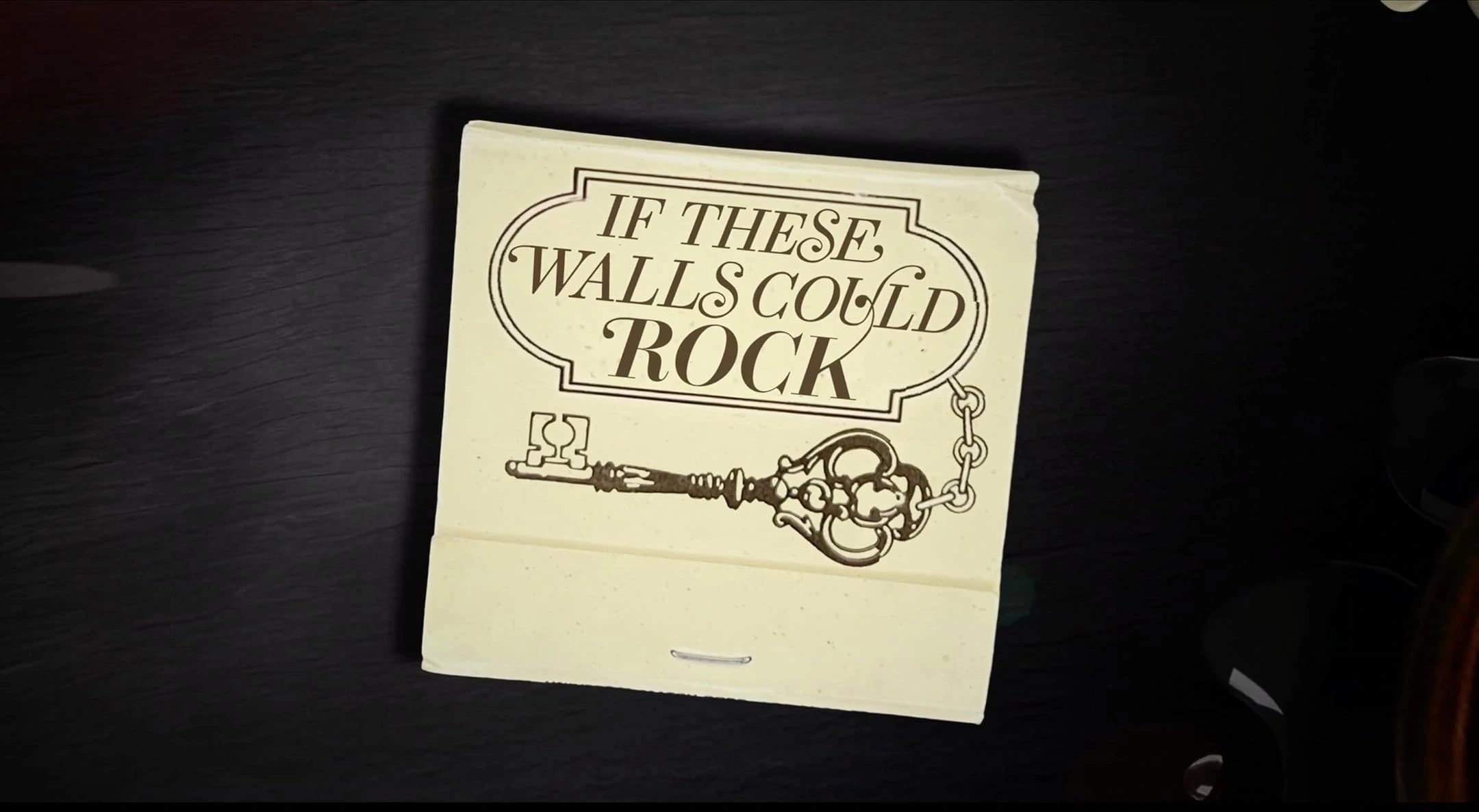

George and Mark Rosenthal give this documentary a spine every time the rock stars stop talking. That happens less frequently than it should. Directors Tyler Measom and Craig A. Williams have assembled an absurdly impressive guest list for If These Walls Could Rock, their history of West Hollywood’s Sunset Marquis. Bruce Springsteen, Ringo Starr, Slash, Nile Rodgers, Dave Grohl, Sheryl Crow, Morrissey, Cyndi Lauper, Roger Daltrey, Gene Simmons and plenty of others appear to remember the hotel that became one of Los Angeles’ safest places for famous people to behave very badly.
Opened by George Rosenthal in 1963, the Sunset Marquis sits away from the noisy visibility of Sunset Boulevard. Its location became part of its personality. Musicians could disappear into suites, encounter other artists around the pool and trust employees to keep reporters outside.
George’s explanation for that tolerance gives the film an unexpected emotional foundation. He remembers the antisemitism he experienced growing up and connects it to his sympathy for outsiders, including musicians rejected by less forgiving hotels. Mark complicates that portrait by describing a father consumed by business and winning. George could create a refuge for strangers while remaining extraordinarily demanding toward his own son. There is a better movie hiding there.
Everybody Behave Badly
Measom and Williams understand that nobody buys a ticket to a Sunset Marquis documentary hoping to hear about efficient housekeeping. Billy Gibbons remembers Ozzy Osbourne encouraging him to smash bottles and glasses around the swimming pool until broken glass trapped everyone nearby. Green Day received temporary bans after throwing furniture through a window, removing plants and painting a suite floor green. Their eventual return produced the slightly gentler offense of filling a Jacuzzi with bubbles.
Billy Bob Thornton, who calls himself the hotel’s unofficial mayor, supplies exactly the sort of story his title promises. He recalls having sex on an outdoor staircase when another actor and his wife walked past, casually congratulated him on an award nomination and continued on their way. Measom and Williams cut these stories with playful animated reenactments, a smart solution when photographs are scarce and witness testimony is doing most of the work.
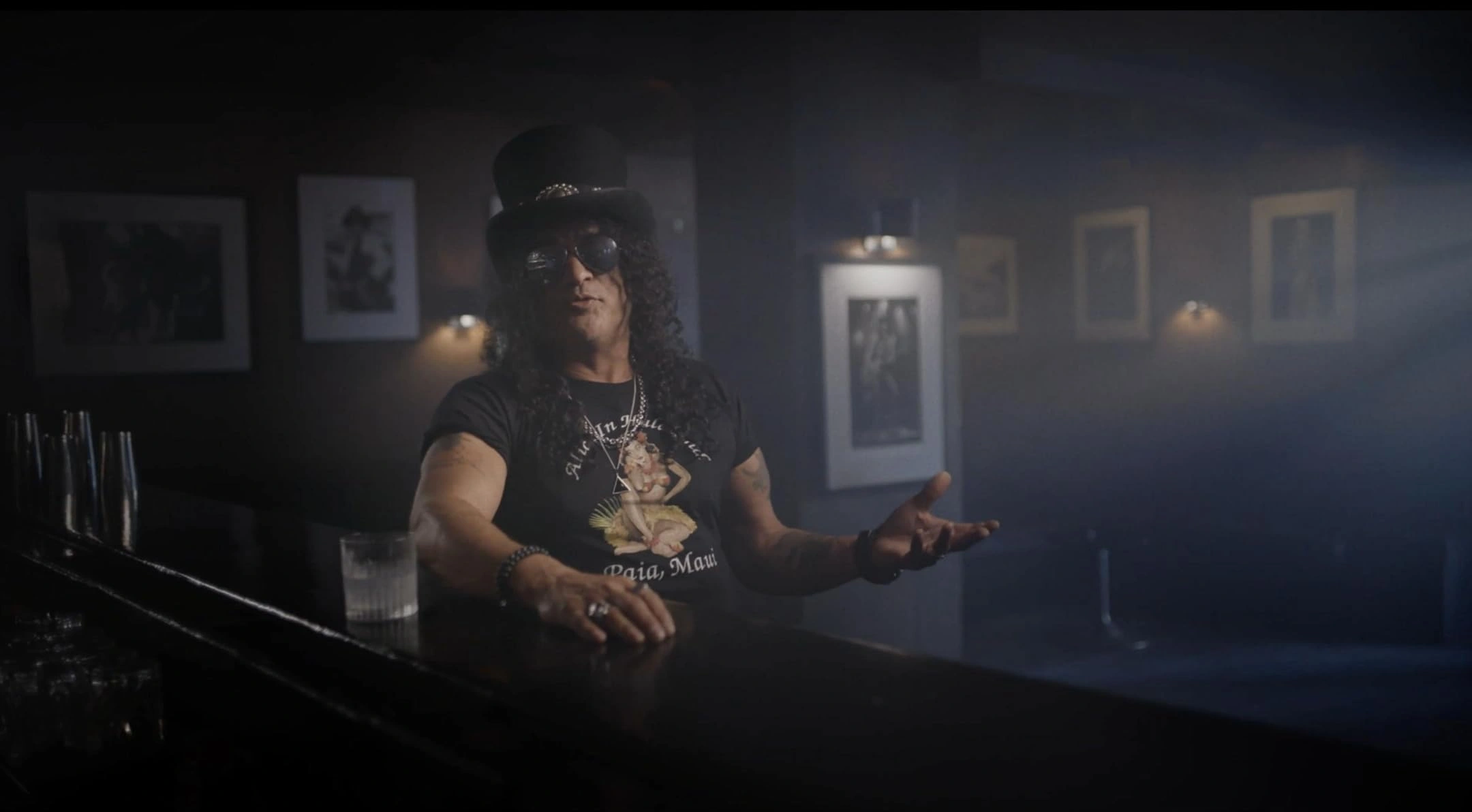
Some memories carry heavier consequences. Slash describes a drug-induced hallucination at the Marquis in which he believed creatures were attacking him. The hotel later became the site of an intervention that sent him to rehab. The shift briefly punctures the romantic image of limitless rock-star freedom.
The trouble is built into the premise. The Sunset Marquis became famous because its employees kept quiet. Former staff members still decline to name names, and celebrities frequently stop stories before revealing the useful part. Simon LeBon praises the sense that whatever happened inside would stay away from newspaper front pages. Great for Duran Duran. Less helpful for documentary filmmakers.
The Family Business
The Rosenthal story gives If These Walls Could Rock something its celebrity anecdotes cannot: escalation. By the 1980s, George had become distracted by other ventures and the Marquis had deteriorated. Mark, having entered the family business, began renovating the property and restoring its relationship with the music industry. His challenge quickly grew beyond replacing worn furniture.
By the early 1990s, Mark says the hotel was roughly $50 million in debt, while the family faced an enormous lawsuit brought by California’s insurance commissioner. Mark became the Marquis’ attorney during the legal fight. Suddenly the documentary has consequences that cannot be solved with another amusing story about somebody jumping into the pool.
These passages also expose the tension between George and Mark. George expected his son to earn his position rather than coast on the family name, while Mark spent years working beneath a father whose standards rarely came with much tenderness. When George eventually credits Mark with saving the Marquis, the acknowledgment lands because the film has shown how difficult it was for Mark to receive anything resembling approval.
That relationship should carry the documentary for longer stretches. Instead, another famous face often arrives precisely when the Rosenthals begin generating dramatic momentum. The editing keeps the pace lively, but momentum and speed are different things.
Too Many Stories, One Hotel
The filmmakers make their broadest case when Bruce Springsteen describes the Marquis as a place where musicians could encounter people capable of changing their work. His meeting there with Vietnam veteran Ron Kovic developed into a lasting friendship and helped inspire “Born in the U.S.A.” NightBird Studios, opened at the hotel in 1992, gives the claim additional substance through artists who recorded there.
Much of the remaining evidence is softer. Celebrity after celebrity describes privacy, friendship, permissiveness and the strange pleasure of seeing other famous musicians nearby. Dave Grohl jokes about how disastrous a bomb at the hotel would be for rock radio. Gene Simmons remembers realizing it felt unlike conventional hotels. Slash describes its atmosphere as one built for misfits. These recollections are charming individually. Stacked together, they begin performing the same narrative job.
That exposes the structural problem facing Measom and Williams. They have a family drama, a business survival story, a cultural history, a collection of rock anecdotes and a meditation on celebrity privacy competing for 93 minutes. Billy Bob Thornton’s guided tour and the animated sequences keep things moving, yet the film repeatedly leaves its strongest thread to accommodate another recognizable guest.
The Sunset Marquis survived because it knew when to keep its mouth shut. If These Walls Could Rock discovers the awkward consequence of that policy: sometimes the walls really do know the best story, and they are still refusing to tell it.
If These Walls Could Rock was released in 2025. This documentary film chronicles the storied history of the iconic Sunset Marquis hotel, tracing its evolution from its 1963 construction through its legendary rock-and-roll heyday in the 1970s and its eventual transformation into a luxury destination.
Where to Watch If These Walls Could Rock (2025) Online





Full Credits
Title: If These Walls Could Rock
Release date: 2025
Running time: 93 minutes
Director: Craig Williams, Tyler Measom
Writers: Caroline Kessler
Producers and Executive Producers: Not Available
Cast: Ringo Starr, Bruce Springsteen, Billy Bob Thornton, George Rosenthal, Mark Rosenthal
The Review
If These Walls Could Rock
If These Walls Could Rock is most entertaining when the Sunset Marquis becomes a stage for stories too strange to need embellishment, from Green Day’s bans to Slash’s frightening drug episode. Its structure is less disciplined. The Rosenthals provide a strong father-son narrative, yet celebrity interviews repeatedly pull attention away from it, while the hotel’s culture of secrecy leaves several promised scandals tantalizingly vague. Still, sharp editing, playful animation, and genuine affection for this strange Hollywood refuge keep the documentary lively.
PROS
- Excellent celebrity anecdotes
- Strong Rosenthal family material
- Lively, economical editing
- Playful animated reenactments
CONS
- Crowded narrative focus
- Repetitive celebrity praise
- Best stories remain guarded
- Family story gets interrupted