















A microbudget Chinese animated film made by a mother-and-son team for roughly $200 has become one of the most improbable box office stories of the year, transforming online ridicule into millions of dollars in ticket sales and drawing comparisons to cult classics built on so-bad-it’s-good appeal.
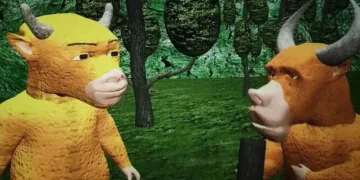
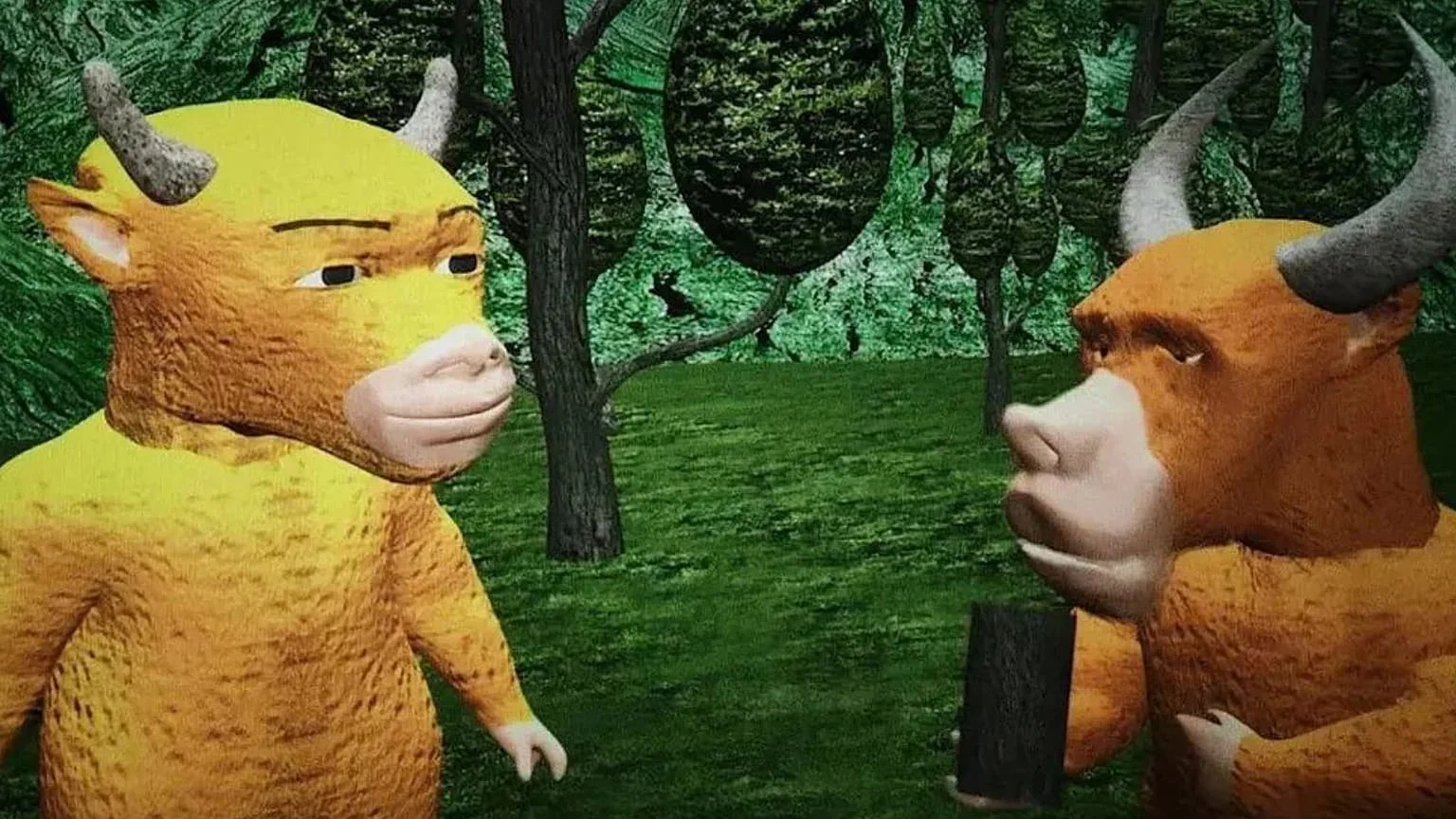
“Niu Lai,” directed by Xin Yumeng with a screenplay by his mother, Sun Lifang, follows a young calf navigating a surreal dream world as he grapples with courage, family expectation and mortality. The film opened in Chinese theaters on August 5 with no marketing campaign and no trailer, and its early numbers reflected that obscurity: roughly 10,000 yuan, or about $1,480, in ticket sales over its first ten days, with some days bringing in as little as 200 yuan. Theater staff reportedly had no official promotional materials and hand-drew their own posters.
That changed once clips began circulating on Chinese platforms like Douban and Weibo. Viewers mocked the film’s rudimentary 3D animation, built using architectural software rather than dedicated animation tools, along with its stilted character movement and strange voice work performed entirely by the two-person crew.
One IndieWire critic described the animation as “truly ugly,” writing that characters move at the framerate of a PowerPoint presentation and resemble hybrid troll creatures more than the animals they represent. Rather than killing the film’s prospects, the backlash turned it into a sensation. Box office receipts surged to more than 8 million yuan in a single day, and the film’s total gross has since climbed past $3 million against a production budget estimated at only a few hundred dollars.
The film took more than five years to complete, with Xin handling direction and animation while Sun wrote the score and performed its theme song. The IndieWire review noted that the film’s few effective moments arrive almost by accident, pointing to an early sequence where the calf attempts to leap across a river as unexpectedly, genuinely funny.
Some viewers now frame their recommendation of “Niu Lai” as either a prank on friends or a sincere response to an animation landscape increasingly dominated by polished studio work and AI-generated content. The review argued that in an era when animation risks being overtaken by artificial intelligence, there may be value in embracing something this rough precisely because it came entirely from human hands.
Also Read




The film’s box office run now places it among the highest-grossing animated releases in China this year, an outcome nobody involved in its production appears to have anticipated when a small production company, formerly focused on interior design, agreed to distribute it.