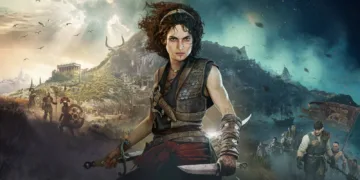


















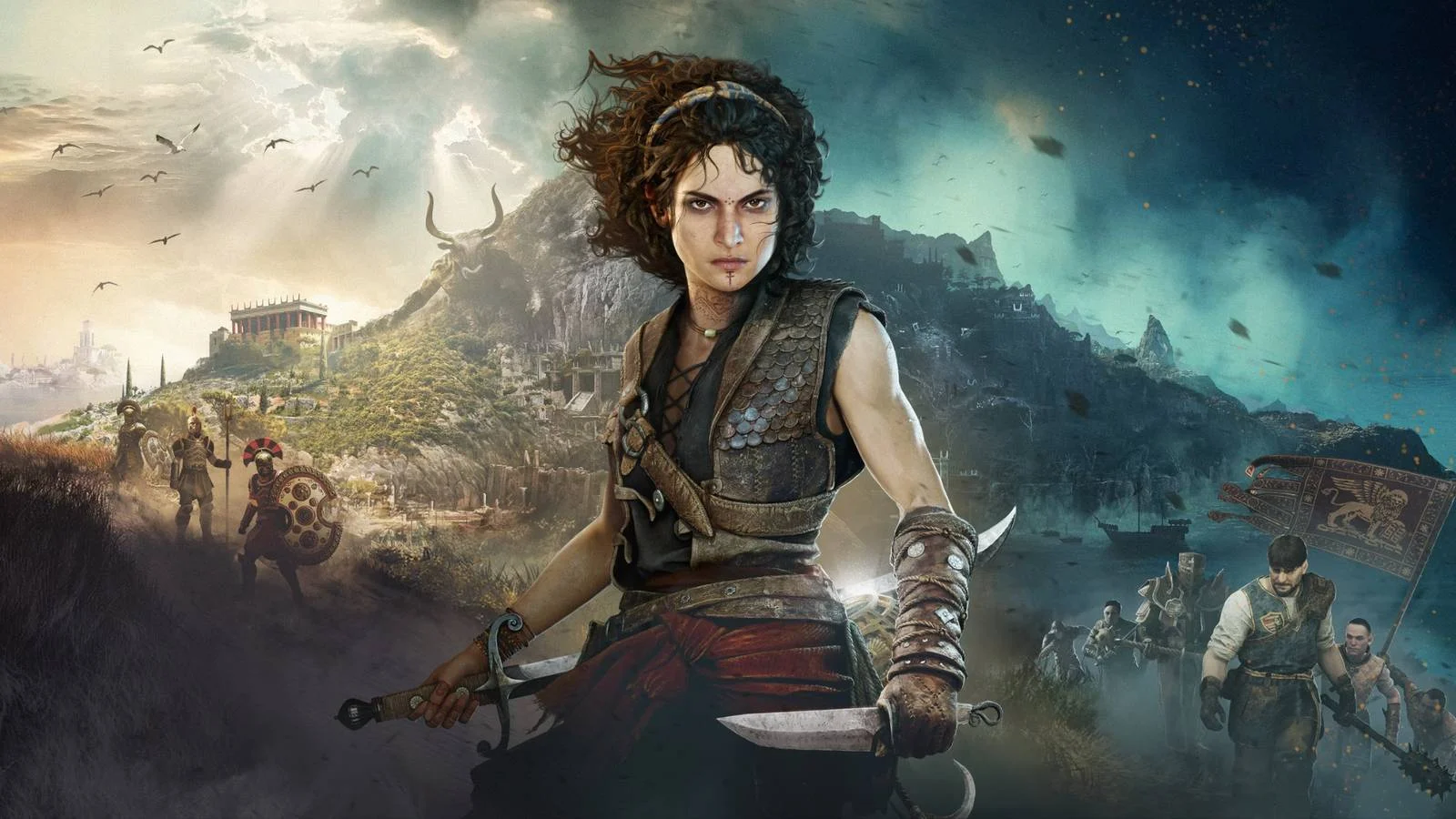

Sophia has always carried herself like someone who survived a story we never got to see. Resonance: A Plague Tale Legacy finally tells it, setting its prequel roughly 15 years before A Plague Tale: Requiem and stripping away two things that once seemed inseparable from the series: Amicia and Hugo, and the rats.
That absence changes the emotional temperature immediately. Sophia’s childhood begins in a convent where nuns experiment on her because of the visions tormenting her. Her father, Alec, eventually rescues her, and she grows up among his thieves and plunderers. It is a rough family, but still a family. Alec’s death during an expedition to Minotaur Island fractures it.
Faro, once Alec’s trusted lieutenant, trains Sophia into a capable fighter while growing obsessed with the island that killed his friend. By the time an attack destroys the gang’s home in Venice, Sophia and her closest companion, Leni, have little left to run toward except the place that has haunted Sophia since childhood. The setup feels recognizably Plague Tale in its grief, yet the shape surrounding that grief is new: treasure hunting, Greek myth, sword fights, archaeological puzzles, and something terrible waiting underground.
Ghosts of Minotaur Island
The emotional gap between Sophia and the De Rune siblings is impossible to ignore. Amicia and Hugo had two games to build their bond through small acts of care, arguments, fear, and dependence. Sophia gets one game to turn a memorable supporting character into a protagonist, and the writing cannot always make up that distance.
Her relationship with Faro carries the richest tension. Both mourn Alec, yet Faro turns that loss into obsession. His fixation on Minotaur Island slowly converts his role from protector into exploiter, particularly once Sophia’s visions become useful to his search for treasure. Sophia sees the man who helped raise her choosing the mystery over her.
Leni provides a softer counterweight. Their conversations during exploration, including recurring talk of finding a boat and sailing away together, give the quieter stretches some warmth. Those exchanges matter because the game spends so much time surrounding Sophia with death.
Also Read




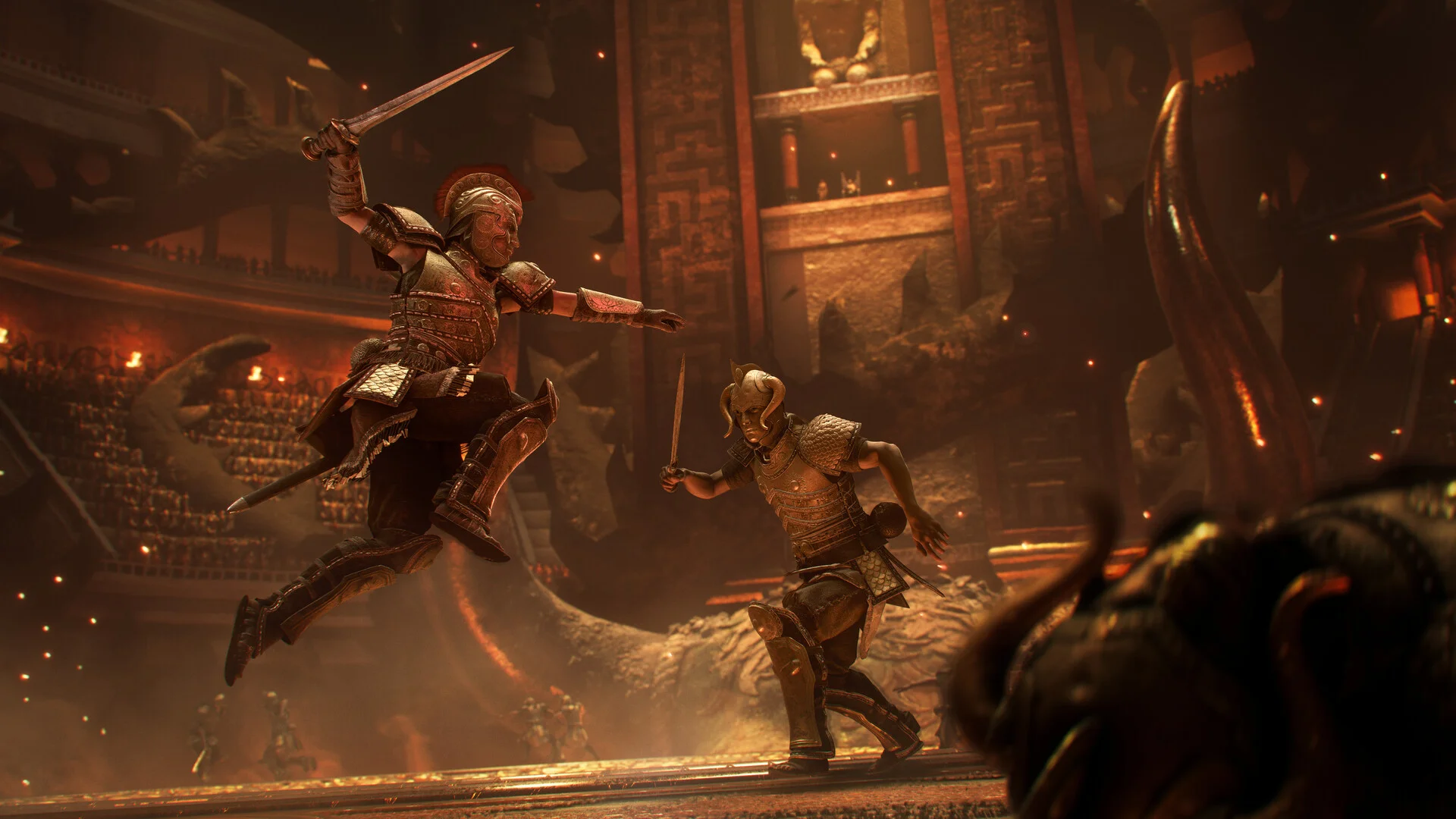
The ancient storyline proves even stronger. Sophia’s visions pull her into the Minoan past, where the story reshapes the myth of Theseus and the Minotaur around fractured families, inherited grief, and the supernatural history beneath the island. The transitions between Sophia’s exploration and these visions gradually make the ruins feel less like archaeological scenery and closer to memory made physical.
There are stretches where Theseus and the lost civilization become easier to care about than Sophia’s treasure hunt. That imbalance is strange for a character-driven prequel, yet those flashbacks contain some of the game’s sharpest storytelling.
Steel Instead of Shadows
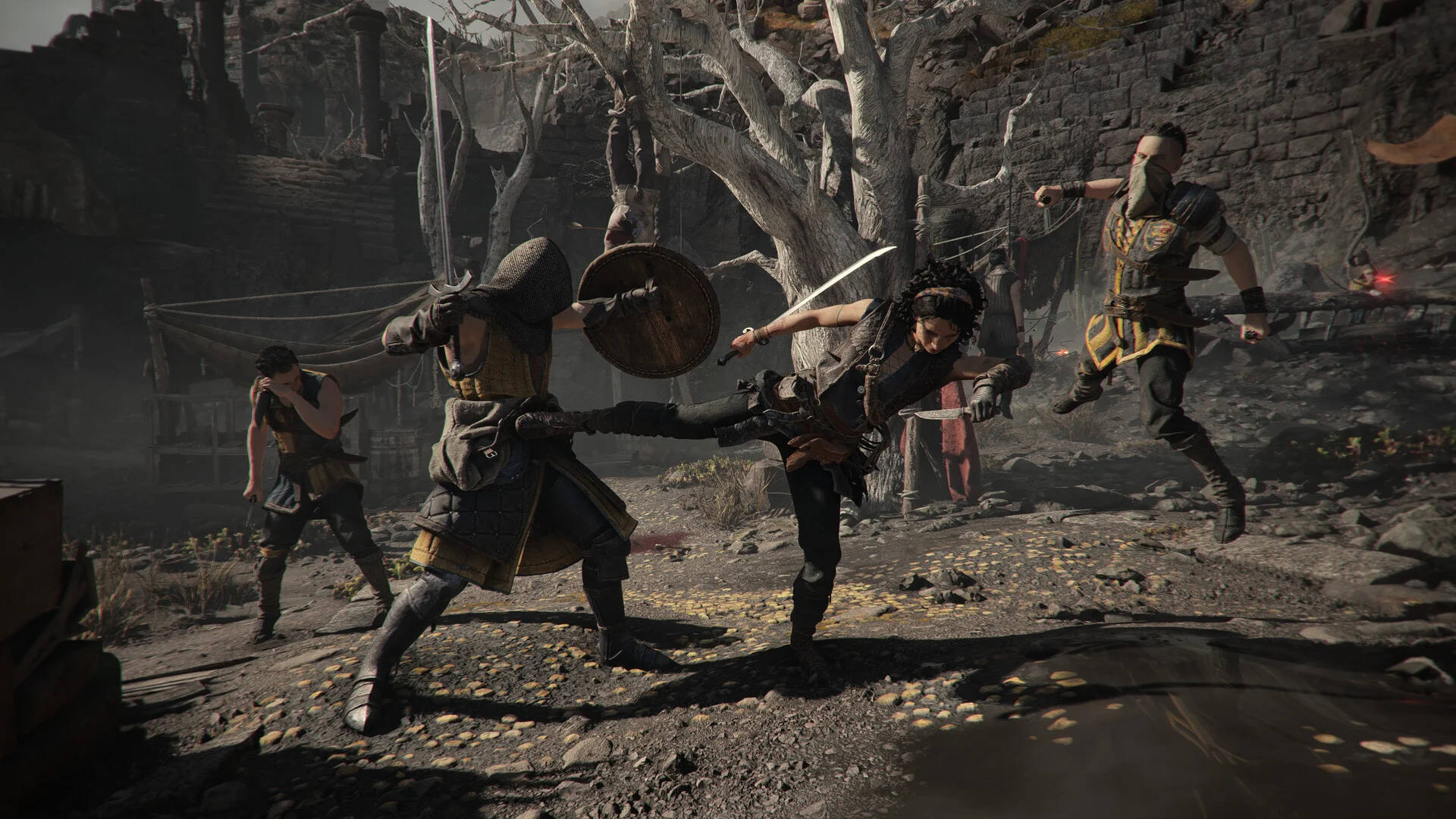
Sophia fights because she can. That sounds obvious until you remember how much of Innocence and Requiem depended on Amicia surviving enemies she could rarely confront directly. Combat revolves around sword and dagger strikes, dodges, parries, charged attacks, guard-breaking kicks, thrown weapons, and a grappling hook capable of dragging certain enemies into vulnerable positions. Finishing an opponent restores health, so retreat often feels less useful than aggression.
Enemy roles create some pressure. Knifemen close distance quickly, archers force movement, spearmen can resist the hook, and brutes absorb punishment. Red-glint attacks demand a dodge until later upgrades can change the rule. The problem is repetition.
Resonance keeps returning to compact battle arenas long after the basic rhythm has become clear. Parry, break a guard, strike, finish, move to the next target. The controls can feel sharp, particularly once Sophia gains abilities such as stronger kicks or a double dodge, but the system rarely develops enough to justify how frequently the campaign leans on it.
Its progression system is pleasantly restrained. Resonance points purchase a small number of upgrades, while hidden swords, charms, bracelets, tombs, and chests reward players who search beyond the obvious route. Some upgrades make Sophia dramatically safer, including mastery options that let her counter attacks originally presented as unblockable. Useful, certainly, though turning a dangerous new rule into another parry opportunity also reveals how narrow the combat vocabulary can become.
Light in the Dark
Exploration is where Resonance remembers what makes this series frightening. Minotaur Island is filled with Minoan mechanisms, buried chambers, symbols, mirrors, and crystals. Sophia records clues in her notebook, and her Minoan Sphere can reveal hidden markings or split light into colored beams that must be redirected through the environment. Some rooms amount to familiar mirror puzzles.
Others ask you to inspect architecture, uncover obscured crystals, and work backward from drawings in Sophia’s notes. The game is also willing to leave you alone with a puzzle. There is no conventional map, and companion hints can be disabled, which immediately makes exploration feel less supervised. Then something starts hunting Sophia.
Deep underground, blue dust coats her body and leaves a glowing trail whenever she moves too quickly. The creature following that trail cannot be beaten with Sophia’s sword. Crouching, breaking sightlines, slipping through gaps, and reaching light become the only reliable answers.
Those encounters recapture the helplessness that direct combat had removed. A beam aimed into a dark corridor suddenly matters because safety exists only inside its reach. Corpse-packed tunnels tighten around Sophia, bodies twitch in the walls, and maze sequences force careful movement while the thing nearby reacts to careless speed.
The closing chapters stretch Sophia’s suffering too far, repeating collapses, injuries, pursuits, and cries of exhaustion until dread begins turning into fatigue. Still, the audiovisual craft carries remarkable force. Anna Demetriou gives Sophia’s panic and grief a raw edge, while Olivier Deriviere’s score draws on Greek and Cypriot textures, haunting vocals, and instruments such as the Yaylı Tambur. Sunlit ruins can feel almost serene; several hours later, those same ancient stones seem built to keep the light out.
The Review
Resonance: A Plague Tale Legacy
Resonance: A Plague Tale Legacy finds its strongest pulse when Sophia stops fighting soldiers and begins fearing what waits beneath Minotaur Island. Sword combat gives her a distinct identity, yet repeated arenas expose how little the system grows across the campaign. The light puzzles, Minoan visions, haunting underground pursuit, Anna Demetriou's performance, and Olivier Deriviere's score bring back the dread and tenderness that define this series. Sophia may never match Amicia and Hugo's emotional pull, but her darkest hours still leave a mark.
PROS
- Excellent underground horror sequences
- Beautiful Minoan environments
- Strong light-based puzzles
- Atmospheric, emotionally charged score
- Anna Demetriou's committed performance
CONS
- Repetitive melee encounters
- Uneven supporting characters
- Familiar mirror puzzles
- Overextended final stretch