

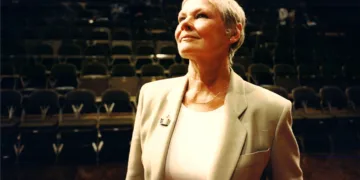











Danny Boyle has confirmed what social media had already suspected: several of the archival-style images in his new film “Ink” were brought to life using generative AI.
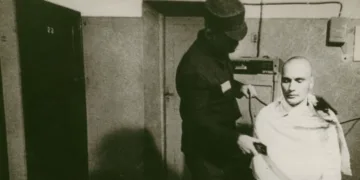
Speaking to Vanity Fair from the Telluride Film Festival, the Oscar-winning director said the technology accounts for roughly 30 seconds of footage in the finished film. “There’s about 30 seconds of it in our movie where we animate a couple of old photographs,” Boyle said, describing a process similar to tools that have circulated widely online for reanimating archival images.
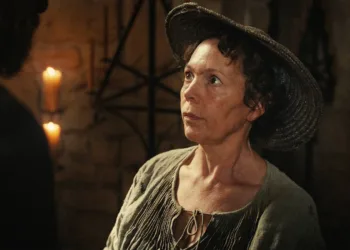
He confirmed the technique was used on period photographs, including recreations that led some viewers to speculate whether the film had digitally revived images of the Kray twins and a former British prime minister. Boyle also said AI generated a handful of digital mice scurrying through a newsroom set, an alternative he said he adopted after facing criticism from PETA over live chimpanzees used early in his career on “28 Days Later.” “It’s very good for animals,” he said of the technology.
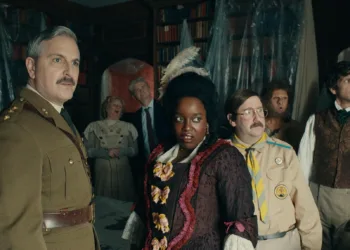
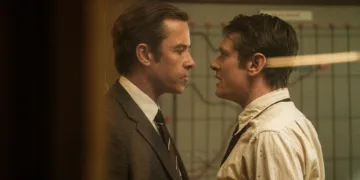
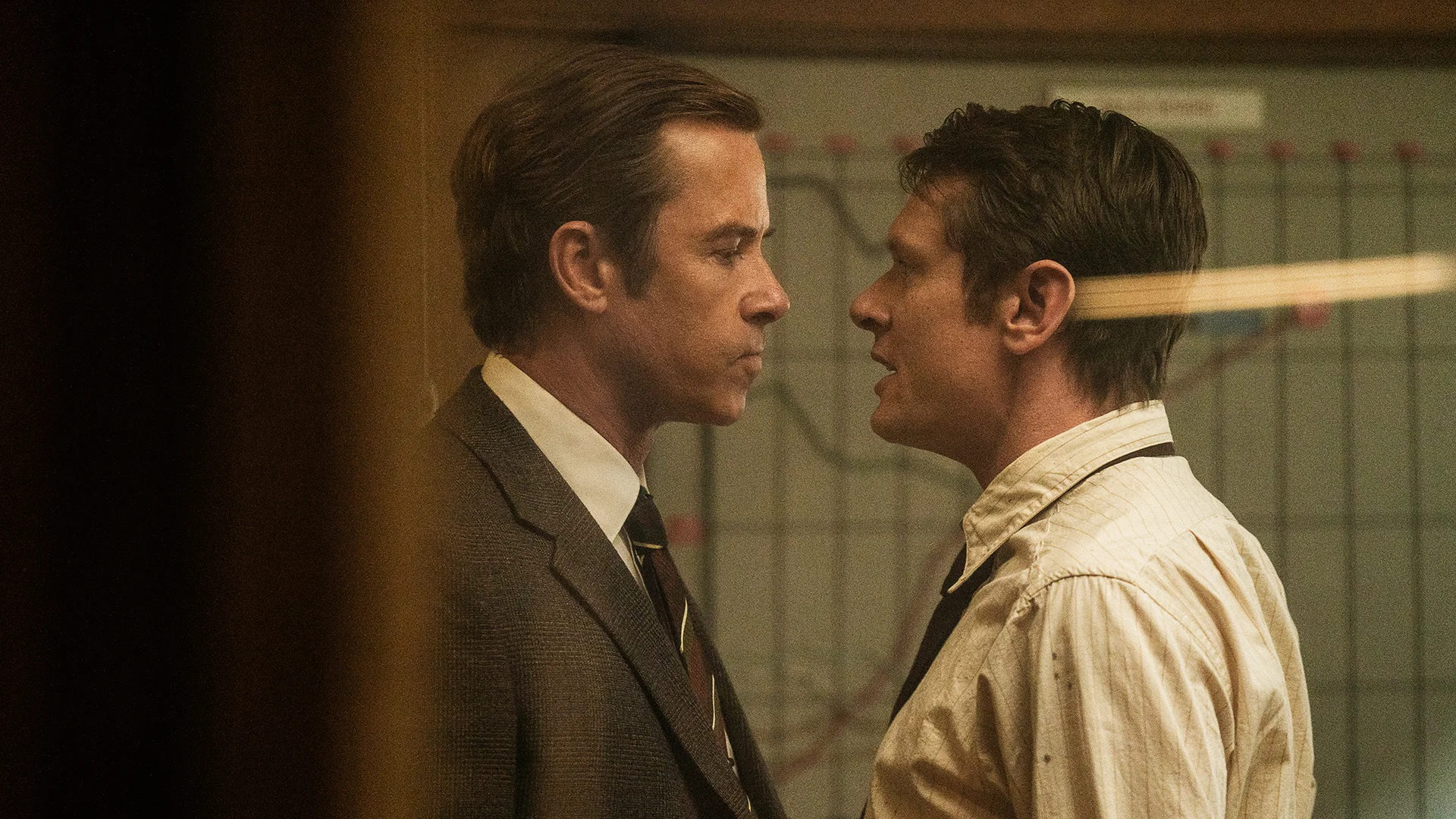
“Ink,” adapted by James Graham from his own stage play, tracks Rupert Murdoch’s 1969 acquisition of The Sun and editor Larry Lamb’s transformation of the struggling tabloid into Britain’s best-selling newspaper. The film stars Jack O’Connell as Lamb, alongside Guy Pearce and Claire Foy, and opened this year’s Venice Film Festival before moving on to Telluride. It holds an 85% approval rating among critics on Rotten Tomatoes.
Boyle’s comments follow a more cautious stance he took days earlier at the film’s Venice press conference, where he warned about AI’s potential to hollow out journalism itself. “The danger with the tech giants and their AI is that they will be able to replace journalism,” he said, questioning whether an AI-generated reporter would ever challenge the corporate interests behind it.
Asked directly about his broader view of AI in filmmaking, Boyle deflected some of the weight of his own opinion, arguing that younger viewers and creators will ultimately decide how the technology gets used. He said AI can serve as a legitimate part of a filmmaker’s toolkit, comparable to standard visual effects, provided it’s used “respectfully” and doesn’t substitute for paying human actors. Studiocanal and Netflix will release “Ink” in theaters in December before it streams on Netflix in January.