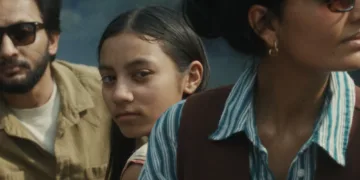


























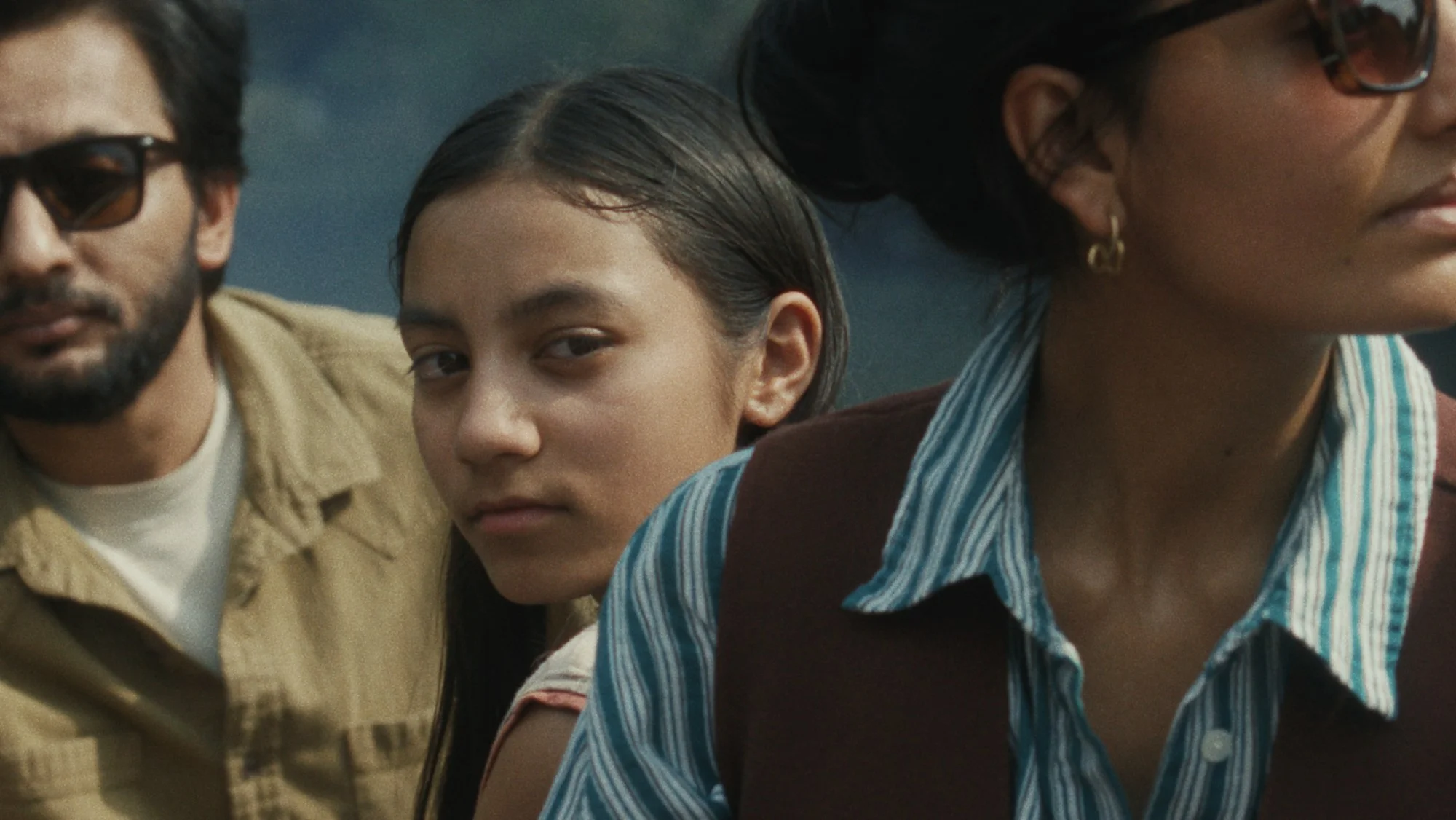

Shalini Adnani understands that the most useful person to place inside a system of privilege is someone who has never learned its rules. Twelve-year-old Maya has spent her life in Britain before arriving in rural India with her mother, Priti, to live with her estranged father, Rohan.
His sand-mining business has made the family comfortable, and Maya initially experiences that comfort without much suspicion. The house is spacious, servants move through it, and her father seems pleased to have her close. Then she starts asking ordinary questions.
Why can she play with Kiran, a boy her age, yet never quite treat him like family? Why does he work in the river while she watches? Why does everyone around her seem to understand distinctions nobody has bothered explaining?
Adnani gives those questions a historical shadow through a family story about a large diamond discovered decades earlier. Maya is told that her grandfather found it and used the resulting wealth to transform the family’s fortunes. The film leaves enough uncertainty around that story to make its neat bootstraps mythology look increasingly suspicious.
The House Rules
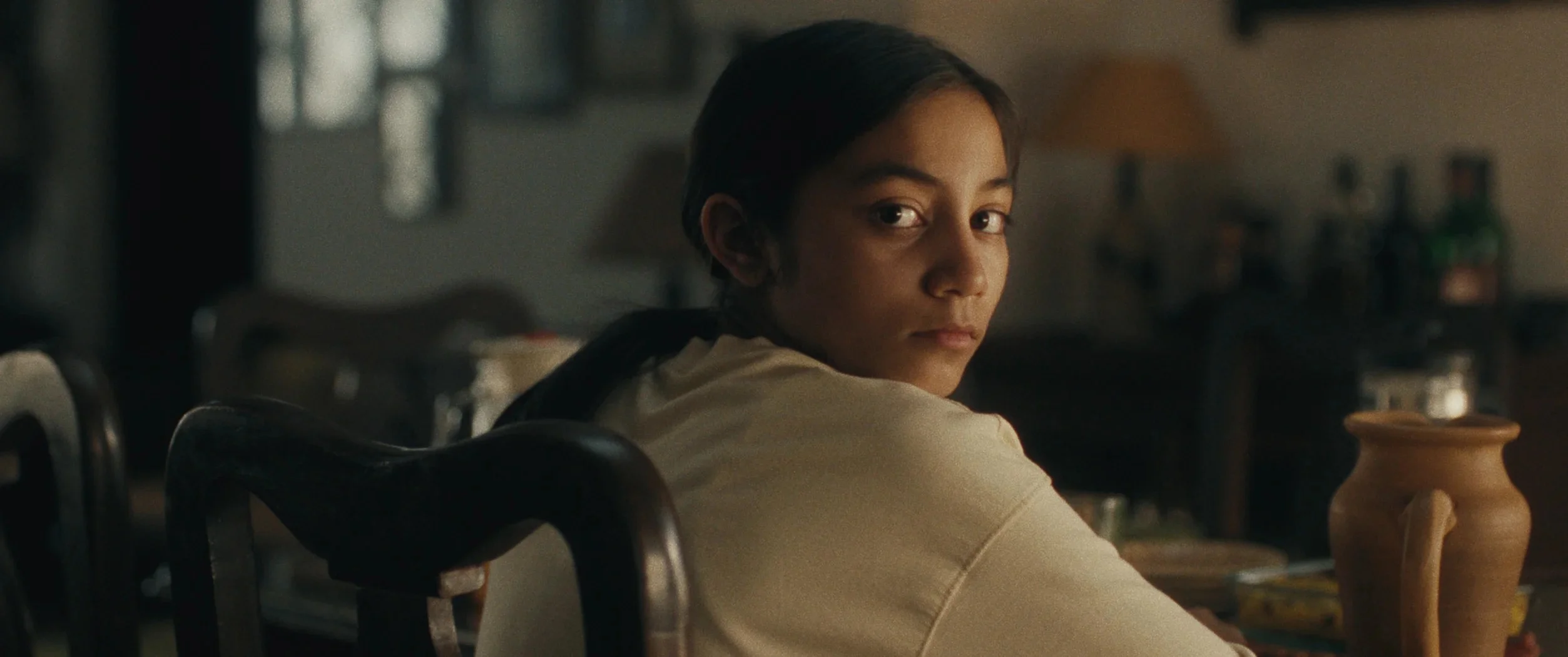
Maya’s friendship with Kiran gives the film its clearest structural line. They do not share much language, yet they understand each other easily enough until Rohan reminds both children where the boundary sits. Kiran works for him. Maya belongs to him. That distinction sounds simple. Adnani spends much of the film exposing the machinery required to maintain it.
Rohan’s workers dive into the river carrying buckets and ropes, extracting sand that feeds the construction industry. Maya can move between their world and her father’s house because money permits her to. Kiran cannot make the same trip without becoming labor or domestic help.
The screenplay occasionally makes this hierarchy too tidy. Kiran is defined largely through his exploitation, while Rohan is given so much responsibility for the film’s social argument that he sometimes resembles a position in a debate wearing a shirt.
Priti fares better. Ellora Torchia gives her a slow erosion rather than a clean arc. Once a santoor player, she now appears stalled inside Rohan’s home, drinking, withdrawing, and spending increasing stretches of time in bed. Torchia never turns these details into a showcase. Her silences tell Maya what the adults refuse to say aloud.
The Accident
The film’s strongest sequence sends Maya out with Rohan during a nighttime mining operation. Kiran dives too deep and ruptures his eardrum. Maya sees enough to understand what happened, including Rohan hiding the depth gauge that could expose the conditions of the dive. When police question her, she supports her father’s account.
That lie matters because Adnani refuses to give Maya the moral clarity usually handed to children in this kind of story. She knows something is wrong and lies anyway. She is twelve, dependent on the man responsible, surrounded by adults who have already converted exploitation into routine.
Later, Maya learns that Kiran is not the first boy whose hearing has been damaged. One accident becomes a pattern, and the story’s scale changes with it. Maya Mehta handles that shift with impressive restraint. Her performance works through pauses, glances, and minor acts of sabotage.
Breaking Rohan’s cigarettes becomes one available form of protest. Taking aim at the family diamond is another. She cannot dismantle her father’s business. She can hurt the objects through which his authority becomes visible. The screenplay knows her limits, which saves the character from becoming a miniature activist delivering speeches written by adults.
The Price of Concrete
Adnani makes sand a particularly effective material for this story because it connects intimate wrongdoing to national development. Rohan’s workers remove it from riverbeds. The sand becomes concrete. The concrete becomes cities. Somewhere between those stages, injured laborers disappear from the picture.
A dinner-party argument makes the politics explicit. An academic questions forms of redevelopment that remake poorer communities according to supposedly superior lifestyles. Rohan reacts angrily, treating development as emancipation and his business as part of India’s economic future.
The scene is less graceful than the film’s quieter material, but it reveals something useful about Rohan. He does not behave like a man who believes himself evil. He has built a vocabulary that turns personal profit into public progress.
Adric Watson’s cinematography is strongest when the camera does similar work without dialogue. Tight framing repeatedly confines Maya inside the family compound, while riverbanks and forests become increasingly threatening once she understands what happens there. Security-camera images introduce another visual idea: wealth does not simply separate the family from everyone outside. It watches the perimeter.
Adnani occasionally relies on conventional shot/reverse-shot coverage when a bolder visual approach might have sharpened those tensions. Her discipline still serves the film. She keeps returning to Maya watching adults explain away what she has already seen. By then, the family diamond has stopped functioning as a charming origin story. It has become evidence.
Our Share of Sand premiered at the 83rd Venice International Film Festival on September 5, 2026. The drama follows a twelve-year-old girl who returns to rural India and must confront uncomfortable truths when an accident links her father to illegal sand mining.
Full Credits
Title: Our Share of Sand
Distributor: Fifth Mirror Pictures
Release date: September 5, 2026 (Venice International Film Festival)
Running time: 1 hour 35 minutes
Director: Shalini Adnani
Writers: Shalini Adnani
Producers and Executive Producers: Sara Bonakdar, Alan McAlex, Balthazar de Ganay, Giorgos Karnavas, Michael Graf
Cast: Maya Mehta, Mohammed Zeeshan Ayyub, Ellora Torchia, Krish Raj More, Ravi Ranjan Patil, Jyoti Dogra
Director of Photography (Cinematographer): Adric Watson
Editors: Anna Meller
Composer: Ted Regklis, Sarathy Korwar
The Review
Our Share of Sand
Our Share of Sand works because Shalini Adnani keeps Maya’s awakening specific. Kiran’s injury, Rohan hiding the depth gauge, Maya lying to the police, and her later attack on the family diamond turn class inequality into a chain of choices rather than a lecture. Some supporting characters are written too narrowly around their social roles, yet Maya Mehta and Ellora Torchia give the family conflict genuine weight. Adnani’s visual approach can feel cautious, but the film’s restraint suits a story about a child realizing that inherited comfort has a cost someone else has been paying.
PROS
- Maya Mehta’s restrained performance
- Strong child-eye perspective
- Kiran accident anchors the drama
- Sharp class and privilege conflict
- Effective family tension
CONS
- Supporting characters lack depth
- Rohan can feel archetypal
- Visually cautious coverage
- Familiar coming-of-age framework