






















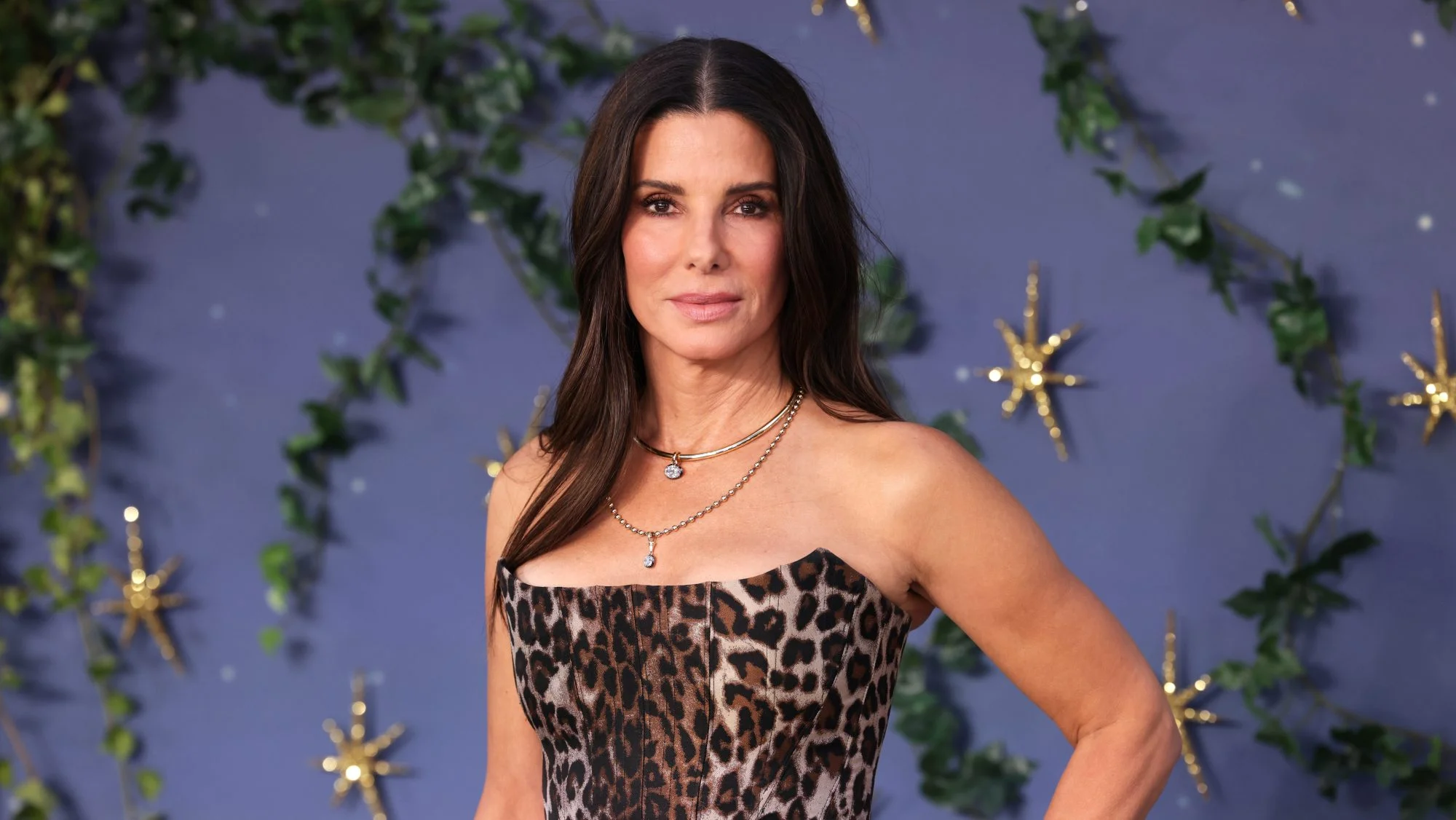

Sandra Bullock said she turned down early auditions that required her to disrobe for casting decision-makers she described as predatory, recalling the experience during a conversation with Jennifer Aniston published in Interview magazine this week.
Bullock, promoting her return to film in “Practical Magic 2,” told Aniston that the boundary formed while she was waitressing in New York and trying to break into acting. She described facing a stream of casting encounters with men who pressured her to remove clothing during auditions, and said she refused those parts outright, telling herself the roles simply weren’t for her. She acknowledged the risk that decision carried, noting that most working actors fear turning down any opportunity because they assume the next one may not come.
The actress pointed to a second turning point later in her career, once she had established herself as a box-office draw. She said she made a deliberate choice to step back from romantic comedies after facing sustained criticism over the genre, a move that led her to “Crash,” the 2004 ensemble drama that won the Oscar for Best Picture. Bullock said she wanted to demonstrate range beyond the genre that built her fame, pointing to hits like “While You Were Sleeping” and “Miss Congeniality” as the work she was moving away from.
The remarks arrive as Bullock returns to theaters for the first time in four years. “Practical Magic 2” opened Friday and pulled in $13 million domestically on its first day, including Thursday preview showings, putting the sequel on track for an opening weekend near $30 million. Bullock has described the film as a tribute to her daughter, and her conversation with Aniston touched on her approach to fame and privacy alongside the industry reflections.
Bullock’s account adds to a recurring theme among actresses of her generation who came up in the 1980s and 1990s, many of whom have described predatory casting practices as a routine hazard for young performers trying to get a foothold in the industry. Her comments did not name specific individuals or productions.