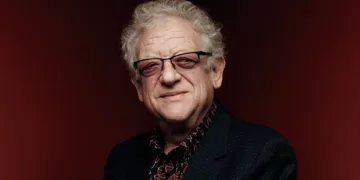











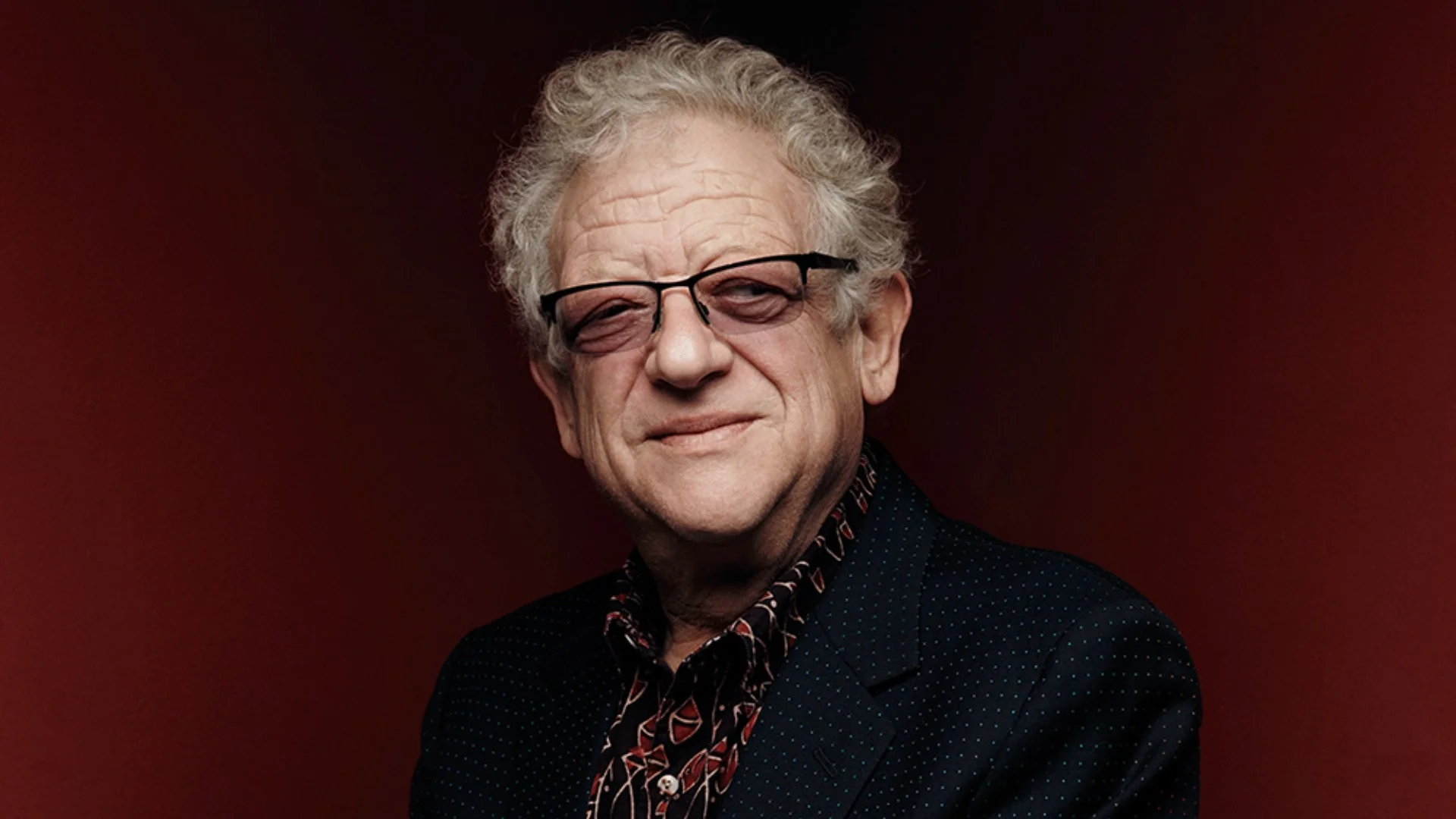

Jeremy Thomas, the independent British producer whose five-decade career defined a particular strain of daring, internationally financed cinema, died Friday at his home in Oxfordshire, according to a statement released by his family Saturday. He was 77.
The statement said Thomas passed away peacefully, surrounded by family. His death was announced on the closing day of the Venice Film Festival, where Werner Herzog’s “Bucking Fastard,” one of his final producing credits, screened in this year’s main competition.
Thomas came from a filmmaking family. His father, Ralph Thomas, directed more than 40 films including “The 39 Steps” and entries in the “Doctor” franchise, while his uncle Gerald Thomas directed the long-running “Carry On” comedies. Jeremy Thomas founded Recorded Picture Company and later co-founded HanWay Films, building a catalog of more than 80 producing credits over nearly 60 years.
His defining achievement came in 1987 with Bernardo Bertolucci’s “The Last Emperor,” an independently financed, three-year production that swept the Academy Awards with nine wins, including Best Picture. He continued working with Bertolucci on several later films, among them “The Sheltering Sky,” “Little Buddha,” and “The Dreamers.”
Thomas was equally known for backing riskier, more provocative work. His 1996 production of David Cronenberg’s “Crash,” adapted from J.G. Ballard’s novel about a subculture eroticizing car accidents, ignited controversy at its Cannes premiere and drew public condemnation from that year’s jury president, Francis Ford Coppola, before becoming a cult favorite.
Thomas’s other credits included Nagisa Oshima’s “Merry Christmas Mr. Lawrence,” Jonathan Glazer’s directorial debut “Sexy Beast,” Christopher Hampton’s “A Dangerous Method,” and Jim Jarmusch’s “Only Lovers Left Alive.” He also directed one feature himself, 1998’s “All the Little Animals,” starring Christian Bale and John Hurt.
A fixture at the Cannes Film Festival for decades, Thomas was the subject of Mark Cousins’s documentary “The Storms of Jeremy Thomas,” which followed him on one of his annual pilgrimages there. Reflecting on his career at the Edinburgh International Film Festival last year, Thomas described himself as having come up at the tail end of cinema’s golden age, when films still made their money in theaters before home video existed, and said staying relevant required constant adaptation.