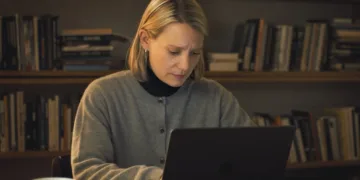


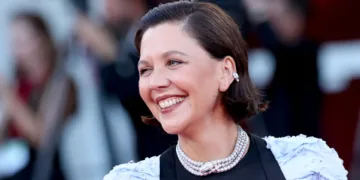
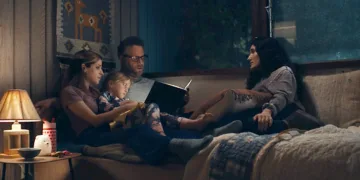






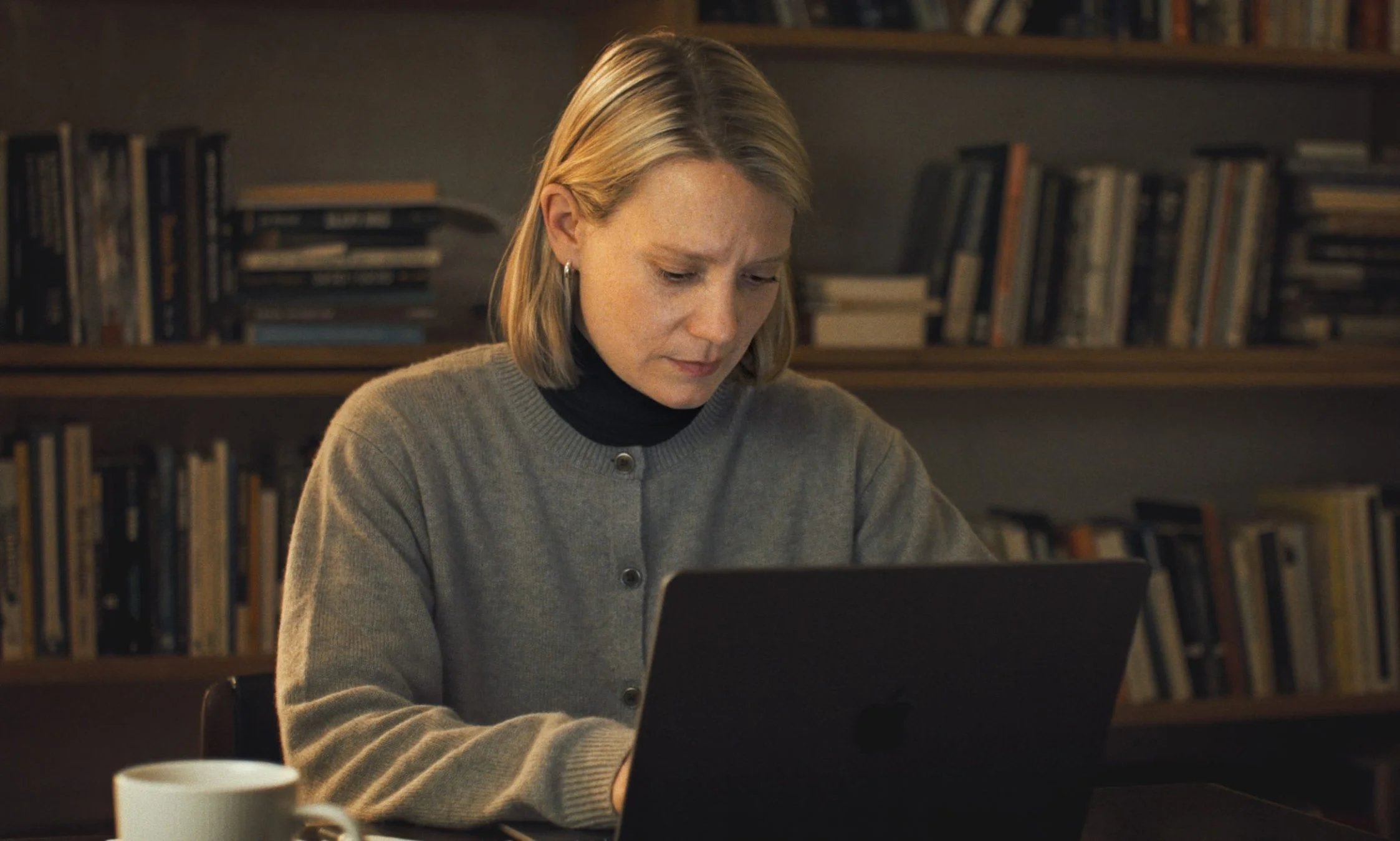

Mia Wasikowska plays a Polish-Australian novelist confronting the ethics of writing about a war she did not live through in “Agata the Writer,” a formally unconventional debut feature that premiered this month in the Venice Film Festival’s Giornate degli Autori sidebar, marking the first Australian film selected for that program in a decade.
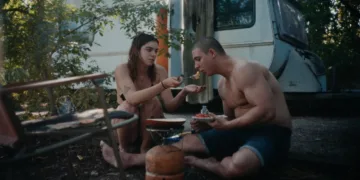
Directed by Kuba Dorabialski, a Polish-born, Sydney-based visual artist making his first narrative feature, the film follows Agata as she travels from Sydney to Sarajevo to research a novel about the Bosnian War. Local survivors question her motives for telling their story, and unexplained disappearances of artwork in the house where she is staying gradually pull the narrative away from straightforward drama and into something closer to mystery. Dorabialski wrote, shot, edited, and scored the film himself, and Wasikowska appears at points speaking directly into the camera, addressing the audience as the character recounts her own story.
Wasikowska, known for mainstream work including “Alice in Wonderland” and “Jane Eyre” alongside a growing arthouse résumé, said she was drawn to the project’s refusal to follow conventional structure. She described feeling overexposed at one point during filming, joking that a particularly long close-up left her thinking there had been enough of her face on screen.
Dorabialski said he wanted the film to explore the tension between two very different art forms. Reading is solitary, he said, while cinema is experienced collectively, and he spent much of the process figuring out how to make those forms work together on screen.
The connection between director and star came through art circles rather than traditional casting channels. Dorabialski knew Wasikowska’s brother, an artist, and had already begun writing the screenplay with her in mind before producer Alex White, known for “Babyteeth,” helped formalize the connection.
French sales company MMM Film Sales has acquired international rights to the film, which was produced with backing from Screen Australia, Creative Australia, and the Adelaide Film Festival Investment Fund. Early reviews have described the film as deliberately austere and divisive, built around long takes and extended silences, with some critics comparing Wasikowska’s recent trajectory toward experimental work to that of Tilda Swinton.