
















A body is usually where a mystery ends. The evidence has been collected, the cause of death identified, and the unknown forced into a comfortable category. The Cycle understands that humans are far less comfortable with the things that cannot be categorized. Jordan Downey’s horror film begins with a scientist who believes in answers and gradually places her in a world where answers themselves become unstable.
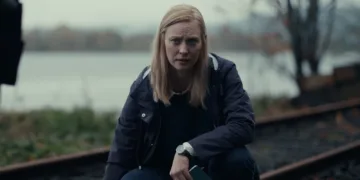
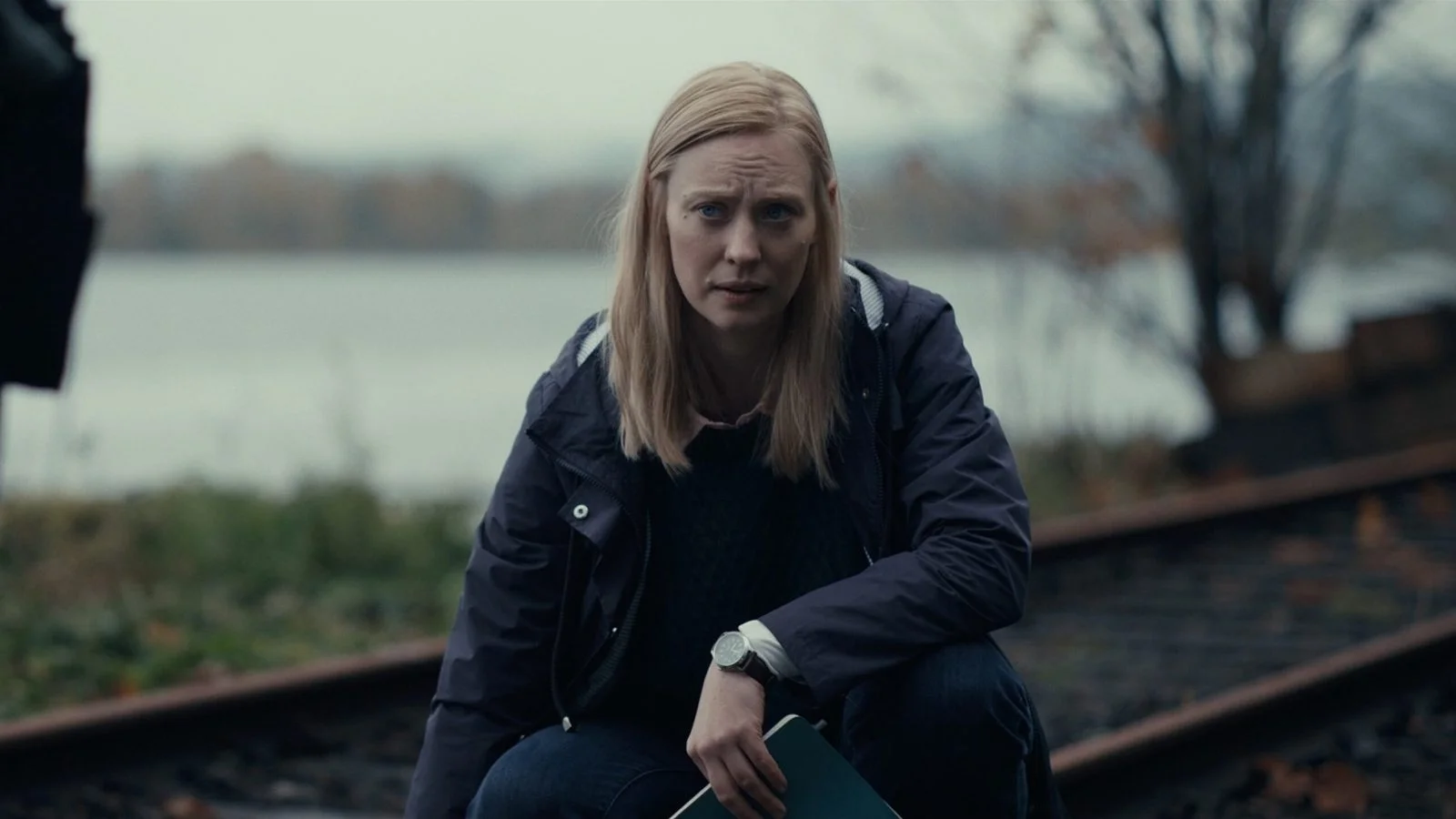
Dr. Meg Garland (Deborah Ann Woll) is a forensic anthropologist called to investigate a disturbing crime scene involving several bodies. The detail that changes everything is the identity of one victim: her father, who disappeared 34 years earlier. Meg has spent her life studying death as a professional subject, yet this discovery turns death into something painfully personal.
That contradiction gives the film its strongest idea. Meg can examine decomposition, injury, and physical evidence with remarkable precision, but she cannot dissect the emotional remains of a childhood shaped by abandonment. I initially expected The Cycle to be primarily interested in the mechanics of its mystery. It is. Then it quietly reveals that the mystery is also about something far messier: the human need to understand the people who hurt us.
Call it forensic grief, the strange condition where someone tries to solve an emotional wound using the tools of investigation. Meg’s profession makes that conflict visible. She searches through evidence because evidence feels safer than memory.
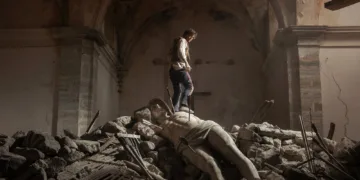
Downey and cinematographer Kevin Stewart build the early sections around that idea. The film carries the atmosphere of a bleak procedural, with cold environments, detailed examinations, and crime scenes that invite comparison to works like Se7en. The imagery of damaged bodies creates an uncomfortable relationship between horror and analysis. The audience looks at the remains alongside Meg, trying to understand what happened.
The danger of this approach is obvious. A forensic investigation can become fascinating in theory while becoming static in practice. Some stretches of The Cycle struggle with that balance. The film spends a long time allowing Meg to follow clues, question possibilities, and eliminate explanations. The patience is deliberate, but the pacing occasionally makes the investigation feel like it is circling the same unanswered question. Then the film reveals what kind of creature it has been hiding.
The transition from crime procedural to monster horror is where The Cycle becomes far more interesting. The shift is not simply a surprise designed to wake up an audience that has been waiting. It changes the meaning of everything that came before. Meg’s scientific worldview has been preparing her to understand death, but she encounters something that challenges the limits of that understanding.
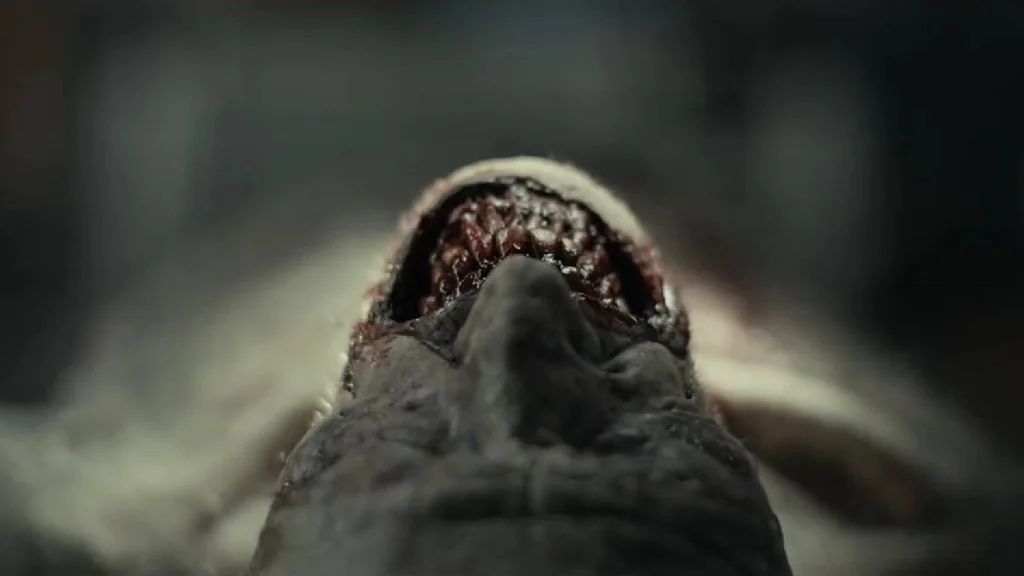
The film’s monster works because Downey treats it as a physical presence rather than a digital obstacle. Patrick Magee’s practical effects create something grotesque, aggressive, and strangely old-fashioned in the best way. There is a satisfaction in watching a creature occupy real space, collide with real environments, and remind viewers that horror can still come from something built by human hands.
The creature design also reveals the film’s larger interest in myths. The Cycle borrows from familiar horror traditions while asking what happens when those legends enter a world of laboratories, police investigations, and modern technology. Humanity has spent centuries trying to explain monsters, yet monsters continue returning because they represent fears that science cannot completely erase.
The family story keeps that supernatural element grounded. Meg’s relationship with her father is the obvious example, but the film repeatedly returns to parents and children. The father-son police partnership between Marks (Jeffrey Donovan) and Ian (Will Hochman) creates a quiet contrast with Meg’s broken relationship. Around every corner, the film finds another version of inheritance: what parents leave behind, what children carry forward, and what people spend years trying to escape.
Deborah Ann Woll understands the complicated nature of Meg better than the script always does. She plays someone who insists she has no emotional connection to her father while constantly revealing the opposite through small changes in expression and behavior. Meg is not searching for a lost relationship. She is searching for the truth about why that relationship never existed.
The film’s weaker moments often come from the same place as its ambition. Some dialogue points too obviously toward its mythology, and some visual choices during action scenes create distance instead of intensity. The shaky camera and obscured framing occasionally feel like barriers between the viewer and the horror unfolding on screen.
Still, The Cycle is fascinating because it refuses to separate its monster from its human tragedy. The creature is terrifying, but the film’s deeper fear comes from absence. A missing father. An unanswered question. A lifetime spent wondering if the truth would have changed anything.
Downey creates a horror film about the limits of knowledge. Meg begins as someone who believes every mystery has a solution waiting to be discovered. The film gradually asks a harder question: what happens when discovering the truth does not repair what was lost?
That uncertainty is where The Cycle finds its power. It is a monster movie built from science, grief, and the uncomfortable realization that some wounds remain visible even after the evidence has been examined.
The Cycle arrives on Shudder on October 23, 2026. The horror film follows an estranged daughter attempting to unravel her father’s dark past after his body is discovered at the scene of a horrific crime thirty-six years after he went missing.
Where to Watch The Cycle (2026) Online
Full Credits
Title: The Cycle
Distributor: Shudder
Release date: October 23, 2026
Director: Jordan Downey
Producers and Executive Producers: Not publicly specified
Cast: Deborah Ann Woll, Jeffrey Donovan, Will Hochman, Jack Doolan, Carl W. Crudup, Jeb Berrier, Gretchen Corbett, David Myers Gregory
The Review
The Cycle
The Cycle turns a forensic investigation into a meditation on grief, family damage, and the limits of human understanding. Deborah Ann Woll anchors the film with a restrained performance, while Jordan Downey’s practical creature work delivers a memorable transformation into full horror territory. The slow procedural setup occasionally tests patience, and some visual choices weaken the action, but the film’s ideas and monstrous payoff make the wait worthwhile.
PROS
- Deborah Ann Woll’s emotionally controlled lead performance
- A thoughtful connection between science, grief, and horror
- Impressive practical creature effects
- Strong family themes beneath the monster story
CONS
- The investigation moves slowly in places
- Some action scenes are obscured by shaky camerawork
- Dialogue occasionally makes the mythology too obvious