










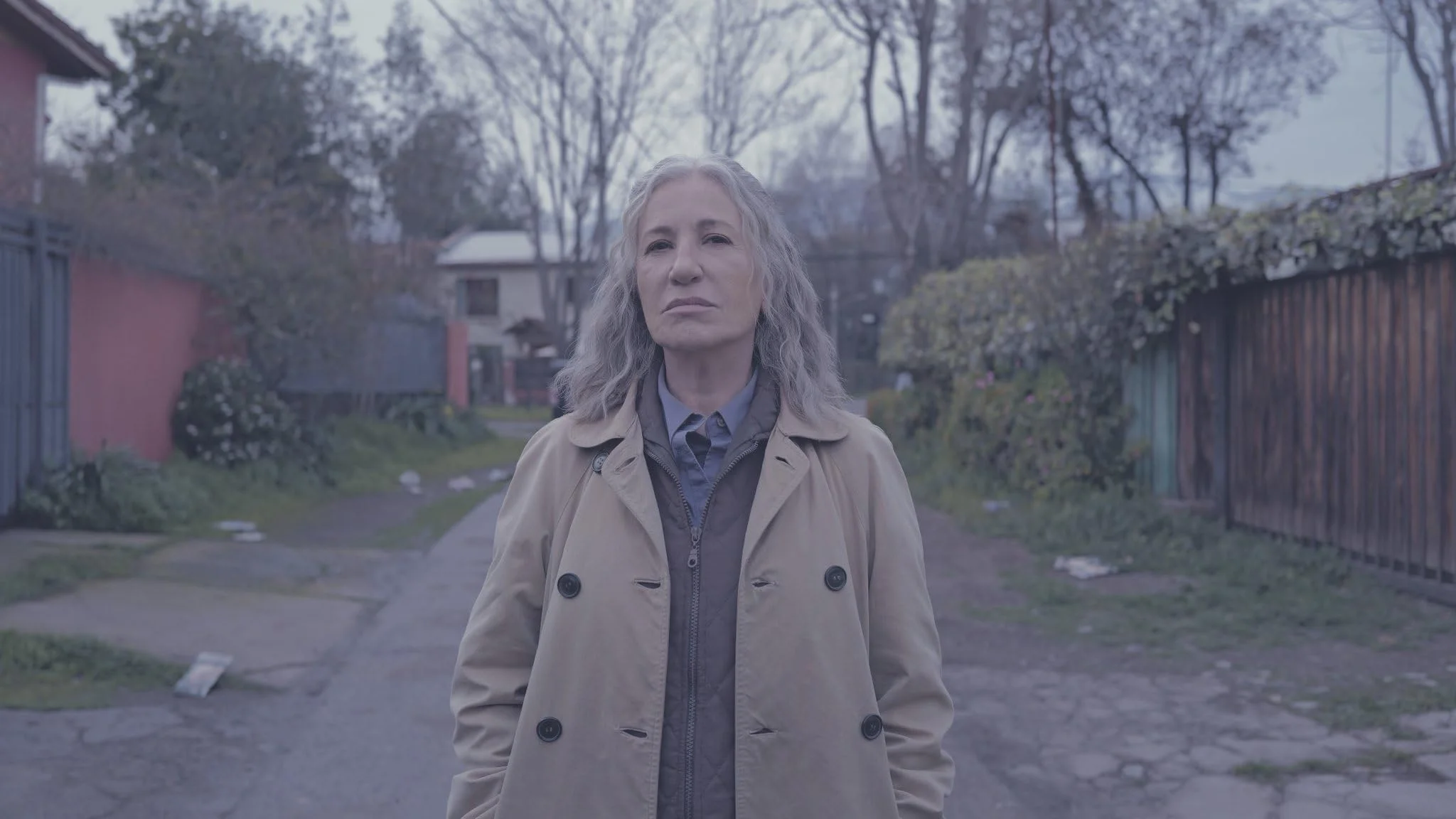

We hear Ema’s mother suffering before the camera draws close enough to show her hospital bed. Pablo Larraín films her from above, moving steadily nearer as she grips her daughter’s hand. Then she dies, and a blurred version of her remains. The sequence lets sound carry the distress across the moment when the image changes. Her voice has already made a claim on Ema’s attention, and death does nothing to quiet it.
That claim follows Ema home. A recently retired doctor who has seen the dead since childhood, she lives with her mother’s ghost and has little patience left for her complaints. Mercedes Morán gives their conversations the tired familiarity of an argument resumed for the hundredth time. I like how little ceremony My Sad Dead grants this arrangement. Ema cannot put her grief at a comfortable distance when its subject is still in the house, asking things of her.
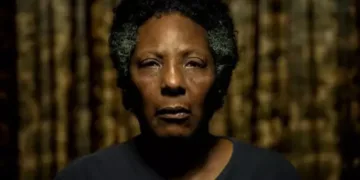
Morán’s restraint keeps Ema from becoming the wise guide a ghost story might usually make of her. She listens to the dead, sometimes helping them settle, yet her sister accuses her of having given the dying greater care than the living. Their tense exchanges make that accusation harder to dismiss. So does Ema’s relationship with her daughter, who resents her refusal to reach a loved one lost years earlier. Seeing a ghost is an ability Ema has learned to manage. Choosing when to use it for someone else is a much messier matter.
Her niece Julie brings that difficulty into sharper focus. Julie can also communicate with the dead, but she has none of Ema’s practiced distance. Her parents arrive seeking psychiatric treatment for her, while Ema recognizes an experience they want contained. The two understand each other in a way the rest of the family cannot, though the series leaves room for Ema’s limits as a protector. Their connection matters because it tests what her years of experience have taught her. She knows how to endure the dead. Julie needs help living among people who fear what she perceives.
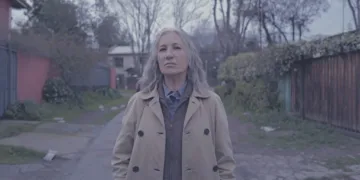
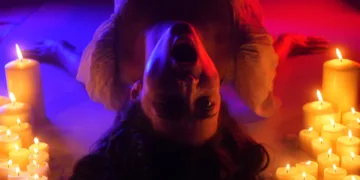
Outside the house, Ema walks through Piedrabuena past housing blocks and the enormous water tank. People killed by violence linger near the places where they died, sometimes repeating their final movements and cries. Larraín’s long takes give those encounters an unsettling amount of ordinary time. The camera stays with Ema as she crosses a neighborhood already crowded with suffering; a ghost can enter her day without the editing announcing a fresh horror set piece. The dead feel like residents whom most people have learned to pass without noticing.
That habit becomes harder to sustain after three girls are murdered and the disturbance spreads. Sound is especially effective in marking the change. Cries that once belonged largely to Ema’s experience begin to trouble the wider community. At neighborhood meetings, residents talk about security and removing people they see as threats. Meanwhile, ambulances avoid the area, and complaints about contaminated water go unanswered. These details give the series’ social anger a place to live. Its question is no longer simply how one woman bears witness to the dead, but what happens when an entire neighborhood can hear distress it has been willing to ignore.
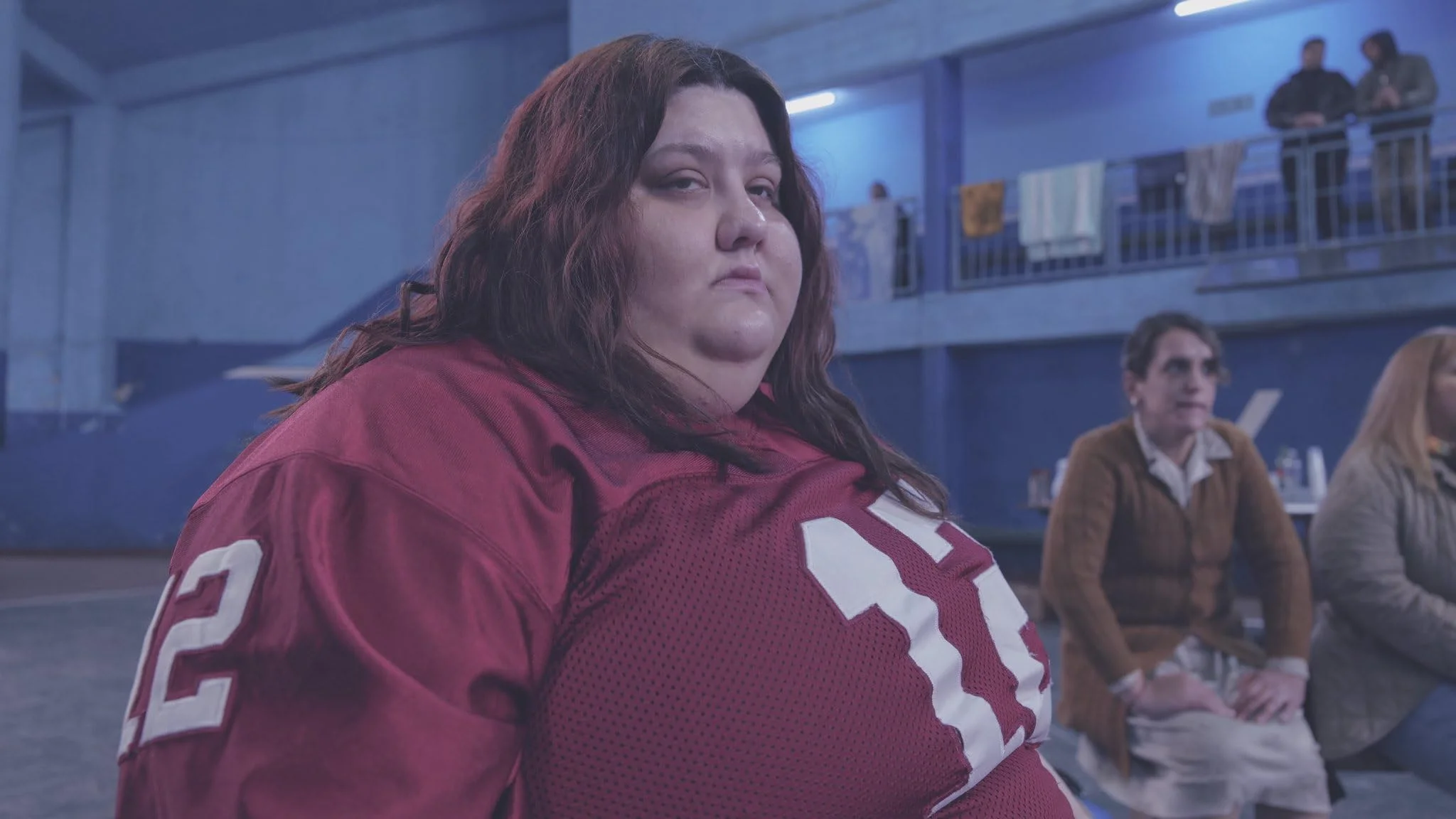
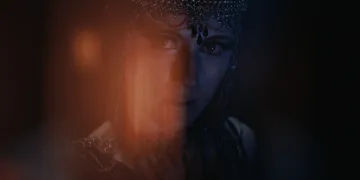
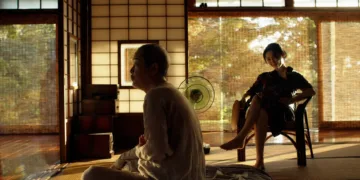
Cinematographer Sergio Armstrong’s pale, grainy images help that change feel gradual. The ghosts are blurred and translucent, yet they occupy the same washed-out streets and rooms as everyone else. There is no crisp visual border telling us when everyday life has yielded to the supernatural. Larraín can hold a walk through Piedrabuena long enough for its buildings, sounds, and passing figures to register together. The technique rewards attention, especially as Ema’s private burden grows into something the streets themselves seem to carry.
The same patience can become a drag. Repeated encounters with her mother establish the persistence of grief, but some return without adding much to their relationship. Several long passages through the neighborhood sustain its atmosphere after their dramatic point is clear. With family conflict, Julie’s troubled visit, and violence in Piedrabuena all competing for space, the four-part series occasionally loses the force of its own shifts in scale. Its loose movement suits a story about presences that refuse to leave; it does not make every repetition equally revealing.
The series’ most consequential change comes when sound stops respecting the boundary of Ema’s experience. Residents who argued for greater security can now hear the suffering around them. Hearing does not make them compassionate; their earlier meetings give us little reason to assume it would. Once the cries reach everyone, Ema’s gift can no longer serve as the neighborhood’s excuse for leaving the listening to her.
My Sad Dead premiered globally on Netflix on September 24, 2026, following its festival debut at the San Sebastián International Film Festival. Adapted from Mariana Enriquez’s short stories, the horror drama follows a retired doctor with the uncanny ability to see ghosts whose life unravels when a wave of restless spirits overtakes a violent Buenos Aires neighborhood.
Where to Watch My Sad Dead Online


Full Credits
Title: My Sad Dead
Distributor: Netflix
Release date: September 24, 2026
Rating: TV-MA
Running time: 45–55 minutes per episode (approx. 187 minutes total)
Director: Pablo Larraín
Writers: Mariana Enriquez, Guillermo Calderón, Anastasia Ayazi, Pablo Larraín
Producers and Executive Producers: Juan de Dios Larraín, Pablo Larraín, Ángela Poblete, Álvaro Cabello, Cristián Donoso
Cast: Mercedes Morán, Dolores Fonzi, Alejandra Flechner, Carolina Sánchez Álvarez, Carlos Portaluppi, Germán de Silva, Luz Jiménez, Carlos Donoso
Director of Photography (Cinematographer): Sergio Armstrong
The Review
My Sad Dead
My Sad Dead makes its ghosts felt through sound, patient camera work, and Mercedes Morán’s weary performance. Its shift from Ema’s private burden to Piedrabuena’s shared disturbance gives the horror a sharper purpose. Repeated encounters and long walks sometimes slow that movement, but Larraín makes listening to the dead feel like a responsibility the living can no longer leave to Ema.
PROS
- Sound design makes the haunting spread.
- Morán gives Ema warmth and difficult edges.
- - The neighborhood gives the ghost story social weight.
CONS
- Some encounters with Ema’s mother repeat their point.
- Long walks occasionally outlast their dramatic purpose.
- - Competing subplots soften the series’ shifts in scale.