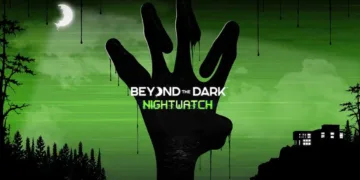









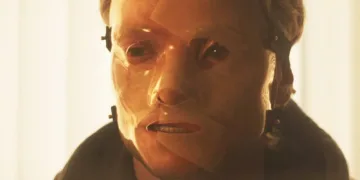















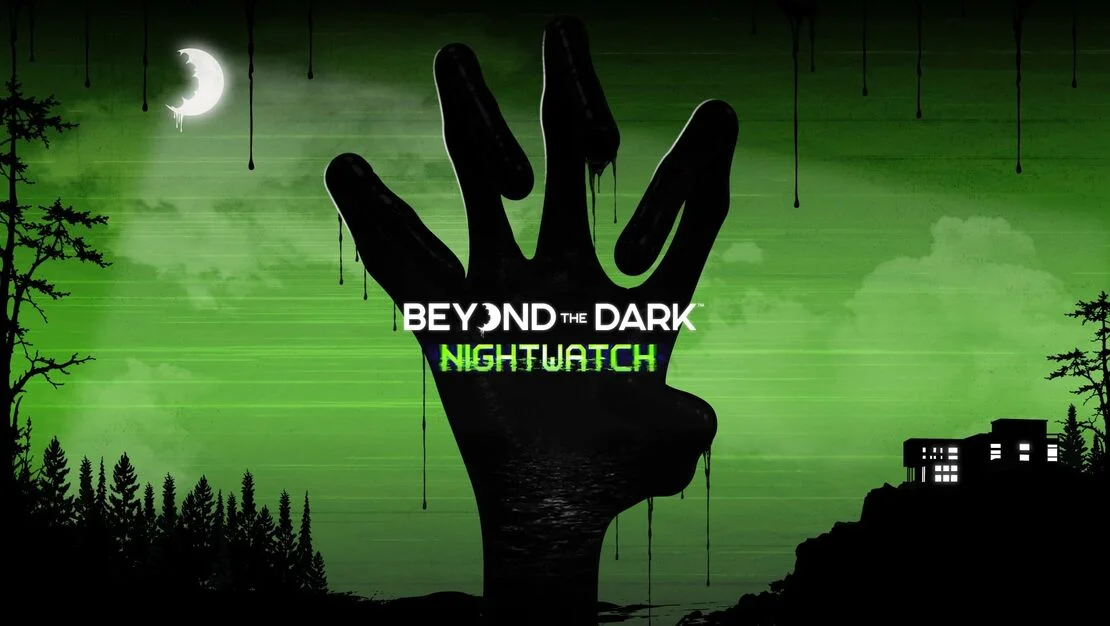

The Explorer in Beyond the Dark: Nightwatch can search a room, pick up an object, and open a door, but the person best placed to judge the danger may be watching another screen. This two-player horror game gives one participant a first-person view inside a mysterious house and puts the other behind its surveillance system. The Overseer tracks the creature Gloam, checks information, and helps direct the search for an escape. Neither role has enough control to operate comfortably alone: the Explorer supplies the hands, while the Overseer supplies a wider, imperfect view.
The relationship becomes especially interesting when the Overseer uses a distraction. Drawing Gloam away can cost a camera feed, permanently reducing surveillance coverage during that attempt. Immediate safety creates a later information problem. The Explorer survives, but their partner has fewer ways to assess the next threat. This is a substantial responsibility for someone whose role could easily have amounted to watching a friend play. Choosing when to intervene means weighing the danger currently visible against the danger that will become harder to see.
Searching the house gives this partnership something to pursue beyond avoiding contact. Its cinema, aquarium, playroom, and service spaces invite investigation, while scattered documents and objects gradually provide information about the place and its inhabitants. The restrained storytelling suits an experience already built around exchanging discoveries. Information has two connected uses: it helps explain the house and helps the pair work through it. There is sufficient curiosity in these rooms to make access to a new area feel valuable, particularly when reaching it has required coordination.
Noise regulates how long the pair can investigate. Running, disturbing objects, or stepping on toys raises a tension meter; fill it and Gloam appears to hunt. The Explorer seeks cover while the Overseer tries to redirect the pursuit. In principle, this gives ordinary movement a tactical cost.
Moving quickly might save time, but careless movement can bring exploration to a halt. The balance becomes troublesome because the threat can return quickly while hiding from it takes several minutes. The pair can spend a disproportionate amount of time waiting for permission to resume the activity that attracted them to the house.
Gloam’s lethality makes the quality of that feedback especially consequential. Contact means immediate death, so players need a usable understanding of what exposes them and what protects them. Being pulled from a closet makes shelter difficult to trust, particularly when cautious movement has already failed to relieve the pressure.
That does not establish that the creature knows everything. It does leave the players struggling to identify a correction they can carry into their next attempt. Gloam getting stuck against scenery creates a separate problem: an unreliable response can interrupt pursuit without teaching either player anything useful about surviving it.
Sound supplies some of the clearest information. Footsteps, growls, and disturbances elsewhere in the house suggest activity beyond the Explorer’s restricted view. Sparse music leaves room to listen, and the score adds pressure when it enters. Darkness strengthens that dependence on hearing and on the Overseer’s directions. Yet the useful uncertainty has limits. When the immediate route becomes too difficult to distinguish, moving through a room turns into fumbling against its geometry. A partner can warn of a distant threat while still being unable to make the floor directly ahead readable.
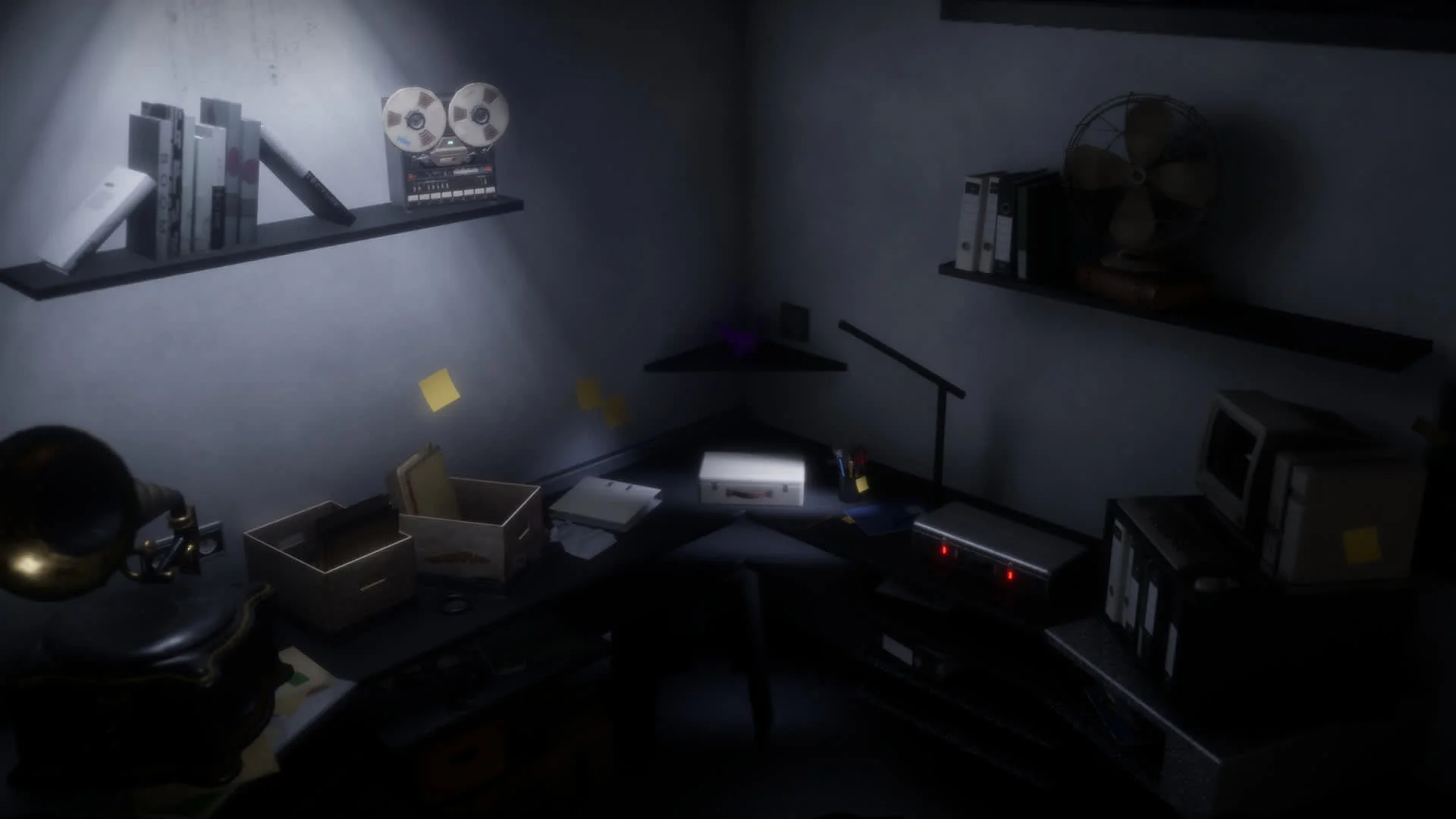
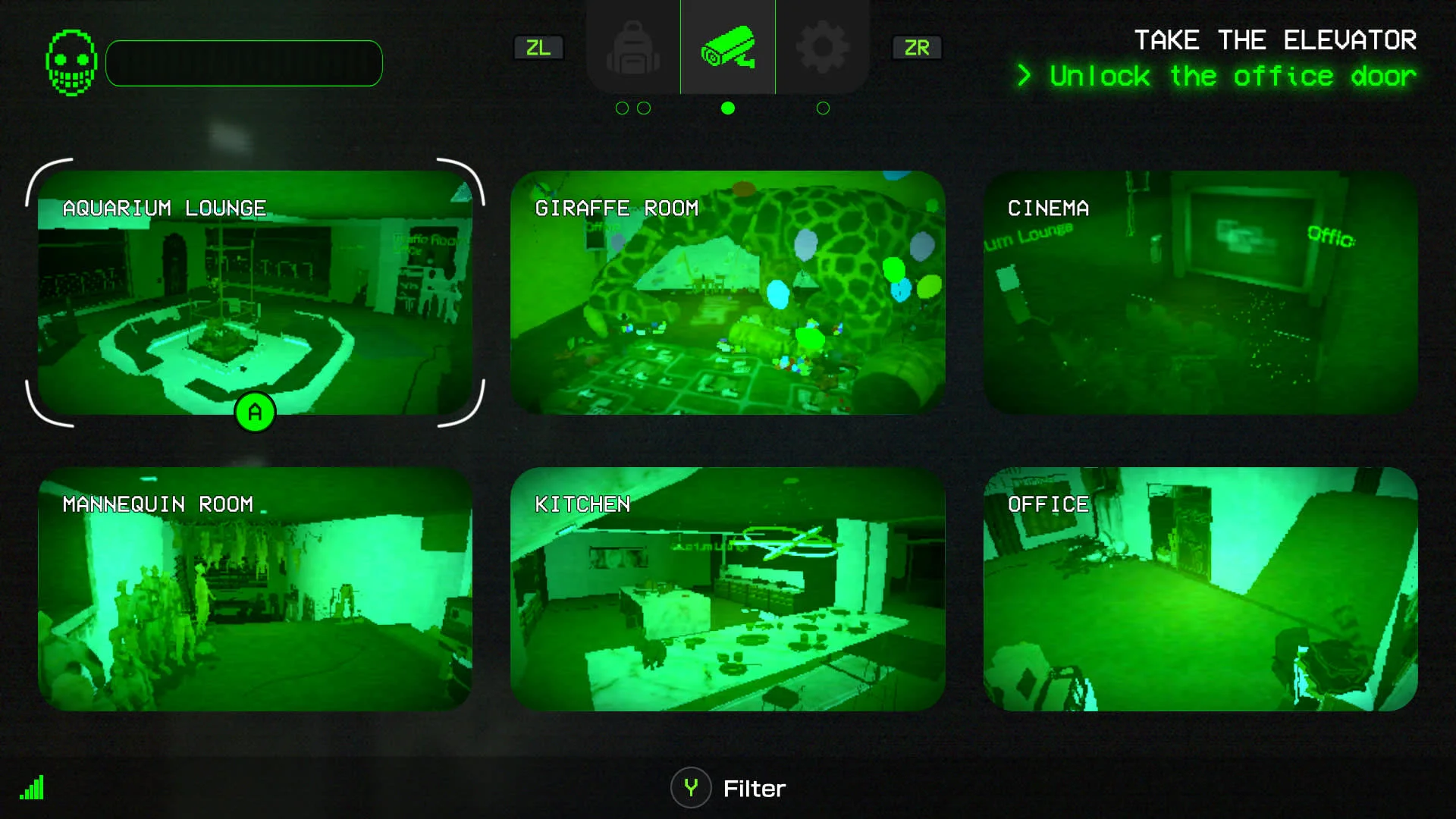
The surveillance presentation introduces friction at the other end of the exchange. Coarse footage, harsh green camera imagery, and the bright blue clue view can make sustained observation uncomfortable. These choices affect the instrument through which the Overseer participates.
A degraded image can make watching for movement tense, but information must remain legible enough to support a timely instruction. Here, both players can be struggling with their respective views at once. Communication cannot reliably compensate for a detail neither screen makes clear.
The harshest consequence arrives after death. An early puzzle asks the pair to find numbered wooden animals, eventually rewarding them with an elevator key and access to another area. That is a satisfying progression from searching to understanding to opening a route. Sparse direction on the new floor can then leave the pair exposed while they work out their next task. If Gloam catches the Explorer, the cost extends backward into work already completed. The new area becomes something they must earn access to again before they can continue learning about it.
Documents and discovered information persist, giving repeated attempts an investigative logic. Players retain knowledge even as substantial practical progress is lost. Familiarity and shortcuts can make later attempts faster, so failure does have value. The difficulty lies in how much repeated activity stands between remembering a solution and reaching an unanswered question. Collecting tools again or performing an understood puzzle may require care, but it offers diminishing opportunities for discovery. The game keeps charging time for knowledge the pair already possesses.
That cost begins accumulating before the rules feel secure. The Overseer has some basic guidance, but the Explorer faces a highly sensitive threat with little protected space to understand its operation. Early deaths therefore combine several uncertainties: the route, the objective, the noise threshold, and the reliability of cover. A demanding opening can establish danger effectively. Here, each uncertain lesson also carries a reset, making it difficult to isolate what went wrong before the pair must repeat the setup.
Friend’s Pass sensibly allows two people to participate with one purchased copy, and GameShare offers another supported sharing route, though two separate consoles remain necessary. Securing a partner is treated reasonably at the point of entry.
Keeping that partner engaged becomes harder once retries dominate the session. After a failed investigation, the Explorer must wake again, activate the Overseer through WB-86, restore the electricity, and repeat familiar tasks. The partner at the cameras is waiting to help solve the next unknown, but both players first have to spend another stretch of their evening recovering the position from which they could investigate it.
The Review
Beyond the Dark: Nightwatch
Beyond the Dark: Nightwatch gives both players meaningful responsibilities, with camera sacrifices turning rescue into a decision that affects later survival. Its noise-sensitive threat and punishing resets weaken that cooperation: too much time goes into waiting, repeating solved tasks, and diagnosing unclear failures. The house rewards curiosity, but reaching its unanswered questions demands patience the retry loop does little to repay.
PROS
- Interdependent roles give both players useful work.
- Camera sacrifices create meaningful tactical costs.
- Environmental sound makes unseen danger tangible.
CONS
- Death requires substantial repetition of completed tasks.
- Threat responses provide unclear survival feedback.
- Sparse guidance makes early learning costly.
- Dark routes and harsh surveillance imagery hinder readability.