
























![Kingdom Hearts Collection [I-III] Review](https://gazettely.com/wp-content/uploads/2026/10/Kingdom-Hearts-Collection-I-III-1-360x180.webp "Kingdom Hearts Collection [I-III] Review: KHII Holds Steady as Newer Entries Fluctuate 40")
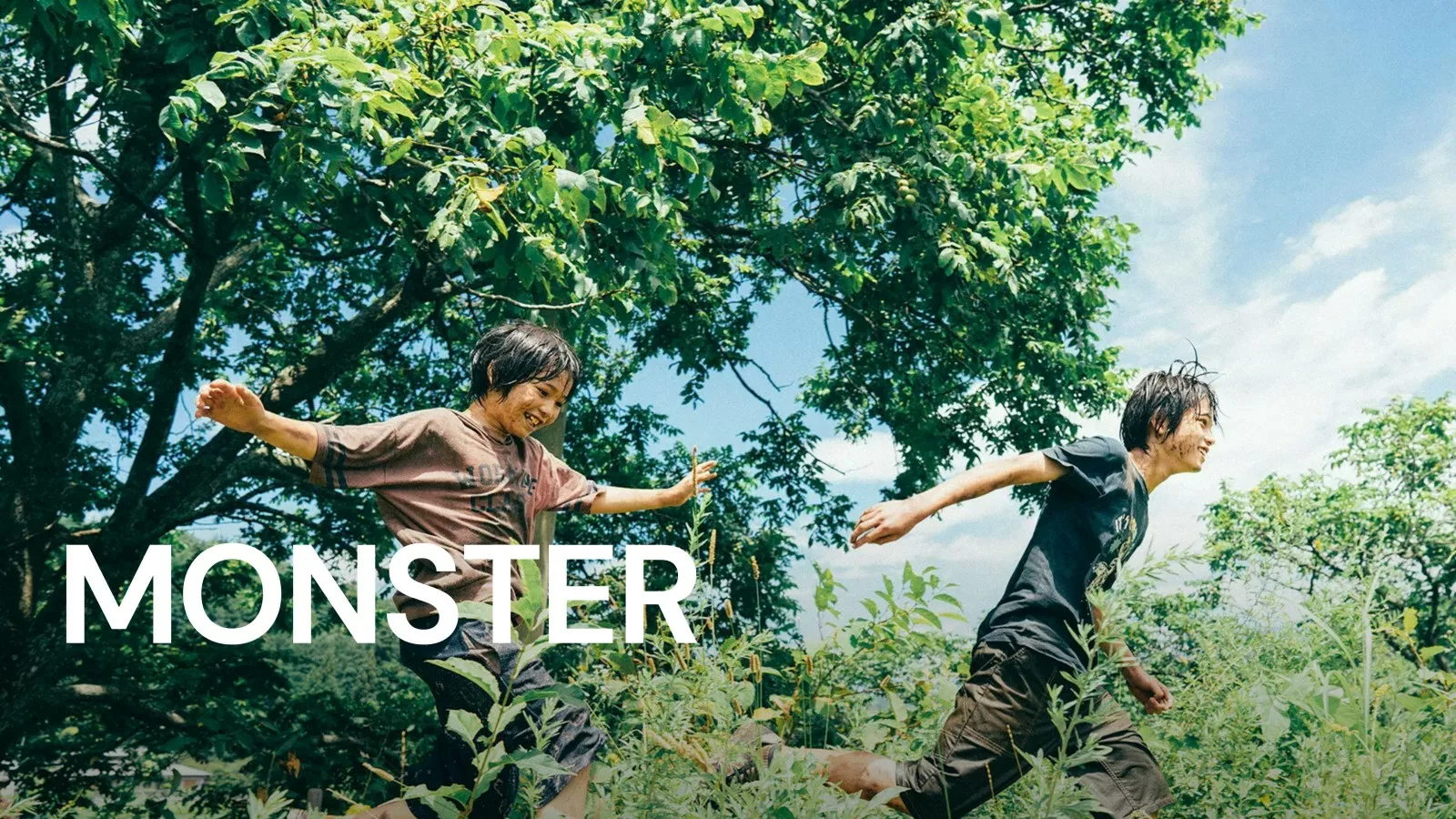

Over his decades-long career, Japanese director Hirokazu Kore-eda has established himself as a master chronicler of the intricacies of human relationships. Known for his naturalistic style and compassionate insight into family bonds, Kore-eda returns with his latest film Monster, centered on a young boy navigating bullying and adolescent awakening. Though the Palme d’Or winner opts for a script not his own this time, Monster bears the hallmarks of Kore-eda’s observational sensibilities.
The film follows young Minato, whose behavioral issues concern his widowed mother Saori. When Minato accuses a teacher of abuse, Saori reckons with indifferent school authorities. Yet the story complicates as it loops back, recounting events from other perspectives, ultimately revealing truths about societal judgments and youthful connection.
At its core, Monster examines the gap between our exterior presentations and interior lives. Kore-eda and scriptwriter Yuji Sakamoto intriguingly reshape the narrative to uncover how we misinterpret one another, failing to grasp each other’s full humanity. Their structural innovations mirror their thematic interests, as the various retellings mirror the characters’ inability to fully know others’ experiences.
Bolstered by ryūichi sakamoto’s mournful score and striking images from cinematographer Ryuto Kondo, Monster assembles its fractured timeline into a resonant mosaic. As the film toggles between viewpoints, Kore-eda foregrounds the loneliness and power dynamics that shape its community. Monster thus continues the director’s deft examinations of family and memory seen in films like Nobody Knows and Still Walking. Though its sentimentality occasionally overwhelms, Monster remains an affecting portrait of lives that evade easy judgment. Crafted with Kore-eda’s customary empathy, the drama explores how we are all, in many ways, unknowable to one another.
Untangling a Web of Truths
Monster employs an intricate narrative structure, retelling its central story from shifting angles to illuminate the partial truths that shape its community. Initially, the film follows Saori, a devoted single mother struggling to understand her son Minato’s withdrawn and occasionally violent behavior. When Minato levels accusations of abuse against his teacher Mr. Hori, Saori attempts to hold the school accountable. Yet she slams against a wall of bureaucratic obfuscation from the cold, inscrutable principal and staff.
Kore-eda carefully fosters an aura of mystery and menace around the primal scene of the alleged abuse, suggesting a traumatic break between Minato’s interior reality and the world’s perception of him. However, the second section reruns these events from teacher Hori’s perspective, unsettling our initial assumptions. We learn Minato has fabricated details, while Hori harbors regrets over failures to nurture vulnerable students like Minato’s friend Yori.
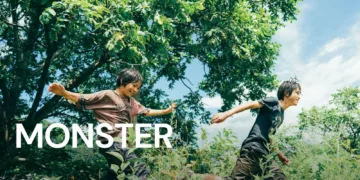
Finally, the last act reveals the bond between the sensitive Minato and creative, bullied Yori. In lyrical reveries, the boys escape to a secret hideaway in the woods, a realm where they are free to explore their nascent desires. But the pressures of adolescent masculinity and intra-community hostility rupture their haven. Minato’s alienation stems not merely from perceived victimhood, but profound dislocation between his sense of self and society’s strictures.
As it spirals backward in time, Monster thus elucidates the partial truths, miscommunications, and projections ensnaring its characters in an oppressive web. Kore-eda and Sakamoto pointedly blur the lines between victim, victimizer, and bystanders through this fractured timeline. Their structure itself reflects on our inability to fully perceive others’ realities when blinded by our biases and belliefs. Yet Monster retains faith that, just as the audience gains clarity by experiencing the various tellings, open communication and empathy can transcend these divides.
Crafting an Affecting Tapestry
On a technical level, Monster displays Kore-eda’s honed talents for resonant imagery, deliberate editing, and harmonious integration of elements. Cinematographer Ryūto Kondō lenses the drama with nuance, composing frames that visually communicate both the ties binding the characters and the gulfs keeping them apart. Tight over-the-shoulder shots of combative conversations convey the claustrophobia of navigating fraught relationships and societal pressures. Meanwhile, recurring shots framed through windows and fences hint at the barriers preventing connection.
These visual motifs synergize beautifully with Kore-eda’s fractured timeline and editing schema. He patiently draws out scenes to allow the awkward pauses and unspoken tensions to hang over interactions. At the same time, his cross-cutting is judiciously timed to align actions across the three narrative strands, suggesting invisible strings that link moments viewers previously interpreted quite differently. For instance, a shot of Saori doing laundry for the school neatly parallels a later revelation about her son’s mistreatment by classmates. Kore-eda excels at imparting the feeling of revelations clicking into place.
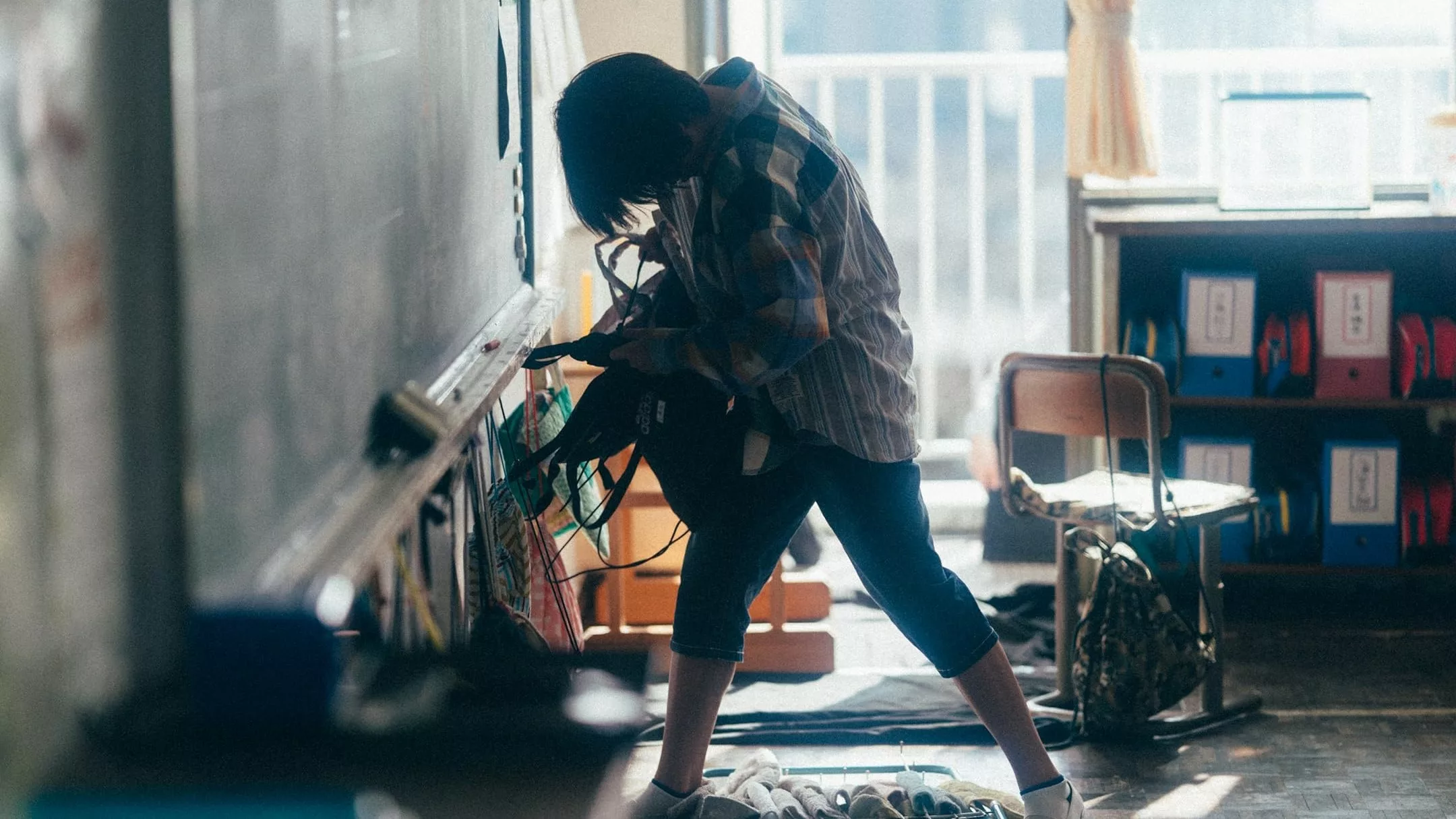
Monster also showcases Kore-eda’s gifts with actors, especially child performers. As Minato, Soya Kurokawa movingly conveys ineffable sadness and simmering anger without resorting to showy outbursts. Meanwhile, Hinata Hiiragi brings sprightly creativity to the role of Yori, grounding the film during its dip into preciousness. Their chemistry with one another and Sakura Ando as Saori lends the family drama genuine emotional stakes.
Finally, the late musician Ryūichi Sakamoto enriches the mood with his compositions for strings and piano. There is a crystalline fragility to his work here, capturing the vulnerability of the characters struggling to articulate their interior lives. As Monster investigates communication’s hardships, Sakamoto’s score meaningfully underscores both what goes unsaid and the hope of transcending silence. Altogether, the supple synergy of craft displayed in Monster marks it as a fully realized, affecting work of Kore-eda’s artistry.
Exploring Human Complexity with Compassion
At its core, Monster is a thematically rich meditation on the vagaries of truth, the universality of loneliness, and the need for compassion. By structuring his drama around the limitations of individual perspectives, Kore-eda thoughtfully examines how our inability to fully know one another breeds misjudgments and dysfunction. And yet, while maintaining a critical stance towards various failures of empathy and justice, the film extends understanding towards even seemingly reprehensible acts.
Most overtly, Monster dissects the culture of shame, accusation, and self-preservation governing its provincial school. Administrators downplay controversies to shield the institution, while bullies target gender-deviant classmates as proxies to reinforce their own insecure identities, emotionally abandoning victims in their care. The system’s prioritization of surface images over human care especially fail nonconforming youth like Yori and Minato.

Kore-eda incisively links these small-scale institutional harms to larger societal patterns of Othering. The alienation and secretiveness fostering Minato’s anguish speak to near-universal adolescent fears of judgment when exploring one’s emerging identity. As prejudices poison bonds between teacher and student, parent and child, Monster suggests such relatable communication breakdowns merely manifest at an accelerated pace in this setting.
Ultimately, Kore-eda advocates for the restorative power of radical empathy as the only solution, embodied in the film’s redistribution of narrative power to illuminate different vantages. Amongst the misunderstandings and projections causing collective suffering, he uncovers the latent care and vulnerability binding his characters beneath their defensive postures. Like the boys playing in the woods, Monster locates, amidst the messiness of lives filtered through limited views, glimmers of our shared fallibility and redeemability.
Stylistically and thematically, Kore-eda reaffirms his humanist conviction that judgment forecloses, rather than opens, understanding between people. Through patiently unraveling the knots of half-truths ensnaring its community, Monster models a methodology rooted in compassion over condemnation when faced with life’s inherent complexities.
Fostering Societal Empathy
At a time when factionalism and distrust seem endemic, Monster’s thoughtful portrayal of universal human fallibility feels especially urgent. By intricately disentangling the misconceptions governing its characters’ conflicts, Kore-eda and Sakamoto model a methodology of engagement centered in empathetic listening over reactionary judgement. Beyond providing catharsis, the film compellingly advocates for suspending assumptions, communicating openly even through discomfort, and meeting one another’s vulnerability with care.
Specifically, Monster confronts failures at both systematic and interpersonal levels to protect difference and nurture pluralistic belonging. While avoiding polemics, its illustration of marginalized children’s hidden suffering clearly indicts the standardized policies and conformity enforcing the school’s culture. Moreover, through characters like Hori, branded an abuser when grappling sincerely with his own doubts and insecurities, the film cautions against the human tendency to misdirect frustration at vulnerable scapegoats.
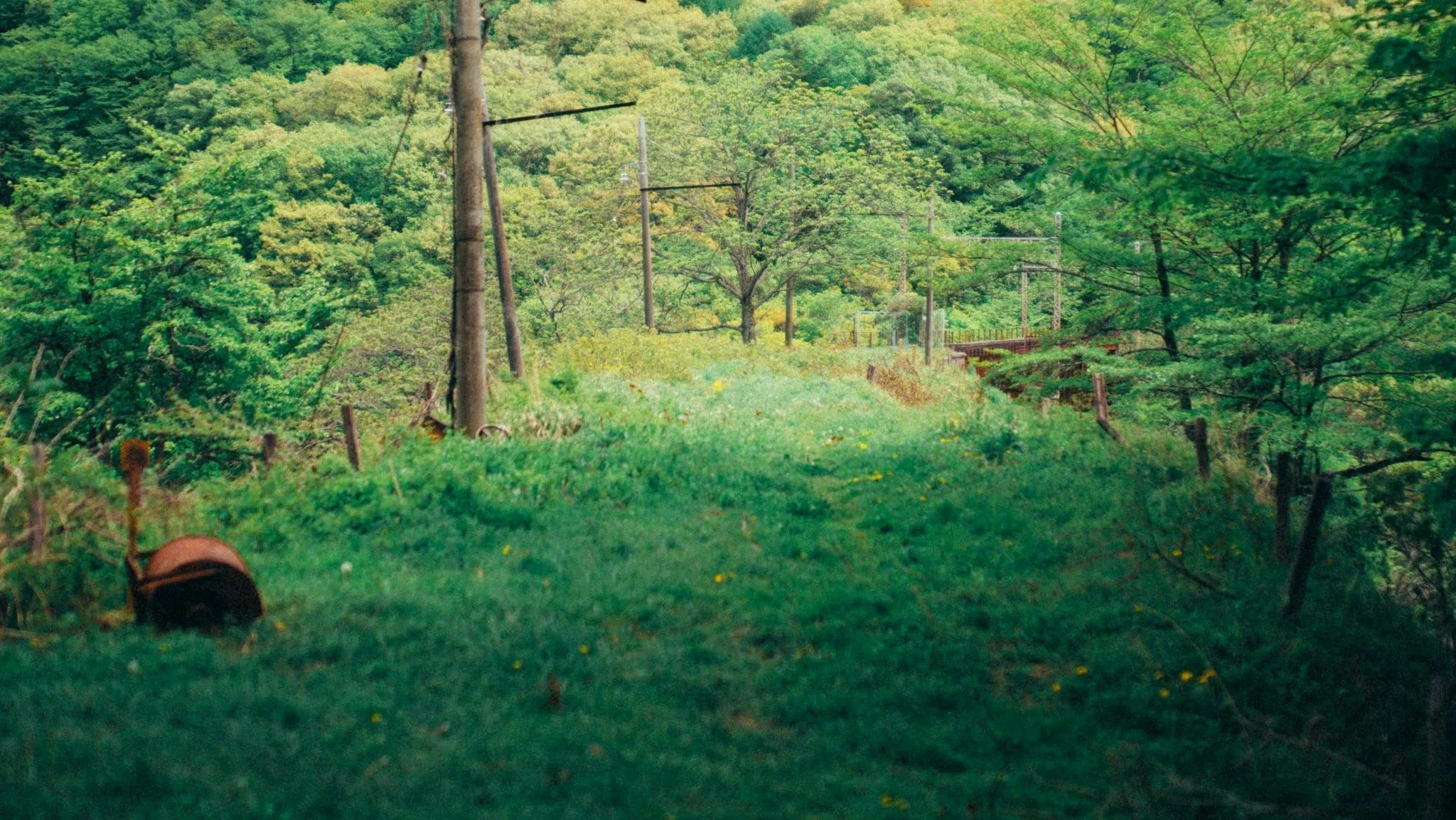
Ultimately, Monster movingly roots for reconciliation and mutual understanding. Kore-eda privileges humanity’s common yearning for shelter from fear and incomprehension. His child protagonists discover brief sanctuary not through further withdrawal, but laying their truth bare to one another in a realm apart from societal pressures.
The film thus adds Kore-eda’s compassionate voice to calls for embracing diversity’s complexity, leading with generosity, and not rushing to assign fixed identities when appraising situations involving harm. Rather than fueling further divisions, Kore-eda asks us to make space for nuance, contradiction, and peacemaking in how we coexist despite difference and injury’s inevitability.
Accolades on the Horizon?
Given Kore-eda’s decorated status as a Cannes favorite—including a Best Screenplay honor for this very film—and reputation for eliciting strong performances, Monster seems primed to amplify its positive festival buzz during looming awards season. As a crowdpleasing work from an internationally revered auteur tackling resonant themes, it should attract voter attention as its late-year theatrical run gets underway.
Specifically, Monster seems an apt contender across technical categories, thanks especially to ryūichi sakamoto’s elegiac compositions earning additional poignancy as the late icon’s swan song. A Best Original Score nomination appears highly plausible. The two exceptional child actors, soya kurokawa and Hinata Hiiragi, also stand as breakouts who could attract blue-ribbon notice a la Shoplifters’ star Sakura Ando. More broadly, Monster’s compassionate call for societal empathy may connect with the moment’s progressive mood.

Yet Monster faces challenges reaching the year-end podiums given 2022’s competitive international field. While another Palme d’Or could happen, pundits suggest it falls slightly below Shoplifters’ masterful heights. And South Korea’s Decision to Leave likely remains the foreign film frontrunner for major American awards. But Monster’s sensitive themes allow it to transcend subtitles, as Shoplifters proved. Four years later, don’t be surprised if Kore-eda’s latest again cracks the final five when Oscar nominations emerge. If so, we can celebrate Monster further bolstering the visionary Japanese auteur’s stateside renown.
Expanding a Compassionate Canvas
As evidenced by critical darling Shoplifters, Hirokazu Kore-eda has honed a unique style blending neorealist immediacy with delicate humanism to portray marginalized lives. Monster extends his abiding interests in fractured families, memory’s shaping force, and societal barriers to understanding. Yet while this acclaimed director’s trademark compassion and eye for quotidian beauty persist, his newest work also displays expanding technical and thematic ambition.
Visually, Monster finds Kore-eda favoring a cooler color palette and more stylized compositions than earlier kitchen sink dramas like Nobody Knows, befitting its air of mystery. Smoothly maneuvering between viewpoints, he intercuts scenes with a precision that accents resonances and ironies hidden on first glance. His engaging editing conversations and layered motifs display a storyteller increasingly embracing form’s capacity to evoke theme. Like his characters, Kore-eda challenges audiences to shift perspective for deeper truths.
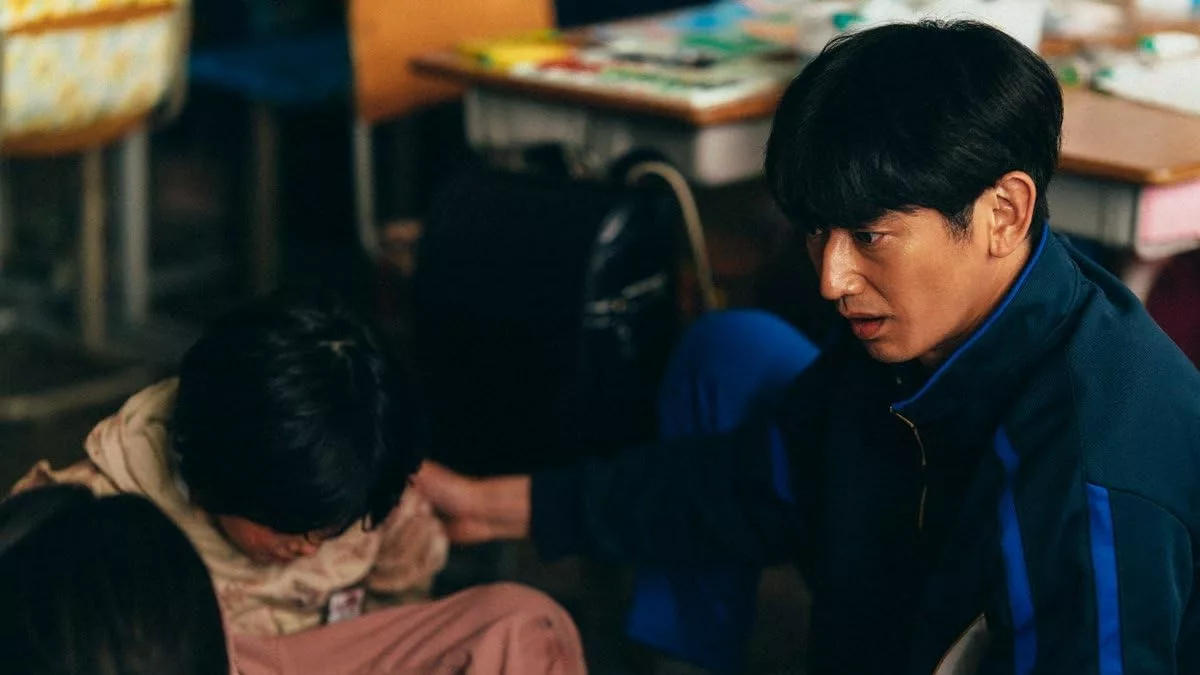
Thematically, Monster unveils new facets of Kore-eda’s insights into humanism’s light and shadow by scrutinizing the group dynamics undergirding systemic cruelty. More explicitly than in many past films, he indicts institutions and bias here for perverting communal bonds. While retaining empathy, Kore-eda sharpens his social commentary to match a global moment dominated by polarization.
And yet, despite these expansions, Monster’s compassionate spirit remains familiar, tracing how alienation breeds anguish and only courageous vulnerability enables healing. As Kore-eda embraces innovative structures, he has not abandoned the gentle profundity at his cinema’s core. His latest reinvention suggests much still lies ahead from this virtuosic explorer into life’s overlooked grace notes. Monster proves Kore-eda’s sensibilities stay as vital as ever while continuing to evolve.
An Affecting Mosaic of Understanding
With his latest drama Monster, Japanese cinema icon Hirokazu Kore-eda offers another perceptively humane work examining difficult truths of human connection. Though initially introducing a provocative mystery around a child’s emotional disturbances, the film transcends facile trappings of issue-driven melodrama through its structurally inventive, multiperspective narrative. As Monster loops back to rearrange events from varied, limited standpoints into a fractured mosaic, Kore-eda thoughtfully explores barriers to mutual understanding pervading societal and interpersonal realms.
Enabled by scriptwriter Yuji Sakamoto’s cubist foundation, Monster investigates its community with an empathetic gaze that resists easy judgments. By shifting viewpoint from mother to teacher to child, Kore-eda underscores the loneliness and misconceptions fostering alienation, from systemic bullying to adolescent awakening’s hidden turmoil. Free of moralizing, he insightfully links interpersonal failures to broader social forces which incentivize self-interest over vulnerable engagement with difference. Eventually, glimmers of sanctuary emerge through courageous connection in realms removed from constricting pressures.
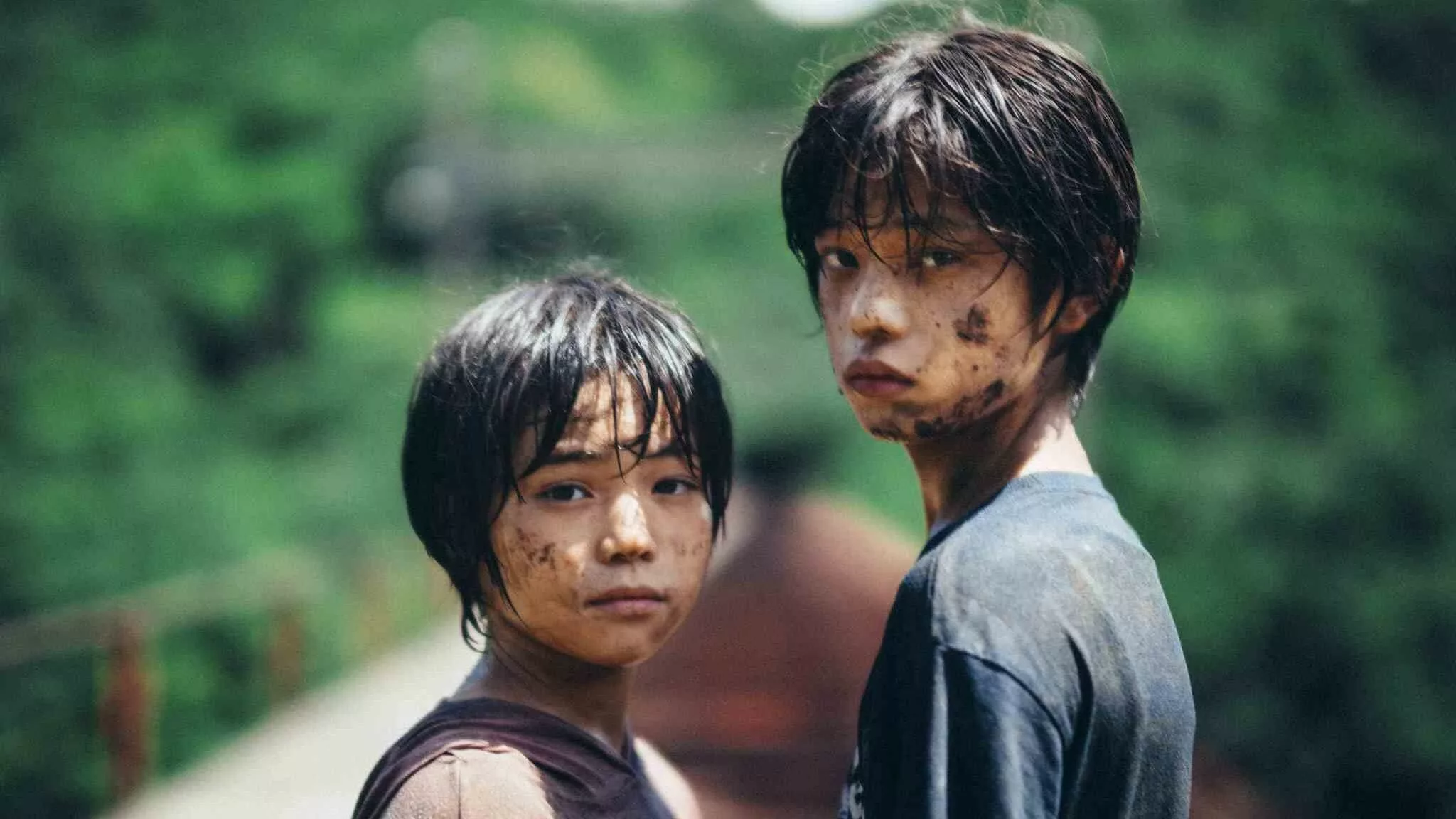
With supple editing, arresting imagistic motifs, and heartrending performances, particularly from child actors Soya Kurokawa and Hinata Hiiragi, Monster integrates cinematic form and content to meaningfully immerse viewers in partial glimpses gradually cohering into deeper understanding. Both visually and thematically, the film’s fragmented structure mirrors the way we all grasp our lives through limited, subjective stories vulnerable to misreading. Like his calmly observing camera, Kore-eda models a radical openness to life’s inherent messiness.
Refining his stylistic palette while reaffirming humanistic convictions, Monster demonstrates Kore-eda remains at the height of his profound powers. With poetic grace, this modern master charts the resonance between our shared vulnerability and the humility enabling communion across seemingly unbridgeable gulfs. Kore-eda once more tenderly advocates that if we shed hardened assumptions and truly witness one another’s full complexity, recasting difference as diversity, a more compassionate world feels within reach.
The Review
Monster
Through its kaleidoscopic narrative and compassionate insight, Monster marks another triumph for Kore-eda’s profound humanism. Skillfully assembling a mosaic of misunderstanding into deeper truth, the drama insightfully probes systemic and interpersonal barriers to connection, while locating hope in radical empathy. Though its sentimentality occasionally rings false, Monster remains an affecting portrait of the loneliness, judgment, and fragility binding us all. With supple craft and resonant themes, Kore-eda reaffirms cinema’s power to illuminate hidden human depths.
PROS
- Strong thematic depth exploring truth and understanding
- Unique nonlinear structure reexamines events
- Powerful acting, especially from child performers
- Resonant score by Ryuichi Sakamoto
- Kore-eda's signature compassionate humanism
CONS
- Plot structure causes some repetitive moments
- Occasional indulgence in sentimentality
- Less cohesive than classic Kore-eda dramas
- Lacks palpable dramatic stakes at times