




























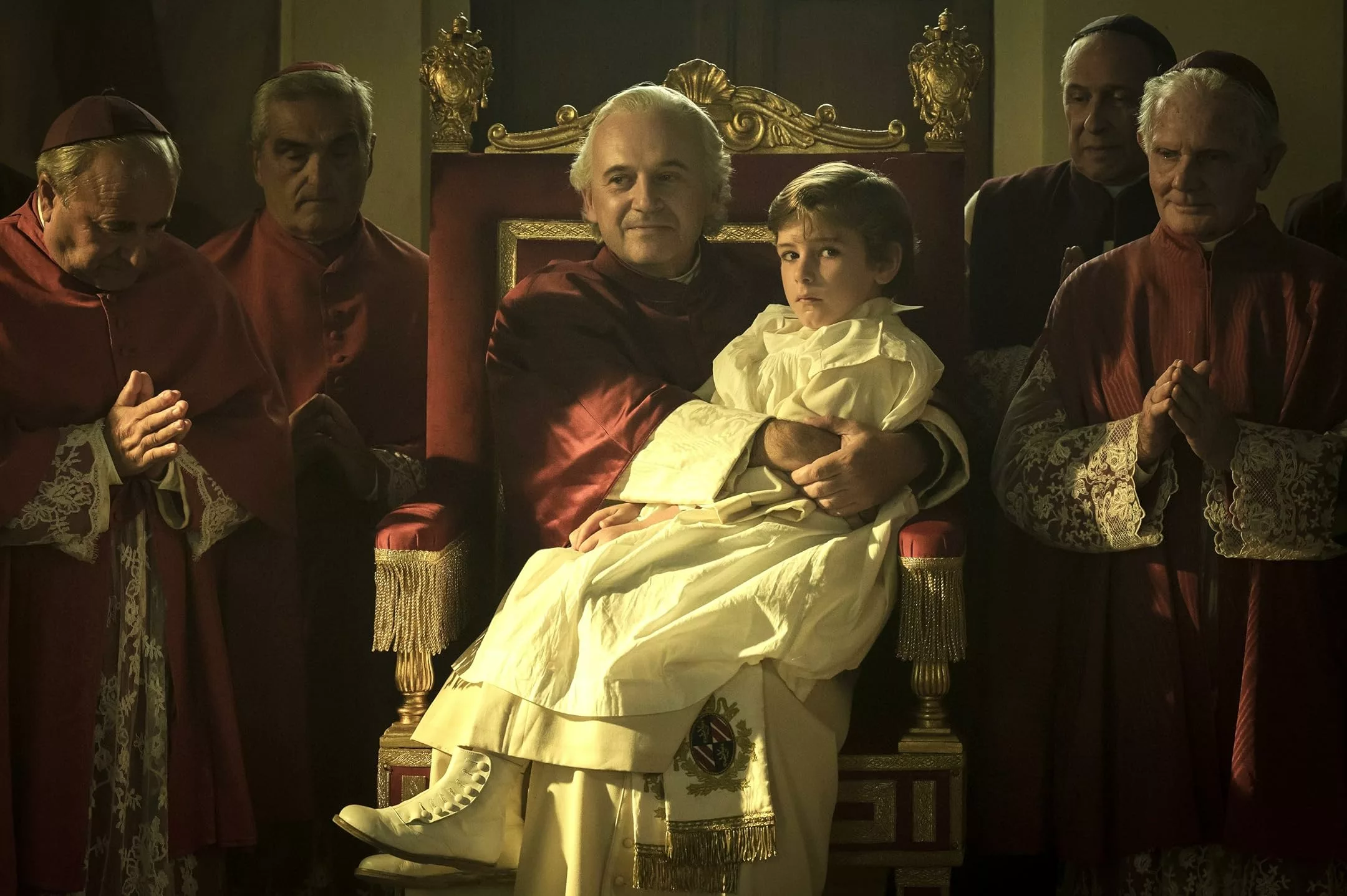

In 1858, a six-year-old boy named Edgardo Mortara was taken from his home in Bologna by order of the Pope. Edgardo’s family were Jewish, but years earlier a Catholic servant caring for him had secretly baptized the ill child, fearing for his soul. According to canon law of the time, this meant Edgardo could no longer live with his original family. Against furious protests, church authorities had him ripped away and raised as a Catholic instead.
Marco Bellocchio’s compelling new film Kidnapped tells this little-known true story from history. Bellocchio is one of Italy’s most respected filmmakers, known for tackling complex issues with fervor. Here he shines a light on the unimaginable injustice and heartbreak the Mortara family endured.
Young Enea Sala is brilliant as the terrified boy torn from all he knows. As Edgardo grows up played by Leonardo Maltese, we see the confusion and identity crisis that would result from such an act.
Bellocchio directs with passion, drawing us deeply into this personal drama with historical implications. He ensures we feel the parents’ agony through Fausto Russo Alesi and Barbara Ronchi’s raw portrayals. At the same time, the lush production brings 19th century Italy alive. Through powerful performances and Bellocchio’s emotive lens, Kidnapped breathes empathy into a long-ago abuse of power and raises important questions about religious freedom that still resonate.
The Mortara Affair on Screen
Bellocchio’s film recounts a dramatic true story that stirred major controversy in the 1850s. It centers on Edgardo Mortara, a young boy living happily in Bologna with his Jewish family. One day, the local authorities arrive with shocking news – six years prior, when Edgardo was an infant, the family’s Catholic housekeeper had secretly baptized him during an illness, against his parent’s wishes.
Citing this, the Catholic Church declared they had a right to raise Edgardo in their faith. Despite desperate pleas, they forcibly took the sobbing six-year-old from the only home and faith he had ever known.
Edgardo was brought to Rome and placed in a school for boys, meant to fully Christianize him. His family fought tirelessly to regain custody through the press and courts. Meanwhile, Edgardo struggled with his new indoctrination, unsure of his own beliefs and identity. This case touched off a major crisis, with protests from Jewish communities worldwide.
It highlighted religious tensions that were growing amid the unification movement challenging the temporal power of the Pope throughout Italy. Anti-Semitism was also rising, and some saw Edgardo’s loss as an attempt to diminish the Jewish community in Bologna.
Bellocchio works hard to faithfully depict these key events and historical issues. He captures the anguish of Edgardo’s family and their battle for justice. Scenes within the Catholic school effectively convey Edgardo’s disorientation and isolated upbringing.
The film also paints a vivid picture of the powerful, calculating figure of Pope Pius IX and his determination to assert authority over religious matters. While some dramatization was needed to tell this long ago story, overall Kidnapped provides solid insight into the controversial real-life case that still resonates due to issues of personal freedom and the abuse of power.
The Power of Bellocchio’s Craft
Marco Bellocchio brings his full arsenal of cinematic talents to Kidnapped. From the first frames, you notice the director’s vigorous style enhances every aspect of the story. Bellocchio surrounds the film with a lush visual atmosphere and score that immerse you in the drama.

Cinematographer Francesco Di Giacomo works closely with Bellocchio to craft vivid scenes. He coats the film in shadow and contrast, drawing you into the Mortaras’ distressed world. Even joyous family moments carry an undercurrent of looming danger. Di Giacomo also knows when to pull back, letting the actors’ faces speak volumes during tense exchanges.
The film truly soars, though, thanks to Fabio Massimo Capogrosso’s pulsating musical work. His sweeping compositions amplify each moment of friction between the Mortaras and the church. As the family’s desperation intensifies, Capogrosso’s score follows suit with stirring strings and driving rhythms. He builds crushing tension during the kidnapping itself, the music nearly cracking under the pressure.
Bellocchio injects his signature flare throughout as well. Scenes of religious figures scattering frantically offer brief stylistic detours, yet fit the director’s sardonic wit. His directorial choices stay dynamic, whether lingering on an intimate two-shot or sweeping wide for dramatic vistas. But Bellocchio knows where the true power resides – with his actors and their faces, which he films like a maestro conducting an orchestra of emotions.
Together, Bellocchio’s craftsmen create a fully immersive experience that enlarges the story’s impact. Through their spirited camerawork, music, and direction, a tragic historical drama is transformed into a visceral emotional journey. The family’s plight resonates far beyond mere facts on the screen. Their turmoil vibrates through you due to the richness of Bellocchio’s vision.
Stories of Cinematic Strength
Boy, does Kidnapped ever feature some incredible performances. Right off the bat, you cannot help but be struck by young Enea Sala in the role of Edgardo. This kid brings such life and charm to the character in the opening scenes, so you truly feel his parents’ panic when officials suddenly take him away.
And talk about having to carry serious dramatic weight for someone so young – Enea nails every heartbreaking moment. Then later, Leonardo Maltese takes over as the older Edgardo, and the emotion he brings is incredibly moving. You really feel the turmoil within as this character is torn between two worlds.
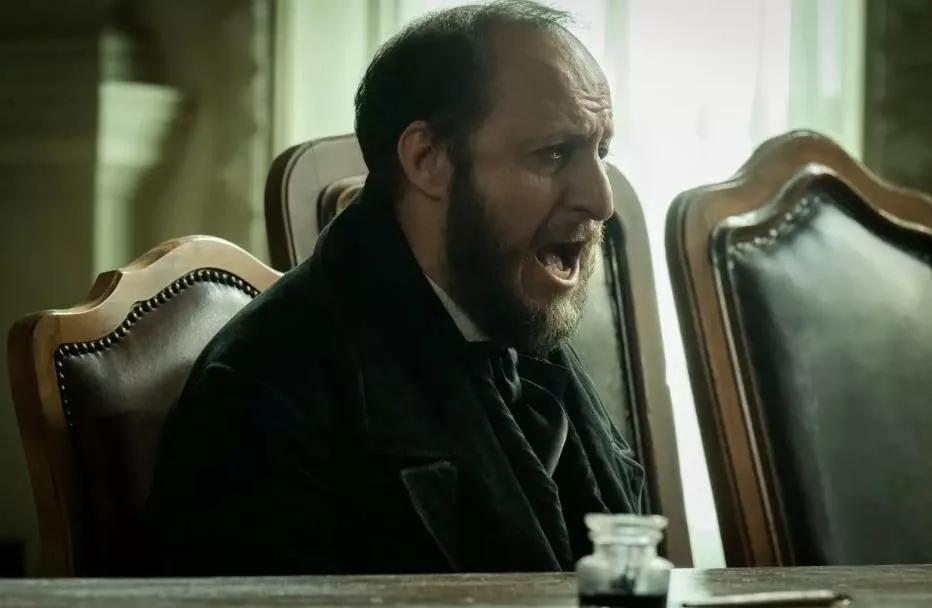
As Edgardo’s father Momolo, Fausto Russo Alesi is a force. He pours so much fierce passion into fighting for his son, from passionate speeches to raw moments of despair. And what’s remarkable is how Alesi ensures you understand both the character’s strength and vulnerability. Barbara Ronchi too, as Edgardo’s mother Marianna, leaves an impression. Beyond showcasing maternal love, she effectively conveys a mother’s powerlessness in the face of such injustice. Both leads make you feel every ounce of their anguish.
Then there’s Paolo Pierobon in the role of Pope Pius IX. Now that is one unsettling performance. With his cold eyes and subtle manipulations, Pierobon crafts a figure that is by turns sinister, pompous and cunning. Even in his few scenes, the actor shakes you to the core with his charismatic yet disturbing presence. You really believe in his character’s belief in his own righteousness, even as everything he does seems wrong.
It’s performances like these that can truly bring a historical story to life. The whole cast immerses you in the emotional turmoil of this tragedy. But especially the work of Sala, Maltese, Alesi, Ronchi and Pierobon – their sensitive and powerful portrayals are what lingers with you after Kidnapped concludes. They navigate their complex characters with remarkable nuance, keeping you riveted all the while. It’s safe to say director Bellocchio found one hell of a talented group to bring this significant story to the screen.
Reflections of a Tragic Time
Kidnapped takes us back to 1858 Italy and addresses some weighty themes that remain highly relevant today. Firstly, it shines a light on religious freedom and the overreach of the Catholic Church. We witness how they wield their power and ecclesiastical laws to essentially kidnap Edgardo and cut him off from his Jewish family and heritage. Bellocchio doesn’t shy away from portraying the Church’s tyrannical actions and the anti-Semitism driving them.
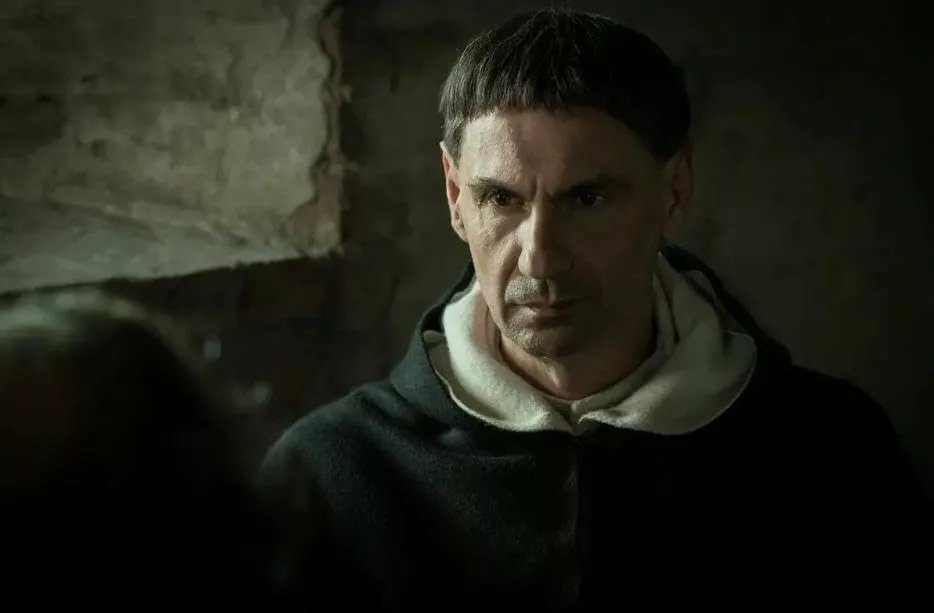
Closely related is the theme of identity loss and the dangers of coercive conversion. Edgardo is pried from the world he knows and immersed in Catholic indoctrination. Over time, he comes to identify more with his new faith than his origins. The film underscores how imposed religious change can manipulate someone’s very sense of self. It poses important questions about whether spirituality should be an individual’s own choice or something enforced upon them.
A theme that tugs at the heartstrings is the injustice of separating a child from their parents. Kidnapped movingly shows the devastation this causes Marianna and Momolo Mortara as they fight relentlessly to be reunited with their beloved son. Beyond the specific context, it highlights how damaging forced family separation can be, especially for the vulnerable like young children.
Lastly, Kidnapped shines a light on the complex power dynamics between institutions in this period. It depicts the Roman Catholic papacy as an oppressive force determined to assert absolute authority over all within its domain. Meanwhile, new political movements were challenging the Pope’s control. The film explores this pivotal shift in the balance of power between religion and nationality in Italy.
So in conveying this true but lesser known history, Bellocchio taps into themes that remain profoundly relevant as long as societies continue to struggle with issues of religious intolerance, individual liberty, and abuse of power over others. Though set in the past, Kidnapped provides ample modern parallels and perspectives to ponder.
Rediscovering a Painful Past
Marco Bellocchio’s film Kidnapped has generated significant buzz since premiering earlier this year at the Cannes Film Festival, where it screened in the main competition. Retelling the harrowing true story of a young boy kidnapped from his Jewish family by the Catholic Church in 1858, it shines a light on a little-known historical injustice.
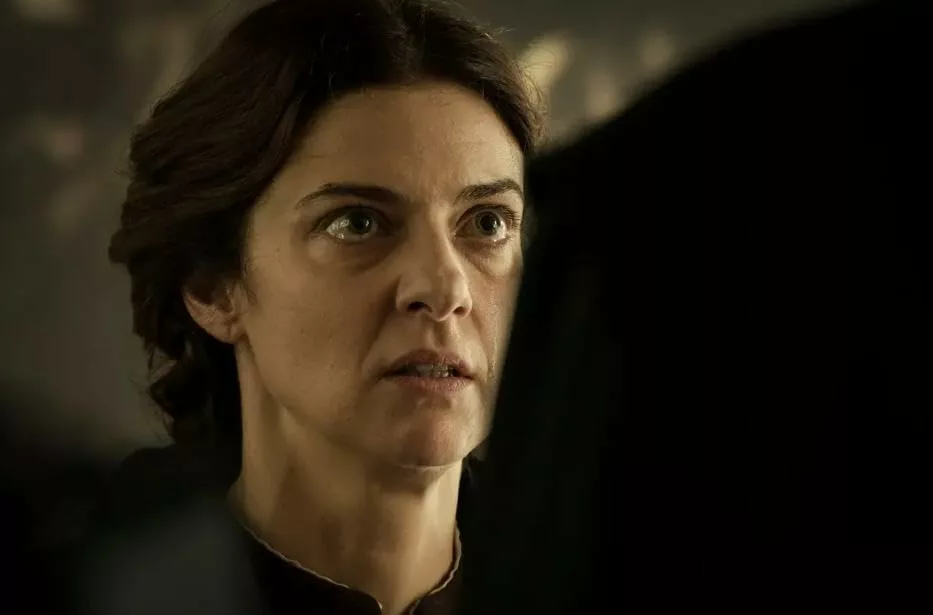
The film has resonated strongly with festival audiences around the world. At Cannes, it was praised for its searing emotional impact and ability to make a century-and-a-half-old trauma feel deeply personal. More accolades followed as Kidnapped continued its festival run, winning awards for Bellocchio’s direction and the cast’s performances.
Its success is ensuring this obscure historical episode finally receives wider recognition. By focusing on one family’s experience, Bellocchio personalizes an atrocity that shaped attitudes towards religious minorities for generations in Italy. The Mortara case also epitomized abuses of power by the Papacy during the 19th century.
Kidnapped has struck such a chord because it addresses themes that remain highly relevant. Its uncovering of injustice perpetrated under the guise of faith deepens ongoing discussions around church scandals and societal effects of coercive conversion. By bringing this long-buried chapter to light, the film catalyzes increased understanding and vigilance against similar human rights violations.
Though set long ago, Bellocchio’s masterful retelling carries resonant lessons. Through intimate portrayal of a family’s suffering, it breathes life into the past and connects it to modern debates around liberty, identity and confronting abuse within powerful institutions. Kidnapped will surely join the ranks of important historical dramas that revive overlooked histories and their enduring impacts.
The Resonance of Real Pain
Marco Bellocchio’s Kidnapped tells a story that has stayed with me since first watching it. Retelling the horrifying ordeal faced by the Mortara family, it sticks close to historically known events but truly comes alive through Bellocchio’s humanistic grasp of their anguish.
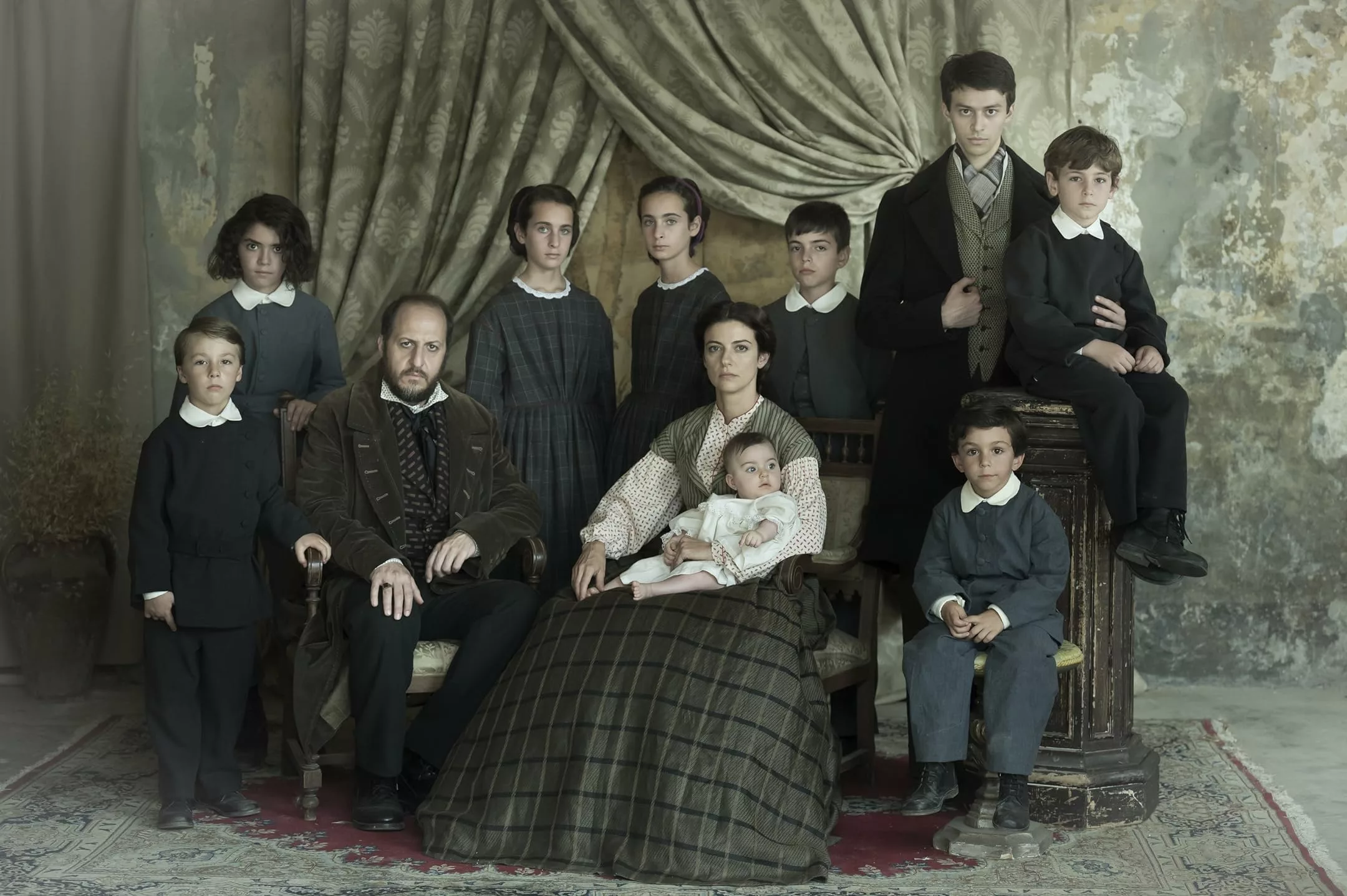
We experience the abduction of young Edgardo and his parents’ frantic efforts to recover their beloved son through raw, emotional performances. But the director ensures the personal trauma reflects wider issues that shaped the times. Kidnapped illuminates how religious authorities could wield unchecked power over vulnerable communities, and how one family’s private nightmare sparked public debates with profound societal impact.
Though set in the mid-19th century, the film carries resonant lessons. It serves as a vital reminder of our shared humanity across divides of faith, ethnicity or nationality. And it shows the timelessness of questions around liberty of conscience, state overreach, and confronting abuse within powerful institutions.
We can only speculate how the real Mortaras ultimately processed their ordeal. But through Bellocchio’s empathetic lens, their suffering does not feel confined to the past. Kidnapped will surely maintain its ability to move new viewers for generations to come – a testament to the director’s ability to make a long-forgotten true story live and breathe as powerfully as any modern drama. I am grateful for films that revive history in this impactful way.
The Review
Kidnapped: The Abduction of Edgardo Mortara
With brilliant direction that illuminates both the personal and political dimensions, Kidnapped honors a forgotten family's agony while remaining deeply relevant. Through committed performances depicting the Mortaras' palpable anguish, Bellocchio has crafted a historical drama that engages viewers with the raw power of lived emotion. In sharing this obscure period of religious persecution, the film performs a social good while entertaining as a story of ordinary people facing steep injustice.
PROS
- Committed performances that feel deeply human
- Masterful direction that brings history to life
- Illuminates important questions around religious power and individual liberty
- Revives an obscure true story in a profoundly impactful way
- Raises discussions still relevant to modern society
CONS
- Some provocative later scenes feel less grounded
- Fails to fully contextualize the complex political upheavals of the time
- Excessively stylized religious imagery won't appeal to all viewers







