



























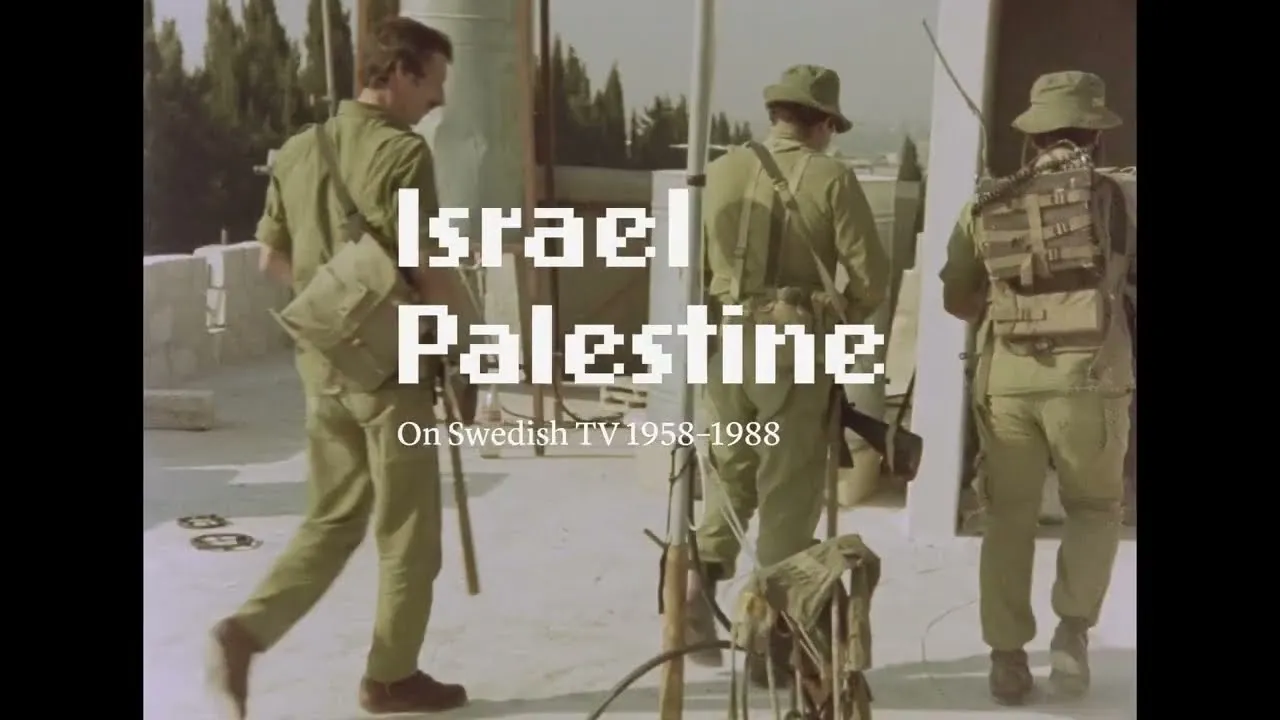

The conflict between Israel and Palestine is documented through the lens of Swedish public television in Göran Hugo Olsson’s film Israel Palestine on Swedish TV 1958–1989. This film uses archival footage to create a powerful narrative. It is both a historical account and a critique of the blunt, sledgehammer way that the media frequently changes people’s thinking.
1958–1989 is an important time range because it includes two major events: the end of the Nakba and the rise of the Palestinian Liberation Organization. Peace is a dream that can always be seen but never reached here. The archival clips present a stark contrast between the joyful portrayal of Israel’s beginning and the hushed narratives of displaced Palestinians, which begs the question of representation.
Olsson challenges us to consider our roles as consumers of media narratives through this historical lens, inviting viewers to engage in critical thinking. The film becomes more than just a teaching tool; it also serves as a cultural artifact, encouraging reflection on how media, history, and societal views interact. Each clip reminds us that our understanding of conflict today is still shaped by the past despite its remoteness.
A Tapestry of Time: Structure and Presentation in Israel Palestine on Swedish TV 1958-1989
Israel Palestine on Swedish TV from 1958 to 1989 uses a historical order to tell stories and think about things. This structure lets viewers move through the decades of conflict similarly to how history often repeats itself. By linearly arranging the footage from 1958 to 1989, Olsson creates a timeline that facilitates comprehension, highlighting the complexities and evolving narratives of Israeli and Palestinian experiences.
It’s just as important that the documentary chose not to include comments. In a time when narration is often used as a crutch to guide how people feel, this film takes a simple method that lets the old footage speak for itself.
When there isn’t any heavy-handed editorializing, watching becomes an exercise in interpretation. This choice emphasizes the theme of media representation in the film, inviting viewers to grapple with the implications of what is shown and, perhaps more importantly, what is noticeably absent.
In this way, the film critiques the narratives surrounding historical events as well as the events themselves. Each carefully chosen segment reminds viewers of the power of visual storytelling, forcing viewers to confront their own biases and preconceptions. It’s a cinematic invitation to reflect on how history is constructed and deconstructed, leaving us to ponder: What truths are hidden beneath the surface of our shared memories?
Threads of Conflict: Historical Context and Key Events in Israel Palestine on Swedish TV 1958-1989
The documentary Israel Palestine on Swedish TV from 1958 to 1989 carefully traces important historical events shaping the Israeli–Palestinian conflict. From the times after the 1948 Nakba to the tense peace talks in the late 1970s, the film is like a time capsule because it shows what life was like in each era through the lens of Swedish public television.

For example, David Ben-Gurion and Yasser Arafat stand out as both creators of their narratives and symbols of larger ideological differences. (It’s easy to picture them as chess pieces on a board, with historical implications for each move.)
Key events are depicted with a detached clarity that enables viewers to engage with the past without being affected by modern prejudice. For example, the Six-Day War of 1967 is shown not only as a military clash but also as a turning point that cemented the tense relations between Israelis and Palestinians.
The Camp David Accords, including an unwilling Anwar Sadat and a troubled Jimmy Carter, show the complexities of diplomacy. This dance is as complicated and dangerous as any political thriller. (If only there was a script for talks, right?)
However, the documentary’s depiction of the conflict’s development, highlighting the cyclical nature of stress and resolution—or the lack thereof—is particularly striking. Every ten years adds another level of complexity, from the hardening of Palestinian identity to the strengthening of Israeli nationalism. The film masterfully captures this development, presenting an urgent and familiar narrative.
We are encouraged to ponder the historical milestones that the footage frequently glosses over as we watch it progress. The 1970s, when Palestinian awareness was growing, are very different from earlier pictures of Israel as a state. As the film goes on, it becomes clear that the conflict is not a simple story with a clear beginning, middle, and end. Instead, it is a complicated web of hopes, disappointments, and missed chances.
This rich historical context challenges viewers to reflect on their own understanding of the conflict and its implications for modern society. Olsson’s documentary does more than just inform. It insists on the complexity of truth, challenging us to confront the many narratives that define our world in an age when history is all too often condensed into soundbites.
A Tale of Two Narratives: Contrasting Perspectives in Israel Palestine on Swedish TV 1958-1989
The documentary Israel Palestine on Swedish TV 1958–1989 skillfully juxtaposes the Israeli and Palestinian narratives, revealing the stark differences and occasionally overlaps in their stories. The portrayal of Israeli points of view frequently tends toward a jubilant account of the country’s founding.
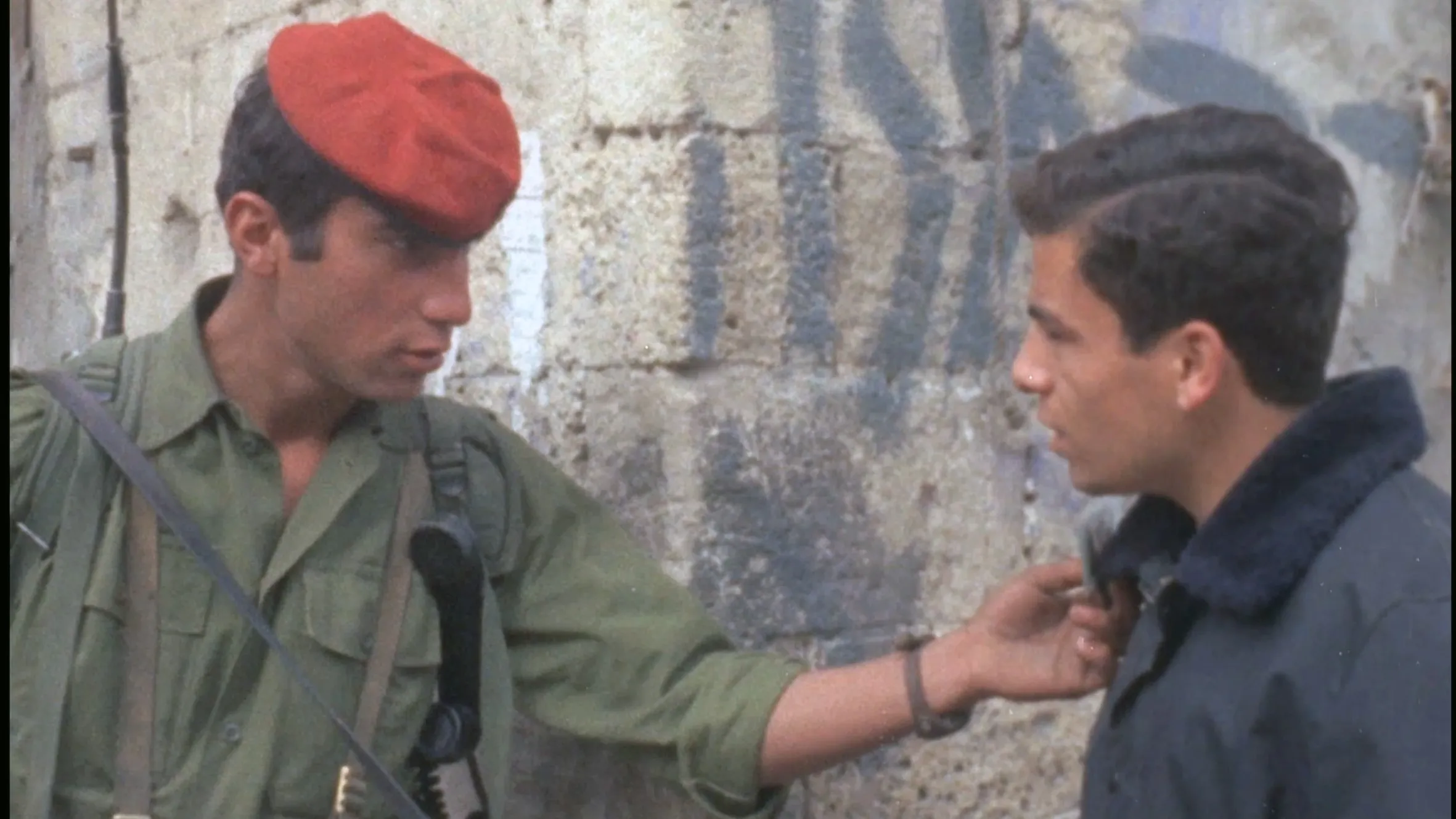
Leaders like David Ben-Gurion and Golda Meir are presented as living examples of the Zionist dream in addition to being historical figures. Their speeches are hopeful and described in terms of resilience and new ideas. We see joyous scenes of festivals, agricultural victories, and a busy, emerging state as if the narrative were written for a feel-good movie (complete with an upbeat soundtrack—if only!).
This portrayal indeed has some flaws. The documentary frequently glosses over the complexities and contradictions that are a part of Israeli society, especially how non-European Jewish groups and Arab Israelis are treated. People tell stories of victory but don’t always talk about the tensions and voices that question the status quo. The narrative is polished and presented in a neat package, leaving out the messy parts that might make the plot more difficult.
On the other hand, Palestinian voices come out of the shadows, often with a sense of loss and urgency. Interviews with regular Palestinians show the problems they face every day and the narratives they tell about their desire for identity and control. The documentary gives These voices a platform to share their tales of upheaval, abuse, and resilience. The representation of Palestinians, however, is not always positive; at times, their struggles are shown through the lens of conflict, with terrorism and resistance as the backdrop.
This duality brings up deep questions about representation. Are these narratives promoting understanding, or are they just highlighting existing differences? Viewers are encouraged to grapple with the complexities of identity and belonging by the film’s commitment to presenting both sides.
This prompts us to confront the idea of “us versus them,” calling for a deeper look at our shared humanity amidst the chaos of disagreement. Can we ever truly understand a conflict without embracing the multifaceted stories that define it? We are left to ponder as we navigate these opposing narratives.
The Role of Media in Shaping Perception: A Critical Lens on Israel Palestine on Swedish TV 1958-1989
The influence of the media became a major theme in Israel Palestine on Swedish TV from 1958 to 1989, inviting us to reflect on how the coverage can shape public opinion. The documentary is a case study of the media’s ability to influence narratives about complicated geopolitical battles, particularly that of a national broadcaster like Sweden’s SVT.
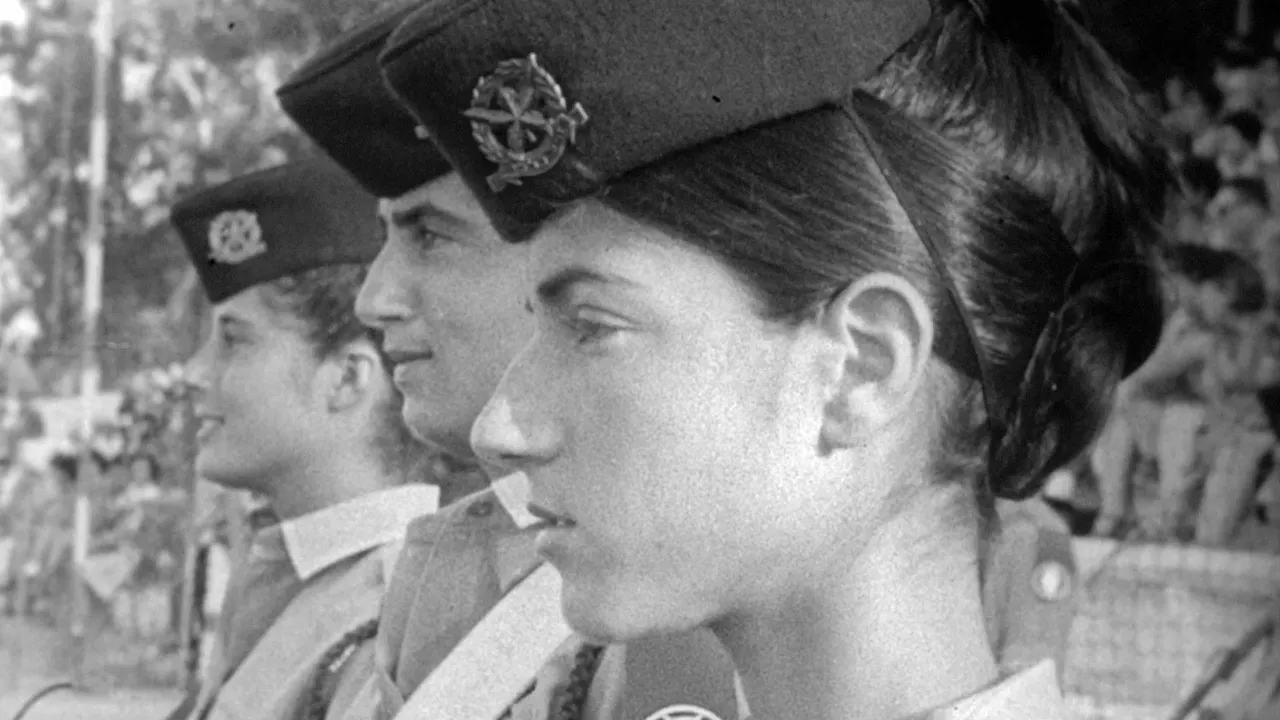
We see how the portrayal of the Israeli-Palestinian conflict changed over time, often in small but significant ways, through its archival footage. (It’s like watching a magician pull a rabbit out of a hat, except that the rabbit is history, and we’re left thinking how it got there.)
Particularly striking are the implications of selective coverage. The film shows how some narratives take center stage while others fade away. For example, the stories that praise Israel are often more important than the voices of the Palestinians. This creates an imbalance that can ruin one’s understanding of the conflict. This selective storytelling not only reinforces existing biases but also runs the risk of reinforcing stereotypes, shaping how societies view the “other.” It begs the question: can we trust a narrative constructed from pieces, or are we just putting together a puzzle with missing pieces?
This film will document journalism’s role in preserving and framing historical narratives. The footage shows what happened and what the media should and shouldn’t do, making it both a record and a critique. Olsson’s choice to show the footage with little commentary shows journalism’s often-unseen biases. The film critiques both what is shown and what is not said.
To question the accuracy of media representations, the documentary encourages viewers to engage critically with the content. Are we seeing history as it happens, or are we being given a version already chosen? As we grapple with these issues, we are reminded that the role of the media goes beyond mere documentation; it also shapes our understanding of reality, often in illuminating and upsetting ways. This look at how media affects how people think makes us think about how we get our news and what we believe to be the truth.
Emotional Impact and Educational Value in Israel Palestine on Swedish TV 1958-1989
The old footage in Israel and Palestine on Swedish TV from 1958 to 1989 is used like a brush to paint a clear picture that makes you feel very strongly. The stark images of children playing in war-torn streets, old faces scarred by loss, and happy celebrations of statehood create a strong emotional environment that goes beyond the political background. (One could say that the film is a masterclass in controlling people’s emotions.) However, instead of being a puppet, the viewer becomes a willing dancer in the narrative.
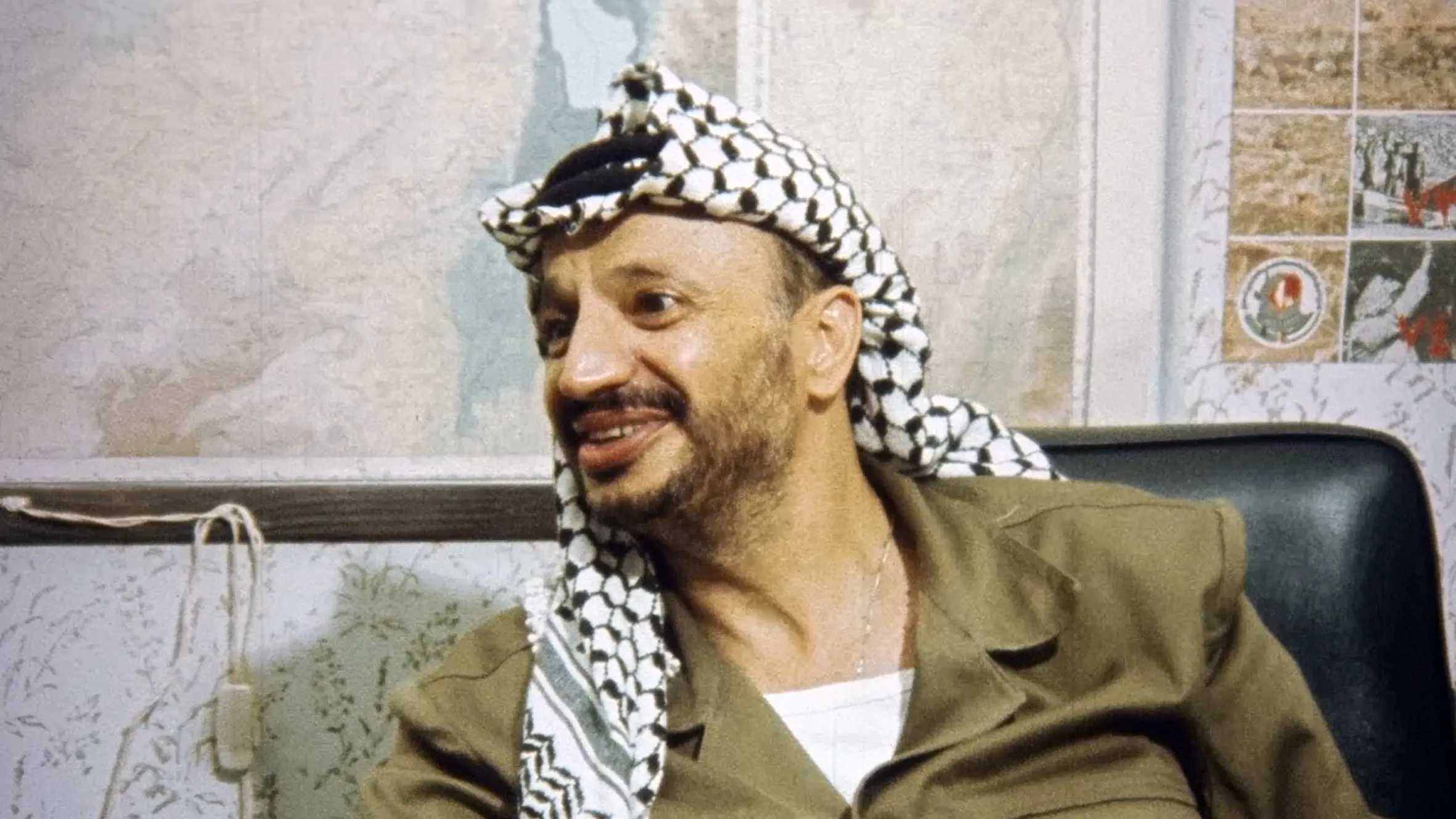
The human stories woven into the political chaos anchor the film’s emotional weight. When we meet people caught in the middle of history, the abstract ideas of war and peace become real. Their narratives serve as a powerful reminder that behind every statistic is a life lived, a dream put on hold, and a broken heart. This connection makes viewers more empathetic, forcing them to confront the often dehumanizing language of politics. (“It’s kind of like reading a book where the characters stop being generic and start to come alive.”)
The documentary is an invaluable resource for academic situations in terms of its implications for education. It is a great resource for classes on conflict resolution, media studies, and history because of its nuanced portrayal of conflicting narratives and rich historical background. Not only does it record events, but it also critiques the way stories are told.
The film also shows how important it is to use media to understand complicated problems. It encourages critical thought about how narratives are constructed by challenging viewers to recognize the subtleties of representation. In an age where fake news is common, this documentary serves as a timely reminder of the need to question, analyze, and engage with the media we consume.
As viewers grapple with the film’s emotional and educational aspects, they are left with a strong sense of duty: to find the truth behind the stories and to fight for a better understanding of the human experiences that underpin conflict.
Conclusion and Reflections on Contemporary Relevance: Insights from Israel Palestine on Swedish TV 1958-1989
Israeli-Palestinian Conflict on Swedish TV from 1958 to 1989 is an important part of our understanding of the conflict between Israel and Palestine. It skillfully combines historical footage with the complexity of human experience.
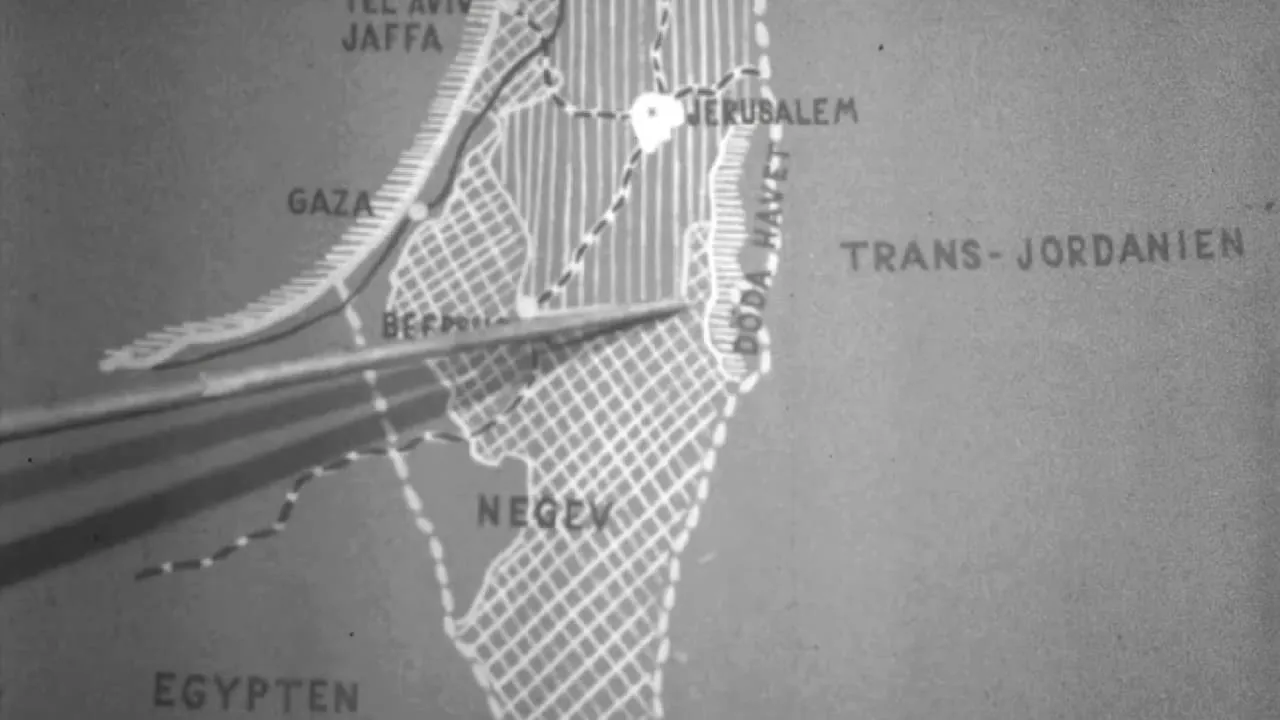
Its dual narratives make viewers confront the contradictions and subtleties that define this long-running conflict, revealing how media affect perceptions and, ultimately, reality. (This documentary could be called The Swiss Army Knife of Historical Analysis since it can be used for many intellectual jobs.)
Strong connections exist between the film’s ideas and the current state of world politics. The documentary warns about the dangers of selective storytelling in a world increasingly divided by nationalistic feelings and media echo chambers. It becomes clear that the lessons of the past are still painfully relevant as global conflicts rise and resonate with the historical patterns depicted in the film.
This film is a call to action and a piece of history. Viewers are encouraged to engage with media narratives critically, question the simplicity often presented in mainstream coverage, and look for the complex truths beneath. The documentary challenges us to be informed citizens who recognize the weight of our collective narratives in shaping a more empathetic and nuanced understanding of conflicts around the world.
The Review
Israel Palestina on Swedish TV 1958-1989
Israel Palestine on Swedish TV 1958-1989 is an interesting documentary that masterfully combines historical footage with human stories to show how complicated the Israeli–Palestinian conflict is. Its minimal commentary lets the images evoke strong feelings, and the two points of view force viewers to face their own biases. For anyone seeking a deeper understanding, this movie is essential viewing because it tells the story of history and criticizes how the media portrays it. Its relevance resonates strongly in today's geopolitical scene, urging critical interaction with narratives.
PROS
- Thought-provoking dual narratives offering multiple perspectives.
- Powerful archival footage that evokes deep emotions.
- Minimal commentary allows viewers to draw their own conclusions.
- Critiques media representation and encourages media literacy.
- Relevant themes resonate with contemporary geopolitical issues.
CONS
- Some may find the lack of narrative structure disorienting.
- Limited context for viewers unfamiliar with the conflict.
- Could feel overwhelming due to the complexity of emotions and histories presented.