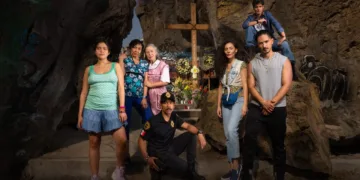







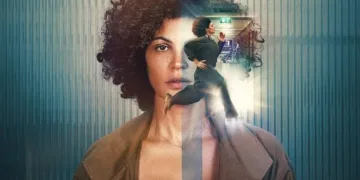



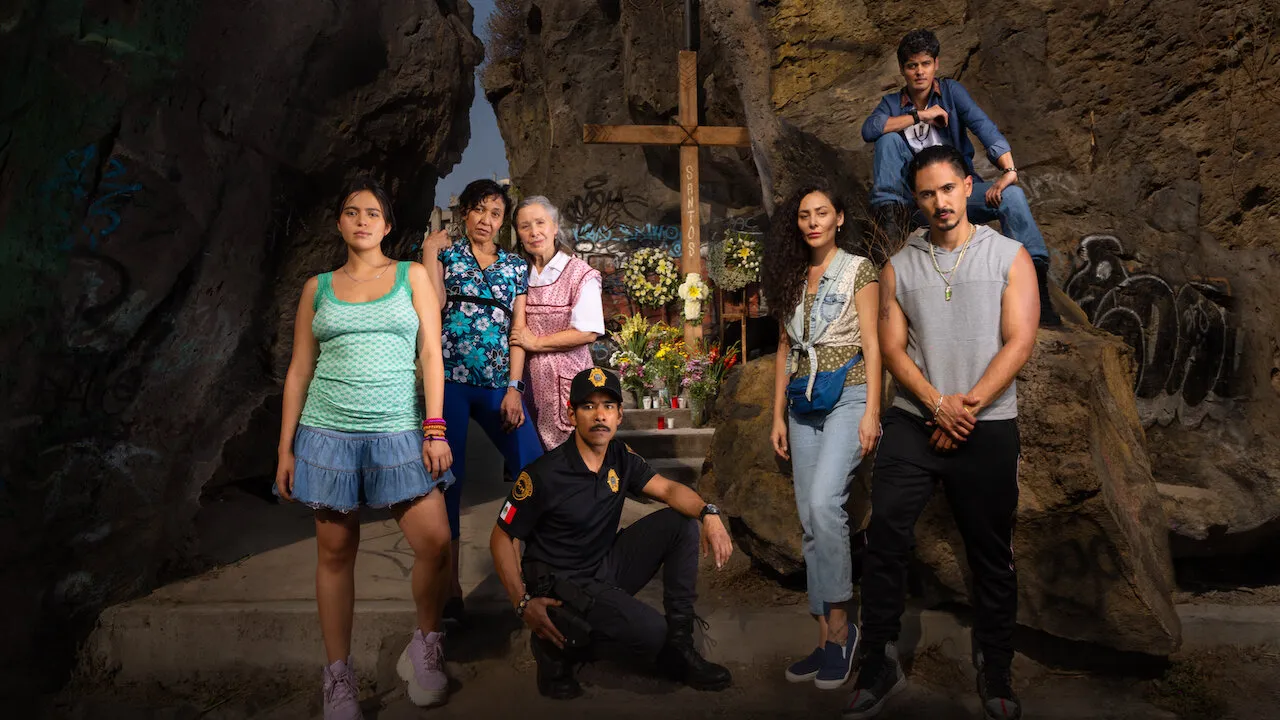

Stepping into We Were Kings feels like entering a vibrant but haunting tapestry of life in Iztapalapa, a borough of Mexico City frequently forgotten in larger narratives. This new Netflix series examines friendship and tragedy, depicting a world where dreams clash with the brutal realities of poverty.
As I watched the opening scenes—music blasting from a car, graffiti-stained walls around the characters—I was struck by a bittersweet reminder of adolescent ambitions stifled by circumstances.
Set against the backdrop of Iztapalapa, the series depicts a community full of hope yet smothered by its struggles. This vibrant neighbourhood serves as both a character and a location, rich in culture but tarnished by social challenges. It embodies the dreams and sorrow of its residents, making each sight feel like a window into their collective soul.
At the heart of this story are Javo, Mike, and Santos, three boyhood friends whose lives are connected like threads in a fraying tapestry. Javo’s charm and irresponsibility lead him into crime, whereas Mike represents the moral compass. Caught between them, Santos embodies the anguish of betrayal after discovering Javo’s involvement with his mother. Their relationships are complicated and layered, echoing the complexities of real-life friendships, frequently on the verge of dissolution.
As I reflect on these characters, I wonder about the nature of loyalty and love, themes that linger in the story. How do we define our connections to those we formerly held dear when confronted with painful truths? Anyone who has navigated the dangerous seas of friendship and family will resonate with their struggles, inviting us to ponder their journey and our own.
The Unraveling Threads of Friendship in We Were Kings
We Were Kings develops with a tension that feels both familiar and unnerving, echoing the complicated narratives about adolescent ambition and fate’s heavy hand.
The story revolves around Javo, Mike, and Santos, three friends whose lives are intertwined in the vibrant yet brutal landscape of Iztapalapa. The fundamental conflict stems from Javo’s irresponsible choices, particularly his prohibited relationship with Santos’ mother, Nora, which shatters their brotherhood’s delicate bonds.
The air is filled with expectation and unsaid tension as Javo’s pregnant sister, Heidi, approaches her quinceañera. This party, meant to represent hope and the passage into womanhood, becomes the backdrop for a tragedy that hangs over the celebrations like a heavy cloud. It’s a moving reminder of how joy and pain can coexist, often in the same breath. In my personal experience, I’ve seen how celebrations may be overshadowed by underlying tensions—moments when the laughter feels forced as if everyone is aware of a coming storm.
Javo and Nora’s relationship adds an extra layer of complexity. Their affair, which began as a moment of drunken irresponsibility, quickly escalates into something deeper for Javo, who urgently wants validation in a world that frequently dismisses him. This relationship raises difficult issues about desire, power, and the sequences of love—frequently romanticised elements that can lead to terrible consequences. I reflect on mynage follies, wondering how often we confuse passion for something deeper, only to face the repercussions later.
The consequences are immediate and severe when tragedy strikes—Santos faces Javo in a moment of drunken wrath. The aftermath shatters their friendship, leaving each character grappling with regret, betrayal, and the haunting echoes of their choices. It vividly represents how quickly relationships can dissolve, a theme that resonates powerfully with everyone who has navigated the turbulent waters of friendship. The series does not shirk from this emotional upheaval, instead embracing the complexity of human interactions, making us question how well we truly know those closest to us.
Fractured Bonds: The Complex Tapestry of Character Dynamics in We Were Kings
Javo, the principal character of We Were Kings, embodies a volatile blend of ambition and desperation that powerfully resonates with anybody who has ever felt the weight of expectation. His goals stem from a desire to escape the confines of his surroundings, but he is also trapped in a world of crime that offers quick rewards but comes at a high cost.
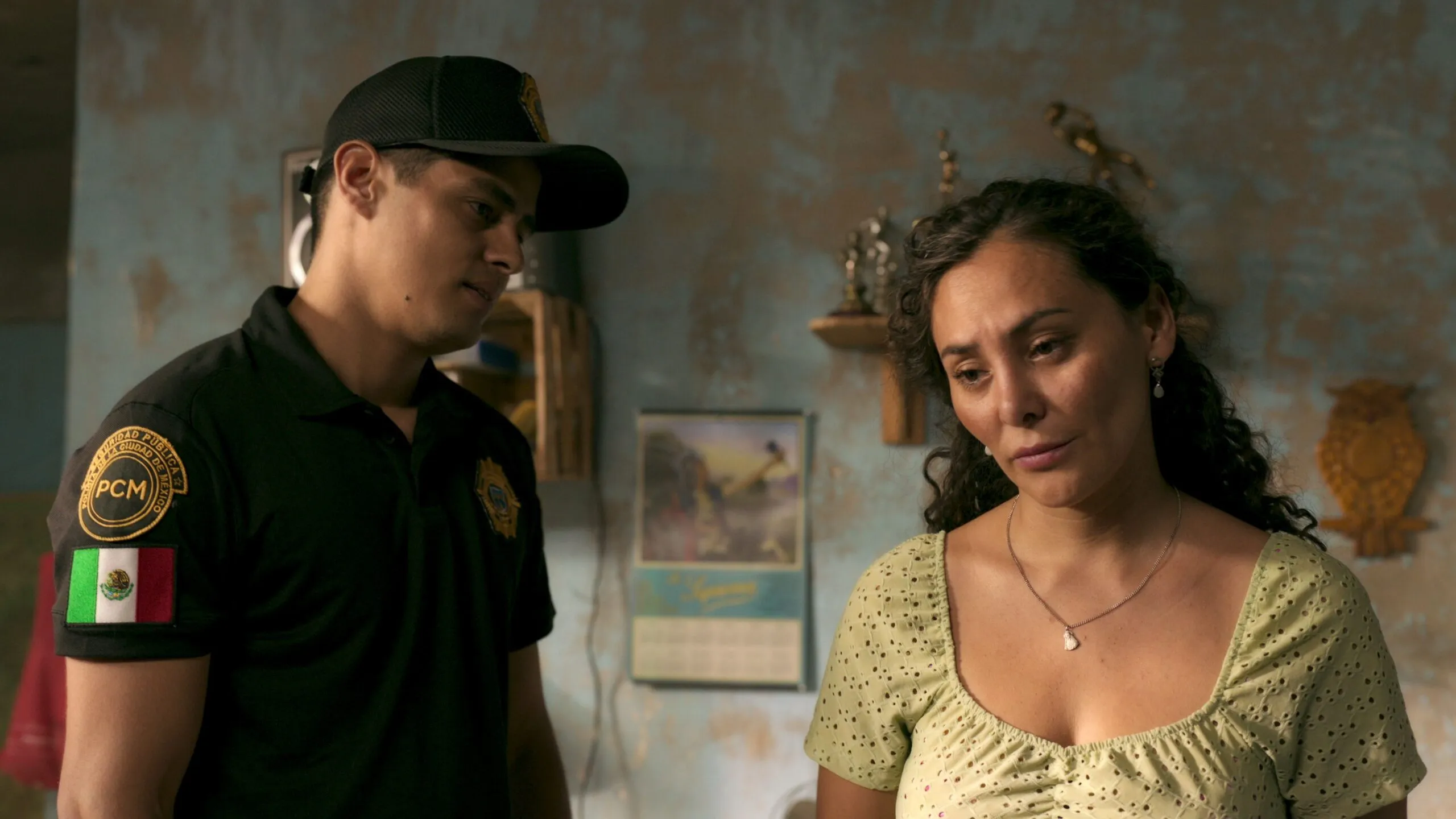
Watching Javo navigate this dangerous route elicits a mix of empathy and frustration. I see echoes of my own adolescent recklessness in him—the desire to establish a new identity, which is frequently eclipsed by the dread of becoming a product of one’s environment. Each theft and decision he makes feels like an appeal for validation, emphasizing the internal conflict between his need to provide for his family and the moral quandaries that accompany his choices.
Then there are Javo’s boyhood friends, Mike and Santos, who stand on opposing extremes of the moral spectrum. Mike, a law enforcement officer, grapples with his sense of responsibility while being bound by his brother’s reckless actions. Santos, who is about to become a police officer, struggles with betrayal after learning of Javo’s romance with his mother.
Their relationships with Javo shift from fraternal friendliness to painful estrangement, a development that echoes the fragility of strained friendships. I often wonder if we appreciate the depths of our friends until we face betrayal. The portrayal of this growth feels achingly authentic, reminding me of friends who have divided in my own life, often over seemingly minor matters that turned out to be far more serious.
Nora and Malena play significant roles in this narrative as well. Nora, drawn to Javo, embodies the complexities of desire and vulnerability, whereas Malena represents the weight of their mother’s sacrifice. With Heidi, Javo’s pregnant sister, who finds herself caught between the competing loyalties of the people around her, their interactions highlight the complexities of family dynamics.
The series vividly depicts how familial relationships can uplift and bind, calling into question the concept of unconditional love. It invites us to reflect on our own family decisions—how often do we find ourselves caught up in the decisions and desires of our loved ones? In We Were Kings, these characters exist in a precarious balance, each attempting to navigate their roles in a world that appears to work against them, making their travels all the more moving.
Echoes of Desperation: Themes and Motifs in We Were Kings
Poverty is a constant presence throughout We Were Kings, influencing every decision and the lives of its characters. Javo, Mike, and Santos’ struggles are more than human shortcomings; they reflect a structural reality that requires survival at any cost.
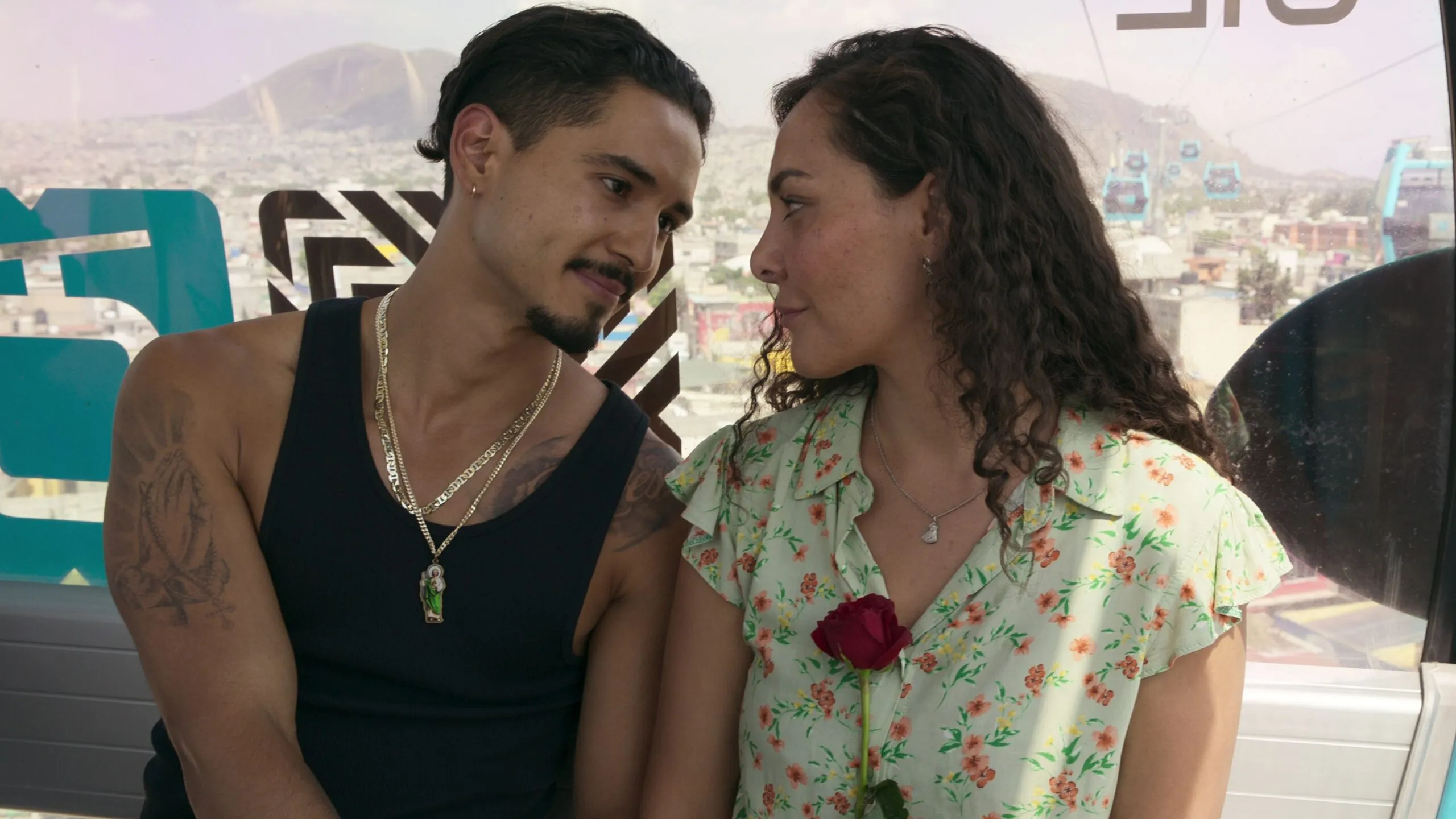
As I watch Javo navigate the hazardous seas of crime, I can’t help but reflect on his choices—choices that resonate with my own experiences grappling with financial constraints and the lengths one would go to escape them.
Poverty fuels ambition, desperation, and, ultimately, tragedy in this narrative rather than just serving as a backdrop. The series poignantly depicts how the desire to escape one’s surroundings may lead to a cycle of moral compromise, raising unpleasant issues about the nature of success and the price we pay for it.
The theme of forbidden love permeates the narrative, adding layers of complexity to already fraught relationships. Javo’s affair with Santos’ mother, Nora, is a classic trope: a romance that defies societal rules and familial bonds. However, it is portrayed rawly, inviting empathy rather than condemnation.
I recall the passion of youth infatuations that dared to defy expectations, frequently leading to heartbreak. The consequences of such relationships are examined carefully, illustrating how love can be both a refuge and a source of destruction. We all grapple with this duality—how desire may blind us to the reality of our actions and their repercussions on others we care about.
Throughout the series, loyalty and betrayal dance in a delicate tango, undermining what appeared to be solid friendships. Santos’ confrontation with Javo captures the awful junction of trust and deceit, leaving scars that may never heal. What does it mean to stand by someone whose choices threaten to unravel all you hold dear? I frequently consider this question when considering the nature of loyalty.
The series confronts this question, leading me to reflect on my relationships. Have I ever turned a blind eye to a friend’s wrongdoing out of loyalty, or have I broken a friend’s trust to pursue my desires? These themes in We Were Kings are more than just narrative tactics; they are significant examinations of the human condition, compelling us to consider the fragility of our connections amid life’s upheaval.
A Rhythm of Shadows: Tone and Pacing in We Were Kings
We Were Kings’ tone alternates between serious and humorous, creating a tapestry that feels authentic and fragmented. Serious moments, steeped in the brutal reality of life in Iztapalapa, frequently combine with spurts of lightheartedness that, while intended to bring solace, can feel jarring.
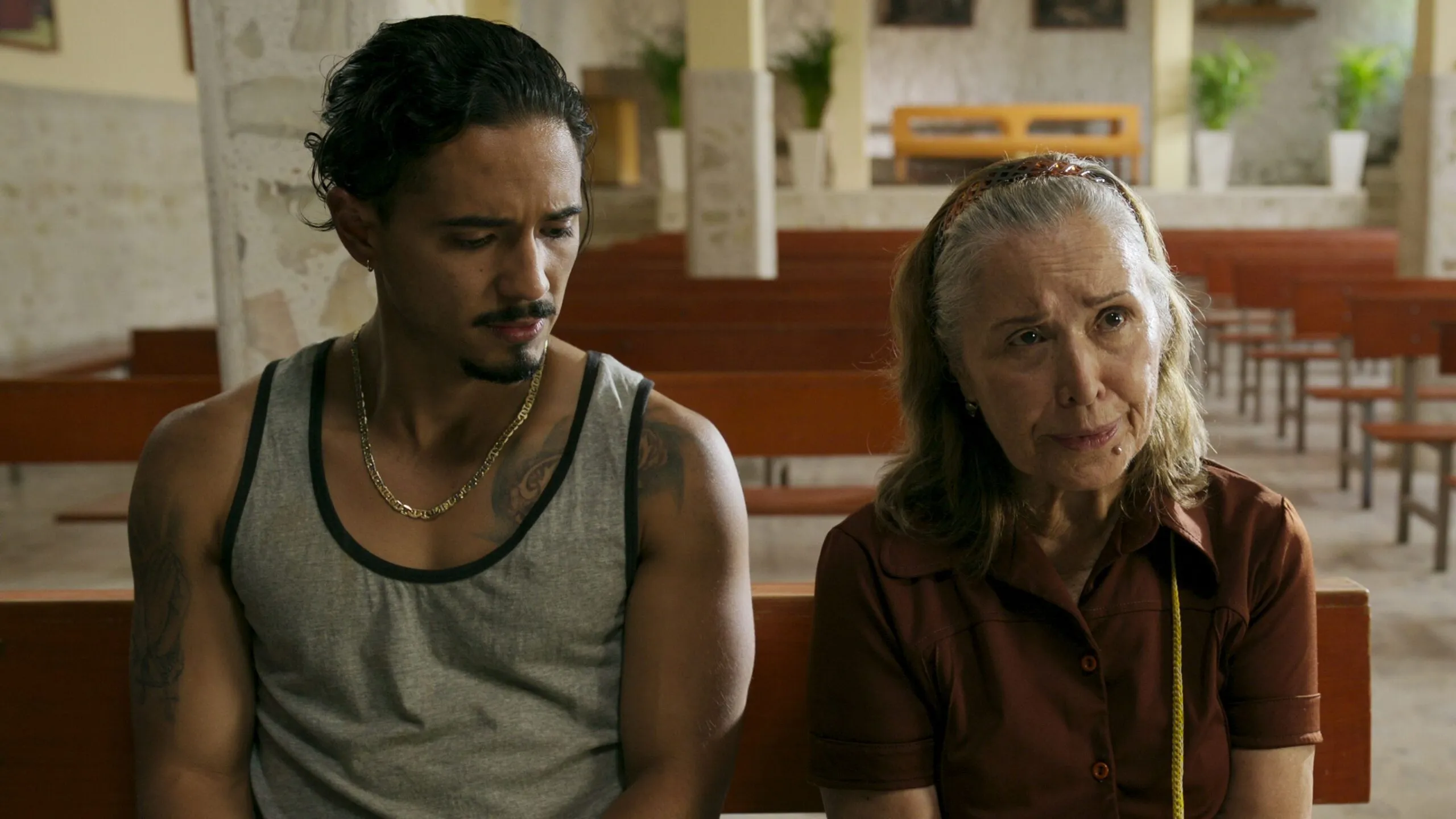
It reminds me of my experiences negotiating life’s dualities, where laughter may emerge as a coping technique in the darkest moments. However, this tone shift calls into question the series’ cohesion. Is it meant to be funny to chuckle at the absurdity of life’s trials, or does it lessen the severity of the characters’ struggles?
The pacing of the series’ confrontations is unrelenting, leaving little room for reflection. Events unfold with a sense of urgency that can be both exhilarating and infuriating as if the narrative is rushing against time to cover as much ground as possible. Where is there room for nuance? I find myself grappling with a sense of loss.
Moments that could be rich in emotional depth are often resolved quickly, denying us the opportunity to truly engage with the characters’ journeys. This rapid-fire storytelling highlights a well-known tension: the desire for a captivating narrative versus the need for reflective pauses that allow us to fully absorb the impact of each revelation.
Framing Reality: Production Elements in We Were Kings
We Were Kings’ visual approach unfolds with gritty authenticity, mirroring the terrible realities of Iztapalapa. The cinematography captures the vibrant turmoil of the area, from the bright graffiti to the contrasting shadows hiding in alleyways, creating a visceral sense of location. This attention to detail resonates with my experiences traversing urban settings where beauty and degradation coexist.
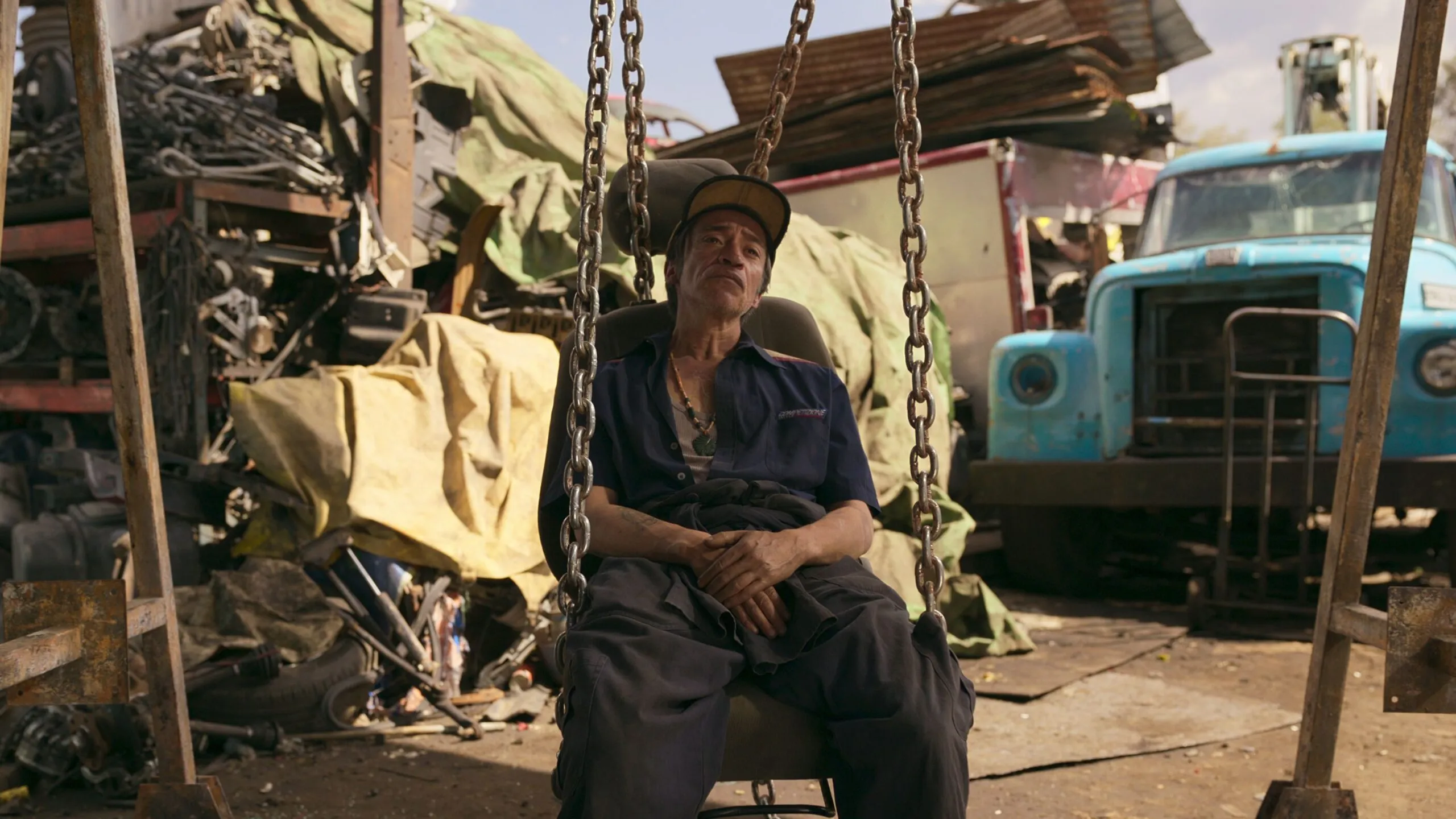
However, while the visuals ground the narrative in a palpable reality, I occasionally find myself wanting more innovative framing that would elevate the narrative above simple depiction. The strength of visual storytelling lies not only in what we see but also in how we feel it, and in this case, the series walks a tight line between documentary-style reality and artistic interpretation.
The sound design is equally compelling, creating a rich music and ambient sound tapestry that enhances the emotional atmosphere. Combining traditional Mexican music and current beats provides a layered audio experience that evokes nostalgia and urgency. In We Were Kings, the score does exactly that, drawing us deeper into the characters’ emotional states. I often reflect on how sound can affect a scene—how it may heighten tension or calm pandemonium.
The performances are the heart of this series. Joshua Okamoto’s portrayal of Javo is particularly striking; he embodies a blend of vulnerability and arrogance. His connection with Ingrid Aguila, who portrays Nora, is fraught with tension and longing, capturing the complexity of their relationship.
I’m reminded of the delicate balance that performers must find, conveying both words and the unspoken weight of their characters’ past. Each actor contributes a unique complexity to their roles, but I question whether they have enough room to completely inhabit their characters. The performances shine brightly in intimate moments, but I hunger for more exploration that would allow these talented performers to go deeper into their characters’ souls.
Reflections on We Were Kings: A Complex Portrait of Humanity
We Were Kings is a compelling mix of ambition and tragedy, dragging viewers into the characters’ complicated lives with an intensity that is both captivating and, at times, maddening. The series shines in its portrayal of the complexities of friendship and the brutal reality of life in Iztapalapa, but it sometimes falters under the weight of its rapid pacing and mood swings.
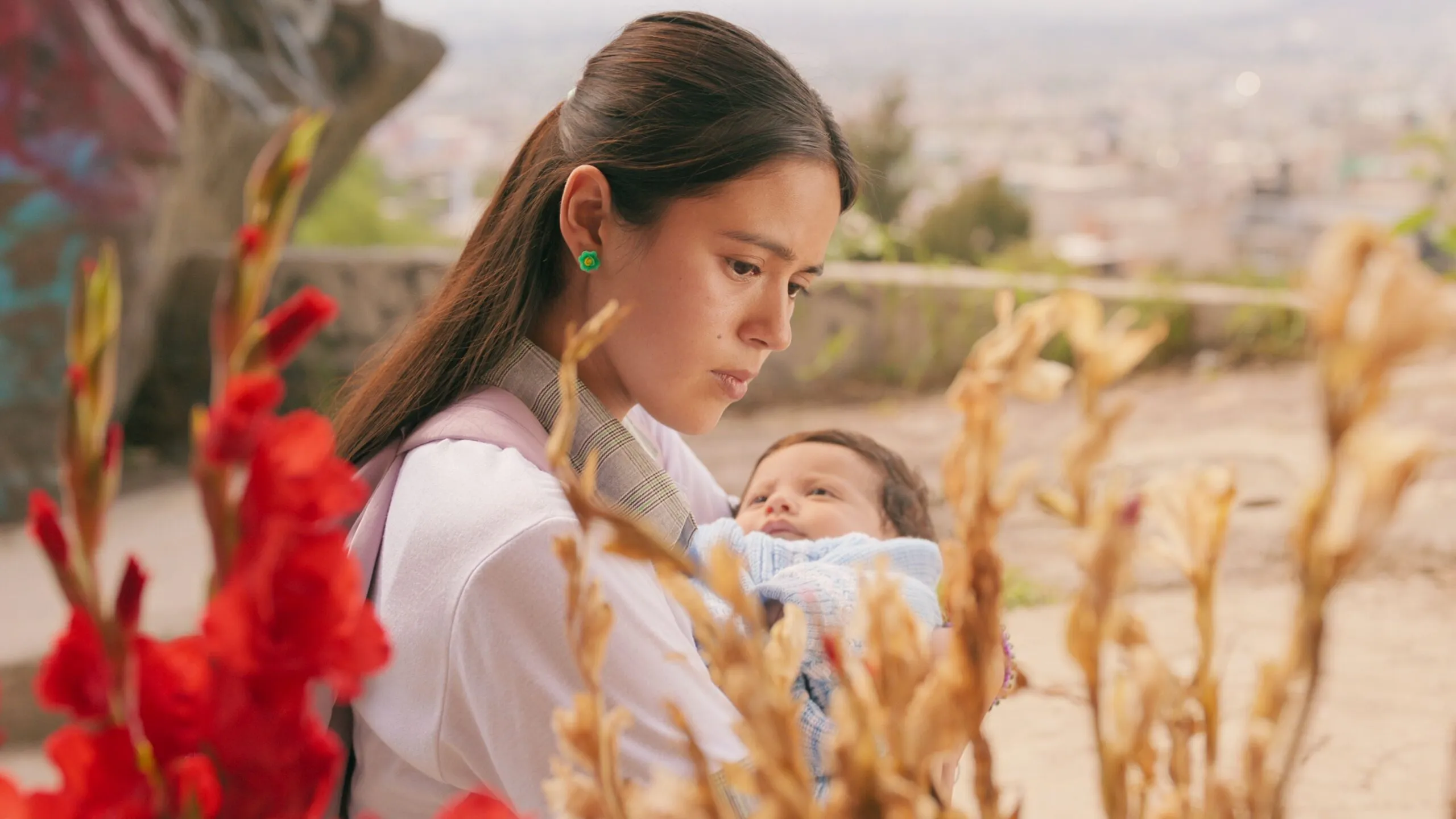
As I reflect on the possibility of future episodes, I imagine deeper investigations of character motivations and the complex dynamics of loyalty and betrayal, which may elevate the narrative above its current limitations.
This series may provide a rich yet uneven viewing experience for people who resonate with stories about familial relationships and struggles against social restrictions. It invites us to engage with our experiences of love, grief, and the choices that define us, making it a worthy film for anyone ready to grapple with its emotional depths.
The Review
We Were Kings
We Were Kings is a compelling but flawed exploration of friendship, ambition, and the brutal reality of life in Iztapalapa. While the series' vibrant scenery and powerful character dynamics entice viewers, it occasionally stumbles with quick pacing and tonal inconsistencies, preventing deeper emotional commitment. Despite the narrative's challenges, the performances, notably those of Joshua Okamoto and Ingrid Aguila, shine. This series is worth seeing, albeit with lowered expectations, for those drawn to stories of love and betrayal in the face of tragedy.
PROS
- Engaging character dynamics and relationships.
- Strong performances, especially by Joshua Okamoto and Ingrid Aguila.
- Authentic portrayal of life in Iztapalapa, capturing cultural nuances.
CONS
- Rapid pacing that can hinder narrative depth.
- Tonal inconsistencies between serious and light-hearted moments.
- Some plot points feel clichéd or underdeveloped.
- Limited exploration of supporting characters’ backgrounds.