




















• Latest
  • Trending
The Safe House Review

The Safe House Review: Intersecting Narratives and Timeless Themes

Being Heumann Review

Being Heumann Review: Accessibility Was Won by Making Trouble

Stuffed Review

Stuffed Review: Jodie Comer and Harry Melling Make Death Feel Strangely Romantic

The Alighieri Circle: Dante's Bloodline Review

The Alighieri Circle: Dante’s Bloodline Review: Hell Is Better Solved Than Explained

NAZA Review

NAZA Review: Twenty-Four Voices From Inside the System

Until the Day Ends Review

Until the Day Ends Review: Romance in the Glare of Political Violence

Jeremy Thomas

Jeremy Thomas, Oscar-Winning Producer of “The Last Emperor” and “Crash,” Dies at 77

3 hours ago
Maggie Gyllenhaal

Maggie Gyllenhaal Denies Gender Played Role in “Woman Unknown” Golden Lion Win

3 hours ago
Mia Wasikowska Agata the Writer

Mia Wasikowska Leads Kuba Dorabialski’s Bold Venice Debut “Agata the Writer”

3 hours ago
Possible Love

Venice Wins for Malkovich, “Possible Love” and “NAZA” Reshape Early Oscar Race

3 hours ago
Seth Rogen Babies

Seth Rogen Says Wife’s TIFF Film “Babies” Is His Most Personal Role Yet

3 hours ago
Woman Unknown

“Woman Unknown” Takes Venice’s Golden Lion as Gaza Documentary “Naza” Wins Special Prize

3 hours ago
Pierce Brosnan

Pierce Brosnan Predicts an Unknown Actor Will Land Next James Bond Role

3 hours ago
  • Home
  • Privacy Policy
  • Terms and Conditions
  • Gazettely Review Guidelines
Sunday, September 13, 2026
GAZETTELY
  • Home
  • Movie and TV News
    Jeremy Thomas

    Jeremy Thomas, Oscar-Winning Producer of “The Last Emperor” and “Crash,” Dies at 77

    Maggie Gyllenhaal

    Maggie Gyllenhaal Denies Gender Played Role in “Woman Unknown” Golden Lion Win

    Mia Wasikowska Agata the Writer

    Mia Wasikowska Leads Kuba Dorabialski’s Bold Venice Debut “Agata the Writer”

    Possible Love

    Venice Wins for Malkovich, “Possible Love” and “NAZA” Reshape Early Oscar Race

    Seth Rogen Babies

    Seth Rogen Says Wife’s TIFF Film “Babies” Is His Most Personal Role Yet

    Woman Unknown

    “Woman Unknown” Takes Venice’s Golden Lion as Gaza Documentary “Naza” Wins Special Prize

    Pierce Brosnan

    Pierce Brosnan Predicts an Unknown Actor Will Land Next James Bond Role

    Taylor Frankie Paul

    Taylor Frankie Paul Says She’s Stayed “Single and Celibate” Since Bachelorette Cancellation

    Diablo Netflix

    Netflix and Blizzard Confirm “Diablo” Animated Series Is in Development

  • Movie and TV Reviews
    Being Heumann Review

    Being Heumann Review: Accessibility Was Won by Making Trouble

    Stuffed Review

    Stuffed Review: Jodie Comer and Harry Melling Make Death Feel Strangely Romantic

    NAZA Review

    NAZA Review: Twenty-Four Voices From Inside the System

    Until the Day Ends Review

    Until the Day Ends Review: Romance in the Glare of Political Violence

    American Hostage Review

    American Hostage Review: A Hostage Crisis Traps the Reporter Too

    Agatha Christie's Tommy & Tuppence Review

    Agatha Christie’s Tommy & Tuppence Review: Two Great Detectives Need Sharper Mysteries

    The Perfect Lie Review

    The Perfect Lie Review: The Dinner Club Knows How to Keep a Secret

    The Drop A Snowfall Saga Review

    The Drop: A Snowfall Saga Review: West Coast Hip-Hop Gives the Franchise Fresh Energy

    Marble Hall Murders Review 1

    Marble Hall Murders Review: Susan Ryeland Returns to a Denser Case

  • Game Reviews
    The Alighieri Circle: Dante's Bloodline Review

    The Alighieri Circle: Dante’s Bloodline Review: Hell Is Better Solved Than Explained

    Marvels Wolverine Review

    Marvel’s Wolverine Review: A Great Logan Trapped in a Limited Action Game

    NHL 27 Review

    NHL 27 Review: EA Has the Right Ideas, Mostly

    Welcome to Elderfield Review

    Welcome to Elderfield Review: Roll the Dice and Tend the Crops

    Barbarian Saga: The Beastmaster Review

    Barbarian Saga: The Beastmaster Review: Great Transformations, Rough Execution

    Apidya' Special Review

    Apidya’ Special Review: One Cult Classic Still Has Plenty of Sting

    Bus Simulator 27 Review

    Bus Simulator 27 Review: A Management Sim Waiting for Mechanical Repairs

    SPRAWL zero Review

    SPRAWL zero Review: Disposable Guns, Permanent Fun

    HOT WHEELS Infinite Rush Review

    HOT WHEELS Infinite Rush Review: Four Islands of Plastic Chaos

  • The Bests
No Result
View All Result
  • Home
  • Movie and TV News
    Jeremy Thomas

    Jeremy Thomas, Oscar-Winning Producer of “The Last Emperor” and “Crash,” Dies at 77

    Maggie Gyllenhaal

    Maggie Gyllenhaal Denies Gender Played Role in “Woman Unknown” Golden Lion Win

    Mia Wasikowska Agata the Writer

    Mia Wasikowska Leads Kuba Dorabialski’s Bold Venice Debut “Agata the Writer”

    Possible Love

    Venice Wins for Malkovich, “Possible Love” and “NAZA” Reshape Early Oscar Race

    Seth Rogen Babies

    Seth Rogen Says Wife’s TIFF Film “Babies” Is His Most Personal Role Yet

    Woman Unknown

    “Woman Unknown” Takes Venice’s Golden Lion as Gaza Documentary “Naza” Wins Special Prize

    Pierce Brosnan

    Pierce Brosnan Predicts an Unknown Actor Will Land Next James Bond Role

    Taylor Frankie Paul

    Taylor Frankie Paul Says She’s Stayed “Single and Celibate” Since Bachelorette Cancellation

    Diablo Netflix

    Netflix and Blizzard Confirm “Diablo” Animated Series Is in Development

  • Movie and TV Reviews
    Being Heumann Review

    Being Heumann Review: Accessibility Was Won by Making Trouble

    Stuffed Review

    Stuffed Review: Jodie Comer and Harry Melling Make Death Feel Strangely Romantic

    NAZA Review

    NAZA Review: Twenty-Four Voices From Inside the System

    Until the Day Ends Review

    Until the Day Ends Review: Romance in the Glare of Political Violence

    American Hostage Review

    American Hostage Review: A Hostage Crisis Traps the Reporter Too

    Agatha Christie's Tommy & Tuppence Review

    Agatha Christie’s Tommy & Tuppence Review: Two Great Detectives Need Sharper Mysteries

    The Perfect Lie Review

    The Perfect Lie Review: The Dinner Club Knows How to Keep a Secret

    The Drop A Snowfall Saga Review

    The Drop: A Snowfall Saga Review: West Coast Hip-Hop Gives the Franchise Fresh Energy

    Marble Hall Murders Review 1

    Marble Hall Murders Review: Susan Ryeland Returns to a Denser Case

  • Game Reviews
    The Alighieri Circle: Dante's Bloodline Review

    The Alighieri Circle: Dante’s Bloodline Review: Hell Is Better Solved Than Explained

    Marvels Wolverine Review

    Marvel’s Wolverine Review: A Great Logan Trapped in a Limited Action Game

    NHL 27 Review

    NHL 27 Review: EA Has the Right Ideas, Mostly

    Welcome to Elderfield Review

    Welcome to Elderfield Review: Roll the Dice and Tend the Crops

    Barbarian Saga: The Beastmaster Review

    Barbarian Saga: The Beastmaster Review: Great Transformations, Rough Execution

    Apidya' Special Review

    Apidya’ Special Review: One Cult Classic Still Has Plenty of Sting

    Bus Simulator 27 Review

    Bus Simulator 27 Review: A Management Sim Waiting for Mechanical Repairs

    SPRAWL zero Review

    SPRAWL zero Review: Disposable Guns, Permanent Fun

    HOT WHEELS Infinite Rush Review

    HOT WHEELS Infinite Rush Review: Four Islands of Plastic Chaos

  • The Bests
No Result
View All Result
GAZETTELY
No Result
View All Result
The Safe House Review

The Bayou Review: Exploring Tension in the Swamp

After This Death Review: A Poetic Examination of Identity and Isolation

Home Entertainment Movies

The Safe House Review: Intersecting Narratives and Timeless Themes

Reflections on Memory, Identity, and Resilience

Arash Nahandian by Arash Nahandian
2 years ago
in Entertainment, Movies, Reviews
Reading Time: 6 mins read
A A
0
Share on FacebookShare on TwitterShare on PinterestShare on WhatsAppShare on TelegramSummarize with ChatGPTSummarize with Perplexity

In this film adaptation of a cherished memoir, the narrative interweaves the innocence of childhood recollections with the tumult of a significant historical upheaval. The movie translates a personal life account into cinematic language, offering a window into a world where memories of youth meet the stark realities of social unrest.

Its source material, deeply personal and marked by the imprint of lived experience, serves as a canvas that captures the spirit of an era in flux. The opening scenes set an unmistakable tone: the family home emerges as a repository of time, a repository of memories both tender and laden with the weight of past trials.

The portrayal of a Paris steeped in political tension and cultural shifts stands as a quiet counterpoint to the intimate narratives unfolding within the walls of this singular household. The film challenges the viewer to reconsider the relationship between memory and historical circumstance.

Temporal Echoes: Intersecting Memories and Mayhem

The film presents a narrative that oscillates between a child’s immediate experiences and echoes from an earlier family epoch, set against the unrest of May 1968. The story unfolds through a series of carefully constructed vignettes—each offering a glimpse of everyday life punctuated by moments of humor, wistfulness, and somber reflection.
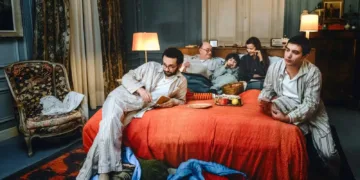
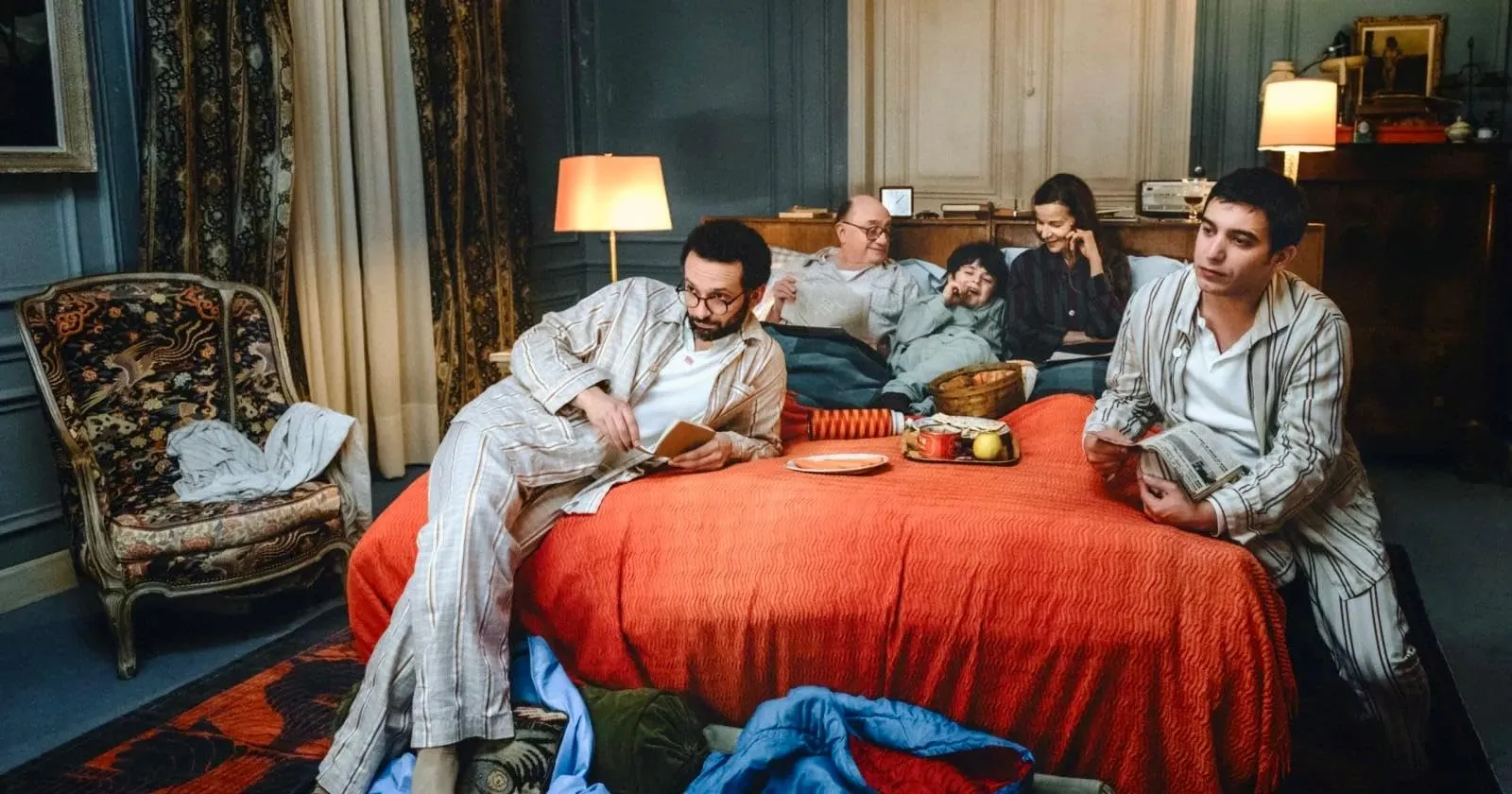
The Safe House Review

The viewer is invited to witness the shifting interplay between a present filled with youthful curiosity and a past burdened by historic events, with the film shifting gears almost imperceptibly between these two temporal planes.

A recurring voiceover guides us along this fractured timeline. Its tone oscillates from matter-of-fact to reflective, serving both as a guide and an unreliable chronicler of events. The child’s viewpoint, while fresh and unfiltered, sometimes appears limited in scope (a reminder that perspective can be as fallible as memory). The narrative occasionally exhibits what might be called a “Schrodinger’s cat” method—a technique that leaves certain truths suspended, a creative choice that injects ambiguity into the overall structure.

The pacing in this work is notably variable. Short, brisk sequences capture the spontaneity of familial interactions, while more languid passages evoke the weight of historical reminiscence. This variance in tempo creates an effect that is both disorienting and engaging, forcing the audience to reconcile moments of levity with scenes heavy with implication.

One moment, we are treated to rapid-fire exchanges of wit among family members; the next, the screen lingers on subtle cues—a faded photograph, a lingering glance—that hint at deeper personal and collective histories. In this light, the film’s structure can be seen as a deliberate experiment in narrative time, a creative gamble that may provoke differing responses from its audience.

Faces of Memory: Character Analysis and Performances

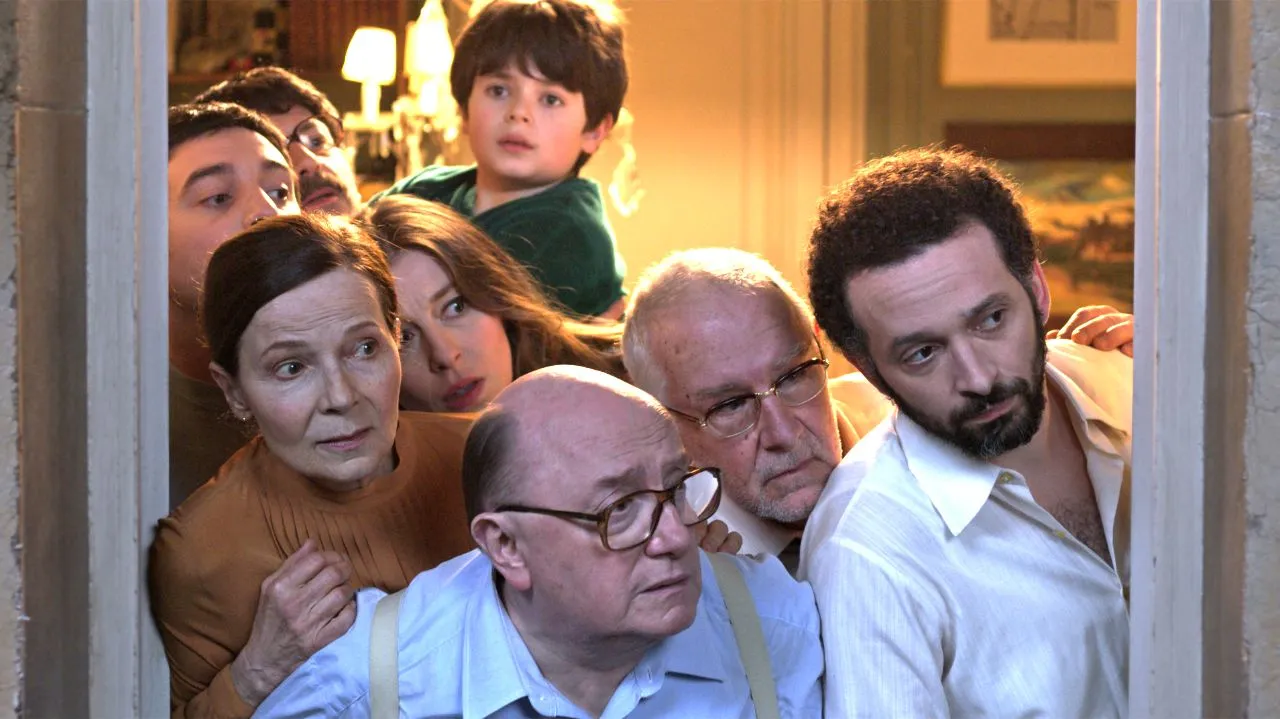
The film introduces a sprawling family spanning generations, where every member contributes to a picture of intricate interpersonal dynamics. The interactions within this household reveal a curious mixture of affection and dysfunction. Conversations spark with dry humor, and small moments crackle with the tension of unspoken history. The family unit serves as both a microcosm of societal shifts and a stage for personal revelations.

The young protagonist, seen through a lens of wide-eyed curiosity, acts as a silent observer of the household’s internal conflicts. His perceptions shift subtly as he witnesses the layered personalities around him—a living record of innocence in contact with the weight of memory. His character, at once unburdened and slowly acquiring the wisdom of experience, reflects a transformation that echoes the changes unfolding in society.

Grandpapa is portrayed as a gentle soul caught between vulnerability and compassion. Occasional humorous scenes involving his physical awkwardness contrast with moments where his eyes betray deep-seated scars from past experiences. His presence is both touching and thought-provoking, as scenes hint at inner battles that mirror larger historical hardships.

Grandmama stands as a pillar of determination, her physical limitations scarcely hindering her resolve. She negotiates everyday challenges with an air of pragmatic wit, offering emotional solace while guiding family decisions. Her resourcefulness and strength position her as the keeper of both personal and collective memories.

The great-grandmother and the uncles lend a peculiar charm to the narrative. Their eccentricities and distinctive cultural imprints provide flashes of irony (one might even call it a wry commentary on tradition in modern times). Each character’s quirks contribute to a mosaic of experiences, provoking thoughts about the passage of time and the weight of legacy. Every performance serves as a study in resilience, inviting viewers to reflect on the interplay between individual quirks and shared histories.

Historical Echoes and Cultural Resonance

Set against the charged atmosphere of May 1968, the film situates its narrative within a Paris ablaze with protest and reformation. The backdrop is a mosaic of passionate upheaval, where the streets become a stage for fervent declarations and shifting identities. The depiction of revolutionary spirit reflects the personal metamorphoses of its characters, mirroring a society in flux (one might call this a cinematic microcosm of urban unrest).

The narrative is interlaced with memories that hearken back to the ravages of a previous global calamity. Reminders of a war-torn past surface through carefully placed flashbacks and symbolic imagery—a faded letter, an antique photograph—that speak to scars left by earlier conflicts. Such historical echoes serve as a counterpoint to the immediacy of 1968, suggesting that the residue of past horrors often informs current ideals. These sequences are executed with a subtle playfulness, hinting that history itself might be both a burden and a quirky storyteller.

Cultural markers are abundant throughout the film. The influence of French New Wave techniques is unmistakable; the use of unconventional camera angles and a seemingly spontaneous editing style punctuates scenes with an air of intellectual nonchalance. Period-specific props, from vintage radios to meticulously recreated street art, provide a visual record that is as informative as it is decorative. Art, literature, and music are woven into the narrative, evoking an era when cultural production was a form of resistance and a mirror for society’s evolving self-image (a nod to the filmmakers’ own inventive lexicon).

This exploration of a pivotal moment in history is balanced with an examination of personal memory, with each frame inviting the viewer to question how communal experiences shape individual lives, and vice versa. The film leaves us pondering whether the remembrances of past turmoil continue to influence today’s social fabric.

Visions of the Past: Production Design and Visual Style

The family home in this film is not merely a backdrop; it is a character in its own right, a living archive of both splendor and decay. The interiors teem with clutter—a careful accumulation of historical artifacts and personal memorabilia that transforms the apartment into a physical record of time gone by. One can almost hear the whispers of past conversations amid the stacked books and faded portraits. (There’s a certain charm in the chaos, even if it borders on overwhelming.)

The production design expertly mirrors the family’s intricate history, oscillating between the refined and the dilapidated. Every room appears meticulously curated to evoke the grandeur of a bygone era while simultaneously hinting at neglect. The layout itself, with its maze-like corridors and cramped spaces, reinforces the notion of inescapable familial legacy—a space where memories are as much a part of the architecture as the peeling wallpaper.

Visually, the film relies on a palette that is at once muted and nostalgic. The lighting casts long shadows and warm hues that conjure a sense of lost time, while the camera work (often punctuated by clever rear projections) layers the present with echoes of the past.

This technique, which I might dub “time stitching,” bridges the temporal gap, allowing viewers to experience the intertwined narratives of personal memory and historical residue. Recurring motifs, such as heirlooms and relics, serve as silent narrators that highlight themes of memory and identity, inviting contemplation of how the past incessantly shapes the present.

Sound and Signal: Technical Craft and Symbolism

The film’s soundscape, dominated by a jazz-inflected score, infuses every scene with an understated yet incisive mood. The music, lively and unpredictable, lends a pulse to the narrative that often mirrors the internal state of its characters. Quiet moments are punctuated by a delicate interplay between ambient noise and musical flourishes—a sonic counterpoint to the visual tableau.

Technical resources are employed with resourcefulness. Back-screen projections and carefully arranged set pieces lend a convincing period feel despite modest means. The use of practical effects and inventive set decorations creates a textured environment that is at once nostalgic and refreshingly inventive (a sort of “retro ingenuity,” if you will). Lighting and camera work contribute further, employing a palette that conjures the past without resorting to sentimentality. Short, punchy cuts share space with lingering, reflective takes.

Visual cues and musical motifs work together in a curious duet. Recurring images—a weathered family heirloom, a faded poster—serve as visual shorthand for the enduring impact of memory and identity. In one memorable scene, a subtle crescendo in the score coincides with a slow pan across an artifact laden with history, a moment that quietly underscores the film’s meditation on resilience and the persistence of personal legacy.

The Review

The Safe House

8 Score

The film presents an intricate interplay of personal memory and historical resonance, blending dry humor with reflective nuances. Its narrative sometimes wavers between clarity and ambiguity, yet it offers a fresh perspective on generational trauma. The resourceful technical execution and evocative musical score enrich the viewing experience. A film that invites reflection while entertaining.

PROS

  • Innovative narrative structure
  • Strong, memorable performances
  • Rich period detail and production design
  • Evocative musical score and sound design

CONS

  • Occasional narrative ambiguity
  • Uneven pacing in parts

Review Breakdown

  • Overall 0
Tags: Agnieszka RamuBande à part FilmsComedyFeaturedLa cacheLes Films du LosangeLes Films du PoissonLiliane RovèreLionel BaierMichel BlancRadio Télévision SuisseSwiss Broadcasting CorporationThe Safe HouseThe Safe House (2025)William Lebghil
Previous Post

The Bayou Review: Exploring Tension in the Swamp

Next Post

After This Death Review: A Poetic Examination of Identity and Isolation

Try AI Movie Recommender

Gazettely AI Movie Recommender

This Week's Top Reads

  • Is This Seat Taken? Review

    Is This Seat Taken? Review: A Satisfying Mental Workout

    1294 shares
    Share 0 Tweet 0
  • Fauda Season 5 Review: Revenge Crosses the Mediterranean

    1 shares
    Share 0 Tweet 0
  • A Tale of Two Cities Review: Dickens Rewritten for Prestige TV

    0 shares
    Share 0 Tweet 0
  • You Can See Everything Review: Three Hours Inside a Manufactured Reality

    0 shares
    Share 0 Tweet 0
  • Trust Review: Squandered Potential and an Incoherent Plot

    6 shares
    Share 0 Tweet 0
  • The Grand Tour Review: The Keys Change Hands

    0 shares
    Share 0 Tweet 0
  • Last Seen Review: A Missing-Girl Thriller With Better Questions

    1 shares
    Share 0 Tweet 0

Must Read Articles

Marvels Wolverine Review
PlayStation

Marvel’s Wolverine Review: A Great Logan Trapped in a Limited Action Game

10 hours ago
American Hostage Review
TV Shows

American Hostage Review: A Hostage Crisis Traps the Reporter Too

11 hours ago
NHL 27 Review
Games

NHL 27 Review: EA Has the Right Ideas, Mostly

14 hours ago
The Drop A Snowfall Saga Review
TV Shows

The Drop: A Snowfall Saga Review: West Coast Hip-Hop Gives the Franchise Fresh Energy

14 hours ago
The Debut Review
Movies

The Debut Review: Julianne Moore Finds Herself and Becomes Everyone Else’s Problem

2 days ago
Loading poll ...
Coming Soon
Which of Alfred Hitchcock's 1960s thrillers is your all-time favorite?

Gazettely is your go-to destination for all things gaming, movies, and TV. With fresh reviews, trending articles, and editor picks, we help you stay informed and entertained.

© 2021-2026 All Rights Reserved for Gazettely

What’s Inside

  • Movie & TV Reviews
  • Game Reviews
  • Featured Articles
  • Latest News
  • Editorial Picks

Quick Links

  • Home
  • About US
  • Contact Us
  • Advertise with Us
  • Review Guidelines

Follow Us

Facebook X-twitter Youtube Instagram
No Result
View All Result
  • Gazettely | Movie, TV & Game Reviews, News, and Rankings
  • Movies
  • Entertainment News
  • Movie and TV Reviews
  • TV Shows
  • Game News
  • Game Reviews
  • Contact Us

© 2024 All Rights Reserved for Gazettely