

























![Kingdom Hearts Collection [I-III] Review](https://gazettely.com/wp-content/uploads/2026/10/Kingdom-Hearts-Collection-I-III-1-360x180.webp "Kingdom Hearts Collection [I-III] Review: KHII Holds Steady as Newer Entries Fluctuate 37")





Cottontail unfolds as a poignant cross‑continental quest sparked by a dying wish: a Japanese widower must carry his late wife’s ashes from Tokyo to England’s Lake District. The film contrasts Tokyo’s neon‑lit crowds with the misty calm of Windermere, using each location to mirror stages of grief and acceptance. In the city, Kenzaburo’s solitary routines—a stolen packet of octopus, a silent toast to an empty seat—establish his inner void. When he arrives in Cumbria, rolling hills and rain‑slicked lanes become a canvas for quiet reflection and unexpected warmth.
At its emotional core, Kenzaburo’s mission—to honor Akiko’s childhood memories by scattering her ashes where she once chased rabbits—anchors the narrative in a simple yet profound act of devotion. Patrick Dickinson balances gentle humor (lost trains, awkward bicycle rides) with moments of stillness, allowing viewers to share in Kenzaburo’s uncertainty.
Cinematically, the film bridges styles familiar to Indian parallel‑cinema aficionados—intimate close‑ups, natural light, sparse dialogue—with techniques from European art‑house traditions, such as soaring aerial takes and a restrained score. This fusion underscores global trends toward hybrid storytelling, where cultural authenticity and universal themes coexist. In Cottontail, personal loss becomes a language anyone can understand, inviting audiences from Mumbai to Manchester to witness a pilgrimage of memory and reconciliation.
Mapping Grief’s Journey: Cottontail’s Rhythmic Flow
Patrick Dickinson structures Cottontail with a deliberate pacing that mirrors Kenzaburo’s emotional arc, much like the patient storytelling of Indian parallel cinema. The opening act establishes its stakes with the funeral scene: a hushed ceremony, the slow reveal of Akiko’s letter, and the quiet resolve to honor her last wish. Here, we meet Kenzaburo’s grief‑worn solitude alongside Toshi’s dutiful impatience—echoing family tensions found in films like Aparna Sen’s 36 Chowringhee Lane, where unspoken hurts simmer beneath polite rituals.
As the film progresses to its mid‑point complications, Dickinson contrasts Kenzaburo’s impulsive detours—stealing octopus to recreate a wedding‑anniversary meal—with Toshi’s meticulous itinerary. This clash recalls Bollywood road‑trip comedies such as Piku, yet Cottontail’s detours deepen character rather than merely entertain. A wrong train strands Kenzaburo in a rain‑soaked station; a solo bicycle ride through Cumbria’s misty lanes leaves him humbled. Each mishap peels back layers of his denial and pride.
Flashback integration serves as a narrative anchor. Dickinson weaves in childhood courtship rituals—Akiko’s insistence that Kenzaburo teach her to say “rabbit”—alongside later scenes of her dementia’s advance. These past‑present cuts, edited with seamless dissolve transitions, avoid halting the plot. Instead, they punctuate Kenzaburo’s present choices, much like the memory montages in Satyajit Ray’s Charulata, where loving details reinforce emotional stakes without stalling forward motion.
In the climactic convergence, father and son finally ride side by side, their earlier distance bridged by shared hardship. This reunion, underscored by a swelling yet restrained piano motif, resolves both personal regret and familial discord.
Throughout, the film’s rhythm balances moments of meandering—long, silent shots of lakeshore dawn—with deliberate narrative drive. Tension builds in small beats: Kenzaburo’s hesitation before scattering ashes, Toshi’s quiet relief when they pedal together—each release offering catharsis that resonates across cultures.
Faces of Remembrance: Character Portrayals in Cottontail
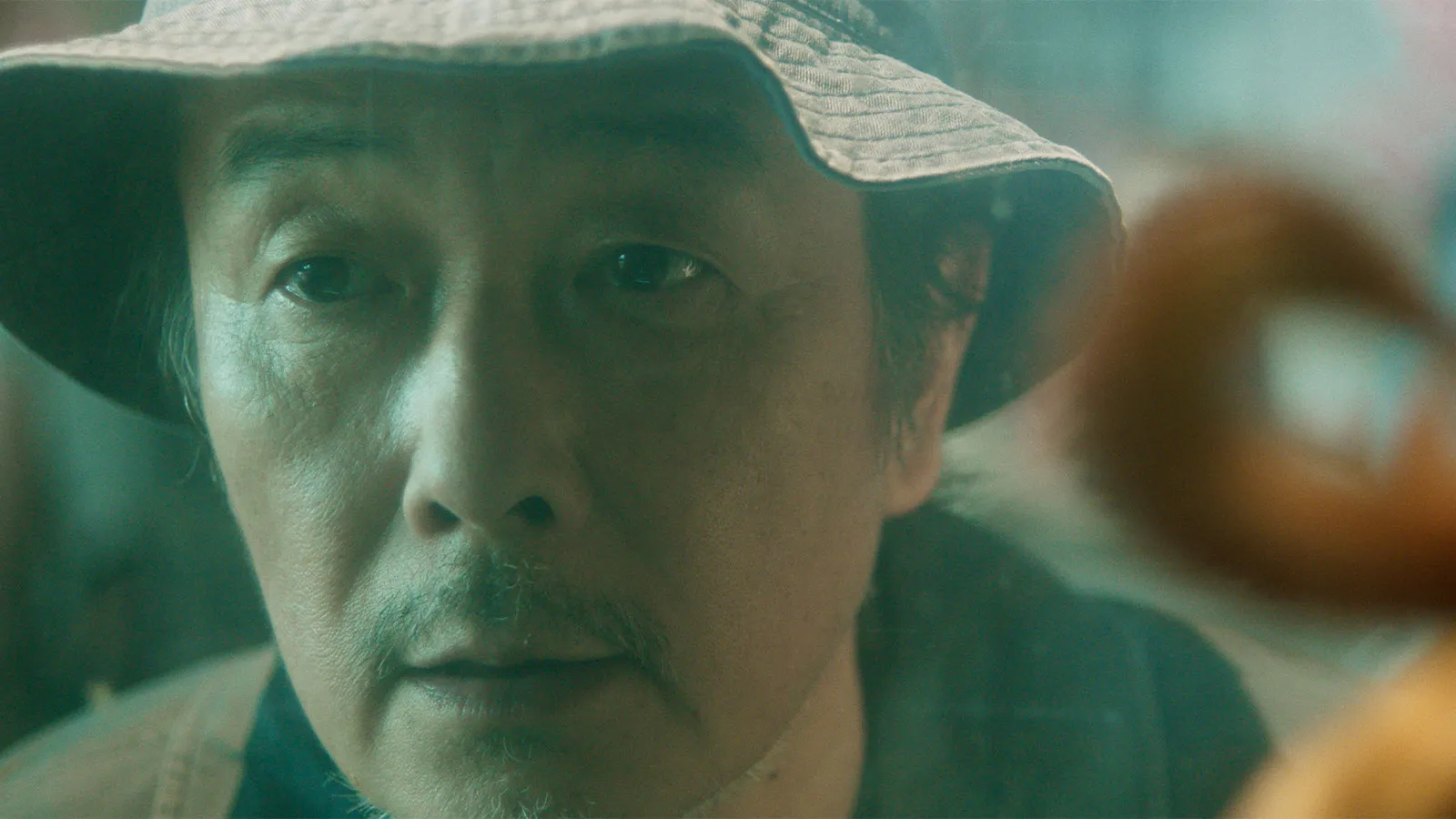
Franky channels a performance reminiscent of the nuanced restraint found in Indian parallel cinema—think Smita Patil’s silent intensity—yet retains a warmth that feels distinctly his own. In early Tokyo scenes, his slumped shoulders and hollow gaze speak volumes before a word is uttered. As he pedals through Cumbria, subtle furrowing of his brow and hesitations at forks in country lanes mirror his internal struggle: first, an iron‑clad denial of Akiko’s absence, then a gradual softening that blooms in quiet acceptance.
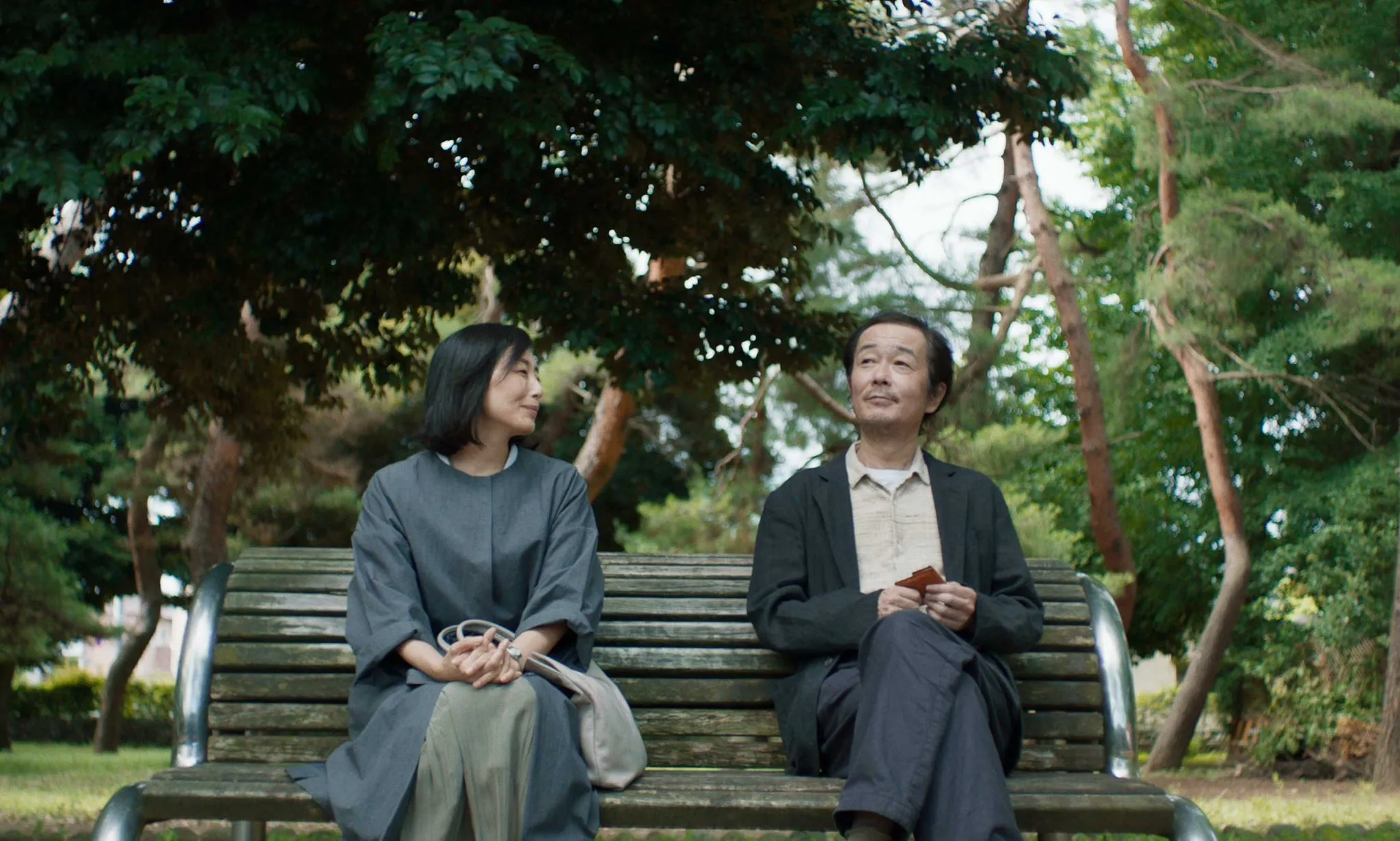
Splitting Akiko between a frail present and vivacious past, Dickinson invites comparison to dual roles in films like Mani Kaul’s Biwi aur Makaan, where memory and reality overlap. Kimura’s measured delivery in lamenting her lost lucidity contrasts sharply with Tsunematsu’s bright laughter as young Akiko, learning to say “rabbit” in English. The tarnished pendant and a faded lakeside photograph become symbols of enduring love—props charged with the same emotional currency as Bollywood’s heirloom bangles, yet rendered here with minimalist elegance.
Toshi embodies the filial obligation so central to many Hindi family dramas, torn between duty and simmering resentment. His clipped instructions—booking hotels, tracking ferries—reveal a longing for control in a world upended. Satsuki and Emi act as emotional translators: her gentle reminders and his daughter’s curious questions coax Toshi toward vulnerability. These dynamics echo the generational tensions in films like Sriram Raghavan’s Agent Vinod, but grounded in everyday gestures rather than high‑octane thrills.
John’s weathered gaze and Mary’s tentative hospitality mirror Kenzaburo’s grief, creating a cross‑cultural mirror that needs no subtitles. Their brief warmth—offering tea, sharing silent walks—becomes a pivotal pivot, much like side characters in Indian art‑house films who catalyze main characters’ transformations without stealing the spotlight.
Across language barriers, unspoken glances—Kenzaburo’s nod of gratitude, Emi’s wide‑eyed smile—forge empathy. These moments recall the understated teamwork in films such as Mira Nair’s Salaam Bombay!, where connection transcends words. In Cottontail, every shared look and small gesture stitches together a tapestry of healing that resonates beyond cultural borders.
Echoes of the Heart: Grief, Memory, and Connection
Cottontail places personal sorrow alongside collective mourning. In Tokyo’s pre‑dawn hush, Kenzaburo raises two glasses—one for himself, one for Akiko—before stealing octopus to recreate a wedding‑anniversary meal. His solitary ritual, shot in tight close‑up with minimal dialogue, contrasts Toshi’s hushed breakdown at the funeral. Where parallel‑cinema staples like Govind Nihalani’s Arth explore grief in shared spaces, Dickinson splits these experiences: private denial versus public sorrow.
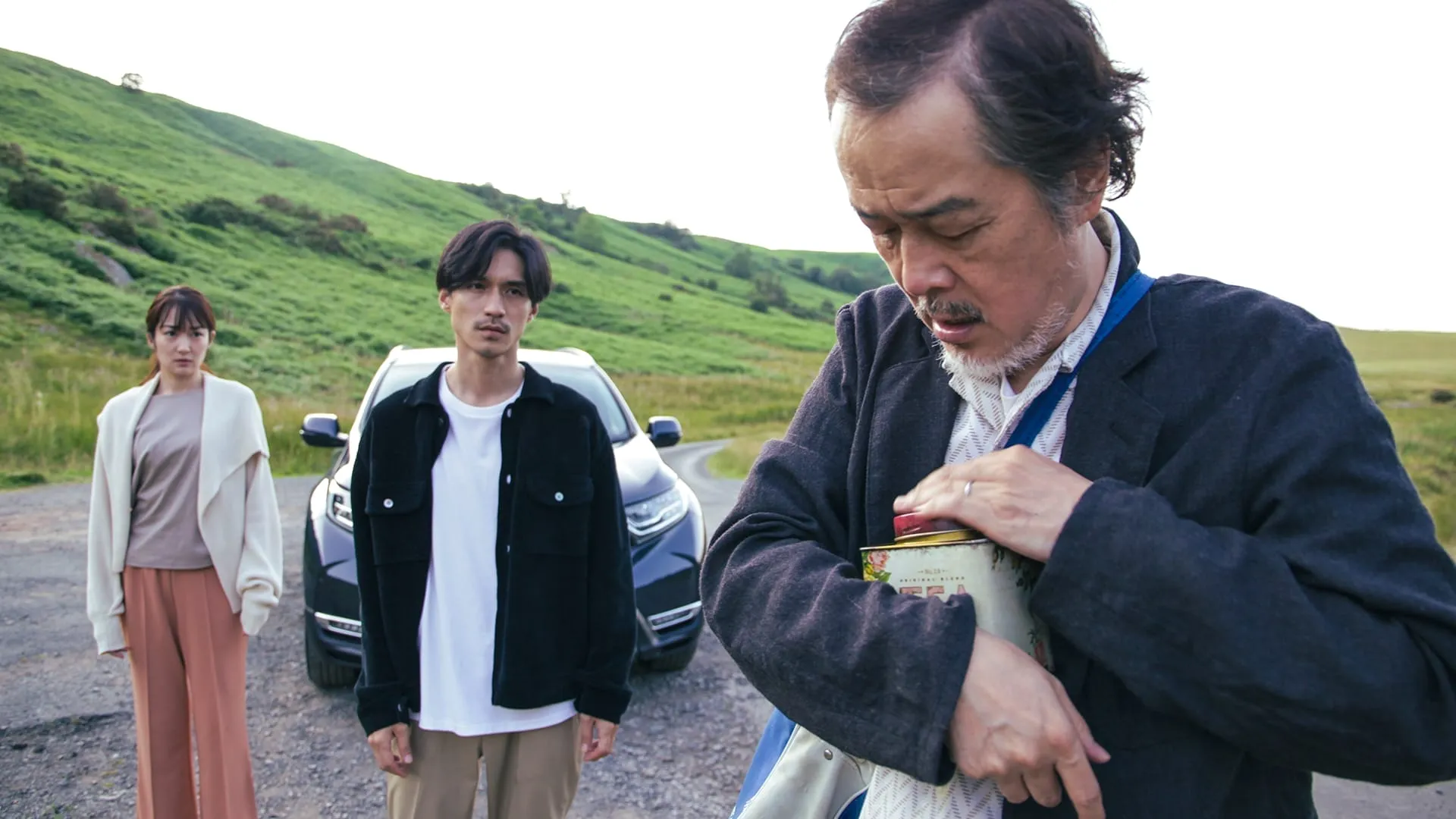
A promise to Akiko becomes the film’s guiding thread. Toshi’s meticulous planning—booking ferries, corralling hotel reservations—reflects the weight of duty in Hindi films such as Satyajit Ray’s deviations on familial promise. Kenzaburo’s solo bicycle detour through rain‑slicked lanes forces Toshi to chase after him, turning competition into cooperation. When father and son finally pedal side by side, their synchronized effort feels earned rather than scripted.
Akiko’s rabbit pendant and a faded lakeside photograph serve as anchors to a vanished past. Flashbacks transition with dissolves that recall Adoor Gopalakrishnan’s light‑touched sequences, revealing young Akiko (Yuri Tsunematsu) learning “rabbit” from Kenzaburo. These fragments, intercut with her later dementia‑blurred moments, keep nostalgia alive without slowing forward motion.
Carrying ashes in a decorative tea tin, Kenzaburo enacts a ritual of atonement. Close‑ups of trembling hands over the lake’s surface betray regret for moments lost to Akiko’s illness. This play of light and shadow—her final letter read against a window’s glow—echoes the moral reckonings found in Bollywood dramas, yet remains quietly intimate.
Stranded after a wrong train, Kenzaburo finds solace with John and Mary (Ciarán & Aoife Hinds). Their exchange of silent nods, shot in single takes, highlights grief’s universal language. These scenes mirror the warmth of films like Mira Nair’s Salaam Bombay! where empathy transcends spoken words, affirming that across borders, human bonds hold firm.
Framing Emotions: Dickinson’s Subtle Visual Language
Patrick Dickinson guides Cottontail with a quiet confidence more often found in Indian art‑house films than in mainstream dramas. His approach here is measured: scenes unfold without ornamental gestures, favoring small shifts in posture or gaze over grand declarations. Early Tokyo sequences linger on Kenzaburo’s solitary walk home, the camera holding just long enough to capture the weight of his grief before cutting to the next beat.
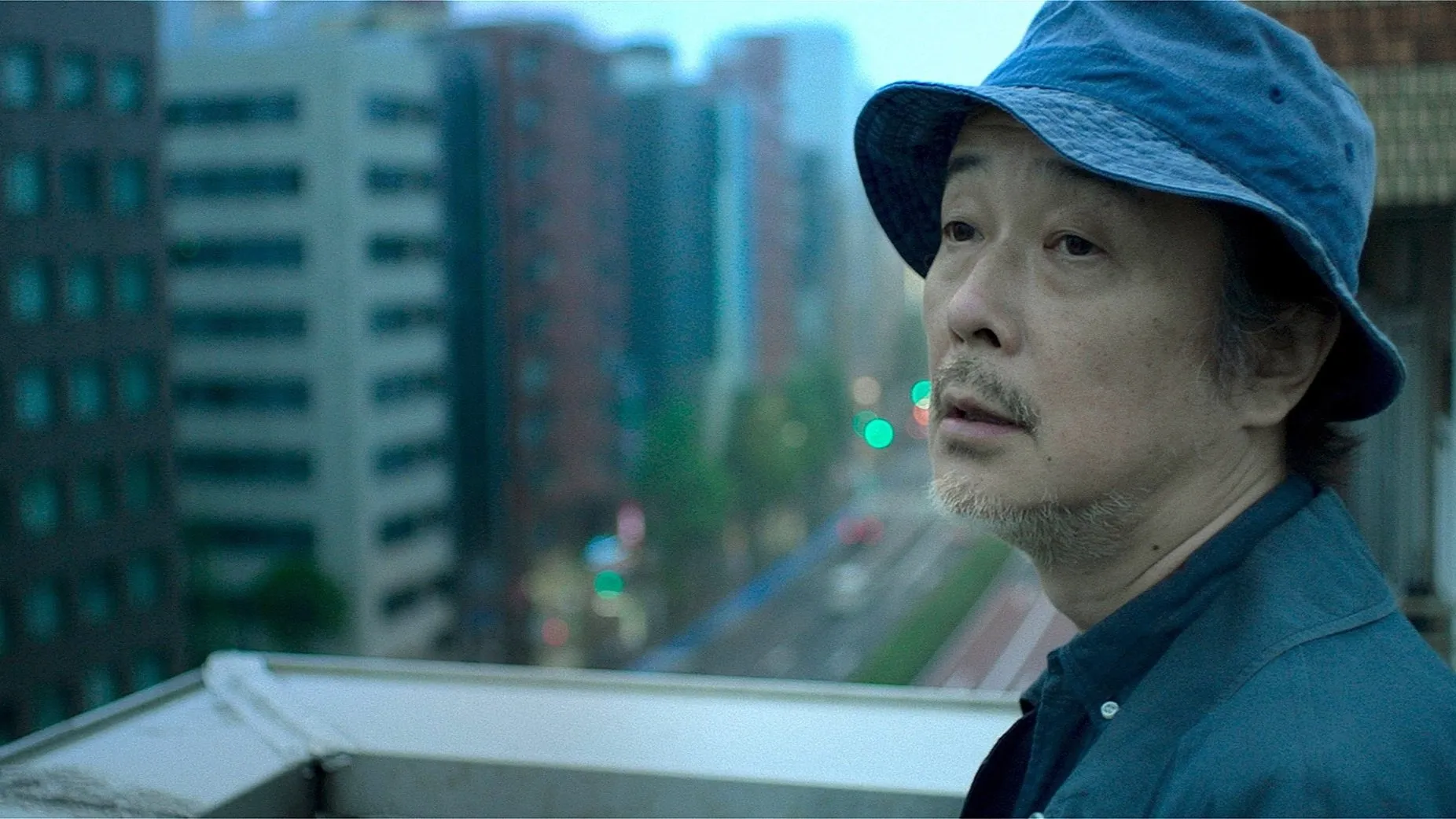
The cinematography contrasts two worlds as vividly as a Bollywood color palette. In Tokyo, neon signs and rice bowls under streetlights feel tactile, alive with urban energy. Once in Cumbria, the lens retreats, offering sweeping aerial views of Lake Windermere framed against rolling hills. These shots echo the grandeur of international road‑movie epics yet retain an intimacy that recalls Ritwik Ghatak’s human‑scaled landscapes.
Andrew Jadavji’s editing threads past and present with invisible seams. Flashbacks of young Akiko chasing rabbits begin with gentle fades, then accelerate to match Kenzaburo’s racing heartbeat in moments of crisis. Dickinson and Jadavji choose to let certain scenes breathe—watching rain trace the window at a hotel—while cutting other sequences briskly, such as trains departing misty stations, to keep the journey moving forward.
Recurring visual motifs create a silent dialogue: the rabbit pendant glints in candlelight, train tracks curve out of focus like life’s uncertain turns, and ash-scattering rituals reflect on water’s surface as if it were a threshold between worlds. Occasionally, characters appear in doorways or reflected in shop windows, underscoring the film’s interest in transition—between past and present, grief and acceptance, East and West.
Whispered Echoes: Soundscapes in Cottontail
Stefan Gregory’s score weaves through Cottontail with striking restraint. Melancholy strings unfurl beneath Kenzaburo’s solitary rituals, while subtle piano motifs punctuate moments of quiet revelation—most notably when the tarnished rabbit pendant glints in soft light. This leitmotif of the rabbit returns each time memory and loss collide, swelling into a gentle crescendo as Kenzaburo nears Akiko’s cherished lake.
Ambient sound anchors each locale in lived reality. Tokyo’s vendors hawk fish and vegetables as distant traffic hums, grounding the film in everyday bustle. In Cumbria, that energy gives way to rustling grass, dripping eaves, and the steady hiss of bicycle tires on wet lanes. Rain tapping against a train window or wind stirring reeds at the lakeshore becomes part of the narrative, heightening the viewer’s sense of place.
Silence carries its own weight in Dickinson’s film. Long pauses allow unspoken emotion to surface: Kenzaburo’s breath catching as he opens Akiko’s final letter, Toshi’s hesitation before guiding his father back onto the road. Dialogue, alternating between Japanese and English, remains crisp and clear—each word carefully enunciated so that cultural nuance shines through without subtitles ever feeling obtrusive. In Cottontail, sound and score don’t just accompany the story; they become its most intimate voice.
Final Reflections: Cottontail’s Quiet Resonance
What stands out most is Franky’s gentle portrayal of a man learning to grieve and forgive; his expressive stillness anchors each scene. Images of mist‑shrouded lakes and narrow country roads reveal Dickinson’s eye for visual poetry, while memory‑drenched flashbacks add emotional layers without slowing the pace. Shared moments—two fathers nodding across a kitchen table, three generations pedaling side by side—capture connections that cross cultural divides with simple grace.

There are stretches when the pace drifts—extended vistas that occasionally feel unhurried to a fault—and the reconciliation arc follows a familiar pattern. Some supporting characters, aside from Franky and the Hinds duo, could have used deeper development, leaving a few relationships sketched rather than fully realized.
Yet Cottontail leaves an enduring echo of duty fulfilled and wounds eased by small acts of love. Scenes of ash‑scattering at dawn linger in the mind like a softly whispered promise, underscored by a spare piano theme that feels both universal and intimately tied to its characters.
For anyone drawn to contemplative family tales rich in cultural authenticity and human warmth, this debut offers a thoughtful, character‑driven voyage through grief toward quiet renewal. Positioned alongside recent international dramas, it marks Dickinson as a filmmaker to watch on the global stage.
Full Credits
Director: Patrick Dickinson
Writer: Patrick Dickinson
Producers and Executive Producers: Gabrielle Tana, Jamie Harvey, Satch Watanabe, Hélène Théodoly, Raymond Phathanavirangoon
Cast: Lily Franky (Kenzaburō), Ryo Nishikido (Toshi), Tae Kimura (Akiko), Rin Takanashi (Satsuki), Aoife Hinds (Mary), Ciarán Hinds (John), Yuri Tsunematsu (Young Akiko), Isy Suttie (Olivia), Thomas Coombes (Arthur), Yuki Matsuzaki, Angus Barnett, Miki Maya, Dave Simon, Sarah Mayhew, Ken Mitsuishi
Director of Photography (Cinematographer): Mark Wolf
Composer: Stefan Gregory
The Review
Cottontail
Cottontail offers a tender, visually poetic exploration of grief and reconciliation, anchored by Lily Franky’s understated performance and Patrick Dickinson’s observant direction. Its deliberate pace and cultural sensitivity enrich the experience, even as supporting roles feel underexplored.
PROS
- Lily Franky’s nuanced central performance
- Patrick Dickinson’s restrained, observant direction
- Striking visual contrast between Tokyo and the Lake District
- Seamless editing that weaves flashbacks into the present
- Rich atmospheric sound design and memorable score
CONS
- Occasional narrative meandering
- Predictable reconciliation arc
- Underdeveloped supporting characters
- Slow pacing in extended scenic shots







