




























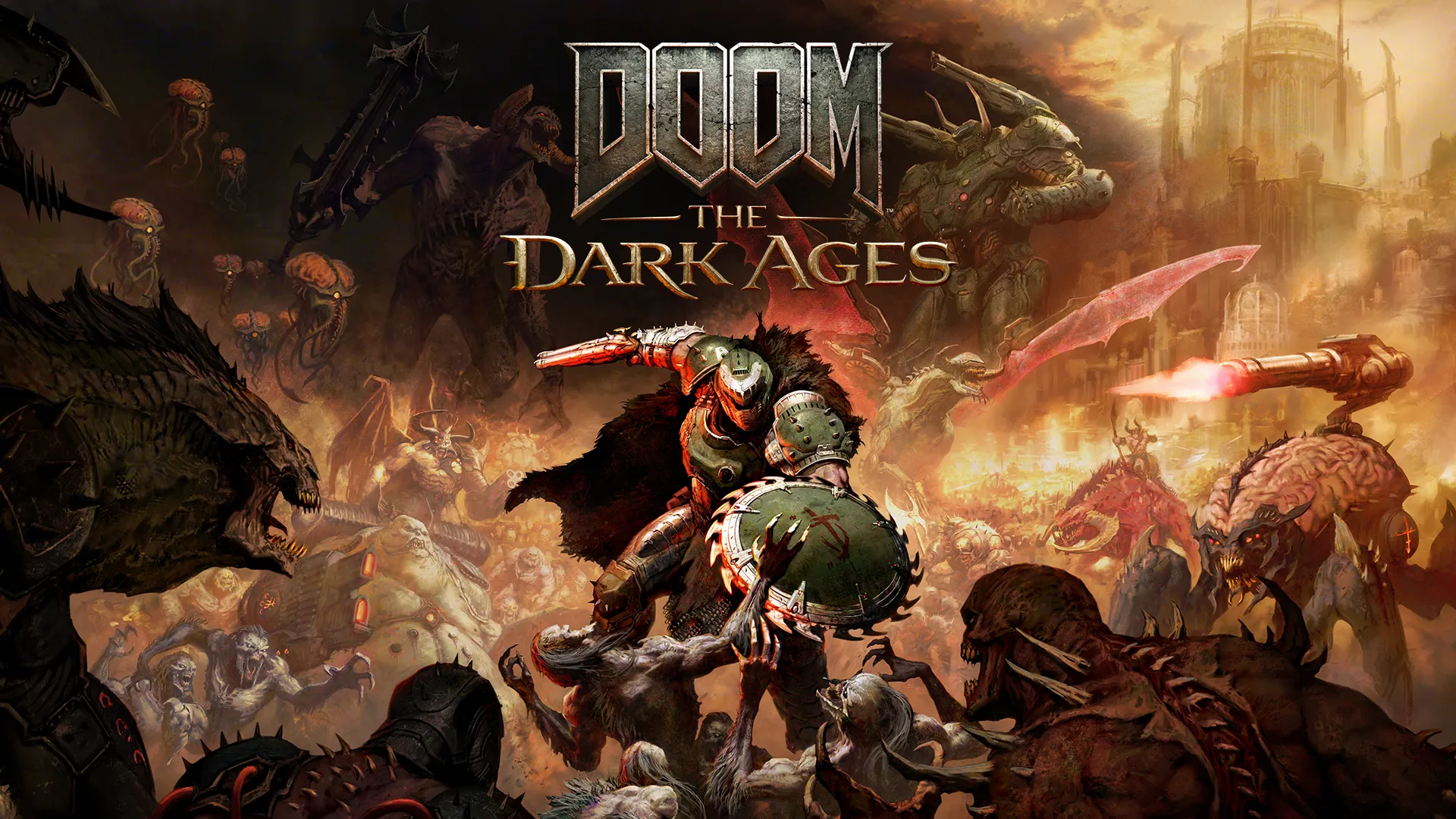

Long before the events of Doom (2016), id Software casts players as the Slayer during the war to reclaim Argent D’Nur, a conflict steeped in myth and metal work. Here, the Shield Saw shapes every encounter: its capacity to block incoming red‑lit strikes and reflect green‑shaded blows embodies the Slayer’s transition from frenetic loner to armored vanguard.
That shift in combat design feeds the narrative at each turn—charging into clusters of Imps or stomping across demon‑scarred ramparts becomes a story beat about defiance, transforming each firefight into a statement of relentless will. Wielding a medieval‑flavored rifle or the Skullcrusher Pulverizer makes the medieval vision feel lived‑in, each weapon’s form echoing the technological sorcery of the Maykrs.
When environmental puzzles hinge on tossing the shield into molten machinery or hurling it through arcane runes, mechanical play loops into world‑building moments that might recall how indie titles like Death’s Door weave tools into lore. Even the dragon‑riding and mech suit interludes task players with shifting tactics mid‑cutscene, reinforcing the campaign’s tone of sudden upheaval.
Forged in Battle: Combat & Core Mechanics
Doom: The Dark Ages trades the acrobatic flair of its predecessor for a weighty, intentional pace. Heavy footsteps echo across ruined battlegrounds, grounding every sprint and slide in palpable force. The shield‑bash dash, a one‑button maneuver, closes distances faster than Eternal’s airdash ever could, with a shorter cooldown and a snapping impact that staggers foes.
High jumps still punctuate the flow, but each landing unleashes a radial shockwave—trading vertical grace for battlefield control. This shift in momentum demands players plan their paths through open fields, reminding me of how indie action‑RPGs like Godfall balance aerial flair against grounded combat.
At the heart of each encounter lies the Shield Saw. Red‑tinged attacks are soaked by a raised guard, while green attacks become projectile return weapons when parried. The default parry window feels generous—inviting newcomers to experiment—yet veteran players can tighten timing in menus for higher‑risk, higher‑reward play. A well‑timed bash knocks small demons off balance and sends larger ones reeling, carving paths through dense hordes. When the shield is thrown, it decapitates imps or buzzsaws into elite beasts, turning defense into aggressive utility that recalls the elegant parries of Dark Souls but with id’s trademark velocity.
The chainsaw’s absence makes way for context‑sensitive melee strikes that restore ammo on impact. Each weapon branches into its own upgrade tree, offering faster recharge, wider reach, or bonus damage on heavy enemies. Deciding when to engage in close quarters becomes a tactical choice: maintain distance with a rail‑spike rifle, or dive into a blast radius with a crushing hammer swing. That dynamic echoes how indie titles such as Hades encourage swapping between ranged and melee based on enemy type.
Familiar demons—Imps, Hell Knights, Mancubi—return with fresh twists: Pinkies ridden by archers, cosmic Cacodemons lit with otherworldly auras, and the Vagary resurfacing as a mid‑boss. Id dramatically increases on‑screen numbers, forcing you to manage flankers and surprise spawns. Exploiting weaknesses often hinges on a shield stun or environmental hazards, blending weapon synergies and guard tactics. In that sense, The Dark Ages invites players into a layered choreography of attack, guard, and counter, where each demon’s tell becomes a cue for strategic response.
Forging Power: Arsenal & Progression
From handcrafted medieval reinventions to spacetime‑shattering demolitions, The Dark Ages equips the Slayer with tools tuned to each narrative beat. The combat and Super Shotguns pack the familiar bark and kick, but elemental upgrades—like incendiary rounds or frost‑tipped pellets—feel earned through scripted sieges in frozen citadels or volcanic forges.

The rail‑spike rifle trades its sci‑fi railgun identity for a crossbow aesthetic, rewarding careful sight‑lines when picking off distant Sentinels. Its counterpart, the steel‑ball launcher, sacrifices pinpoint range for one‑shot devastation. Meanwhile, the plasma rifle and dual rocket/grenade launchers carve zones of control, echoing how RPGs such as Mass Effect marry area‑of‑effect tech with cover‑based tactics.
The Skullcrusher Pulverizer literally shreds hordes, its high RPM spray slicing swarms at point‑blank range. And though I won’t spoil it, the game’s BFG analogue arrives as a crescendo in both story and spectacle—a reward for surviving brutal campaigns that rivals classic “ultimate” skills in indie titles like Transistor.
Every armament shares its ammo type with a “sister” variant—rocket to grenade, Super Shotgun to combat shotgun—letting players pivot mid‑battle with a single button press. That fluid swap mirrors how action‑RPGs let you chain skills without menu dives, preserving momentum when demons close in.
Gold gathered from hidden caches fuels in‑level shops offering mods for fire rate, reload speed, or magnetic ammo. Shield Runes, unlocked through boss fights, trigger passive buffs on parries—turning defensive mastery into offensive boons. This steady drip of unlocks balances exploration rewards against campaign pacing, much like branching skill trees in Diablo or Hades.
Melee strikes replenish ammo, eliminating the need for a chainsaw and encouraging close‑quarters gambits. Armor shards, health packs, and shield batteries drop based on enemy type and damage method, weaving resource planning into every skirmish. The result feels deliberate: each pickup choice reinforces a playstyle that matches how the story frames the Slayer’s relentless advance.
Halls of Discovery
The Dark Ages arranges its levels like an old fortress—tight chambers opening into vast courtyards, each serving a distinct purpose in the Slayer’s crusade. Compact arena stages deliver concentrated bursts of fury, forcing quick decisions under fire, while expansive fields play out like siege lines, where encirclement by Imps or Hell Knights tells its own story of overwhelming odds.
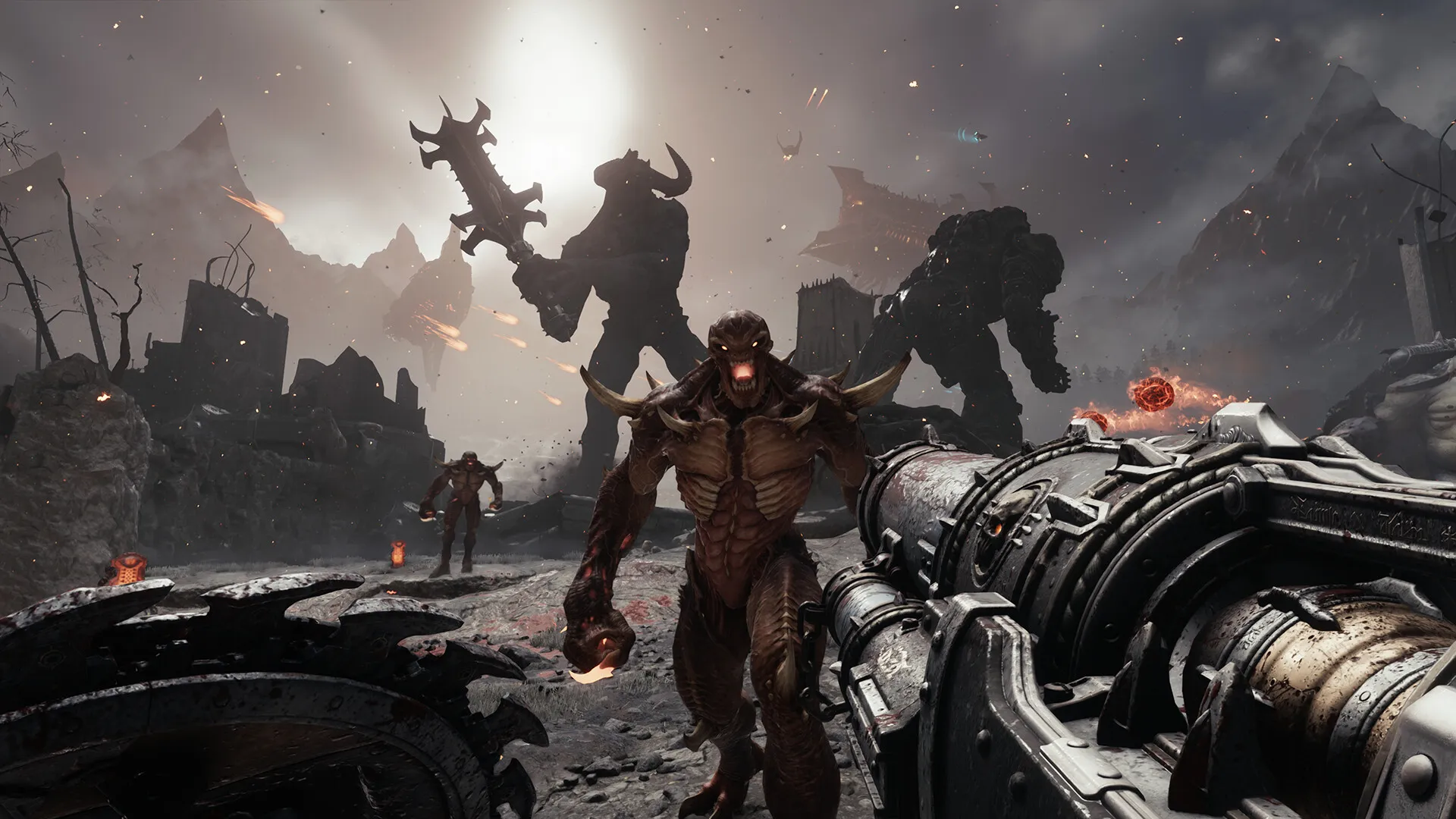
Central platforms act as command posts, with branching pathways leading back to key objectives or hidden alcoves, inviting both linear progress and backtracking that feels earned rather than repetitive—reminiscent of the hub‑and‑spoke design in Diablo’s town vistas versus dungeon corridors.
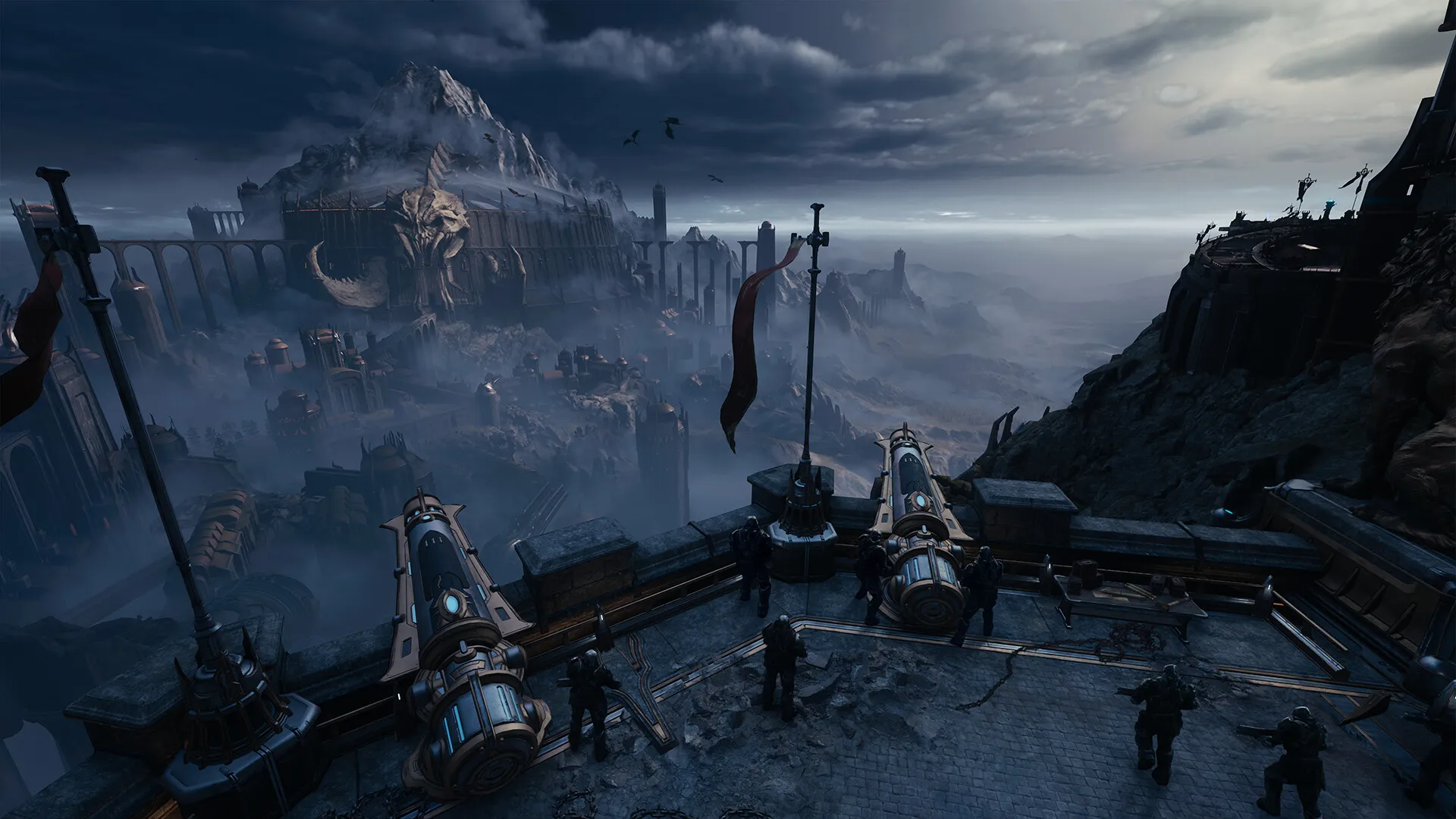
Visual variety underscores each battleground’s narrative role. Gothic keeps perched atop rocky spires speak to humanity’s last stand, their chainmail banners and carved glyphs drawing parallels to the lore‑rich tomes of indie RPGs like Tunic. Hellish wastelands scorch the horizon, the cracked earth and river of lava mirroring the stakes of the conflict, while cosmic puzzles set among floating platforms and eldritch machinery evoke the otherworldliness of games such as Death’s Door. These environments aren’t mere backdrops; they inform combat pacing and heighten tension when the Slayer’s shieldstorm unseals hidden runes.
Scattered collectibles—ornate figurines, alternate weapon skins, scraps of Maykr scripture—reward close inspection. Puzzles that unlock extra lives or gold can range from a simple rune alignment to a timed challenge, adjusting difficulty so explorers of any skill feel both tested and capable.
Set pieces break routine: punching hordes inside a towering mech frames the Slayer as a colossal force, while brief dragon‑ridden sorties demand aerial awareness more akin to a shoot‑’em‑up than a shooter. Lovecraftian laboratory puzzles pause the action for cerebral relief, their rune‑locked seals telling a micro‑story about ancient experiments.
Combat, exploration, puzzle, and vehicle moments cycle with precision—moments of calm let the score’s heavy riffs fade, only to return with a pack of revenants. This ebb and flow sustains momentum. Even after dozens of levels, the world resists staleness, its design urging players to look twice at every shadowed corridor and sunlit plaza.
Forging Atmosphere: Sound & Sight
The art team fuses rusted chainmail motifs with glowing plasma conduits, giving each sentinel fortress a lived‑in grit. Ruined spires etched with Maykr glyphs loom over ash‑choked battlegrounds, signaling humanity’s desperate stand. When demons swarm wrought‑iron gates, their arches echo with hellish intent.
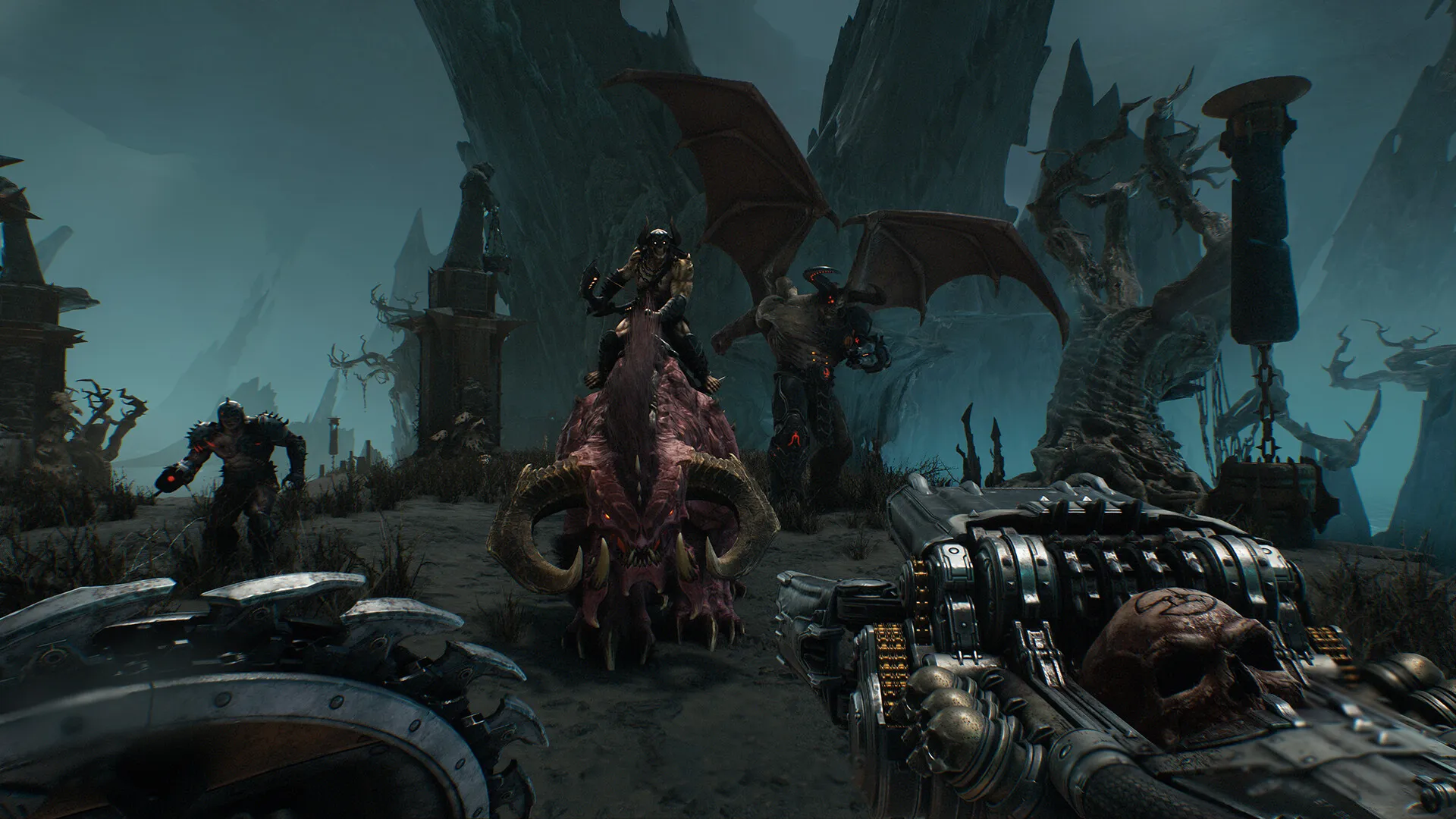
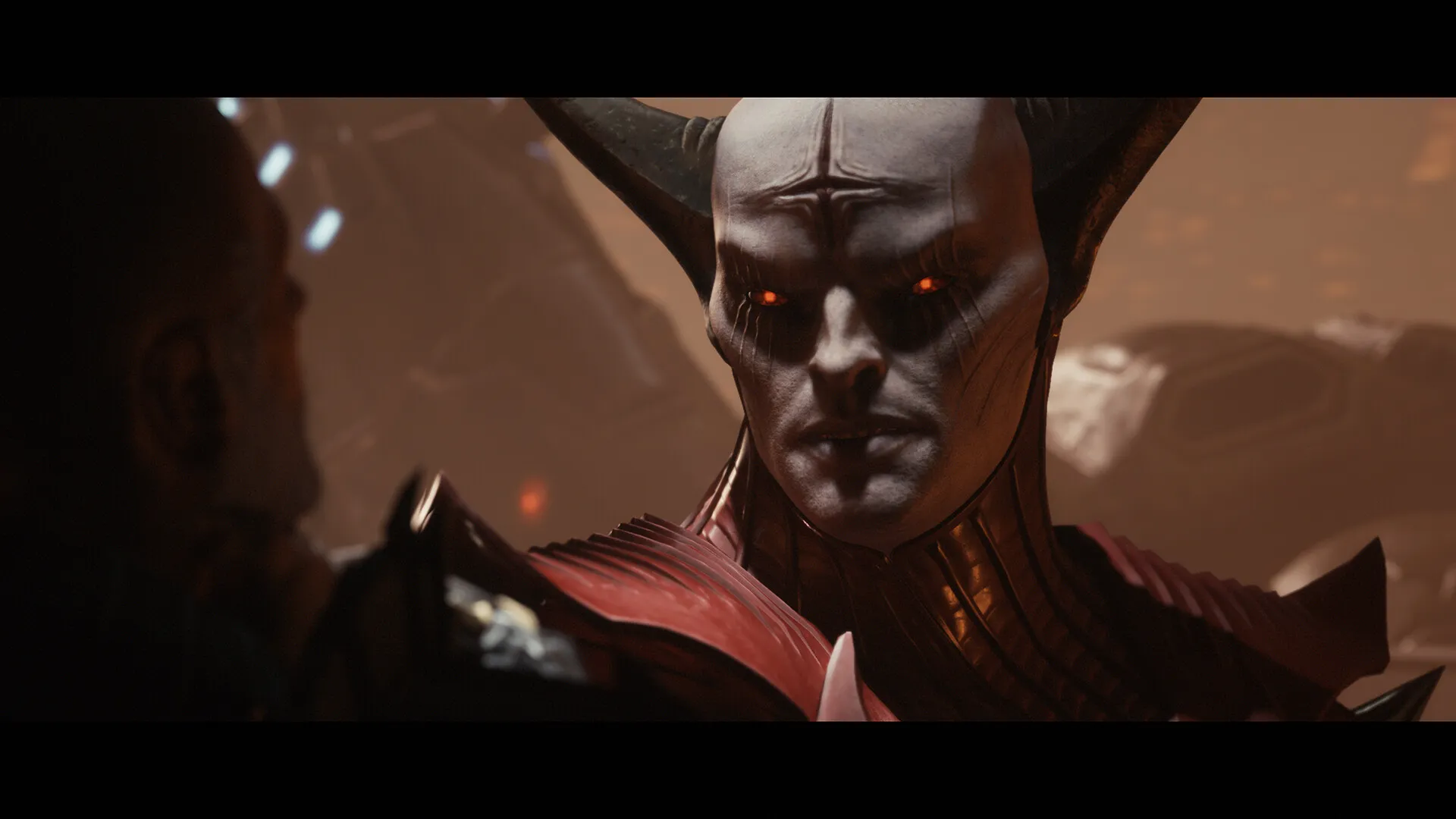
Pinkies ridden by archer demons wear tarnished armor plates, and cosmic Cacodemons drift in eerie luminescence, their glow tied to puzzle mechanics based on runic patterns. Mini‑bosses like the Vagary burst from shattered banners, while the Cyberdemon’s resurgence under flickering torchlight reinforces a sense of ancient dread.
Audio complements these visuals with thunderous weapon impacts—each shotgun blast rattles bones, and the Shield Saw’s parry clang delivers satisfying feedback. Ambient creaks in stone corridors and distant demon snarls heighten tension as players advance. Rune activations chime with crystalline clarity, guiding exploration instincts. Dynamic mixing lets musical swells during calm moments then yield to gunfire. Playing with music front and center uncovers layers that mirror the clash of steel and sorcery.
Smooth Siege: Performance & Accessibility
On PC and consoles alike, the game holds a steady 60 FPS in its default modes, with load times averaging under 20 seconds on SSDs and double that on traditional drives. High‑end presets deliver crisp textures and dynamic shadows, while performance options sacrifice visual flair for stable frame pacing—ensuring adrenalized moments never stutter.
The nightmare‑level default presents a steep challenge, yet granular sliders let players tweak projectile speeds, parry windows, and damage outputs. Auto‑sprint, HUD scaling, and screen‑effect toggles cater to varied playstyles, granting newcomers or speedrunners the tools to tailor their experience.
Accessibility options include multiple color‑blind palettes and high‑contrast cues for pickups and attack indicators. Full remapping of controls, robust subtitle settings, and separate audio channels for music, effects, and dialogue mean every Slayer can engage with the conflict on their own terms.
Echoes of Conflict
Collectibles and hidden altars pepper every fortress, encouraging thorough exploration to unearth Shield Runes and Maykr lore. Discovering a hidden chamber yields gold while revealing a fragment of the war’s origins, tying gameplay loops to narrative depth.
Similar to the challenge rooms in Dark Souls and the keepsakes scattered in Hades, the abundance of secrets beckons veterans to chase every fragment. After the main campaign, Challenge Modes unlock modifiers—heightened enemy aggression or reduced parry windows—inviting speedruns or survival runs.
A custom arena builder, if supported, could let communities craft their own slaughterfields. Replay paths feel purposeful, each run deepening mastery and world understanding.
The Review
Doom: The Dark Ages
Doom: The Dark Ages harnesses its Shield Saw to anchor frenetic combat in a world of arcane machinery and relentless demons, marrying precise parries with visceral weaponry. Visually, its techno‑medieval arenas deliver stark contrasts between burning keeps and cosmic horizons. Story snippets woven into exploration reward curiosity, while customizable difficulty ensures every Slayer can press on. Few campaigns feel this cohesive in design and pacing.
PROS
- Shield Saw mechanics reward timing and encourage aggressive defense
- Hot‑swap weapon pairs keep combat fluid and tactical
- Levels teem with secrets that tie exploration to lore
- Techno‑medieval art style heightens thematic stakes
- Customizable difficulty and accessibility options suit all skill levels
CONS
- Loss of airdash reduces aerial agility
- Mecha and dragon segments can feel shallow
- Puzzles sometimes lack challenge
- Early encounters may overwhelm without shield mastery







