

























Kaiju No. 8 returns for its second season not with a gentle reintroduction, but with the narrative force of a shockwave. The decision to pick up at the precise moment the first season concluded is a telling one, a direct nod to the expectations of a global streaming audience that demands immediate momentum. There is no time jump, no soft reset.
Instead, we are thrown directly into the consequences of exposure. Kafka Hibino, the man whose professional aspirations were hilariously mismatched with his secret life as a city-leveling monster, is now fully unmasked. His “otherness” is no longer a private burden but a public spectacle, and he is now a captive of the very Defense Force he idolized.
The series smartly pivots from a story about hiding a secret to a much more resonant conflict about personhood under institutional scrutiny. The question is no longer if he will be discovered, but what rights a human-turned-monster possesses.
This premiere, available today on Crunchyroll, is a blast of pure kinetic energy, a necessary choice to secure its place in a saturated media landscape. The action is immediate, the stakes are clear, and the central theme of proving one’s humanity to a skeptical system feels incredibly timely.
The Performance of Humanity
With Kafka Hibino’s physical containment established, the series smartly turns its attention to the far more insidious prison of the mind. The central conflict shifts from the external mechanics of hiding a secret to the internal, psychological horror of being one.
This is a significant maturation for a genre that often treats newfound power as an uncomplicated gift. For Kafka, his ability is now a source of deep-seated terror. The memory of nearly killing Director Shinomiya serves as the season’s psychic wound, a moment where he saw himself through the eyes of his captors and believed, for an instant, that they were right. He is a monster.
This fear sets the stage for the season’s most potent theme: the exhausting performance of humanity. Kafka is no longer just fighting Kaiju; he is fighting the perception of his own monstrosity. To survive, he must become the perfect test subject, the compliant weapon, the “good” monster who constantly proves he is not a threat.
His motivation to fight alongside Mina Ashiro, once a pure childhood dream, is now entangled with a desperate need for validation from the very system that has condemned him. This is a stark departure from the typical shonen power fantasy.
Instead of a hero eagerly mastering new abilities, we get a man deeply traumatized by his own potential, a figure who must learn to manage his power while being scrutinized by a world ready to execute him at the first sign of failure. His innate charm, once a simple character trait, is reforged into a vital survival tool.
The Meritocracy of Misfits
Any successful series eventually faces the impulse to grow, a narrative mitosis that scatters a beloved cast to expand its universe. Kaiju No. 8 dives headfirst into this perilous strategy, dismantling the found-family dynamic of its rookie squad and reassigning its members across the Defense Force.
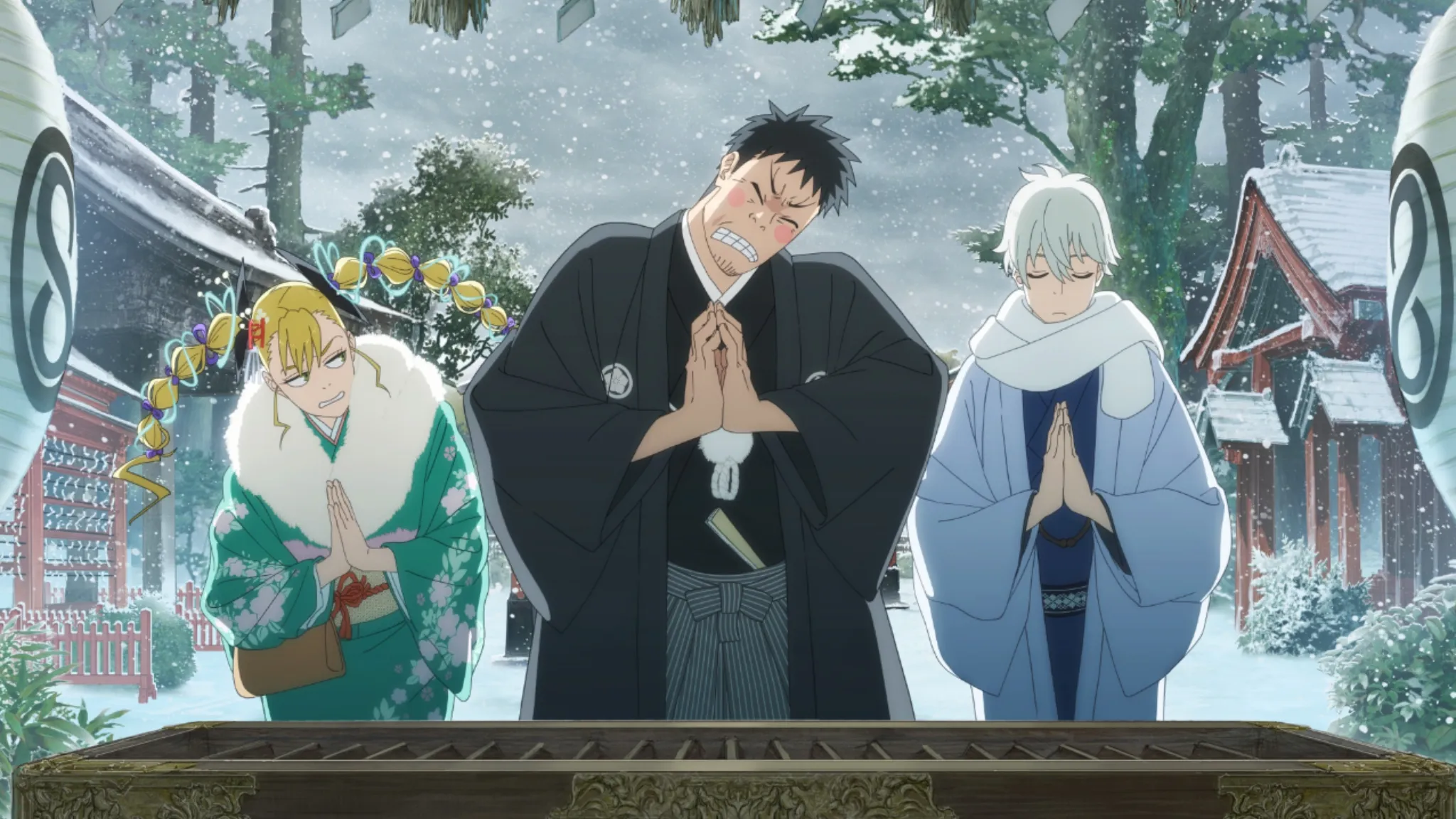
Placing Kafka and the prodigious Kikoru Shinomiya into the elite First Division is a classic maneuver, moving them from the scrappy periphery to the bureaucratic core. This change in scenery is less about geography and more about ideology, forcing our heroes to navigate an entirely new power structure.
The storyline for Reno Ichikawa, a crucial emotional anchor from the first season, is notably diminished in these early episodes, a narrative cost that highlights the risks of such expansion.
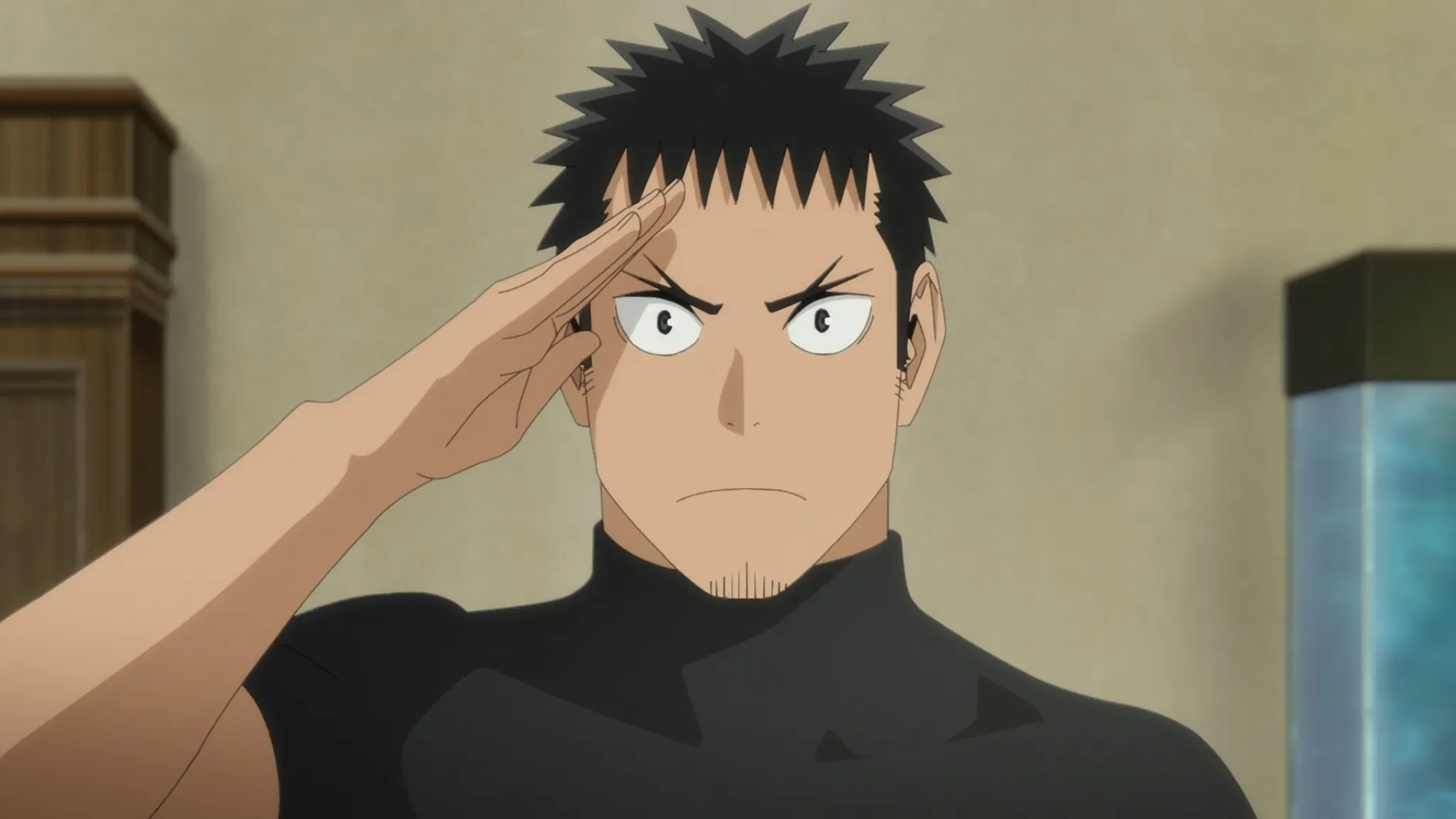
The success of this gamble rests almost entirely on the introduction of First Division Captain Gen Narumi. He is a brilliant deconstruction of the leader archetype: a hardcore otaku who projects an aura of profound indifference, yet is simultaneously the most powerful fighter in the country.
Narumi represents a distinctly modern form of competence, one that rejects the performance of authority in favor of pure, undeniable results. His leadership is a quiet rebellion against the military hierarchy he inhabits, a one-man meritocracy who gives his subordinates the freedom to prove their value.
He is less a commander and more a raid boss who happens to be on your team. The crucial test for this season is whether this fascinating new presence, and the broader world he represents, can justify the fracturing of the team that started it all.
Coded in Cool: The Transnational Language of Kaiju
In the global streaming economy, spectacle is a language understood by all, and Kaiju No. 8 is fluent. The pristine, muscular animation from Production I.G. is not merely a backdrop for the story; it is a primary selling point, engineered for maximum velocity and visual impact.

The action operates on a philosophy of “cool,” a series of stylish, cinematic set pieces with explosive choreography designed to be clipped, shared, and universally admired. This visual language reaches a point of fascinating self-awareness in an early battle featuring a Kaiju that is an unmistakable tribute to Godzilla.
This is more than a simple easter egg. It is a deliberate act of cultural citation, a moment where the series acknowledges its lineage and claims its place as a modern successor to Japan’s most iconic monster mythology.
This conversation with the past continues in Yutah Bandoh’s score, which deftly shifts from ominous, threatening tones worthy of a classic monster film to electrifying themes that drive the on-screen action. The most telling audio choices, however, bookend each episode.
The selection of Norwegian pop artist Aurora for the opening theme and American band OneRepublic for the closing credits is a calculated move straight from the 21st-century anime globalization playbook. It is a clear signal that the intended audience is not just in Tokyo, but worldwide.
By weaving in international pop artists, the production aims to broaden its appeal, transforming a Japanese story into a global cultural product. The artsy, peaceful animation of the end credits provides a stark, deliberate contrast to the high-octane chaos of the episodes, demonstrating an aesthetic range designed to capture the widest possible viewership.
Pacing the Apocalypse
The narrative engine of Kaiju No. 8 runs on high-grade fuel, with a punchy, confident editing style that feels perfectly calibrated for the modern attention economy. Each episode is engineered for velocity, building suspense and delivering action with a rhythm designed to keep eyes locked on the screen.

The story moves quickly but avoids feeling rushed, a difficult balance that many streaming series fail to achieve. Yet beneath this propulsive surface lies the season’s most quietly resonant theme: the depiction of a society that has normalized catastrophe.
The public’s reaction to the constant Kaiju threat—a weary cocktail of fear, bureaucratic annoyance, and jaded apathy—is a startlingly accurate reflection of our own era’s relationship with perpetual crisis. The monsters have become another part of the routine, a deadly inconvenience to be managed.
This sophisticated thematic texture is supported by a newfound confidence in the show’s tonal balance. The humor, less jarring than in the first season, now serves as a necessary pressure valve. This is best seen in a special standalone episode, “Hoshina’s Day Off,” a story that might be dismissed as filler in a weekly broadcast model.
In the context of binge-watching, however, its function becomes clear. It is a strategic pause, a moment to flesh out a key supporting character and invest the audience deeper into the world’s humanity. These lighthearted detours provide a final moment of calm, grounding the characters in a world worth saving before the season’s primary conflict begins in earnest.
Kaiju No. 8 season 2 premiered on July 19, 2025. New episodes are released every Saturday and are expected to air from July to October. You can watch Kaiju No. 8 season 2 on Crunchyroll, Crunchyroll Amazon Channel, or Netflix in select Asian territories. The English dub for season 2 returns on July 19th.
Full Credits
Directors: Shigeyuki Miya, Tomomi Kamiya
Writers: Ichirō Ōkouchi
Cast: Masaya Fukunishi, Asami Seto, Wataru Kato, Ai Fairouz, Kengo Kawanishi, Yuuki Shin, Kōki Uchiyama
Composer: Yuta Bandoh
The Review
Kaiju No. 8 Season 2
An intelligent and propulsive second act, Kaiju No. 8 elevates itself beyond a simple monster-punching spectacle. The season smartly dissects its own hero and the world around him, using its sci-fi premise to probe timely questions of identity, control, and societal resignation in an age of constant crisis. It is a slick, self-aware product engineered for global appeal, proving that even the biggest blockbusters can possess a sharp, critical mind.
PROS
- A mature evolution of its hero’s conflict, shifting from external secrecy to internal terror.
- Strong thematic connection to contemporary anxieties about public scrutiny and societal burnout.
- Stunning, cinematic animation and action choreography that works as a universal language.
- The introduction of Gen Narumi, a compelling character who subverts leadership tropes.
- A confident, fast-paced narrative structure perfectly suited for global streaming audiences.
CONS
- Fracturing the original cast risks weakening the core team chemistry established in the first season.
- Some beloved supporting characters receive noticeably less focus in the opening episodes.