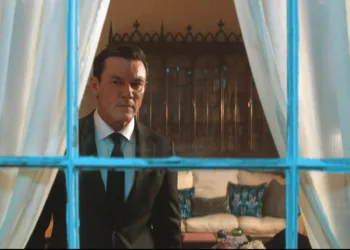

























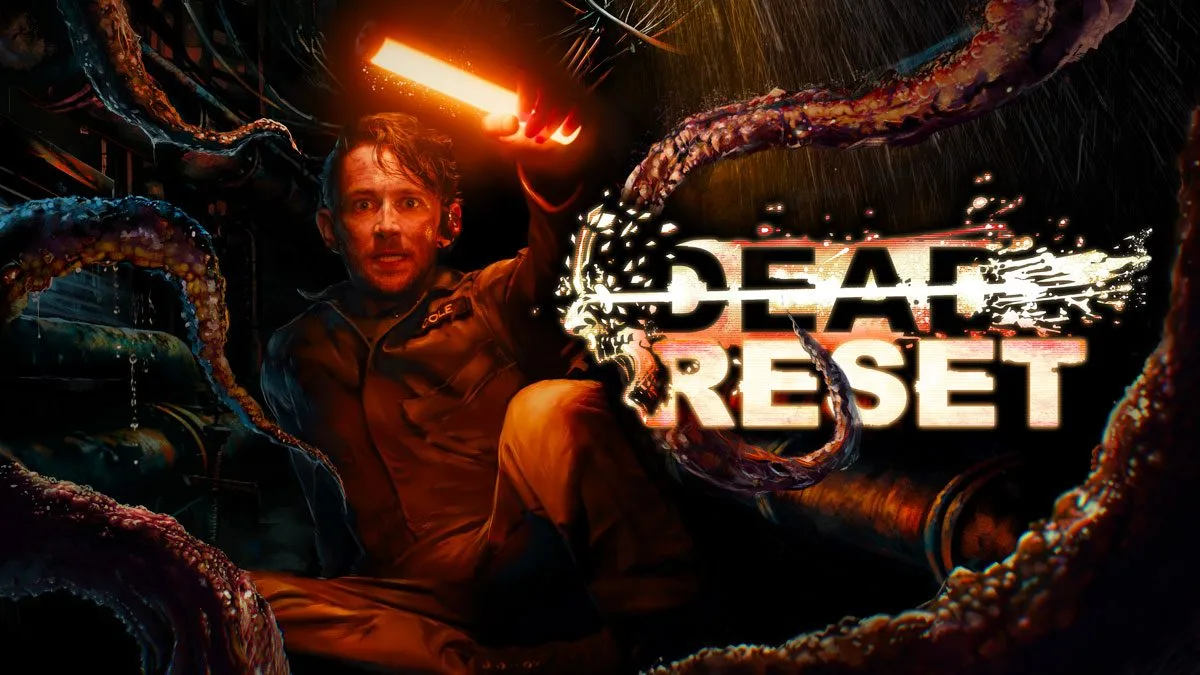

Wales Interactive returns with Dead Reset, a full-motion video experience that marries their established interactive movie format with Dark Rift Horror’s practical effects expertise. The game places players in the blood-soaked boots of Cole Mason, a surgeon with no memory who awakens in an underwater research facility. His immediate task: operate on a woman harboring a parasitic alien creature. His immediate fate: death, followed by resurrection in an endless temporal loop.
The premise draws heavily from Alien’s chest-burster imagery while borrowing the repetitive structure of films like Edge of Tomorrow. This isn’t subtle homage; Dead Reset wears its influences openly, committing fully to B-movie sci-fi horror aesthetics. The facility’s claustrophobic corridors, the surgical horror, and the ever-present threat of tentacled death create an atmosphere that’s equal parts medical nightmare and creature feature. What distinguishes Dead Reset from mere pastiche is its earnest approach to the material, treating the time loop conceit as both gameplay mechanic and narrative device.
When Repetition Serves Story
The time loop structure in Dead Reset functions as both blessing and limitation for player agency. Each death resets Cole to a checkpoint, but he retains knowledge from previous loops, allowing him to gradually build trust with his captors and uncover the facility’s dark purposes. This creates compelling narrative momentum; information gathered during one doomed attempt becomes crucial leverage in the next.
The game’s eight-chapter structure uses the loop mechanism cleverly, shifting reset points as Cole progresses. Early deaths send you back to the operating table, but later failures might reset to different crisis points. This prevents the most frustrating aspect of time loop storytelling: starting completely over each time. The checkpoint system respects player time while maintaining narrative coherence.
Character development benefits significantly from this structure. Cole’s relationships with key figures like the determined Fearne, the trigger-happy mercenary Slade, and the calculating scientist Magson evolve through repeated interactions. Each loop allows Cole to demonstrate foreknowledge, gradually convincing skeptical allies of his temporal predicament. The relationship tracking system provides mechanical reinforcement for these emotional bonds, showing how trust levels fluctuate based on player choices.
However, the time loop also exposes the game’s narrative railroading. While Cole learns and grows, the story’s major beats remain fixed. Whether you side with Fearne or Slade in chapter two, the same revelations unfold in the same locations. The facility’s secrets emerge on schedule regardless of player decisions. This creates a disconnect between the empowering fantasy of loop mastery and the reality of predetermined outcomes.
The Illusion of Meaningful Choice
Dead Reset presents players with binary decisions at regular intervals, but the weight of these choices varies dramatically. Some decisions genuinely affect character relationships and unlock different scenes, while others serve as mere flavor text before converging on identical outcomes. This inconsistency undermines the interactive movie format’s core promise: that player input shapes the narrative.
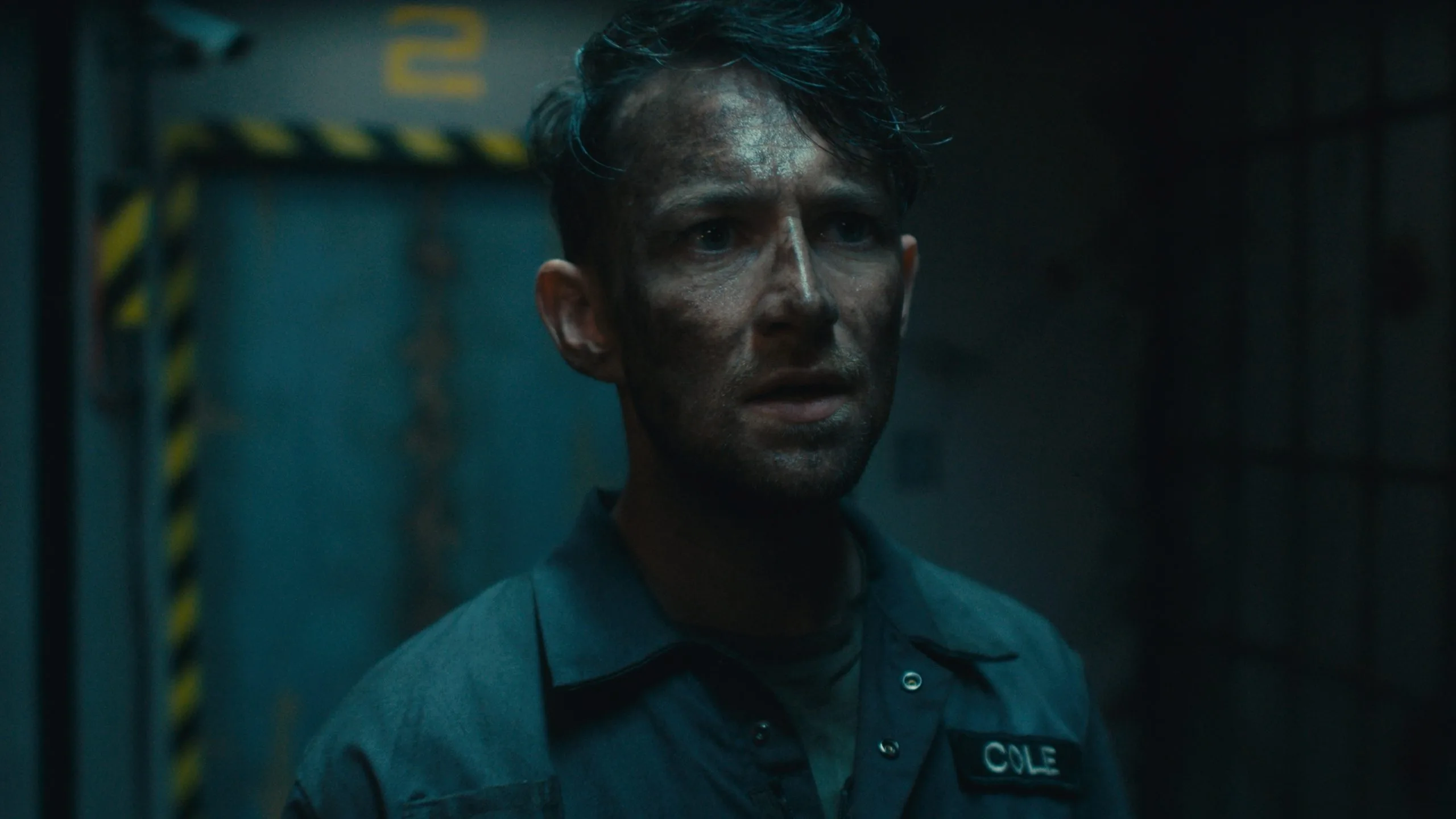
The choice system works best when dealing with character interactions. Deciding whether to help a wounded teammate creates lasting consequences; that character remembers your decision and responds accordingly in future loops. These relationship mechanics feel authentic because they emerge naturally from the story’s social dynamics rather than feeling like arbitrary branching points.
The game’s four endings represent the most significant player agency, determined primarily by final chapter decisions. This back-loads meaningful choice, making earlier decisions feel less consequential in retrospect. While the 337 unique scenes provide substantial replay value, many variations feel cosmetic rather than substantive. The game offers breadth of content rather than depth of meaningful divergence.
The user interface supports replay exploration well, with scene-skipping functionality and comprehensive tracking of viewed content, character relationships, and death counts. These quality-of-life features acknowledge that FMV games depend heavily on multiple playthroughs to reveal their full scope. However, they also highlight how much of the game’s content exists primarily for completionist appeal rather than narrative necessity.
Technical Craft Meets Performance Problems
Dead Reset’s production values reflect Dark Rift Horror’s film industry experience. The practical effects work, particularly the creature design, demonstrates genuine craftsmanship. Rather than relying on computer graphics, the team built physical monsters using traditional makeup and puppetry techniques. The alien entity feels tangibly present, its tentacles and organic textures conveying authentic menace.
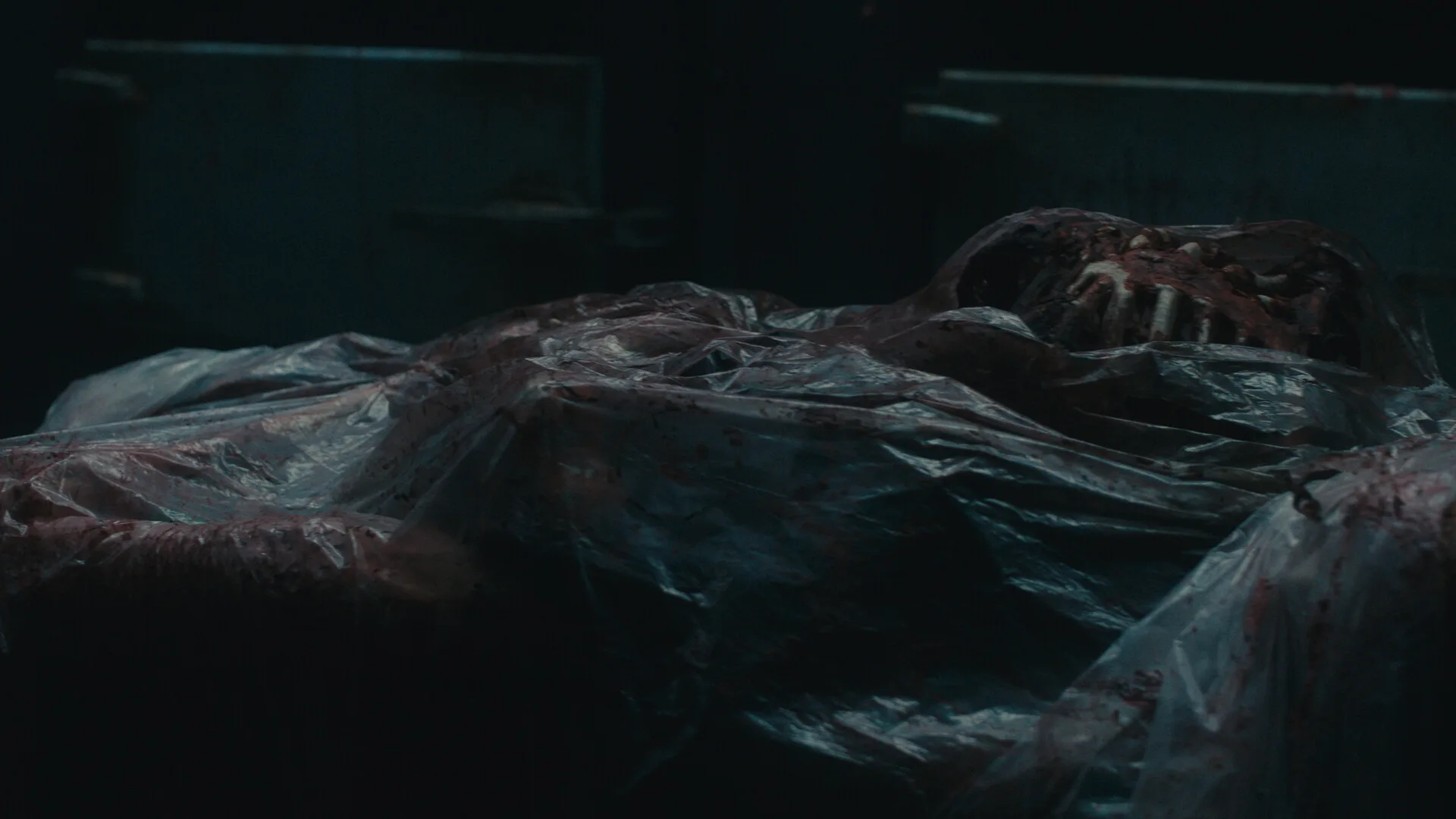
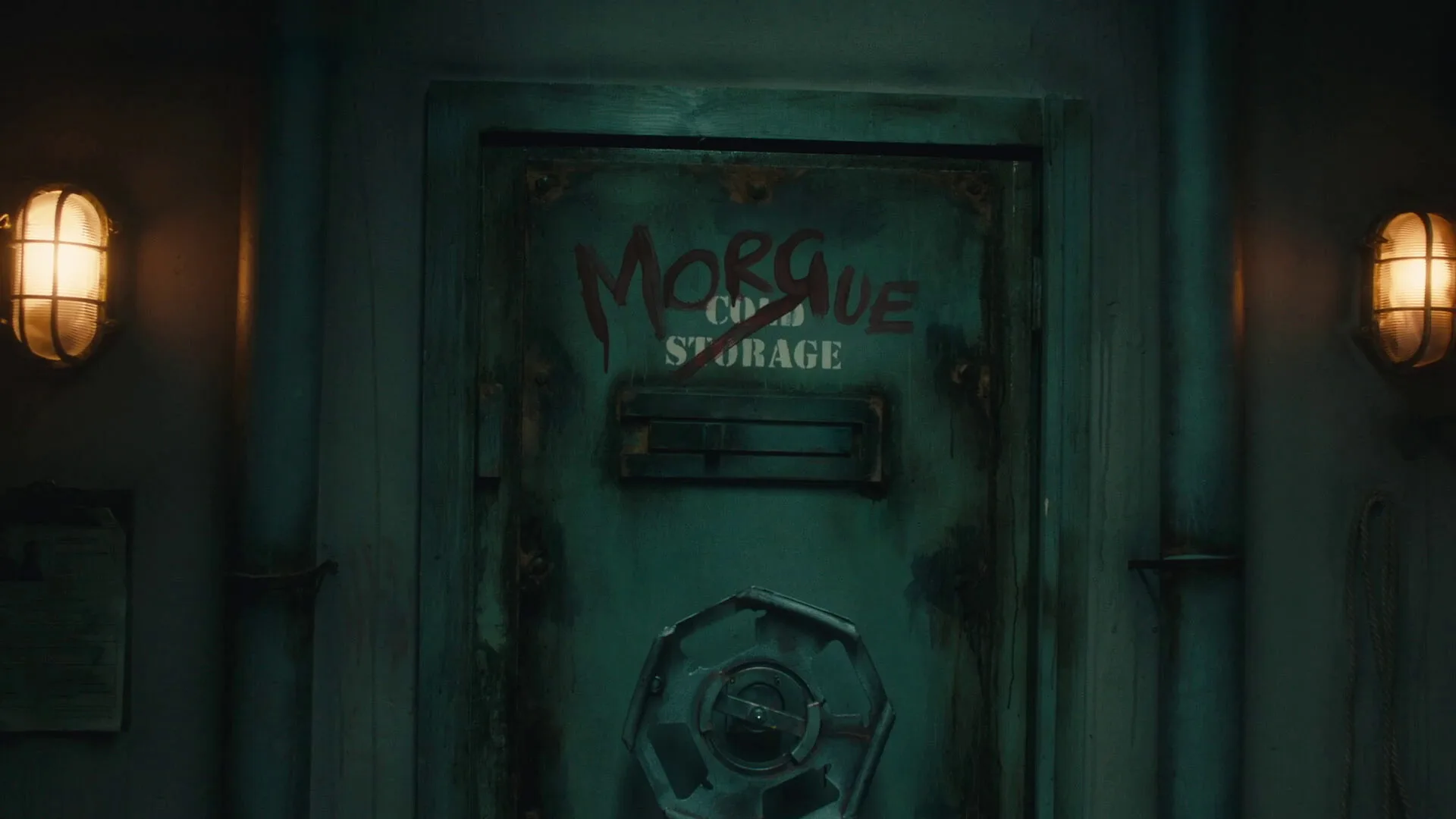
The facility set design creates convincing atmosphere within obvious budget constraints. The underground laboratory feels appropriately clinical and claustrophobic, though certain props reveal their low-budget origins. The visual presentation maintains consistency despite these limitations, helped by professional color grading and cinematography that elevates the material above typical FMV production standards.
Audio design proves particularly effective in building tension. Medical equipment beeps create constant anxiety, while the creature’s organic sounds – bones crunching, flesh tearing, fluids splashing – make each encounter genuinely unsettling. The sound work transforms potentially campy monster encounters into viscerally disturbing experiences.
Unfortunately, technical performance severely undermines these production achievements. Scene transitions frequently freeze, sometimes requiring several seconds to load the next sequence. More problematically, crashes occur regularly during playback, disrupting narrative flow at crucial moments. These issues plague every platform to varying degrees, with Switch 2 experiencing particularly severe compatibility problems that render the game nearly unplayable.
The technical problems feel especially damaging because they interrupt the game’s carefully constructed pacing. Dead Reset works best when it maintains cinematic momentum, pulling players through its horror scenarios without pause for technical hiccups. When the game freezes at dramatic moments or crashes during key scenes, it breaks the spell that effective horror requires.
Performances That Anchor the Experience
Daniel Thrace’s performance as Cole Mason provides the emotional center that keeps Dead Reset engaging despite its structural limitations. Thrace brings genuine charisma and believable confusion to the role, selling both Cole’s medical expertise and his growing desperation as the loops continue. His chemistry with Lyndsey Craine’s Fearne creates the game’s most compelling relationship, making their survival partnership feel earned rather than scripted.
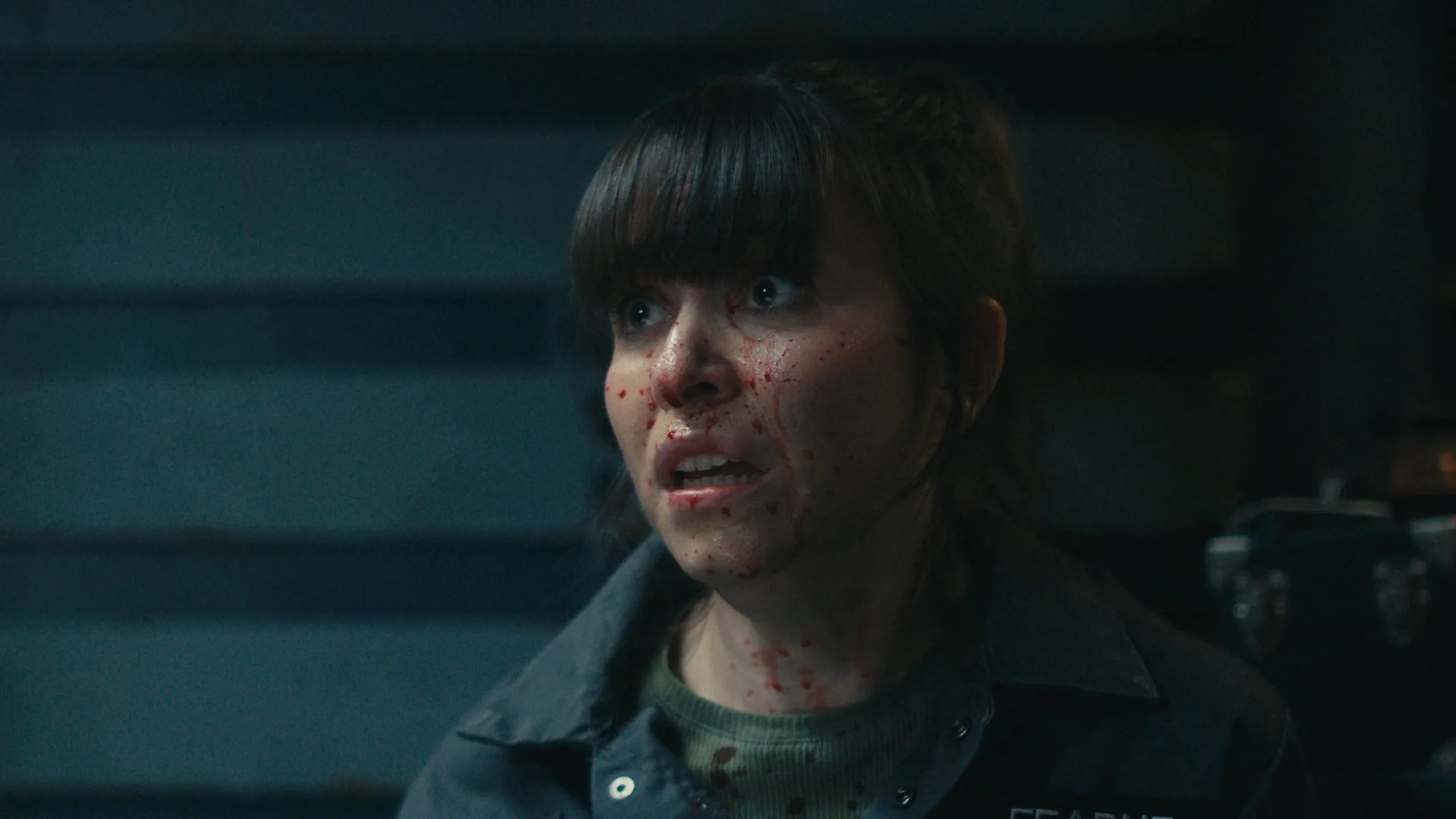
The supporting cast demonstrates varying levels of effectiveness. Andrina Carroll’s portrayal of antagonist Magson sometimes veers toward over-the-top villainy, but her calculated cruelty provides necessary menace. Dennis Rasaw brings nuanced shading to Slade, avoiding simple military stereotypes to create a character caught between duty and survival instincts.
Weaker performances from Andrew Dunn and Michaela Longden as facility personnel create notable gaps in immersion. Their flat delivery and minimal screen presence make their characters forgettable, which becomes problematic when the story expects players to care about their fates. The uneven acting quality highlights how dependent FMV games are on performer skill; weak links in the cast create ripple effects throughout the experience.
The cast’s commitment to the material’s serious tone helps Dead Reset avoid descending into unintentional comedy. Despite the B-movie premise, the actors treat their circumstances with appropriate gravity, allowing the horror elements to land effectively. This tonal consistency proves crucial for maintaining engagement across multiple playthroughs.
Horror That Commits to Its Premise
Dead Reset embraces body horror with unflinching dedication. The surgical sequences, creature encounters, and death scenes earn the game’s mature rating through visceral imagery that never feels gratuitous. The horror serves the story rather than existing purely for shock value, making each disturbing moment feel narratively justified.
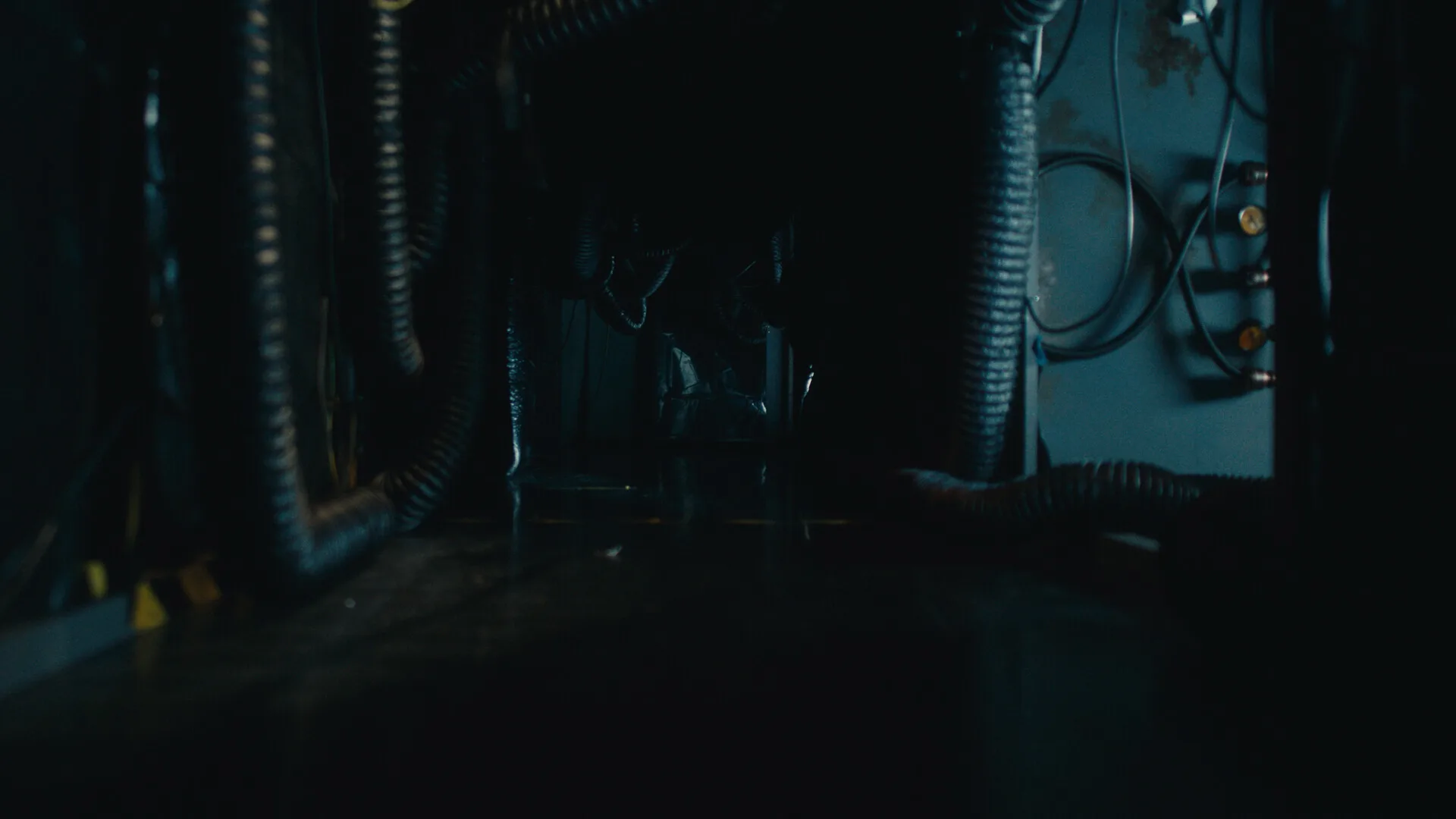
The creature design deserves particular praise for avoiding CGI in favor of practical effects. The alien entity’s organic textures and fluid movements create genuine unease, helped by sound design that makes every encounter acoustically disturbing. The monster’s growth throughout the game provides visual progression that mirrors the escalating stakes.
The facility’s claustrophobic design amplifies the horror effectively. Narrow corridors and low ceilings create constant spatial anxiety, while flickering lights and sterile surfaces evoke medical nightmares. The environmental design works in concert with the creature threat to create comprehensive dread that permeates every scene.
Dead Reset’s commitment to practical effects and tactile horror creates a throwback aesthetic that feels refreshing in an era of digital creature design. The blood, gore, and visceral imagery possess weight and substance that computer graphics often struggle to match. This dedication to physical effects helps ground the fantastic premise in tangible reality.
Value Proposition for a Specific Audience
Dead Reset delivers approximately two hours of content per playthrough, with completionist runs extending to seven hours across all endings and scenes. For FMV enthusiasts and horror fans, this represents solid value, particularly given the quality of production and performance from the lead actors.
The game works best as a social experience, particularly during Halloween gatherings or movie nights with friends. The binary choice structure encourages group discussion and debate, while the horror elements provide shared thrills. Dead Reset succeeds admirably as interactive entertainment for audiences that appreciate B-movie aesthetics and practical effects work.
However, the technical performance issues severely limit the game’s appeal beyond its core audience. Frequent crashes and freezing problems make Dead Reset difficult to recommend to casual players who might otherwise enjoy its campy horror charm. These problems feel particularly frustrating given the game’s brief runtime; technical interruptions consume a significant percentage of the total experience.
The game’s limited player agency may disappoint those seeking more interactive RPG-style experiences. Dead Reset functions primarily as an interactive movie rather than a game with meaningful choice consequences. Players expecting their decisions to dramatically reshape the narrative will likely feel constrained by the predetermined story structure.
For the right audience – FMV fans, practical effects enthusiasts, and B-movie horror aficionados – Dead Reset offers genuine entertainment value. The strong lead performances, effective creature design, and competent storytelling create an experience worth experiencing despite its technical shortcomings. However, these technical problems and limited player agency prevent the game from reaching beyond its niche appeal to attract broader audiences.
The Review
Dead Reset
Dead Reset succeeds as campy horror entertainment but struggles as an interactive experience. Daniel Thrace's compelling performance and impressive practical effects create atmospheric B-movie thrills, while the time loop mechanic provides clever narrative structure. However, frequent crashes, limited meaningful choices, and predetermined story beats undermine player agency. The game works best for FMV enthusiasts and social gaming sessions rather than those seeking impactful decision-making.
PROS
- Strong lead performance from Daniel Thrace
- Excellent practical creature effects and gore
- Clever time loop narrative implementation
- Atmospheric horror design and sound
- Good replay value with 337 unique scenes
CONS
- Frequent crashes and technical freezing
- Limited meaningful player choice impact
- Predetermined narrative outcomes
- Weak supporting cast performances
- Short runtime (2 hours per playthrough)