













• Latest
  • Trending
The Way We Talk Review

The Way We Talk Review: Adam Wong’s Sensitive Exploration of Deaf Culture

Lunarium Review

Lunarium Review: Watercolour Wonder Meets Punishing Combat

summer of 94

Summer of ’94 Review: The Camp That Built American Soccer

Drift Review

Drift Review: An American Outlaw Climbs Into His Own Myth

He Bled Neon Review

He Bled Neon Review: Las Vegas Looks Better Than It Hurts

The Dads Review

The Dads Review: Ordinary Fathers Face an Extraordinary Threat

Dystopicon Review

Dystopicon Review: Television Is the Only Job Left

Baby/Girls Review

Baby/Girls Review: Choice in a Place That Withholds It

Atlas of Disappearance Review

Atlas of Disappearance Review: Architecture Built to Erase

maxresdefault

Chilean Directors Bring ‘Donkey Princess’ to Locarno Competition

5 hours ago
The Aosawa Murders

WOWOW Casts Yukino Kishii in TV Adaptation of ‘The Aosawa Murders’

5 hours ago
My Brother’s Killer Review

My Brother’s Killer Review: A Cold Case Finds Its Shape

WhileBlack

#WhileBlack Review: Who Profits From a Witness’s Trauma?

  • Home
  • Privacy Policy
  • Terms and Conditions
  • Gazettely Review Guidelines
Monday, August 3, 2026
GAZETTELY
  • Home
  • Movie and TV News
    maxresdefault

    Chilean Directors Bring ‘Donkey Princess’ to Locarno Competition

    The Aosawa Murders

    WOWOW Casts Yukino Kishii in TV Adaptation of ‘The Aosawa Murders’

    Christopher Nolan

    Christopher Nolan Slams ‘Real Problem’ in Amateur Film Criticism

    Wonder Man

    ‘Wonder Man’ Showrunner: Cancellation ‘Is Not a Marketing Stunt’

    Hadestown The Musical

    ‘Hadestown’ Film Sets New Box Office Record for Filmed Musicals

    Wicked: For Good

    Ariana Grande to Step Back From Public Eye After Tour Ends

    Dancing With The Stars

    ‘Dancing With the Stars’ Brings Back Former Junior Pro Kamri Peterson for Season 35

    Spider-Man: Brand New Day

    ‘Spider-Man: Brand New Day’ Nears $1 Billion in Record-Breaking Global Debut

    Woody Harrelson

    Woody Harrelson to Receive Honorary Heart of Sarajevo at Film Festival

  • Movie and TV Reviews
    summer of 94

    Summer of ’94 Review: The Camp That Built American Soccer

    Drift Review

    Drift Review: An American Outlaw Climbs Into His Own Myth

    He Bled Neon Review

    He Bled Neon Review: Las Vegas Looks Better Than It Hurts

    The Dads Review

    The Dads Review: Ordinary Fathers Face an Extraordinary Threat

    Baby/Girls Review

    Baby/Girls Review: Choice in a Place That Withholds It

    Atlas of Disappearance Review

    Atlas of Disappearance Review: Architecture Built to Erase

    My Brother’s Killer Review

    My Brother’s Killer Review: A Cold Case Finds Its Shape

    WhileBlack

    #WhileBlack Review: Who Profits From a Witness’s Trauma?

    Their Town Review

    Their Town Review: Young Lives Step Out of Character

  • Game Reviews
    Lunarium Review

    Lunarium Review: Watercolour Wonder Meets Punishing Combat

    Dystopicon Review

    Dystopicon Review: Television Is the Only Job Left

    Skull Horde Review

    Skull Horde Review: Automatic Combat With Real Tactical Weight

    Spica Adventure Review

    Spica Adventure Review: Taito’s Lost Parasol Hero Returns

    DragonSword: Awakening Review

    DragonSword: Awakening Review: The Gacha Is Gone, the Grind Remains

    Turnip Mountain Review

    Turnip Mountain Review: Learning to Love the Fall

    Corsair Cove Review

    Corsair Cove Review: Skull Rock Makes Supply Chains Spectacular

    Dinoblade Review

    Dinoblade Review: Prehistoric Steel Meets Precise Timing

    Truck-kun is Supporting Me from Another World?!

    Truck-kun is Supporting Me from Another World?! Review: Isekai Chaos Stuck in First Gear

  • The Bests
No Result
View All Result
  • Home
  • Movie and TV News
    maxresdefault

    Chilean Directors Bring ‘Donkey Princess’ to Locarno Competition

    The Aosawa Murders

    WOWOW Casts Yukino Kishii in TV Adaptation of ‘The Aosawa Murders’

    Christopher Nolan

    Christopher Nolan Slams ‘Real Problem’ in Amateur Film Criticism

    Wonder Man

    ‘Wonder Man’ Showrunner: Cancellation ‘Is Not a Marketing Stunt’

    Hadestown The Musical

    ‘Hadestown’ Film Sets New Box Office Record for Filmed Musicals

    Wicked: For Good

    Ariana Grande to Step Back From Public Eye After Tour Ends

    Dancing With The Stars

    ‘Dancing With the Stars’ Brings Back Former Junior Pro Kamri Peterson for Season 35

    Spider-Man: Brand New Day

    ‘Spider-Man: Brand New Day’ Nears $1 Billion in Record-Breaking Global Debut

    Woody Harrelson

    Woody Harrelson to Receive Honorary Heart of Sarajevo at Film Festival

  • Movie and TV Reviews
    summer of 94

    Summer of ’94 Review: The Camp That Built American Soccer

    Drift Review

    Drift Review: An American Outlaw Climbs Into His Own Myth

    He Bled Neon Review

    He Bled Neon Review: Las Vegas Looks Better Than It Hurts

    The Dads Review

    The Dads Review: Ordinary Fathers Face an Extraordinary Threat

    Baby/Girls Review

    Baby/Girls Review: Choice in a Place That Withholds It

    Atlas of Disappearance Review

    Atlas of Disappearance Review: Architecture Built to Erase

    My Brother’s Killer Review

    My Brother’s Killer Review: A Cold Case Finds Its Shape

    WhileBlack

    #WhileBlack Review: Who Profits From a Witness’s Trauma?

    Their Town Review

    Their Town Review: Young Lives Step Out of Character

  • Game Reviews
    Lunarium Review

    Lunarium Review: Watercolour Wonder Meets Punishing Combat

    Dystopicon Review

    Dystopicon Review: Television Is the Only Job Left

    Skull Horde Review

    Skull Horde Review: Automatic Combat With Real Tactical Weight

    Spica Adventure Review

    Spica Adventure Review: Taito’s Lost Parasol Hero Returns

    DragonSword: Awakening Review

    DragonSword: Awakening Review: The Gacha Is Gone, the Grind Remains

    Turnip Mountain Review

    Turnip Mountain Review: Learning to Love the Fall

    Corsair Cove Review

    Corsair Cove Review: Skull Rock Makes Supply Chains Spectacular

    Dinoblade Review

    Dinoblade Review: Prehistoric Steel Meets Precise Timing

    Truck-kun is Supporting Me from Another World?!

    Truck-kun is Supporting Me from Another World?! Review: Isekai Chaos Stuck in First Gear

  • The Bests
No Result
View All Result
GAZETTELY
No Result
View All Result
The Way We Talk Review

ChaO Review: Studio 4°C's Subversive Splash in Animation Waters

Sovereign Review: A Necessary, Flawed, and Urgent Warning

Home Entertainment

The Way We Talk Review: Adam Wong’s Sensitive Exploration of Deaf Culture

Scott Clark by Scott Clark
1 year ago
in Entertainment, Movies, Reviews
Reading Time: 5 mins read
A A
0
Share on FacebookShare on TwitterShare on PinterestShare on WhatsAppShare on TelegramSummarize with ChatGPTSummarize with Perplexity

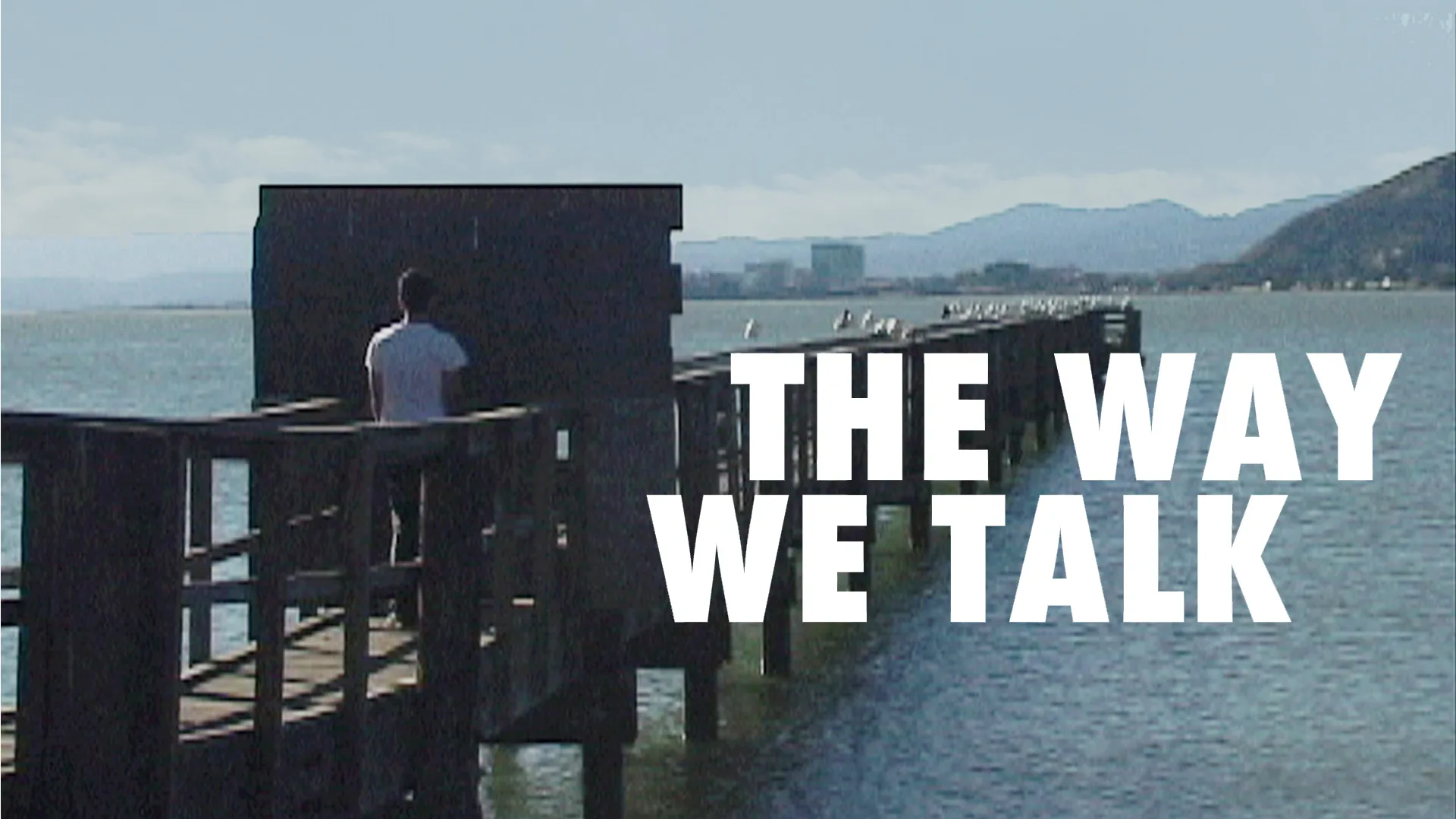
Adam Wong’s “The Way We Talk” arrives at a moment when cinema is grappling with authentic representation, yet it transcends the typical disability narrative by focusing on the mechanics of communication itself. The Hong Kong director, known for his nuanced portrayals of youth identity, constructs a story that operates on multiple levels—as a coming-of-age drama, a social critique, and an examination of how we choose to connect with the world around us.

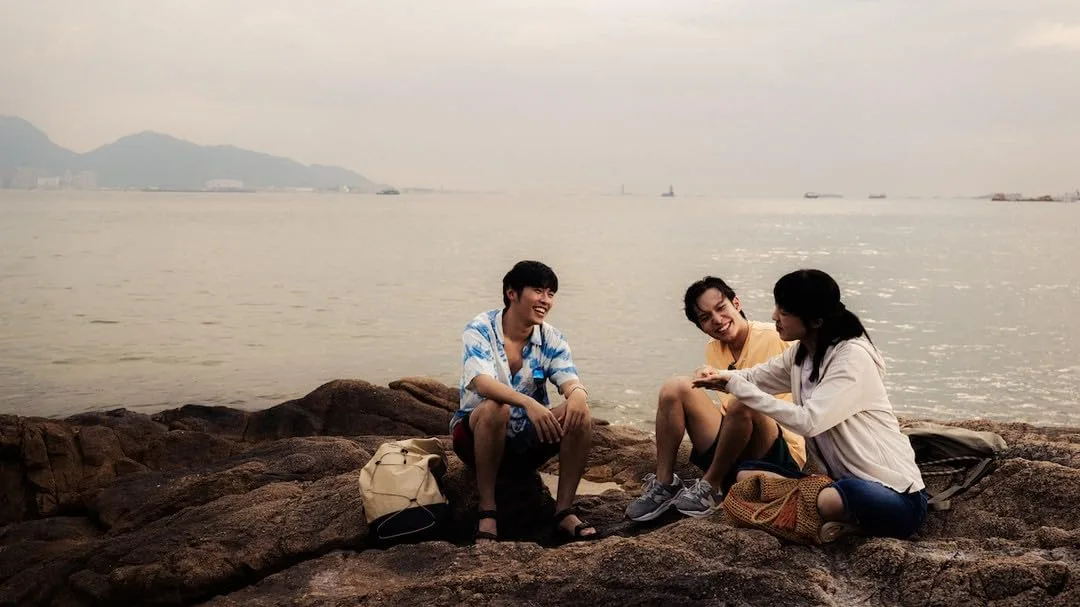
The film centers on three deaf friends whose divergent approaches to communication create both conflict and understanding. Wolf (Neo Yau) champions sign language as cultural expression, Sophie (Chung Suet Ying) struggles with her cochlear implant identity, and Alan (Marco Ng) navigates between both worlds with practiced ease.

Set against Hong Kong’s historical oralism policy—which banned sign language in schools until 2010—the narrative explores how institutional decisions shape individual identity. Wong doesn’t construct this as a simple advocacy piece but as a complex examination of choice, autonomy, and the different ways we adapt to societal expectations.

The Architecture of Identity

Wong’s character construction demonstrates sophisticated understanding of how personal history shapes present choices. Sophie’s arc from cochlear implant ambassador to sign language advocate follows a classical transformation structure, but Wong avoids the typical epiphany moment. Instead, her evolution unfolds through accumulated experiences—workplace discrimination, communication barriers, and the gradual realization that her mother’s choices may not align with her own needs.

Wolf emerges as the film’s most politically charged character, yet Neo Yau’s performance prevents him from becoming a mere symbol. His passion for diving serves as both character detail and metaphor—the underwater world offers him a space where communication transcends sound. When systemic barriers prevent him from pursuing his dreams due to lack of sign language interpretation, the story reveals how individual aspirations collide with institutional failures.

Alan, portrayed by deaf actor Marco Ng, represents the film’s most complex position. His fluency in both spoken and sign language makes him a bridge between communities, but this positioning also isolates him. Ng’s performance captures the subtle exhaustion of constant translation—not just linguistic, but cultural and emotional. The chemistry between the three leads feels authentic, avoiding the forced intimacy that often plagues ensemble dramas.

Also Read

  • Best 2025 Movies
    Gazettely's 30 Best Movies of 2025
  • 30 Best Drama Movies
    30 Best Drama Movies to Watch Before You Die
  • 30 Best Action Movies Ever
    30 Best Action Movies Ever: A Definitive History…
  • Best Christmas Movies
    30 Best Christmas Movies to Watch This Holiday Season
  • best sci fi movies
    30 Best Sci Fi Movies Ever: Gazettely's Ultimate…
  • best fantasy movies
    30 Best Fantasy Movies Ever, Ranked: From…

The casting choices create interesting narrative tension. While Ng’s authentic experience adds credibility to Alan’s character, Neo Yau and Chung Suet Ying’s learned sign language performances raise questions about representation that the film doesn’t directly address.

Sound and Vision as Narrative Tools

Wong’s technical approach serves the story’s thematic concerns through carefully crafted sensory experiences. The sound design functions as a primary storytelling mechanism, shifting perspectives to immerse viewers in different auditory worlds. When we experience Sophie’s cochlear implant reality—voices bleeding into static, conversations becoming fragmented noise—the film demonstrates rather than explains her daily challenges.

The contrast between Wolf’s muffled, nearly silent world and Alan’s clearer audio landscape creates empathy without manipulation. Wong’s visual style remains deliberately understated, allowing these audio shifts to carry emotional weight. The cinematography focuses on faces and hands, emphasizing the physicality of communication while avoiding the typical “disability film” visual language.

Flashback sequences revealing the oralism policy’s impact on Wolf and Alan’s childhood education integrate seamlessly with the present narrative. These scenes don’t function as simple exposition but as character revelation, showing how institutional decisions created lasting personal divisions. The recurring ocean imagery—particularly Wolf’s diving sequences—provides visual metaphor without overshadowing the human story.

Wong’s directorial restraint prevents the film from becoming overly sentimental while maintaining emotional accessibility. The pacing allows character development to breathe, avoiding the rushed revelation structure that often undermines disability narratives.

Beyond Binary Choices

The film’s greatest strength lies in its refusal to position cochlear implants and sign language as opposing forces. Instead, Wong examines how external pressures—family expectations, workplace demands, educational policies—restrict individual agency. Sophie’s transformation doesn’t reject her cochlear implant but embraces additional communication methods, suggesting that identity can expand rather than shift.
The Way We Talk Review

The workplace discrimination sequences reveal how “diversity” initiatives often mask deeper institutional failures. Sophie’s experience as a corporate “mascot” exposes the gap between performative inclusion and genuine accommodation. Wolf’s rejection from diving instruction due to interpretation barriers demonstrates how systemic inflexibility perpetuates exclusion.

Family dynamics receive careful attention, particularly Sophie’s relationship with her mother. Their conflict represents generational trauma—the mother’s desire for her daughter’s “normalcy” stems from protective instincts shaped by historical discrimination. The film suggests that understanding, rather than judgment, can bridge these generational gaps.

Wong’s approach to the oralism controversy avoids simple condemnation while acknowledging real harm. The educational flashbacks show how well-intentioned policies can create lasting damage, but the film focuses on recovery rather than blame. This nuanced stance reflects contemporary disability discourse’s shift toward autonomy and choice.

The film positions itself as social commentary without sacrificing emotional resonance. Wong understands that effective advocacy emerges from authentic character experiences rather than political messaging. “The Way We Talk” succeeds as both intimate character study and broader cultural critique, demonstrating how personal stories can illuminate systemic issues without losing their humanity.

“The Way We Talk” is a Hong Kong film that premiered at the 68th BFI London Film Festival on October 12, 2024, and was released in Hong Kong theaters on February 20, 2025. The film’s running time is 132 minutes. 

Full Credits

Director: Adam Wong

Writers: Adam Wong, SeeKing, Ho Hong

Producers: Adam Wong, Jacqueline Liu, Ho Hong

Cast: Neo Yau, Chung Suet Ying, Marco Ng

Director of Photography: Leung Ming Kai

Editors: Adam Wong, Jason Yiu, 1000springs, Poon Po-yan

Composer: Day Tai 

The Review

The Way We Talk

8 Score

"The Way We Talk" represents sophisticated filmmaking that balances social advocacy with authentic character development. Wong's nuanced approach to disability representation, combined with innovative sound design and genuine performances, creates a film that educates without preaching. While casting choices raise representation questions, the emotional depth and technical craft make this essential viewing for understanding contemporary disability discourse.

PROS

  • Innovative sound design that immerses viewers in different auditory experiences
  • Nuanced character development avoiding stereotypical disability narratives
  • Authentic exploration of communication choices and institutional barriers
  • Strong performances, particularly Marco Ng's genuine portrayal
  • Thoughtful examination of family dynamics and generational trauma

CONS

  • Two hearing actors portraying deaf characters raises authenticity concerns
  • Some didactic moments that feel overly instructional
  • Pacing occasionally slows during exposition-heavy sequences
  • Limited exploration of broader deaf community beyond the three protagonists

Review Breakdown

  • Overall 0

Tags: Adam WongChung Suet YingDramaFeaturedHathy LawKate ReillyMarco NgNathan Chun-Hei ChengNeo YauOne Cool Film ProductionPanther ChanPui-Nam PangThe Way We Talk
Previous Post

ChaO Review: Studio 4°C’s Subversive Splash in Animation Waters

Next Post

Sovereign Review: A Necessary, Flawed, and Urgent Warning

Try AI Movie Recommender

Gazettely AI Movie Recommender

This Week's Top Reads

  • Furious Review

    Furious Review: Female Rage Has an FBI File

    2 shares
    Share 0 Tweet 0
  • The Bombing of Pan Am 103 Review: Precision Over Spectacle

    4 shares
    Share 0 Tweet 0
  • The Rapture Review: A Sharp Hero Trapped in a Blunt Conspiracy

    1 shares
    Share 0 Tweet 0
  • Due West Review: Strong Atmosphere, Limited Political Depth

    0 shares
    Share 0 Tweet 0
  • Fightland Review: The Punches Land Harder Than the Twists

    1 shares
    Share 0 Tweet 0
  • Elite Force Review: Tactical Precision, Familiar Damage

    0 shares
    Share 0 Tweet 0
  • Ann Droid Review: A Robot Carer Finds a Human Pulse

    3 shares
    Share 0 Tweet 0

Must Read Articles

Lioness review
TV Shows

Lioness Season 3 Review: The Mission Comes Home

2 days ago
Tony Review
Movies

Tony Review: Anthony Bourdain Before the Myth

4 days ago
Batman: Caped Crusader Season 2 Review
TV Shows

Batman: Caped Crusader Season 2 Review: Gotham Gets Stranger and Crueler

6 days ago
Spider-Man: Brand New Day Review
Movies

Spider-Man: Brand New Day Review: The Loneliest Spider-Man Yet

6 days ago
WHAM! 10 Days in China Review
Movies

WHAM! 10 Days in China Review: Freedom in a Room Ordered to Sit Still

6 days ago
Loading poll ...
Coming Soon
Which of Alfred Hitchcock's 1960s thrillers is your all-time favorite?

Gazettely is your go-to destination for all things gaming, movies, and TV. With fresh reviews, trending articles, and editor picks, we help you stay informed and entertained.

© 2021-2026 All Rights Reserved for Gazettely

What’s Inside

  • Movie & TV Reviews
  • Game Reviews
  • Featured Articles
  • Latest News
  • Editorial Picks

Quick Links

  • Home
  • About US
  • Contact Us
  • Advertise with Us
  • Review Guidelines

Follow Us

Facebook X-twitter Youtube Instagram
No Result
View All Result
  • Home
  • Movies
  • Entertainment News
  • Movie and TV Reviews
  • TV Shows
  • Game News
  • Game Reviews
  • Contact Us

© 2024 All Rights Reserved for Gazettely