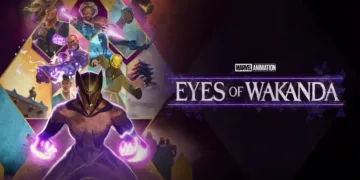
























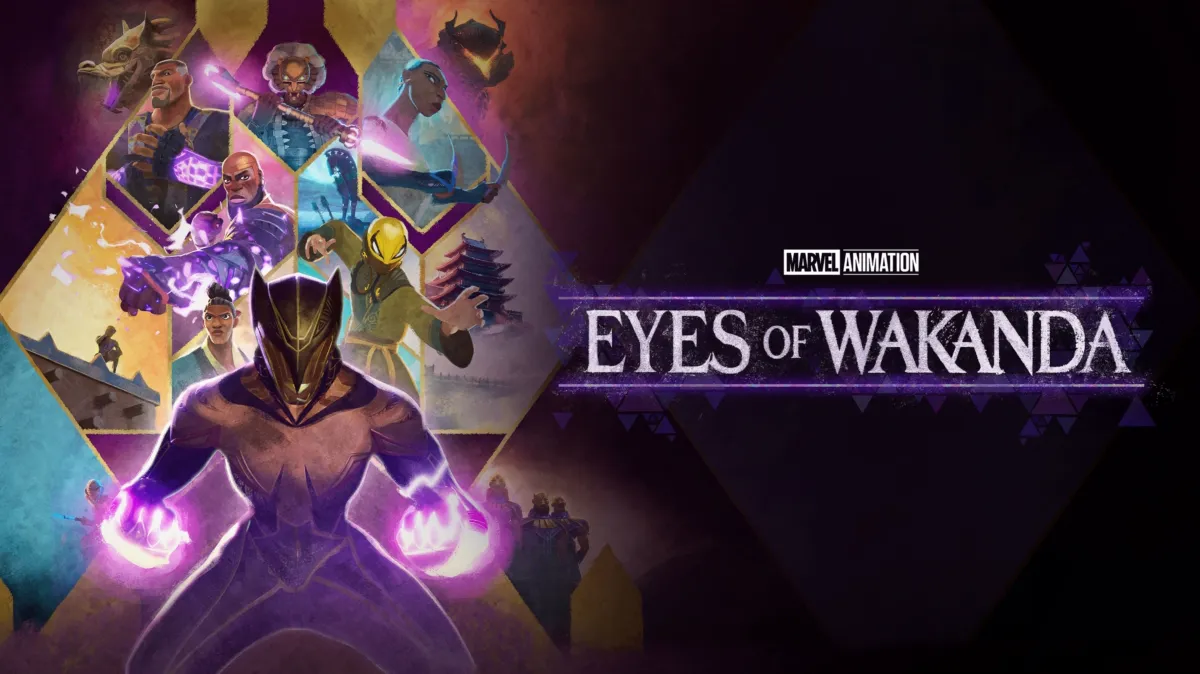

For years, Wakanda existed in the popular imagination as a shimmering, futuristic kingdom ruled by noble kings. It was a monolith of Afrofuturist perfection. Eyes of Wakanda takes a sonic screwdriver to that pristine image, cracking it open to reveal the messy, morally complex history simmering beneath the surface.
This animated anthology series pulls back the curtain on the centuries before T’Challa opened his nation’s borders, introducing us to the real power behind the throne: the Hatut Zaraze. Think of these “War Dogs” as Wakanda’s most elite clean-up crew. Their job, spanning hundreds of years, is to venture into the outside world on clandestine missions to retrieve lost or stolen Vibranium.
This is no alternate-reality romp; the series plants its flag firmly in the main MCU timeline, offering a fascinating and often uncomfortable look at real historical events through the lens of a nation that chose to watch from the sidelines.
A Masterclass in Animated Storytelling
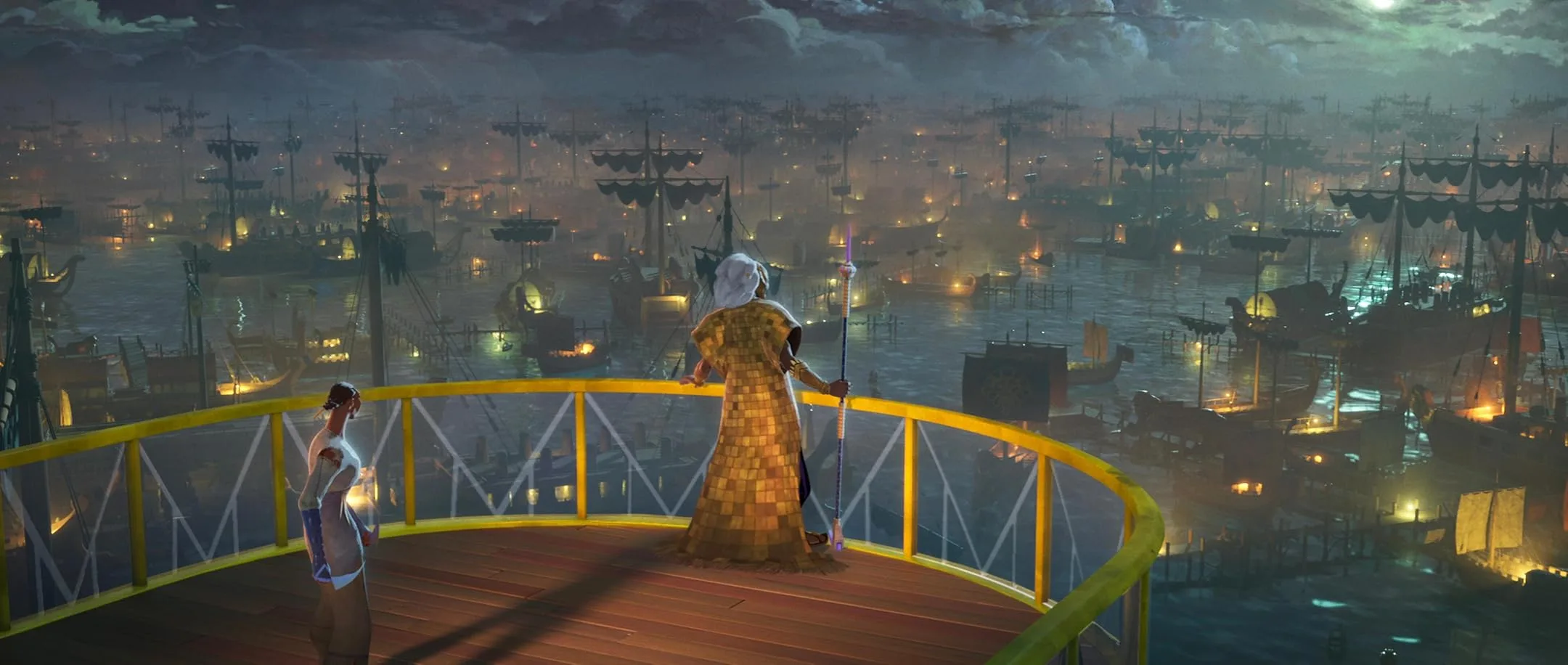
Let’s be clear: Eyes of Wakanda is ridiculously beautiful. In an animation landscape often split between rigid comic-book homage and sterile CGI, this series carves its own path. Its style is a sublime fusion of 2D character work and CG environments, creating a hand-painted, illustrative quality that feels both classic and revolutionary. You can see the influence of artist Ernie Barnes in the dynamic, elongated figures, whose movements are fluid and full of life, their silhouettes conveying emotion before a single word is spoken.
This is not the Saturday morning cartoon look of X-Men ’97 or the timeline-hopping gloss of What If…?. This is prestige animation, the kind that feels indebted to the painterly ambitions of studios like Cartoon Saloon, where every frame could be hung on a wall. The texture of the backgrounds, the thoughtful character designs, and the seamless integration of advanced Wakandan tech into ancient settings all speak to a level of artistry that elevates the material significantly.
The direction uses this aesthetic to masterful effect. Each of the four historical settings is defined by a distinct and evocative color palette, from the sun-bleached shores of 13th-century Crete to the somber, sepia-toned battlefields of 19th-century Ethiopia. This is intelligent environmental storytelling, where the lighting and color do as much to establish the tone as the script does. The production design imbues every frame with a sense of place and time, demanding you pause to soak in the details of a bustling Trojan war camp or the quiet majesty of Ming dynasty architecture.
The show’s cinematography is equally impressive, using sweeping “camera” moves to establish scale and intimate close-ups to capture the flicker of doubt in an agent’s eyes. Even the sound design is exceptional; the hum and crackle of Vibranium weaponry feel alien yet grounded, and the score shifts adeptly from the tense strings of an espionage thriller to the mournful horns of a historical drama.
When the action kicks off, the choreography is a joy to watch. The animation allows for breathtakingly inventive fight sequences that serve the story and character. The nimble, acrobatic grace of the disgraced Dora Milaje, Noni, is a dance of lethal efficiency, her movements flowing like water.
This is contrasted sharply with the grounded, brutal force of Memnon, a Wakandan agent embedded in the Trojan War, who moves with the implacable solidity of a battering ram. The editing of these sequences is precise, knowing when to use quick cuts to heighten the chaos and when to hold a shot to let the gorgeous choreography breathe. The visuals are not just window dressing; they are the narrative.
Four Postcards from the Edge of History
The series structures itself as a collection of spy thrillers, with the Hatut Zaraze providing the throughline. Each half-hour episode is essentially a declassified case file from a different agent’s career, a format that makes the show incredibly easy to drop into. In an era of television that often demands a multi-season commitment, this anthology approach, reminiscent of shows like Love, Death & Robots, feels like a breath of fresh air.
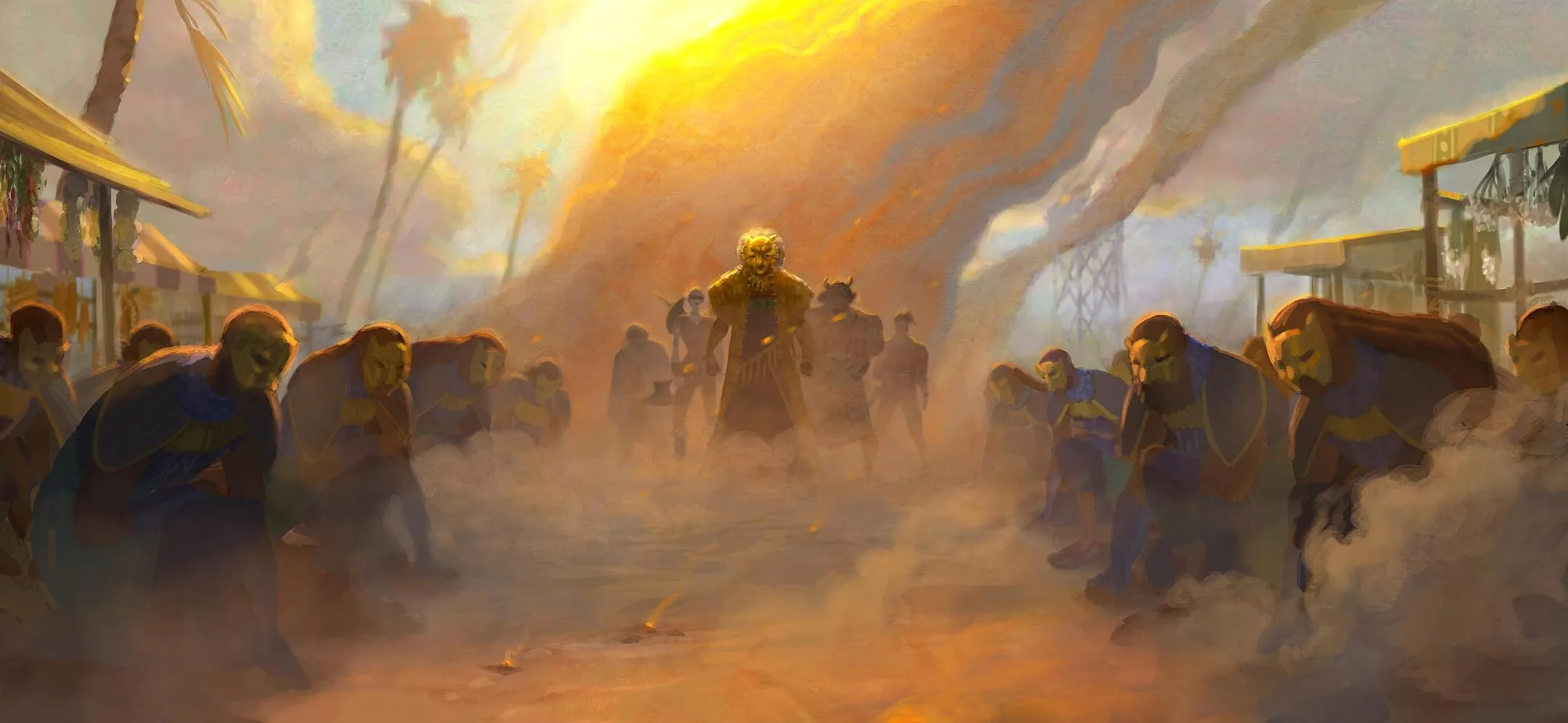
You don’t need a PhD in Marvel lore to appreciate Noni’s hunt for a rogue Wakandan pirate, Memnon’s gut-wrenching loyalty test during the siege of Troy, or Basha’s surprisingly jaunty mission in 15th-century China. The third episode, in particular, offers a necessary dose of levity, leaning into the swashbuckling charm of its lead agent and showcasing a side of Wakandan operatives that is less stoic and more roguish. Each story is a self-contained shot of adrenaline and intrigue.
Yet, this format is also the show’s greatest weakness. With only four episodes, the season feels less like a complete narrative and more like a sampler platter of what could be. It’s a fantastic appetizer, but you’re left hungry for the main course. The brisk pacing is engaging, but it leaves little room for the show to establish a consistent tone, which swings from deadly serious to lighthearted and back again without a chance to find a stable rhythm.
The bookend episodes, which dig deepest into the moral fabric of Wakanda, are significantly stronger than the more predictable middle chapters, creating an uneven viewing experience. The brevity means we only get tantalizing hints of a larger world. We see agents grapple with impossible choices, but we don’t see the long-term psychological fallout.
We are introduced to the Hatut Zaraze, but we don’t get a sense of its internal culture or evolution over the centuries. The show presents its premise with startling confidence but then exits the stage just as it’s getting interesting, leaving a wake of unanswered questions about its characters and their clandestine organization.
The Crown’s Heavy Conscience
Beyond the stunning visuals and spy-fi action, Eyes of Wakanda is secretly a trial, with Wakanda itself in the defendant’s box. The series dares to interrogate the nation’s most sacred cow: its isolationism. This is not a simple tale of good guys protecting their home. The first episode’s antagonist, a former agent who rejects Wakanda as a “cage,” presents a compelling argument against the kingdom’s rigid secrecy.
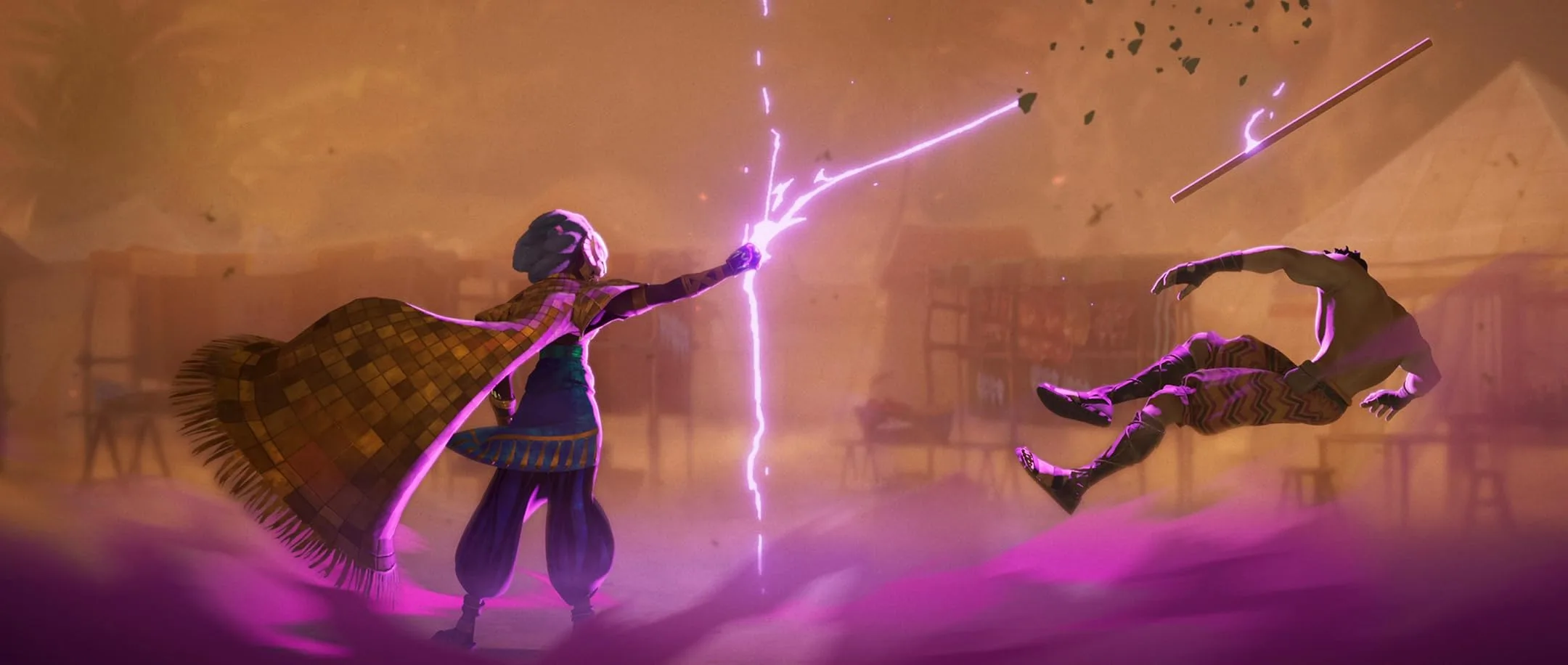
His embrace of the outside world, for all its brutality, serves as a powerful critique of the potential for cultural stagnation and moral arrogance within Wakanda’s gilded borders. His perspective haunts the rest of the series, forcing the viewer to question if Wakanda’s choice to hide was a noble act of self-preservation or a profound act of selfishness.
This question comes to a head in the finale, which drops us into the First Italo-Ethiopian War. The choice of this specific conflict is a masterstroke of thematic relevance, highlighting a pivotal moment of African resistance against European colonialism. The show forces a deeply uncomfortable juxtaposition: the world’s most technologically advanced African nation remains invisible while another fights for its very existence with comparatively primitive tools.
The silence from Wakanda is deafening. The personal cost of this statecraft is just as sharp. We see the toll these missions take on the agents, particularly Memnon, a man torn between his sworn duty to his country and the genuine brotherhood he has found among the very outsiders he is meant to deceive. His story explores the classic spy trope of going native but uses it to dissect the very concept of national identity.
Even the finale’s impetuous prince, Tafari, shows cracks in the system; his desire for personal glory over the good of the mission suggests that the ideal of selfless duty is not as absolute as the monarchy might believe. The series reveals the ethical rot that can fester in the shadows of a perfect society, complicating the image of Wakanda’s agents as flawless heroes.
A Gorgeous, Fleeting Glimpse
The show’s triumphs are as clear as its frustrations. It is a visually spectacular piece of television, thematically ambitious and filled with a potential that feels almost limitless. At the same time, its four-episode run feels cruelly short, a mere prologue to a much larger story we may never get to see.
As a piece of MCU world-building, it is a valuable and enriching addition, adding historical texture and moral complexity to a corner of the universe that deserved it. It acts as a character study for an entire nation. The series stands confidently on its own as a high-quality, mature story that does not require homework to appreciate, a welcome detour from the requisite multiverse plotlines.
It is a must-watch for fans of the Black Panther films and anyone who appreciates animation as a serious art form. The series provides a stunning look back at a hidden past, but the questions it raises about Wakanda’s soul cast a long and troubling shadow over its future.
Full Credits
Director: Todd Harris
Writers: Geoffrey Thorne, Marc Bernardin, Matthew Chauncey
Producers: Danielle Costa, Patty Jausoro
Executive Producers: Ryan Coogler, Brad Winderbaum, Kevin Feige, Louis D’Esposito, Zinzi Coogler, Sev Ohanian, Kalia King, Todd Harris, Dana Vasquez-Eberhardt
Cast: Winnie Harlow, Cress Williams, Patricia Belcher, Larry Herron, Adam Gold, Lynn Whitfield, Jacques Colimon, Jona Xiao, Isaac Robinson-Smith, Gary Anthony Williams, Zeke Alton, Steve Toussaint, Anika Noni Rose, Danai Gurira
Editors: John K. Carr
Composer: Hesham Nazih
The Review
Eyes of Wakanda
Eyes of Wakanda is a breathtaking visual achievement, boasting some of the most stunning animation and art direction in recent memory. It succeeds as a thought-provoking piece of world-building, bravely questioning the moral complexities of Wakanda’s famed isolationism. However, its potential is significantly hampered by a frustratingly short four-episode run. This brevity makes the series feel like a beautiful but incomplete prologue, leaving its richest themes and characters underdeveloped. It is a spectacular appetizer that will leave you wishing for a full meal.
PROS
- Prestige-level animation and a gorgeous, illustrative art style.
- Mature, complex themes that add depth to Wakandan lore.
- Engaging, well-choreographed action sequences.
- Accessible standalone stories that enrich the MCU without requiring deep knowledge.
CONS
- The four-episode season is far too short, feeling more like a sampler than a complete series.
- Inconsistent narrative quality and tone between the episodes.
- Leaves its most compelling ideas and character arcs feeling underdeveloped.