














![Kingdom Hearts Collection [I-III] Review](https://gazettely.com/wp-content/uploads/2026/10/Kingdom-Hearts-Collection-I-III-1-360x180.webp "Kingdom Hearts Collection [I-III] Review: KHII Holds Steady as Newer Entries Fluctuate 37")



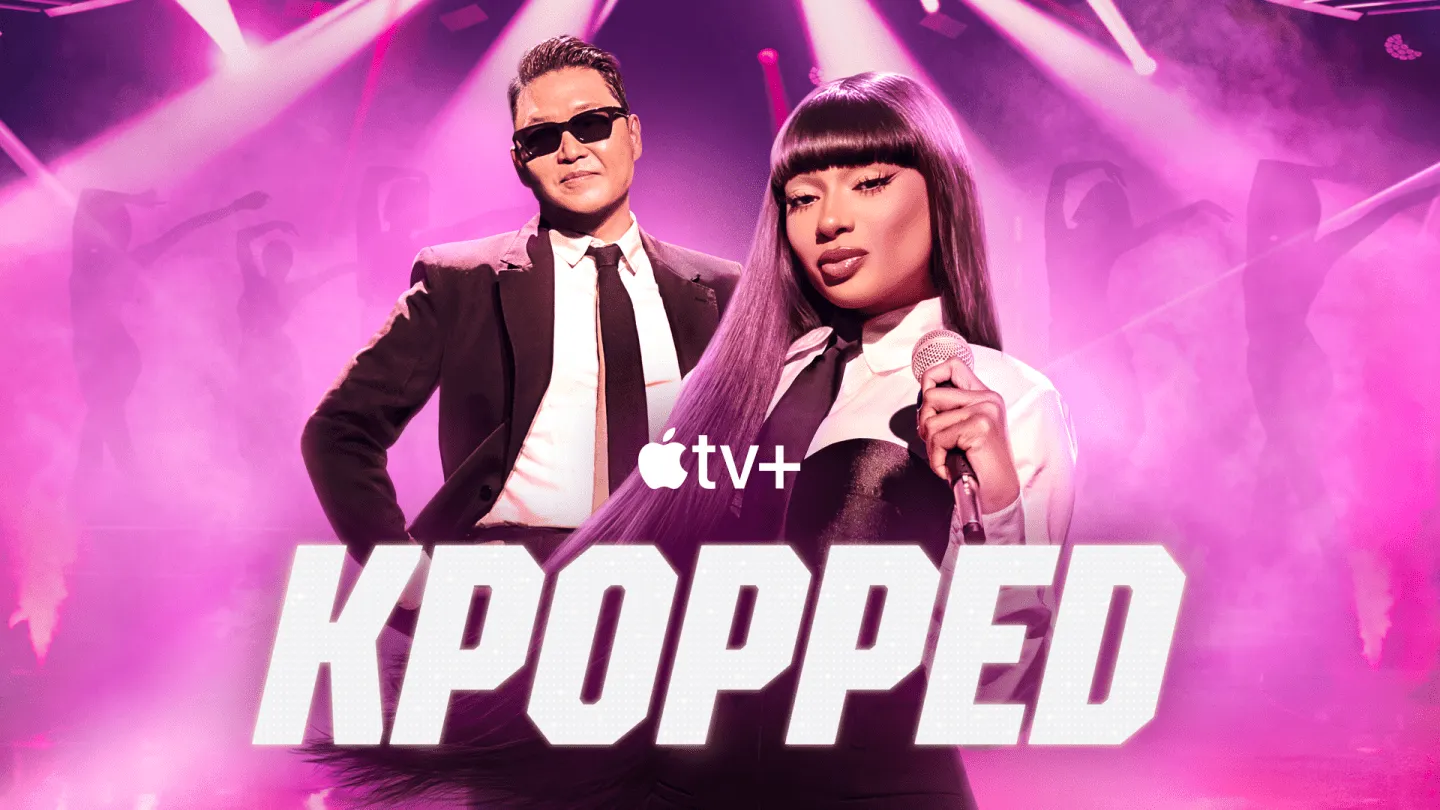

The arrival of KPOPPED on Apple TV+ feels less like a television premiere and more like a cultural treaty ratified by streaming metrics. The series presents a grand experiment in pop diplomacy, attempting to merge the past of Western music with the present of Korean pop.
Produced by figures like Lionel Richie and Megan Thee Stallion, the show pairs K-pop groups such as ATEEZ and ITZY with icons like Patti LaBelle, Kylie Minogue, and Boyz II Men. Their mission is to collaboratively reimagine a classic hit from the Western artist’s discography.
Led by the symbolic pairing of hosts PSY and Megan Thee Stallion, KPOPPED positions itself as a bright, celebratory bridge between two dominant musical empires. It is a spectacle of immense star power, engineered to capture a global audience by reflecting the very trends that shape modern music consumption.
The Assembly Line of Collaboration
Every episode of KPOPPED follows an unyielding and meticulously structured blueprint, one that speaks volumes about the current state of streaming entertainment. A K-pop group is introduced, split into two sub-units, and each half is assigned to a Western guest. What follows is a sequence of rigidly timed events: a brief cultural outing, a frantic 48-hour rehearsal period, and two final performances.
The winner is decided by a studio audience waving lightsticks, a gesture that feels more like polite affirmation than a critical vote. This format’s predictability is its defining feature. It mirrors the highly disciplined and controlled environment of the K-pop industry, prioritizing efficiency over spontaneity. By removing any possibility of genuine conflict or failure, the show becomes a frictionless content-producing machine. The competition has no real stakes, the drama is non-existent, and every problem is solved with a tidy edit.
This sanitized model represents a significant departure from the foundational DNA of the television talent show. Where previous formats thrived on manufactured conflict and the acerbic judgments of figures like Simon Cowell, KPOPPED embodies a newer, conflict-averse philosophy.
This is entertainment engineered for brand safety, designed to be palatable to a global subscriber base without causing offense or generating controversy. The 48-hour timeline, while presented as a creative challenge, functions primarily as a narrative device to inject a false sense of urgency.
It also serves to highlight the intense work ethic of the K-pop idols, who are products of a system that demands perfection on an impossible schedule. This stands in stark contrast to the working styles of some guest stars, hinting at a cultural gap the show is not equipped to explore.
The co-production with Korean entertainment company CJ ENM further explains the polished, almost corporate, sheen. The series functions as an extended, beautifully lit advertisement for K-pop, carefully omitting any complex realities of the industry. It’s a competition with no losers, a celebration of effort where everyone is a winner, reflecting a very contemporary mode of entertainment that values pleasantness above all else.
Diplomacy by Fried Chicken
The show’s attempts at fostering cross-cultural understanding are packaged into brief segments where artists share a meal or an activity. These moments oscillate between charming and revealingly awkward. They are presented as authentic windows into the collaborative process, but more often they feel like carefully managed photo opportunities designed to generate shareable clips.
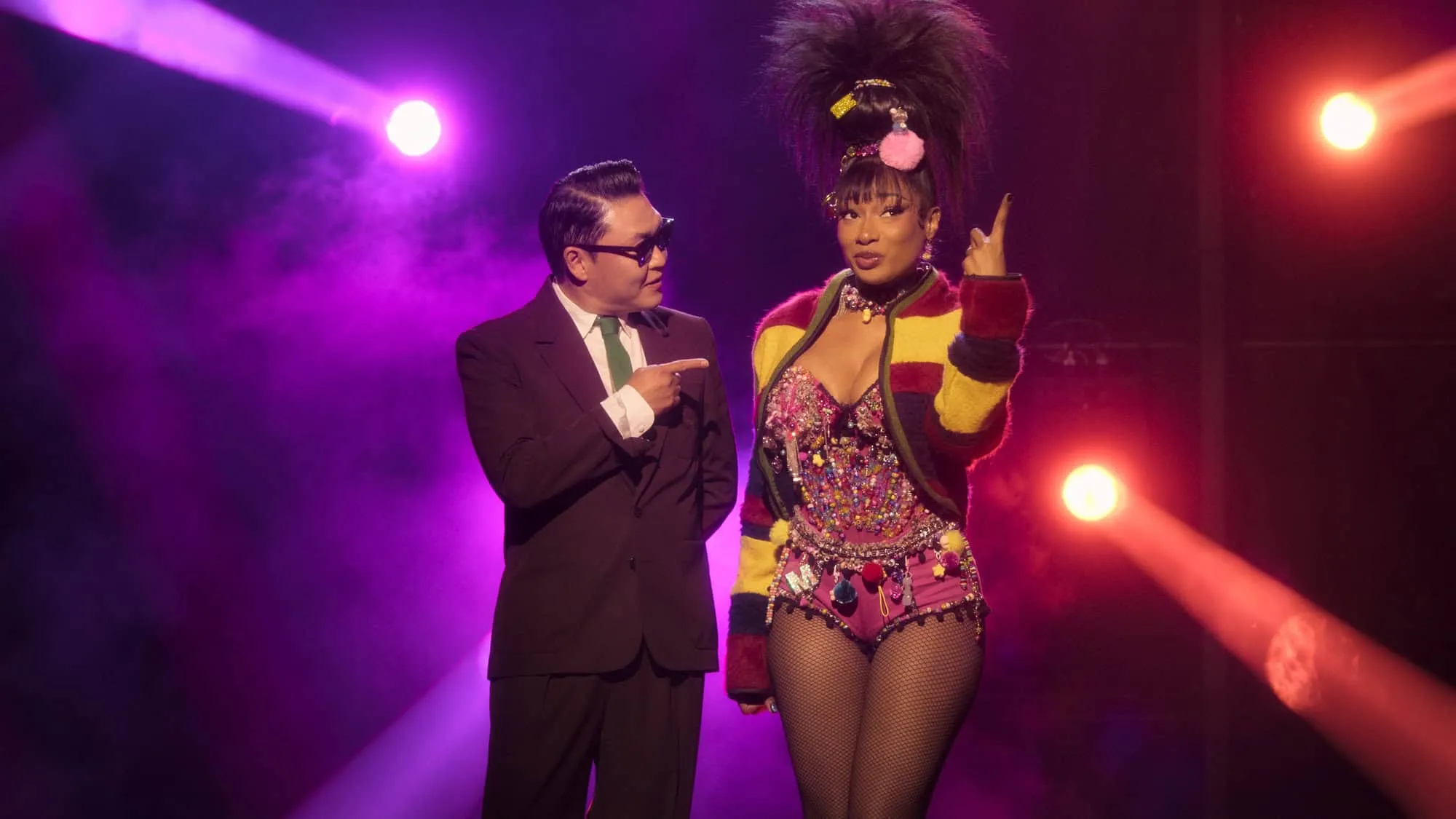
Megan Thee Stallion’s segment, where she gamely tries intensely spicy fried chicken with the members of Billlie, is a masterclass in modern celebrity. She is charismatic, funny, and understands her role as a cultural ambassador. Her engagement feels genuine and helps to make the exchange feel successful. Other interactions, however, reveal a less seamless reality.
Taylor Dayne’s visible discomfort while cooking with unfamiliar Korean ingredients provides a rare moment of unscripted cultural dissonance, one the show rushes to resolve before it can curdle into actual tension. Similarly, Vanilla Ice’s insistence on his original 1990s choreography for “Ice Ice Baby” creates a temporary rift with the younger Kep1er members.
These instances are not just quirky anecdotes; they are microcosms of a generational and artistic gap. The show frames them as minor hurdles, but they point to deeper issues of control, adaptability, and the inherent friction of creative work that the series is determined to ignore.
This curated approach to authenticity is perhaps most glaring in the show’s handling of the Japanese group JO1. Referring to them as a K-pop group is a significant error, one that reveals a potentially superficial, Western-centric perspective that can flatten the distinctions between different East Asian pop cultures. It’s an oversight that undermines the show’s claim to be a celebration of global music, suggesting its understanding is more aesthetic than academic.
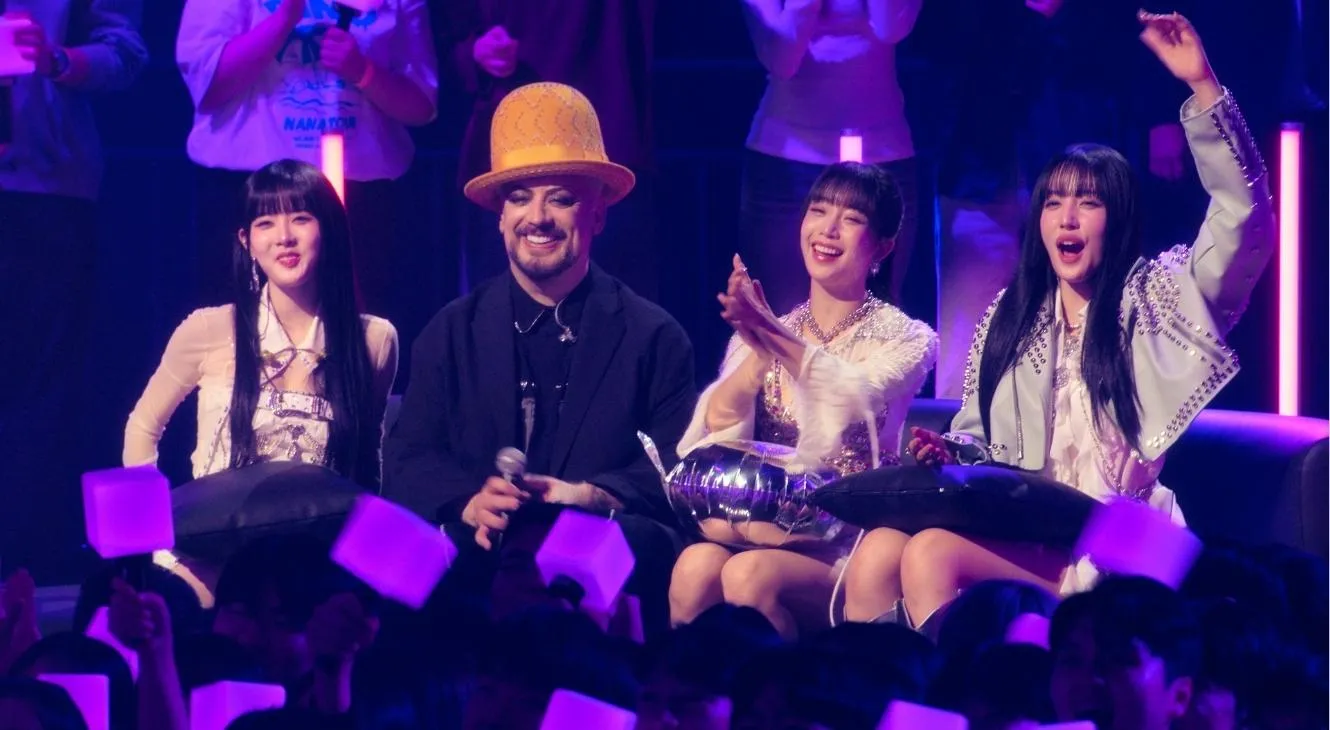
The series seems more invested in the image of global harmony than in exploring the actual complexities of collaboration. Even the more successful outings, like STAYC’s thoughtful excursion with Boy George, feel contained. They are pleasant interludes in a tightly controlled production schedule. The show is not interested in the messy, unpredictable process of forging real connections; it is interested in producing a flawless image of connection, a simulation of authenticity for an audience accustomed to curated realities.
Harmonies in a Hurry
The musical performances, the supposed climax of each episode, offer mixed results. The collaborations born from the show’s accelerated 48-hour timeline are reliably professional yet seldom revolutionary. The very premise of “K-poppification” seems to involve a standard formula: add a dance break, increase the tempo, and insert a rap verse.
This approach risks reducing a diverse musical genre to a set of stylistic plugins. The show’s title promises reinvention, but the frantic schedule often allows only for renovation. The artists deliver polished, high-energy performances that are a testament to their immense talent and professionalism, but the creative spark of true synthesis is often missing. The product is competent, even enjoyable, but rarely transcendent. It is music made for the algorithm: immediately engaging but perhaps not built to last.
Ironically, one of the series’ most effective and emotionally resonant moments comes when Boyz II Men perform their classic ballad “End of the Road” with members of BLACKSWAN. The performance succeeds precisely because it barely alters the original song’s core structure, focusing instead on stunning vocal harmonies.
Its success questions the show’s entire premise of radical reinvention, suggesting the formula is weakest when applied to songs whose power lies in emotional depth rather than danceable beats. Elsewhere, the episode featuring ATEEZ with Kylie Minogue and J Balvin works well, aided by strong musical chemistry and the K-pop group’s established reputation as powerhouse performers. The most memorable moments are often the ones that deviate from the script of perfection.
T-Boz of TLC struggling to keep up with intense choreography or Boy George attempting to sing in Korean are moments of human vulnerability. These fleeting instances of imperfection are more engaging than many of the flawless but ultimately forgettable routines. They hint at a more interesting show lurking beneath the polished surface, one willing to embrace the messy, unpredictable, and ultimately more rewarding process of making art.
KPOPPED is a music-focused reality series that premiered all eight of its episodes globally on August 29, 2025. The show is available for streaming exclusively on the Apple TV+ platform. Hosted by Soojeong Son, the series features collaborations between major Western pop stars and prominent K-pop groups, who reimagine iconic hits for live battle performances in Seoul.
Full Credits
Director: Yeonkyu Lee
Producers and Executive Producers: Moira Ross, Lionel Richie, Miky Lee, Megan Thee Stallion, Greg Foster, Harry H.K. Shin, Jake Hong, Chris Culvenor, Paul Franklin, Wes Dening, David Tibballs, Ki-woong Kim, Bruce Eskowitz
Cast: Psy, Megan Thee Stallion, Soojeong Son, Billlie, ITZY, Kep1er, JO1, ATEEZ, STAYC, Kiss of Life, Blackswan, Patti LaBelle, Mel B, Emma Bunton, Vanilla Ice, Taylor Dayne, Kesha, Eve, J Balvin, Kylie Minogue, TLC, Boy George, Jess Glynne, Ava Max, Boyz II Men
The Review
KPOPPED
KPOPPED is a visually stunning and impeccably produced series that successfully captures the global appeal of its stars. It functions as a bright, pleasant celebration of music, offering enjoyable performances and moments of charm. The show’s weakness is its rigid, conflict-averse formula, which prioritizes safe, predictable content over genuine creative risk or deep cultural exploration. What promises to be an exciting fusion of styles too often feels like a beautifully packaged but hollow corporate exercise. It is a perfect product for the streaming age: easy to watch, but difficult to remember.
PROS
- Features an impressive roster of K-pop and Western music legends.
- High production values and polished musical performances.
- Successfully showcases the talent and professionalism of the K-pop groups.
- Offers light, accessible entertainment for a global audience.
CONS
- A highly repetitive and predictable episode structure.
- The competition format lacks any meaningful stakes or tension.
- Cultural interactions often feel superficial or staged.
- The musical collaborations are rarely innovative.