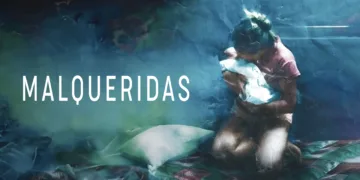

















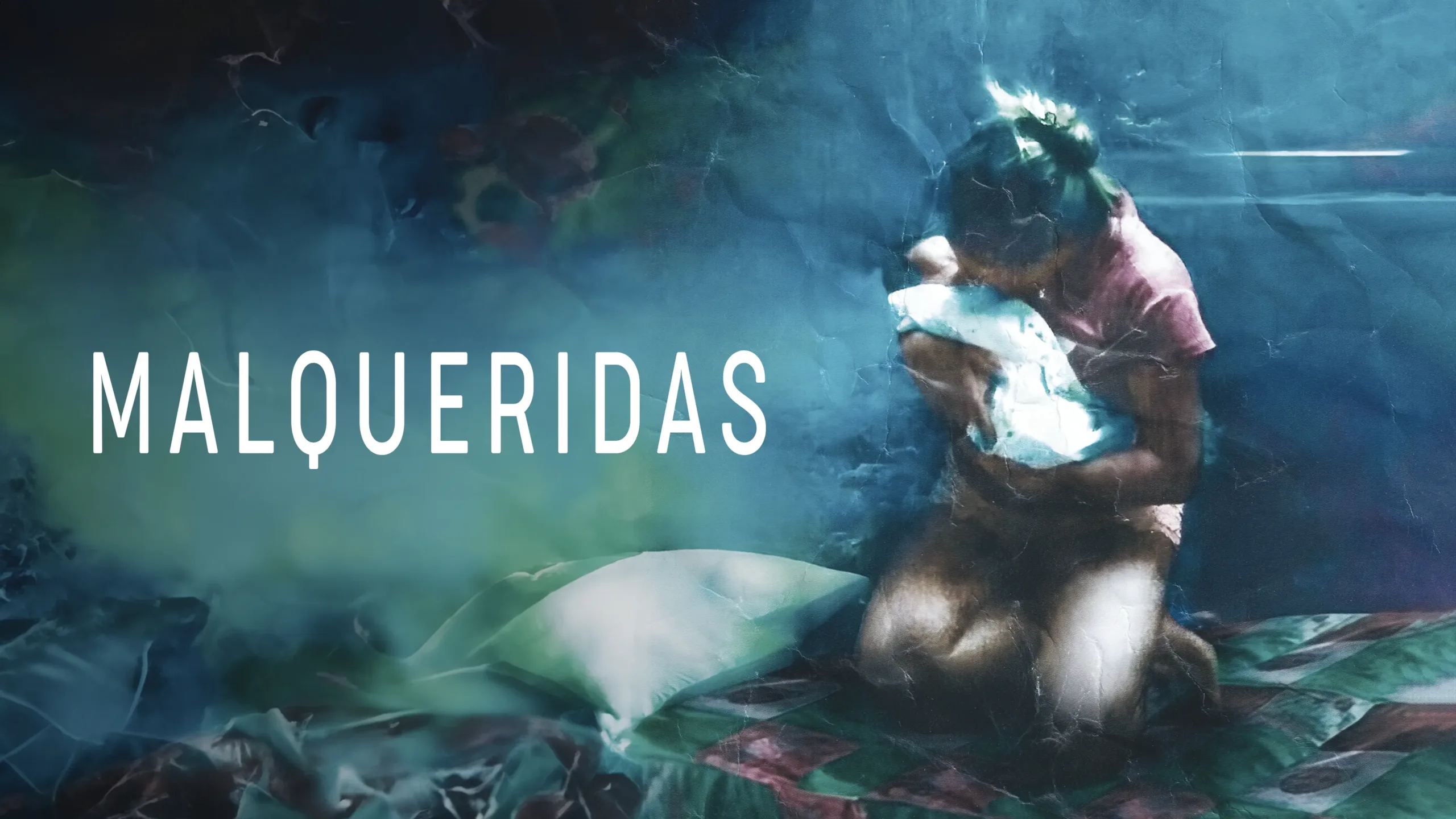

Inside a Chilean women’s prison, a world of motherhood exists on borrowed time. Tana Gilbert’s documentary Malqueridas takes us directly into this hidden space. The film’s title, translating to “unloved” or “badly loved women,” immediately sets a somber, reflective mood.
What makes this film so arresting is its method of creation. Every frame is composed of footage and photographs captured secretly by the inmates themselves on forbidden cell phones. This is not a story told about them, but one told by them.
The central emotional weight of the film comes from a harsh reality of Chilean law: incarcerated mothers can raise their children with them, but only until the children turn two. This rule establishes a countdown of profound love and impending separation. The result is an incredibly raw and direct view into a reality most of us could never imagine, documented by the women living through it.
The Beauty of the Busted Bixel
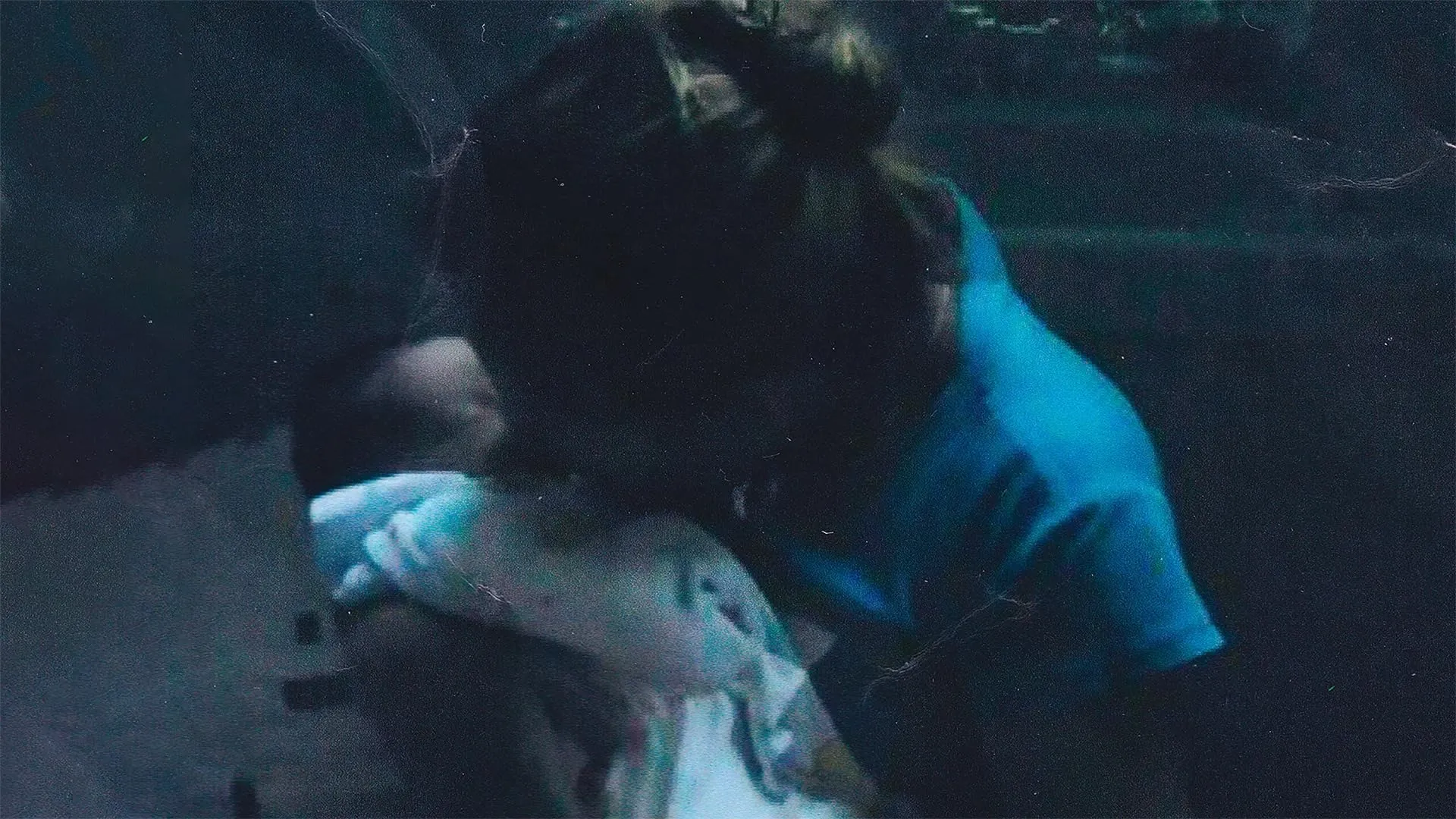
The visual language of Malqueridas is defined by its limitations, and that is its greatest strength. The images are blurry, pixelated, and often fragmented. Almost everything is shot vertically, the way you’d hold a phone to film a friend. In our current culture, this vertical format is the native language of disposable social media stories.
The film reclaims this aesthetic, taking a format we associate with fleeting moments and using it to build a permanent, profound record. Its shaky, lo-fi quality reminds me of old, worn-out VHS tapes from my youth, where the tracking errors and static were an inseparable part of the memory itself. We see filters today that try to replicate this texture for nostalgia, but here it is authentic and earned.
The poor quality is evidence of the risk involved. The muffled audio, punctuated by a sudden hiss of “The guard is coming!”, makes the precarity of each shot tangible. This is not just a stylistic choice; it is the sound of survival. The vertical framing boxes the women into the screen, creating a powerful sense of claustrophobia that mirrors their physical confinement within the prison walls.
Director Tana Gilbert and her team took these fleeting digital files and carefully printed, then re-digitized thousands of frames. This physical act of turning a pixel into a piece of paper and back again is a defiance of both the ephemeral nature of digital media and the institution’s attempt to erase these lives. The visual imperfections become scars of survival, making the film feel less like a movie and more like a smuggled archive of human experience.
Finding Family in the Fissures
The film cleverly sidesteps traditional documentary interviews by using a composite narrative structure. The stories are voiced by a single former inmate, Karina Sánchez, who becomes a conduit for the collective experience of many women. This is a fascinating narrative device.

It challenges the documentary convention of creating distinct character arcs and instead presents a universal “everywoman” of the prison, suggesting that these experiences of loss and connection are shared by all. Her narration braids individual memories into a powerful testimony of life inside. The emotional core is the bond between mother and child.
We see tender scenes in the prison nursery, full of life and play, captured with a loving, unsteady hand. These moments are sharply contrasted with the deep sorrow of the mandatory separation. One story, of a mother staying awake all night just to watch her son sleep before he is taken away, is devastatingly specific and speaks volumes about a love that persists against all odds.
When that primary bond is broken, the women create new ones to survive. A powerful sisterhood emerges. Older inmates become surrogate mothers to newcomers, friendships solidify into found families, and romantic relationships offer tenderness in a place of hardship. These bonds function as a crucial psychological coping mechanism in an environment of extreme stress.
We see them creating small pockets of normalcy that are acts of spirited resistance: makeshift parties with shared makeup, a sudden fitness craze to reclaim a sense of control over their bodies, and late-night scary stories that allow them to process fear on their own terms. These are not just distractions; they are the building blocks of a new community, a new society with its own rules for survival, forged out of necessity.
More Than a Movie, A Lifeline
The act of filming inside the prison becomes an act of courage. By turning the cameras on themselves, these women defy a system designed to make them invisible. They seize the power to craft their own narratives, a significant shift from traditional documentaries where the filmmaker holds that power.
In our age of constant self-documentation, where phone cameras are often used for curated self-performance, this film subverts that purpose entirely. The cell phone becomes a tool not of vanity but of vital testimony. Gilbert makes a critical choice by never revealing the specific crimes the women were convicted of.
This decision strips away the viewer’s ability to judge and challenges us to reconsider what information is truly necessary for empathy. It forces an engagement with the women as human beings—as mothers, daughters, and friends—rather than as criminals defined by their pasts.
Malqueridas is a vital document that preserves memories that would have otherwise been confiscated or lost to time. It’s a permanent record of love, resilience, and the desperate need to be seen. It offers a new model for ethical and collaborative storytelling, shifting the power dynamic from the observer to the observed. The film shows how the tools of our modern, documented lives can be used for something essential: to hold onto one’s story and demand to be heard.
Malqueridas is a documentary film that premiered on September 7, 2023, at the Venice Film Festival. It explores the lives of incarcerated women in Chile, focusing on motherhood and mutual support within the prison system. The film uses footage shot clandestinely with cell phones by the subjects themselves, and has a runtime of 74 minutes. It has screened at several film festivals, including the Valdivia International Film Festival and the Berwick Film & Media Arts Festival. Streaming information is limited, but it is available on MUBI.
Full Credits
Director: Tana Gilbert
Writers: Tana Gilbert, Paola Castillo Villagrán, Javiera Velozo, Karina Sánchez
Producers: Paola Castillo, Dirk Manthey
Executive Producers: Dirk Manthey, Errante Producciones
Cast: Karina Sánchez
Editors: Javiera Velozo, Tana Gilbert
The Review
Malqueridas
Malqueridas transforms the limitations of its production into its greatest artistic strength. The film uses secretly recorded, low-resolution footage to create an unfiltered and deeply human portrait of motherhood and community inside a Chilean prison. It is a powerful act of bearing witness, foregoing judgment to focus on the resilient bonds forged in the face of separation. This is more than a documentary; it is a vital, unforgettable piece of testimony captured from the inside.
PROS
- Composed entirely of inmate-shot footage, giving an authentic and direct perspective.
- The raw, vertical visuals effectively create a sense of intimacy and claustrophobia that serves the story.
- A moving exploration of motherhood, separation, and the formation of found families.
- By omitting criminal charges, it forces the audience to engage with the subjects' humanity.
CONS
- The composite narrator and raw footage may feel disorienting to some viewers.
- The intentionally blurry aesthetic could be difficult for those accustomed to polished documentaries.
- The film focuses tightly on personal lives, offering little information on the wider societal issues leading to incarceration.