























Netflix’s The Remarkable Life of Ibelin has drawn fresh attention months after release, buoyed by new honors and ongoing discussion of how it portrays online community. The documentary recounts the life of Norwegian gamer Mats Steen, who lived with Duchenne muscular dystrophy and forged deep relationships in World of Warcraft under the avatar “Ibelin.” It premiered at Sundance in January 2024, where it won the World Cinema Documentary Audience Award and the Directing Award, launched globally on Netflix on October 25, 2024, and was later recognized with a Peabody Award this spring.
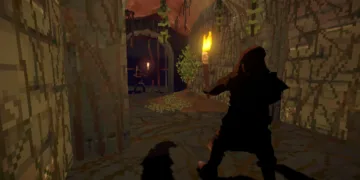
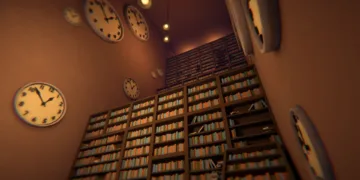
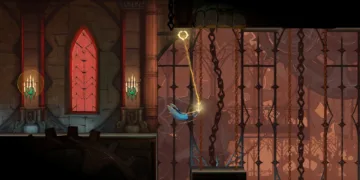
The film’s narrative turns on what Steen’s parents learned after his death at 25 in 2014: messages from players across Europe revealed a network of friendships they had never met in person. Director Benjamin Ree weaves family archives with animated sequences set inside Warcraft, building many scenes from tens of thousands of lines of guild role-play logs to visualize Ibelin’s social life and the dramas that unfolded there.
Production choices have been a talking point. The team initially reconstructed the online world without the game studio’s involvement, animating with authentic models and aesthetics before later receiving support once a cut was shown, a process that underlines how documentaries now enter virtual spaces with the same rigor applied to live-action reporting. The approach aligns with a wider movement of filmmakers using digital realms as primary locations.
Advocacy groups have highlighted how the film resonates with people affected by neuromuscular conditions, noting both its emotional difficulty and its value in showing gaming as social infrastructure for those with limited mobility. Coverage since release has also emphasized how families are using the film to open conversations about their children’s digital lives and the legitimacy of friendships formed online.
The project’s run has extended beyond awards and platform exposure, with festival screenings and interviews detailing the yearslong research and the collaboration of Steen’s guildmates who continue to memorialize Ibelin in-game. Its reception suggests a durable audience for documentary storytelling that treats virtual worlds as real places where identity, care, and grief are lived and witnessed.