




























Cinema has a long history with the figure of the alcoholic, often a charismatic man whose downfall is portrayed with a certain tragic glamour. Better Days is not that film. It opens with an act of quiet desperation that feels immediately different.
We meet Suzanne in her kitchen, engaged in a ritual. She methodically takes a box of vodka from a high cupboard and siphons the clear liquid into water bottles. The scene is shot with a stark, observational calm, presenting her actions not as a moral failing but as a mechanical process, a necessary piece of engineering to get through the day. There is no joy in it. This focus on the sheer, joyless labor of maintaining an addiction sets the film’s initial tone.
Her life as a mother of three is a constant performance, one that is becoming unsustainable. The inevitable collapse comes not with a dramatic monologue, but with a moment of hungover carelessness: a forgotten handbrake, a rolling car. This accident forces her private, meticulously managed system into the public domain, leading to the loss of her children and a court order for rehabilitation.
A Chorus of Confessions
Suzanne’s entry into an all-female rehabilitation clinic shifts the film’s perspective from a singular study to a collective portrait of affliction. The clinic itself is a sterile, controlled environment, but the emotional landscape is anything but.
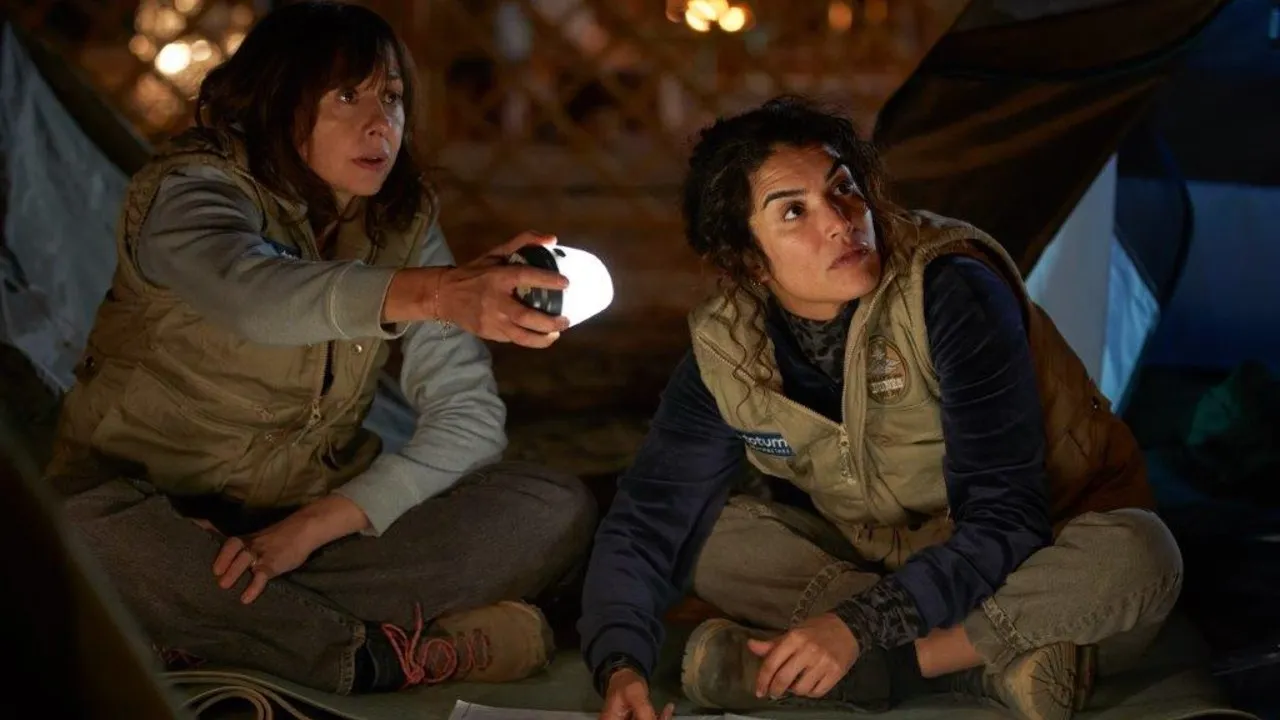
Here, Suzanne’s quiet shame collides with the louder denials of others, like Diane, a celebrated actress hiding behind a wall of fame, and Alice, a young woman whose frantic “party girl” energy masks a deep-seated fragility. The film excels in its depiction of the specific social weight carried by these women; their addiction is tangled up with their identities as mothers, daughters, and professionals in a way that feels distinct from male-centric narratives.
Also Read






The directors make a powerful choice in their use of direct-to-camera monologues. By having the women speak their innermost thoughts directly to the audience, the film breaks the fourth wall and creates a profound intimacy.
The camera becomes a silent listener, and we become witnesses. This technique bypasses traditional cinematic storytelling, offering an unfiltered, documentary-like authenticity. The effect is heightened by the presence of non-professional actors, women with real-life experience of addiction, whose faces in the background of scenes add a layer of lived-in truth that grounds the entire production.
The Desert as Metaphor
Just as the viewer settles into the film’s quiet realism, the narrative takes a hard left turn. Denis, the facility’s well-meaning sports coach, proposes an audacious therapeutic exercise: training a select group of women, including Suzanne, for a grueling off-road car rally in the Moroccan desert. The tonal shift is immediate and drastic.
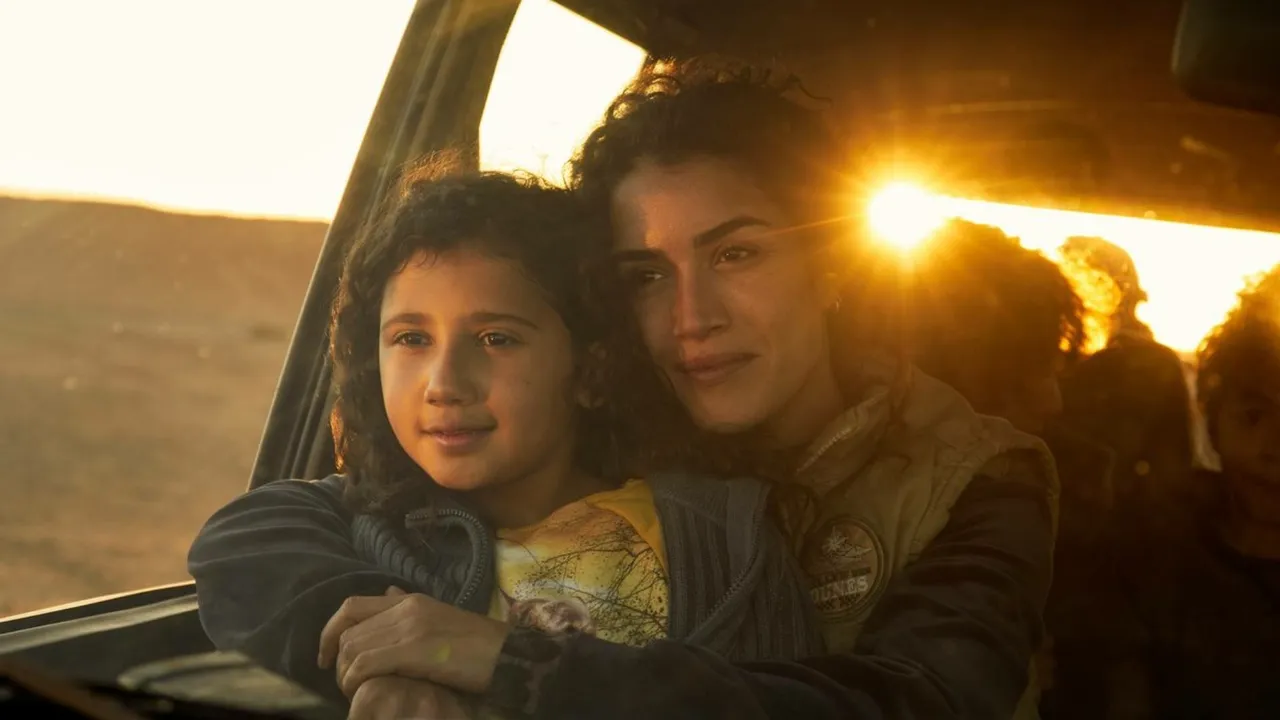
The film’s pacing accelerates, the claustrophobic interiors of the clinic are replaced by sweeping desert vistas, and the somber mood is injected with notes of adventure and humor. This entire sequence functions as an ambitious, almost brazen, metaphor for recovery. The external challenges of navigating dunes and fixing engines are a stand-in for the internal battles the women are fighting. The film gambles its hard-won authenticity on this high-concept idea.
It’s a move that pulls the story toward more conventional mainstream filmmaking, a choice that feels designed to make the difficult subject matter more palatable. While the rally plot strains credibility, it succeeds in transforming the dynamic between the central characters. The shared adversity forces Suzanne, Diane, and Alice to form a genuine, codependent team, achieving a form of solidarity that seemed impossible within the clinic’s more structured therapeutic environment.
The Weight of the Performance
While the film’s structure may be divided, its emotional core is held together by Valérie Bonneton’s remarkable performance as Suzanne. She carries the weight of her character’s exhaustion in her physical presence, in the slump of her shoulders and the perpetual weariness in her eyes.
It is a subtle, unshowy performance that anchors the story in a believable human reality, even when the plot veers toward the fantastic. As Diane and Alice, Michèle Laroque and Sabrina Ouazani provide essential contrast, their louder energies slowly giving way to reveal the vulnerabilities they share with Suzanne. The film ultimately presents two distinct models of recovery: the slow, painful work of internal reflection and the explosive, forward-moving power of external action.
It seems to suggest that a person needs both to heal. Better Days is a film of two halves, one grounded in stark realism and the other reaching for a more hopeful, cinematic metaphor. The transition is not seamless, but the strength of the performances and the sincerity of its perspective on female addiction make it a compelling and compassionate work.
“Better Days,” with its original French title “Des Jours Meilleurs,” is a French and Belgian tragicomedy film released on January 24, 2025 in France. The movie centers on Suzanne, a grieving widow who turns to alcohol and is forced into a rehabilitation center. There, she and two other women find a new purpose by training for a car rally in the Moroccan desert. The film combines elements of comedy and drama, and explores themes of addiction, friendship, and new beginnings. You can find it on various VOD platforms like Apple TV, Amazon Video, Canal VOD, and Rakuten TV.
Full Credits
The Review
Better Days
Better Days is a film of two distinct parts. It begins as a raw, compassionate drama about female alcoholism, carried by a phenomenal lead performance from Valérie Bonneton. Its abrupt turn into a conventional desert adventure, however, feels tonally jarring and sacrifices hard-won authenticity for a more convenient, uplifting metaphor. The film’s sincere intentions and the strength of its acting are clear, but the uneven structure prevents it from reaching its full potential. It remains a worthwhile watch for its powerful first half.
PROS
- A powerful and understated lead performance by Valérie Bonneton.
- An honest and sensitive depiction of the shame associated with female alcoholism.
- The effective and intimate use of direct-to-camera monologues.
- Strong chemistry between the three central female characters.
CONS
- A sudden and jarring tonal shift midway through the film.
- The desert rally plot feels contrived and undermines the initial realism.