

























![Kingdom Hearts Collection [I-III] Review](https://gazettely.com/wp-content/uploads/2026/10/Kingdom-Hearts-Collection-I-III-1-360x180.webp "Kingdom Hearts Collection [I-III] Review: KHII Holds Steady as Newer Entries Fluctuate 37")



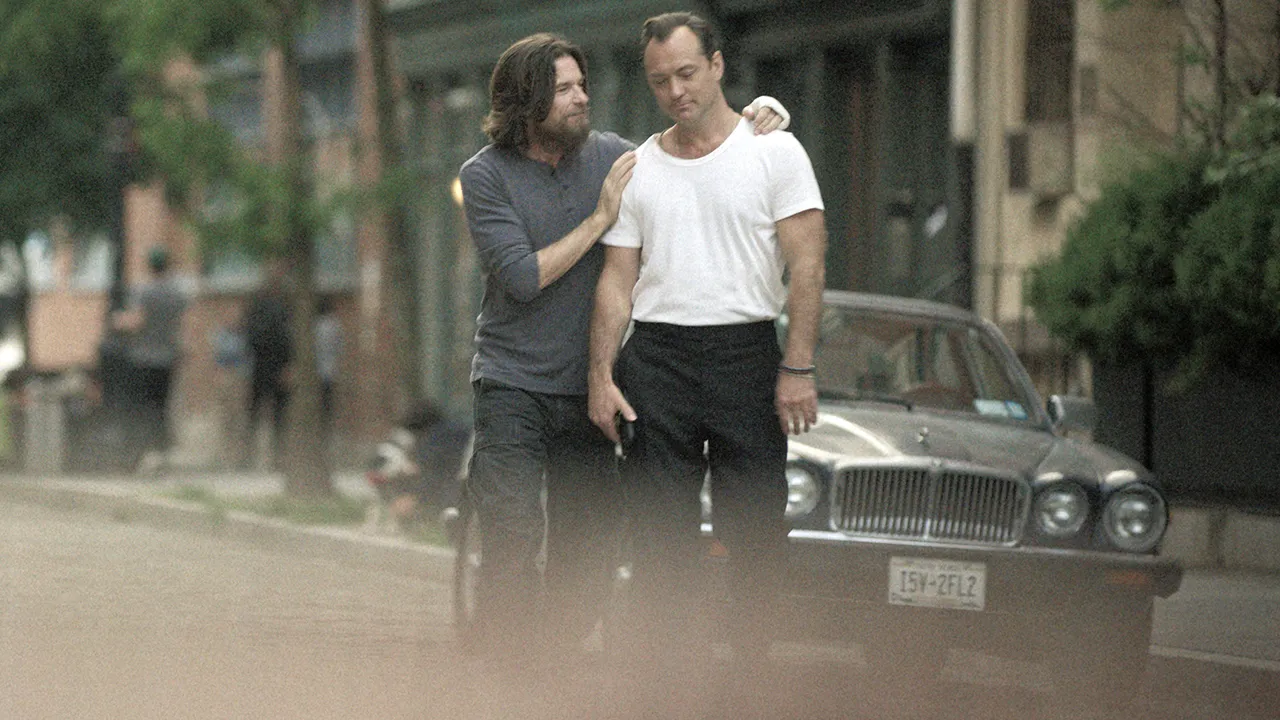

The Black Rabbit is the kind of New York City establishment that sells a feeling more than a product. It’s a pulsating, dimly lit space where ambition and influence are the real currency. For its owner, Jake Friedken, the restaurant is the apex of a life spent striving for legitimacy, a venue teetering on the verge of iconic status in the city’s ruthless hospitality scene.
The series paints a vivid picture of this high-pressure world, where one glowing review or one powerful new client can change everything. Into this carefully balanced ecosystem walks Vince, Jake’s estranged older brother. Vince is a chaotic force of nature, a whirlwind of bad decisions trailing gambling debts and the kind of gangsters who don’t make idle threats.
His arrival is the spark in the powder keg, a catalyst threatening to incinerate the fragile empire Jake has so meticulously constructed. Black Rabbit quickly establishes itself as a tense crime thriller, but its true subject is the unbreakable, mutually destructive bond between two brothers. The story uses Vince’s desperation to force Jake to confront the precariousness of his success and the hidden darkness required to maintain it.
The Brothers Friedken: A Study in Codependency
Jude Law’s Jake is an architect of a fragile empire, a man whose suave charisma is a thin veneer over a core of deep-seated anxiety. He embodies a very contemporary form of masculinity, one defined by the relentless performance of success in an unstable economy.
His tailored suits are armor, but Law’s performance masterfully captures the subtle tells of the man drowning underneath: the flicker of panic in his eyes during a high-stakes negotiation, the forced bonhomie with patrons that barely masks his exhaustion. Jake shoulders the burden of being the “better” brother, a responsibility that has curdled over time into a destructive, enabling addiction to his sibling’s endless cycle of crises.
He is a product of a hustle culture that prizes appearance over substance, and his desperate need to maintain that appearance at all costs becomes his fatal flaw. His morality is not just questionable; it is fluid, shifting with each new threat to the status he has sacrificed everything to build.
Jason Bateman’s Vince arrives as a furious, flailing agent of chaos, a man who has hit rock bottom yet refuses to be a victim. The performance, however, raises critical questions about the limits of an established screen persona and the casting strategies of major streaming platforms.
While Bateman attempts to break from his type, his familiar sarcastic delivery and snippy retorts feel imported from other projects, clashing with the supposed grit of a lowlife from the outer boroughs. His physical transformation cannot entirely mask the cerebral, fastidious energy that defined his work in Ozark. One wonders if this casting was a calculated move to mitigate risk, offering audiences a recognizable star in a gritty package instead of selecting an actor who could more authentically embody the character’s recklessness.
This reliance on a known quantity feels like a missed opportunity, a safe bet in a story that is all about dangerous wagers. Vince should be a force of pure id, yet Bateman’s interpretation keeps him tethered to a more controlled, ironic sensibility.
The series is built around their toxic fraternal bond, a compelling deconstruction of the prodigal son narrative. This is a story of profound sibling codependency, where Jake’s need to rescue is as potent and self-destructive as Vince’s talent for relapse. Their arguments and reluctant alliances are charged with years of shared history, unspoken resentments, and a deeply ingrained power dynamic where Vince, the perennial failure, holds immense emotional sway over his successful brother.
The narrative positions their relationship as the story’s true ticking clock, a countdown not to a gangster’s bullet but to the moment their bond finally implodes. Their codependency is the engine of the plot, illustrating how familial obligation can become a prison, trapping both the savior and the one who needs saving in a devastating feedback loop.
A Tangled Web of Supporting Players
The primary antagonist, gangster Joe Mancuso, is brought to life with formidable power by Troy Kotsur. In a significant casting choice that speaks to a shifting industry landscape, Kotsur delivers a performance that transcends the archetype of a simple thug. Following his Academy Award win, his presence here redefines on-screen menace.
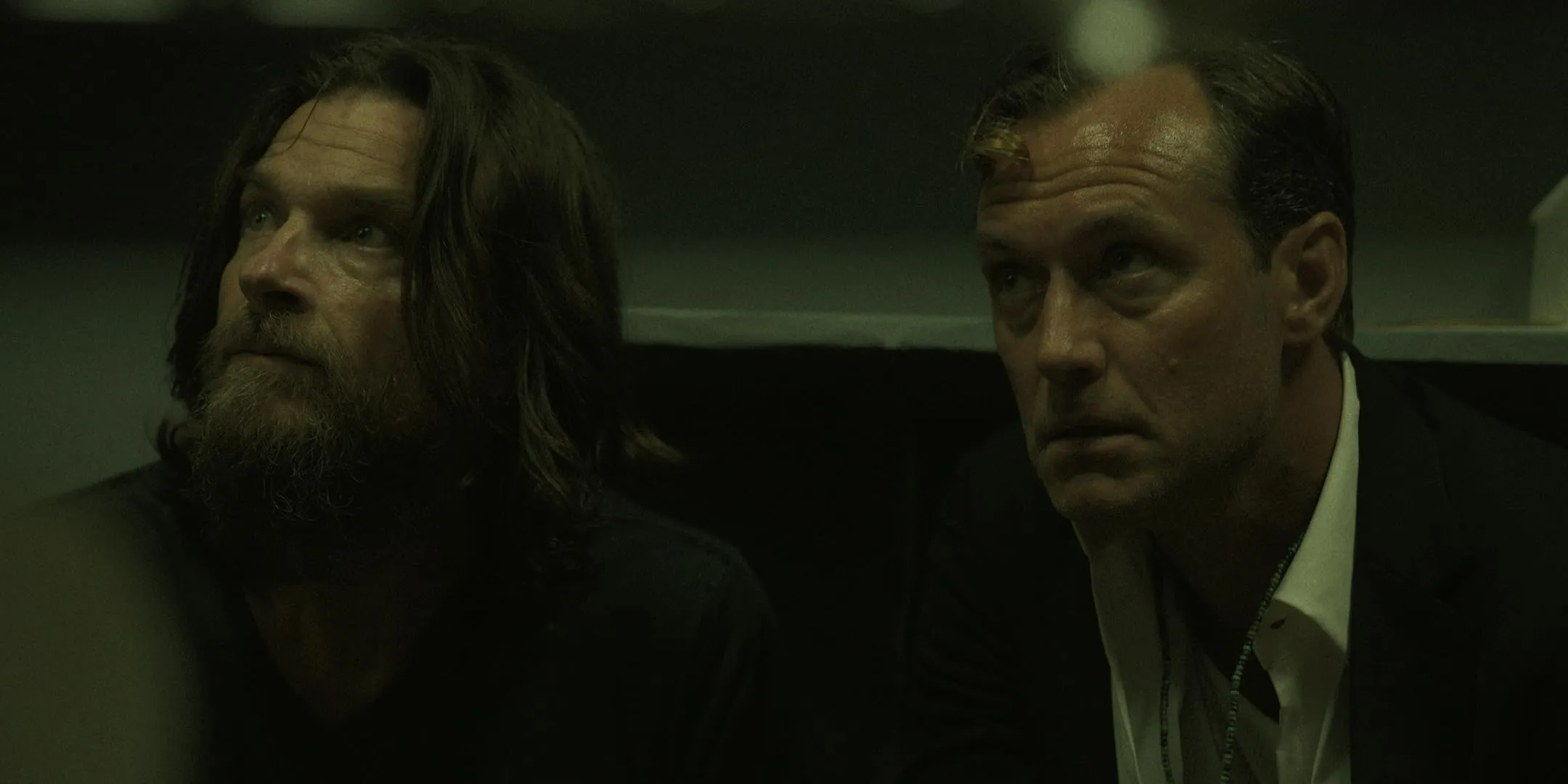
Mancuso’s power is not in loud threats but in his unnerving stillness and expressive gravitas. Kotsur communicates a world of violent history and cold calculation with a glance, creating a far more potent kind of dread than a typical movie gangster. That the character is also depicted as an intelligent adversary willing to listen to reason makes him more complex and unpredictable, a formidable force of consequence in the brothers’ chaotic world. The performance is a masterful display of presence and a vital piece of representation.
Caught in the brothers’ destructive wake is the restaurant’s “family,” the collateral damage of their escalating war. Amaka Okafor is a standout as Roxie, the talented and ambitious chef. Her storyline offers a sharp parallel narrative about the unique costs of ambition for a Black woman navigating a high-pressure, male-dominated industry. She serves as the story’s moral compass, yet her principles are constantly tested by the shady dealings happening just beyond the kitchen doors.
Her loyalty becomes a liability that Jake actively exploits, positioning her as both a valued partner and a disposable buffer. Wes (Ṣọpẹ́ Dìrísù) and Estelle (Cleopatra Coleman), the hip backer and chic designer, represent the glamorous “creative class” that Jake aspires to fully inhabit. Their artistic pursuits become entangled with, and ultimately compromised by, the dirty money and violence Vince brings into the business, showing how easily cultural capital can be corrupted by capital of a more dangerous sort.
Other key figures tighten the narrative screws with precision. Vince’s estranged daughter, Gen (Odessa Young), represents a past he cannot outrun and a future he has already squandered. Her storyline explores a quiet form of generational trauma, forcing the audience to consider the innocent lives ruined by the selfish acts of the main characters.
She is not just a plot device but a personification of broken promises. Meanwhile, the persistent Detective Ellen Seung (Hettienne Park) introduces a layer of institutional pressure. She represents the methodical, inescapable nature of consequence, a stark contrast to the brothers’ frantic, chaotic improvisations. Her investigation moves with a patient certainty, reminding them, and the viewer, that some debts cannot be settled off the books.
The Grime Beneath the Glamour
Black Rabbit excels at contrasting the slick, sophisticated veneer of its world with the sordid reality of crime, debt, and betrayal that fuels it. The polished surfaces, curated playlists, and artfully plated dishes of the restaurant mask a foundation of desperation.
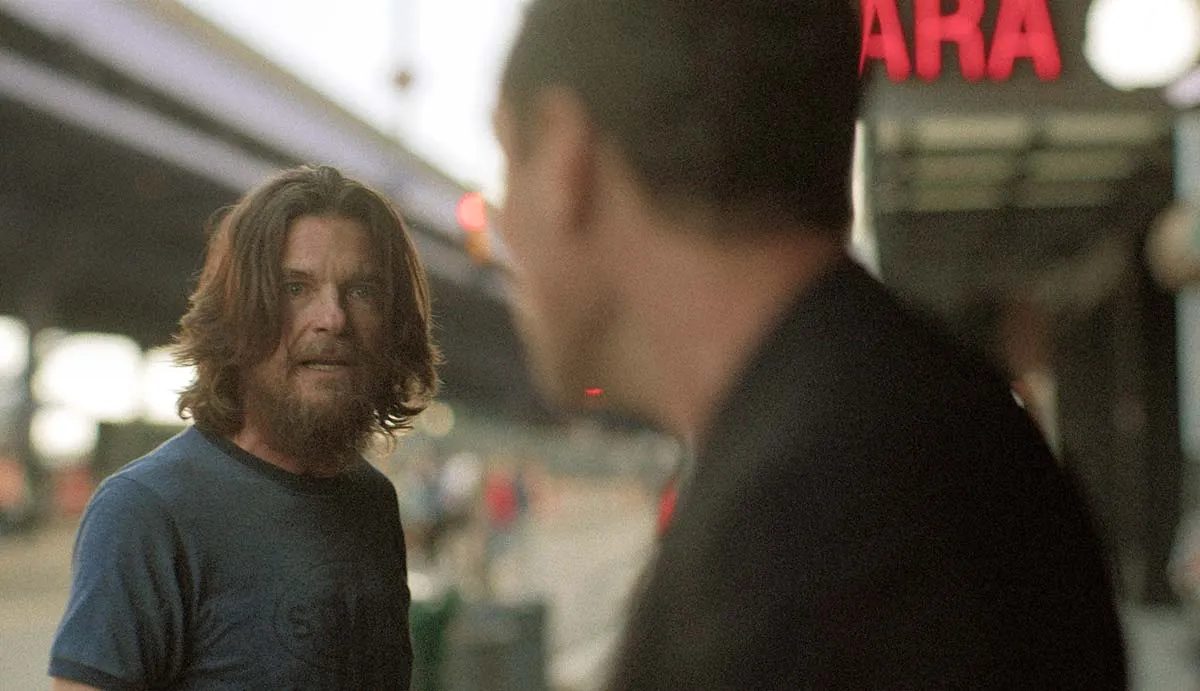
This theme resonates strongly in a “post-truth” era obsessed with image over substance, where a brand’s story is often more valuable than its integrity. Jake’s carefully constructed facade is a microcosm of this cultural moment, a perfect image ready to crack under the slightest pressure. The series peels back the layers of modern success to reveal the often-unpleasant compromises required to achieve and maintain it in a world that values perception above all else.
The show offers a sharp commentary on a modern America where every relationship feels transactional and empathy is a liability. It taps into a deep cultural anxiety about economic precarity, presenting a world where every character is either predator or prey, thrashing to stay afloat. This is most evident in a subplot involving a wealthy, predatory patron, which connects the narrative directly to the ongoing discourse surrounding the #MeToo movement and workplace exploitation.
The storyline raises questions about how prestige television handles such sensitive material. Is it a meaningful exploration of the grim power dynamics at play in service industries, or is it, as one of its detractors might claim, an “unnecessary addition” used for provocative shock value? The show’s handling of the fallout highlights the impossible choices faced by employees, particularly women, who must absorb abuse to protect a business that offers them little protection in return.
The setting is far more than a backdrop; the series presents a version of New York City that is a microcosm of this decay. The choice of locations is deliberate, creating a landscape of clashing social worlds. The narrative moves from the exclusive lounges of Midtown to the grimy, steamy bowels of the Russian & Turkish Baths, from a chic design studio to the shadowy space under the Brooklyn Bridge.
These places represent different strata of the city’s rigid social hierarchy. The show’s struggle to fully integrate these disparate worlds, as noted by some, mirrors the brothers’ own fractured identities. They are men caught between the working-class outer-borough world they came from and the elite Manhattan world they aspire to conquer, belonging fully to neither.
Directing a Downward Spiral
The show’s visual language is one of its most distinct, and perhaps most calculated, features. The cinematography adopts a gritty aesthetic reminiscent of 1970s crime films and the nerve-jangling thrillers of the Safdie brothers. This choice raises an interesting question: is it an authentic homage or a derivative attempt to purchase credibility?
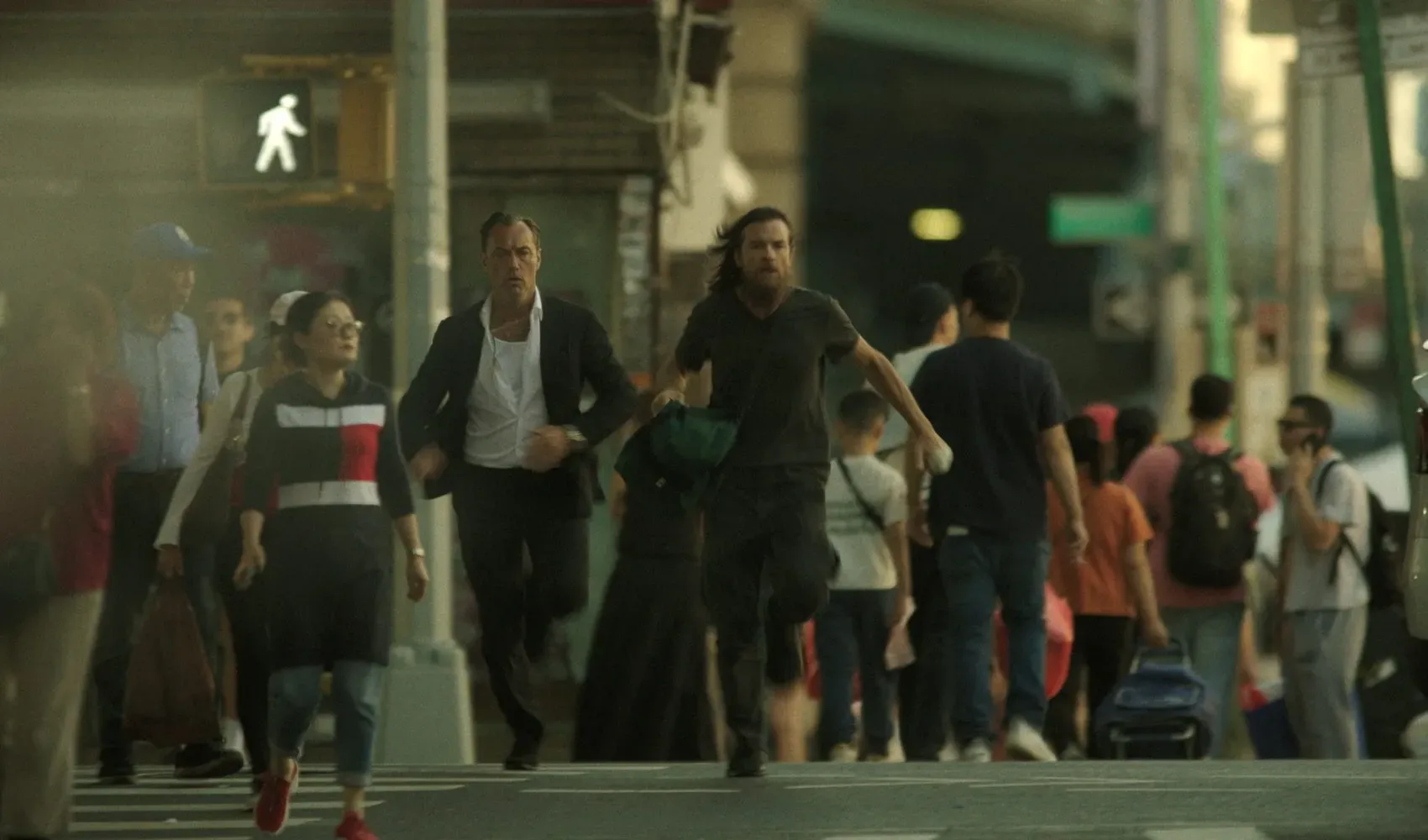
The use of film grain, claustrophobic framing, and long lenses has become a popular shorthand for urban decay and moral rot in contemporary television, a visual signifier of “seriousness.” While effective in creating a constant state of anxiety, it at times feels like a borrowed aesthetic rather than a unique vision. This stylistic choice is grounded by the effective use of real NYC locations, which lend the story a potent, undeniable authenticity.
A pulsating electronic score and a well-curated indie rock soundtrack effectively capture the chaotic energy of the city’s nightlife, amplifying the narrative’s building tension. The slick sound design creates an immersive, often overwhelming auditory experience that mirrors the characters’ frayed mental states. Structurally, the series employs a flash-forward in its opening moments, a common streaming-era device designed to hook the binge-watching viewer immediately.
This narrative gambit serves to create suspense, but it also flattens the emotional journey, revealing the destination before the trip has even begun. It prioritizes plot mechanics over character discovery, making the story feel like a slow march toward an inevitable, joyless disaster.
The series benefits from a varied team of directors, including Bateman and Laura Linney, which results in a vision that is not always cohesive. The early episodes, helmed by Bateman, can feel broad in their approach. By contrast, the final episodes, directed by Justin Kurzel, are a highlight.
Kurzel brings a more intimate, character-focused style, composing beautiful, moody images that sharpen the emotional stakes and elevate the material considerably. This marked improvement in the final act suggests a production model that allows for distinct directorial voices, but it also raises the question of whether the series finds its footing too late. It is a striking example of how a strong director can elevate a project, leaving one to ponder what the show might have been with a more unified vision from the start.
Black Rabbit is a Netflix limited series that is scheduled for release on September 18, 2025. It is a crime thriller.
Full Credits
Director: Jason Bateman, Laura Linney, Justin Kurzel, Ben Semanoff
Writers: Zach Baylin, Kate Susman
Producers and Executive Producers: Zach Baylin, Kate Susman, Michael Costigan, Ben Jackson, Andrew Hinderaker, Zac Frognowski, Justin Levy, David Bernon, Erica Kay
Cast: Jude Law, Jason Bateman, Cleopatra Coleman, Amaka Okafor, Sope Dirisu, Dagmara Domińczyk, Chris Coy, Troy Kotsur, Abbey Lee, Odessa Young, Robin de Jesús, Amir Malaklou, Don Harvey, Forrest Weber, Francis Benhamou, Gus Birney, John Ales, Steve Witting, Morgan Spector
The Review
Black Rabbit
Black Rabbit is a stylish, often tense dive into fraternal toxicity, buoyed by a powerful supporting cast and a sharp critique of modern ambition. While its Safdie-esque visuals and Jason Bateman's familiar performance sometimes feel derivative, the series finds its footing in its later episodes. It offers a compelling, if grim, look at a transactional world where every relationship has a price. Its strengths ultimately outweigh its reliance on familiar prestige-TV tropes, making for a potent, albeit uneven, viewing experience.
PROS
- Powerful supporting performances, particularly from Troy Kotsur and Amaka Okafor.
- A sharp and compelling exploration of sibling codependency and moral decay.
- Tense, atmospheric direction and cinematography, especially in the final episodes.
- Relevant social commentary on economic anxiety and workplace exploitation.
- An excellent, mood-setting score and sound design.
CONS
- Jason Bateman's central performance feels miscast and overly familiar.
- The visual style can feel derivative of other popular thrillers.
- An uneven tone and pacing due to the use of multiple directors.
- The flash-forward structure occasionally lessens narrative suspense.
- Some thematic subplots feel underdeveloped or heavy-handed.







