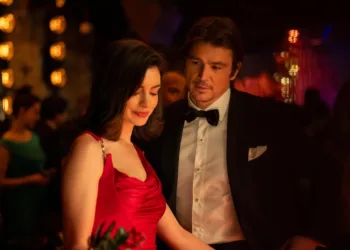





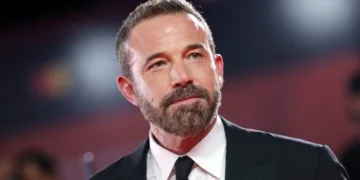










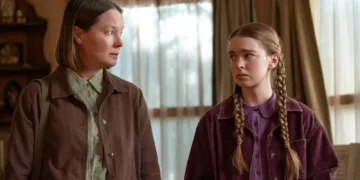












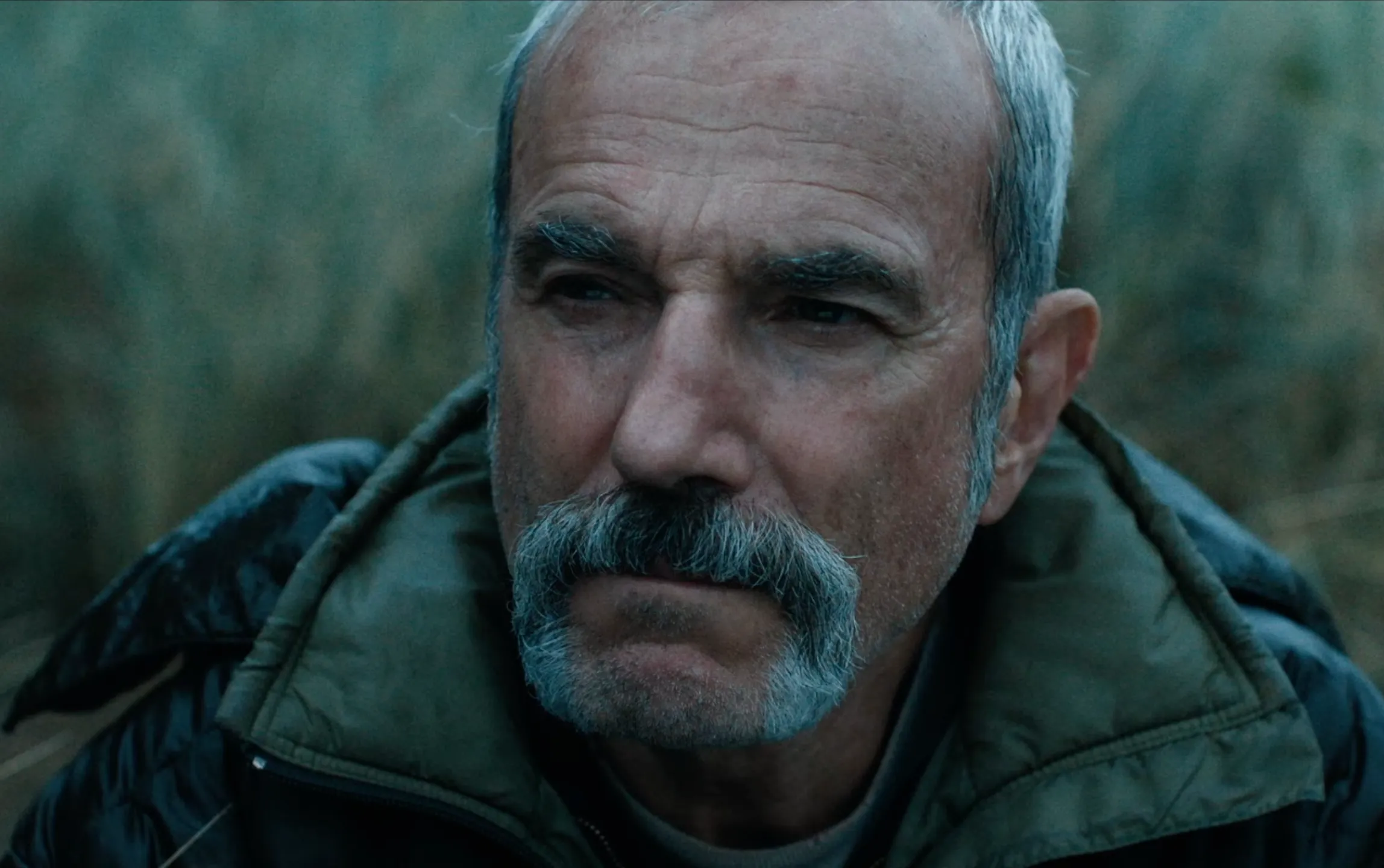

Daniel Day-Lewis returned to the screen for the first time since 2017 with the world premiere of Anemone at the New York Film Festival, appearing alongside his son and the film’s director, Ronan Day-Lewis. After the screening, the three-time Oscar winner acknowledged that announcing his 2017 retirement now felt “foolish,” adding that the chance to collaborate with his son outweighed any desire to remain off camera. The drama opens in limited U.S. release on October 3 before expanding nationwide October 10.
Set in late-1980s northern England, Anemone centers on Ray (Daniel Day-Lewis), a reclusive former paramilitary whose estranged brother Jem (Sean Bean) arrives with a letter that unspools buried grievances. Critics at the premiere noted long, tightly wound monologues, a spare plot, and a mood of coastal melancholy; response ranged from admiration for the lead performance to frustration with the film’s austere pacing. Early reviews describe Ronan Day-Lewis’ debut as visually exacting and thematically heavy, with assessments split over whether its severity deepens or dulls the impact.
The project reunites the actor with Plan B as producer and brings on composer Bobby Krlic, cinematographer Ben Fordesman, and editor Nathan Nugent to shape a chamber piece about guilt, masculinity, and intergenerational damage. Festival coverage highlighted a beachside confession as the movie’s emotional fulcrum and pointed to supporting turns from Samantha Morton and Sean Bean that complicate Ray’s isolation. The production shot in and around Manchester and Chester last fall; Focus Features is distributing domestically, with international rollout handled by Universal.
Beyond the red-carpet return, the premiere reframed Day-Lewis’ retirement as a pause rather than an endpoint. In remarks tied to the festival, he said the work remains meaningful but the public-facing obligations have always been the difficult part—sentiments that help explain the modest scale of his comeback. The initial wave of reviews underscores an unusually polarized reception for a star long associated with consensus acclaim: some see a commanding late-career turn trapped in a somber container, while others argue the film’s rigors ultimately reward patient viewers.