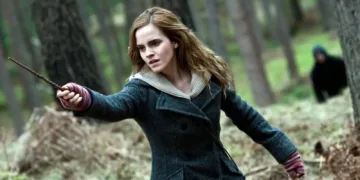









Emma Watson has addressed her strained relationship with J.K. Rowling, saying she continues to value the author while disagreeing with her views on transgender rights. In a new interview on the Jay Shetty podcast released this week, the actor said there is “no world” in which she would “cancel” Rowling and expressed regret that a private conversation “was never made possible.” Watson, 35, added that she still feels gratitude for the opportunities born from the Harry Potter films that launched her career.
Watson’s remarks follow years of public disagreement after Rowling’s posts and essays asserting sex-based rights ignited controversy in 2020. The author has argued that recognizing biological sex in law and policy is essential to women’s safety, while insisting she does not hate trans people. In April 2024, Rowling said on X that she would not forgive Watson and Daniel Radcliffe for supporting statements affirming trans women as women. Watson reiterated her support for trans rights in the new interview and urged a less “disposable” approach to public figures with whom people strongly disagree.
Speaking about the legacy of the franchise, Watson noted that the sense of family on the Potter sets shaped her early expectations of the industry, contributing to later disillusionment that led to a hiatus from acting and a return to study. She is currently pursuing postgraduate work in creative writing at Oxford, according to coverage of the podcast. The comments arrive amid recurring speculation about future Wizarding World reunions and continued online polarization around the debate.
Rowling’s supporters frame her stance as safeguarding women-only spaces and free expression; critics say her language harms trans people and fuels discrimination. Watson’s intervention attempts to thread a needle between those positions: maintaining advocacy for trans rights while acknowledging a personal history with the writer she still “treasures.” The exchange underscores how the Potter alumni remain entangled in a broader cultural argument that has moved from social media to law, media, and fandom, where calls for boycotts and counter-boycotts continue to shape how the series and its creators are discussed.