





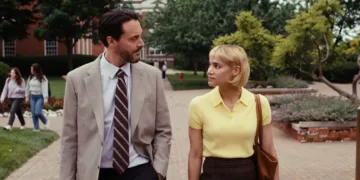
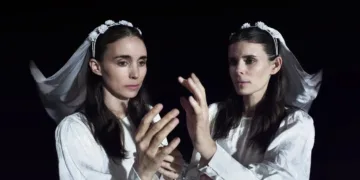
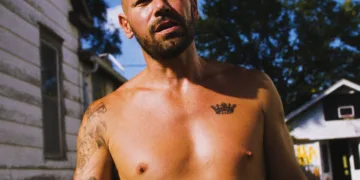
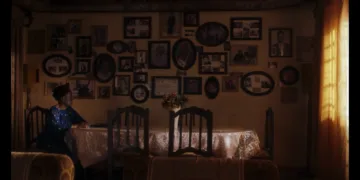










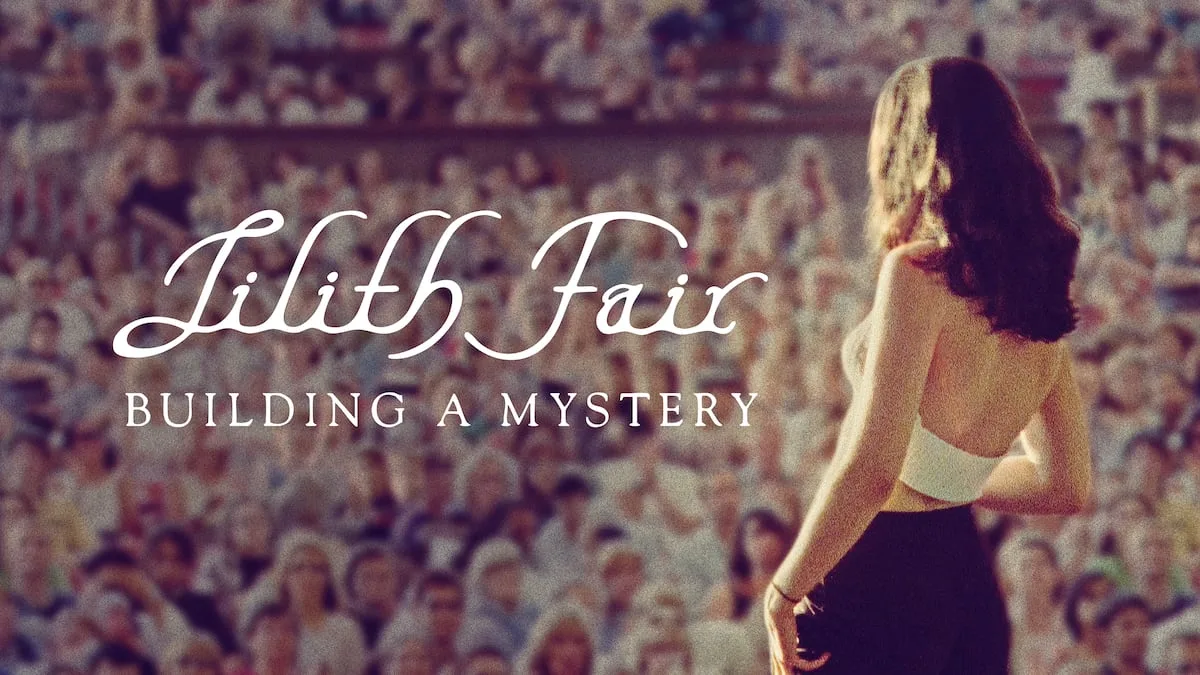

To revisit the late 1990s through Ally Pankiw’s lens is to excavate a strange cultural artifact. It was a period rendered in the flat, overexposed light of music television, an era whose primary narrative frequency was a low hum of masculine static. Into this landscape of industry-enforced codes, where promoters treated the booking of two female artists on a single bill as a radical and financially unsound gesture, Sarah McLachlan introduced a profound anomaly.
The documentary “Lilith Fair: Building a Mystery” does not simply recount the history of a concert tour. It functions as an archival investigation into a ghost story, a tale whispered to a new generation for whom an all-female festival of this magnitude appears as a kind of folk legend.
Pankiw’s project is a work of resurrection, reanimating the spirit of a movement for those who lived it and presenting a compelling case file for those who cannot imagine its necessity. The film chronicles a quiet, determined rebellion. It was a rebellion waged with acoustic guitars.
Sanctuary in the Static
The festival’s origin story has the quality of a chemical reaction, an inevitable event waiting for a catalyst. A tour with Paula Cole demonstrated a market the industry refused to see, and from that simple observation, McLachlan began to architect a separate space, a temporary autonomous zone. The choice of name was itself a statement of intent.
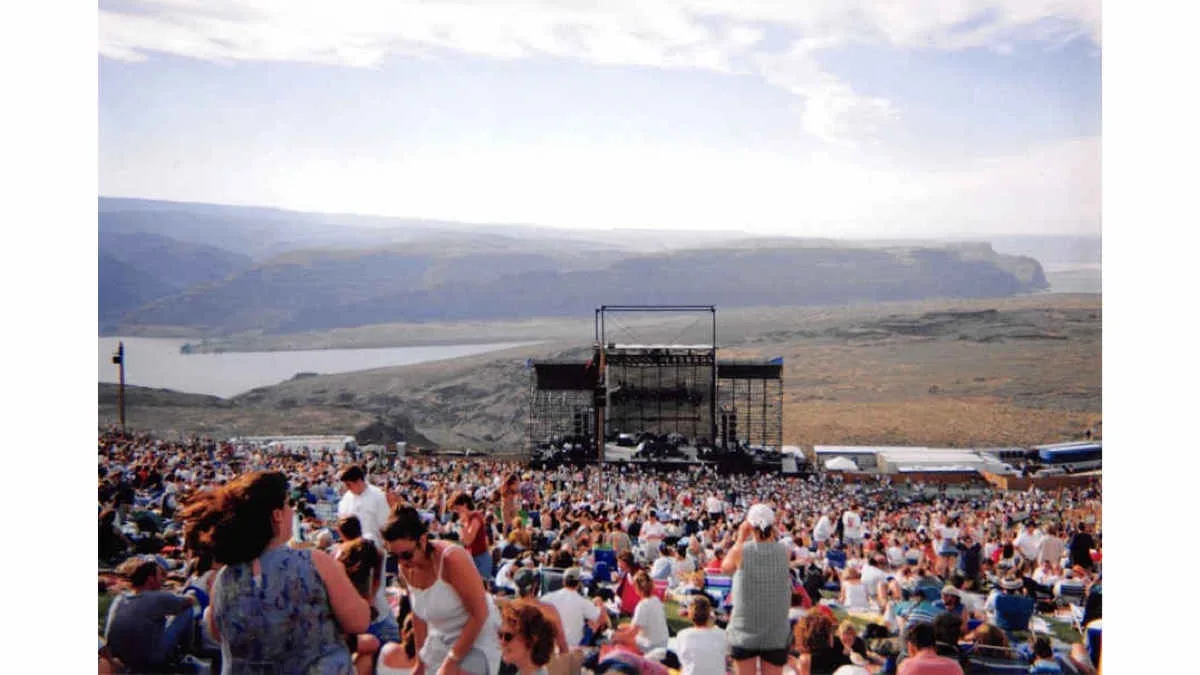
Lilith, the apocryphal first woman cast out of Eden for demanding equality, becomes the patron saint of a project built on principled defiance. The name signaled a reclaiming of a maligned figure, a perfect symbol for artists working in a system that often misunderstood them. Pankiw’s film uses grainy, handheld camcorder footage to great effect, transforming these archival fragments into raw, vérité evidence of an alternative society.
The unpolished visuals create an intimacy that stands in stark contrast to the era’s glossy music videos. This was the anti-Woodstock ’99. While one festival descended into a Hobbesian state of fire and rage, Lilith Fair cultivated a different ethos. It was an environment of deliberate consideration, what one participant called “a very Sarah experience.”
On-screen testimony from Dan Levy, describing the festival as the first place he felt safe, shifts the documentary’s focus from a musical event to a psychological one. The backstage community and the joyous audience were not incidental features. They were the entire point, a temporary zone of light carved out of a relentlessly gray cultural moment.
Noise and Signal
A core tension animates Pankiw’s narrative structure, pitting the festival’s creative output against the hostile environment that surrounded it. The roster of performers was a direct refutation of the industry’s reductive stereotypes. It assembled a broad coalition of talent from Erykah Badu and Missy Elliott to Sheryl Crow, Natalie Merchant, and Emmylou Harris, challenging the monolithic category of “women’s music.”
The film presents their work in staccato bursts, editing performance clips with a rapid-fire pace that prioritizes energetic montage over sustained musical appreciation. This stylistic choice could be seen as a flaw, yet it also conveys the whirlwind feeling of the tour, a fleeting collection of brilliant moments.
The documentary finds its villains in archival footage from late-night television and local news. The press conferences become expressionistic interrogation scenes, the camera framing artists in unflattering close-ups as they field questions dripping with condescension. Jay Leno’s remarks about Paula Cole’s unshaved armpits are presented as Exhibit A in a case against the era’s suffocating misogyny.
The film avoids simple hagiography, examining the festival’s own ethical gray areas. It addresses the early criticism of being a “Lily-white Fair,” a flaw that prompted a necessary course correction and revealed McLachlan’s own journey away from being a people-pleaser. The conflict over Planned Parenthood’s presence, culminating in Joan Osborne’s on-stage defiance, reveals the messy, vital reality of building a coalition.
A Persistent Shadow
The narrative arc of Lilith Fair resists a clean resolution. After three successful years, the tour concluded in 1999, and the film treats its brief, failed 2010 revival as a perplexing epilogue, a ghost that refuses to be properly resurrected. The documentary wisely spends little time analyzing this failure, a narrative choice that deepens the film’s central mystery about cultural timing and shifting needs.
Pankiw frames this story less as a finished chapter and more as a lingering question mark. By juxtaposing the cynical media attacks of the 90s with the tenor of modern cultural discourse, the documentary suggests a cyclical pattern. The forces that necessitated Lilith Fair have not vanished; they have merely mutated into new forms. The film serves as a potent cautionary tale, a document proving that progress is not a straight line but a fragile territory that requires constant defense.
It functions as a mirror, reflecting the self-realization of artists like Thao Nguyen, who tearfully recalls her own youthful dismissal of the festival’s importance. The documentary leaves the viewer in a state of unease, presenting a powerful case for collective action while offering no easy answers. One is left to wonder what new form this old fight will take in a far more fractured world.
Lilith Fair: Building a Mystery chronicles the revolutionary travelling music festival, Lilith Fair, which ran from 1997 to 1999 and was founded by Sarah McLachlan. It features archival footage and new interviews with key performers. The film premiered at the 2025 Toronto International Film Festival on September 13, 2025. It broadcasted on CBC in Canada on September 17, 2025, and will be released in the United States on September 21, 2025, by ABC News Studios and Hulu.
Full Credits
Director: Ally Pankiw
Producers: Dan Levy, Christina Piovesan
Cast: Sarah McLachlan, Paula Cole, Sheryl Crow, Brandi Carlile, Erykah Badu, Bonnie Raitt, Jewel, Olivia Rodrigo, Indigo Girls, Mya, Natalie Merchant, Emmylou Harris
Director of Photography: Nina Djacic
The Review
Lilith Fair: Building a Mystery
Ally Pankiw’s film is less a music documentary and more a sharp, compelling piece of cultural forensics. It skillfully reconstructs a fleeting moment of defiant community while refusing to offer easy answers about its disappearance. By treating the past not as a closed case but as an unsettling prologue to the present, the film proves both vital as a historical record and potent as a contemporary warning. A thoughtfully assembled and resonant cinematic inquiry.
PROS
- Provides a powerful and necessary historical record of a key cultural moment.
- Excellent use of archival and candid footage to create an intimate atmosphere.
- Thought-provoking structure that connects the festival's struggles to contemporary issues.
- Effectively contrasts the festival's supportive environment with the era's pervasive sexism.
- Examines the festival’s internal challenges and complexities, avoiding simple hagiography.
CONS
- Musical performances are edited into brief clips, which may disappoint those seeking a more traditional concert film experience.
- The unsuccessful 2010 revival is addressed only fleetingly, leaving a significant part of the legacy under-explored.