





























What is a portrait when the artist holds a mirror up to a friend? Sofia Coppola’s Marc By Sofia positions itself as a document, an intimate look at the fashion designer Marc Jacobs. Yet it functions more as a shared reflection, a study of two sensibilities refracting one another.
The film uses the 12-week countdown to Jacobs’s Spring 2024 collection as its temporal cage, a structure that builds tension toward a moment that will vanish as soon as it arrives. This is not a biography. It is a mosaic of fleeting moments, an affectionate but unsparing look at the terror that fuels creation.
Coppola’s camera is a quiet confidant, capturing the shape of an artistic life defined by surfaces. Her film asks what lies beneath the texture of a fabric, the arch of an eyelash, or the carefully constructed image of a man who makes images for a living. It is a film about the hollow space that beauty is built to conceal.
A Borrowed Gaze
Coppola abandons the linear march of the conventional documentary for something more akin to a fever dream of influence. The film is a kinetic compilation, a visual mapping of a consciousness, pulsing with a bright pop soundtrack that feels almost manic. This frantic energy acts as a counterpoint to the deep, silent concentration of the work itself, a dissonance that hints at a mind at war with its own stillness.
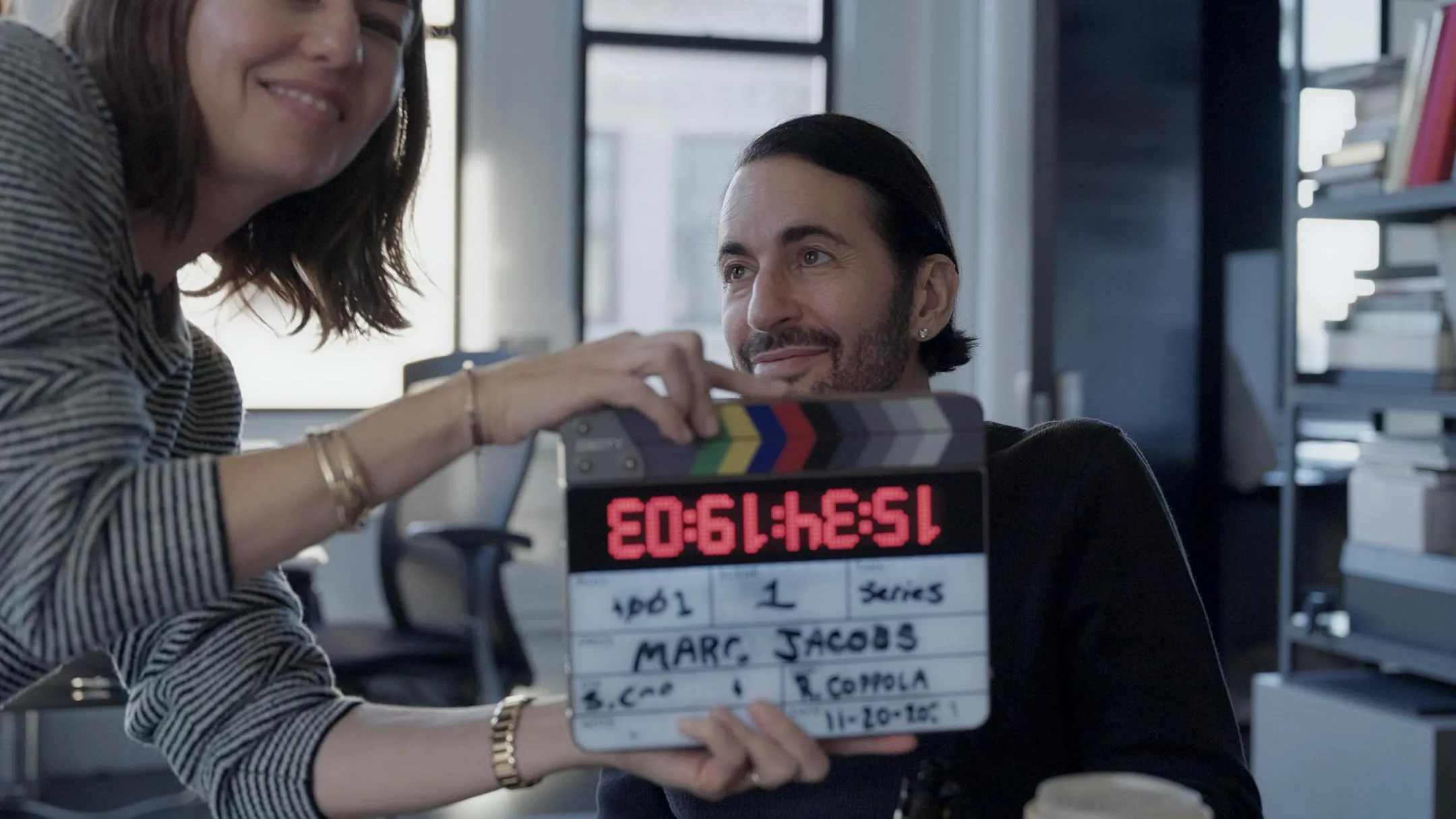
We are not told of Jacobs’s inspirations; we are submerged in them. The structure suggests that perhaps no artist truly invents from nothing, but instead curates and reassembles the ghosts of culture. A clip of Liza Minnelli’s face from Cabaret, a mask of perfect artifice, explains the exaggerated makeup on a model without a word of narration.
The strange, predatory grace of the dancers in Bob Fosse’s “Big Spender” number from Sweet Charity becomes the blueprint for the eerie, doll-like motion on the runway. The film’s form mirrors its subject’s philosophy. It presents identity itself as a collage, a self assembled from borrowed pieces.
We see the world through the layered lens of Jacobs’s memory, where the tragic beauty of an Elizabeth Taylor film informs the drape of a dress. Coppola’s method is an act of empathy, an attempt to reconstruct her friend’s internal world. The final design is less an invention and more a beautiful, composite specter, born of a thousand other moments.
Crafting the Ephemeral
The grand architecture of influence gives way to the painstaking, almost agonizing, labor of the present. Here, Jacobs’s anxiety finds its expression in a form of meticulous, microscopic control. The camera lingers on his hands adjusting a sleeve by a millimeter, his voice quietly insisting on a more “clumpy” eyelash or a shade of “dead Barbie” nail polish.
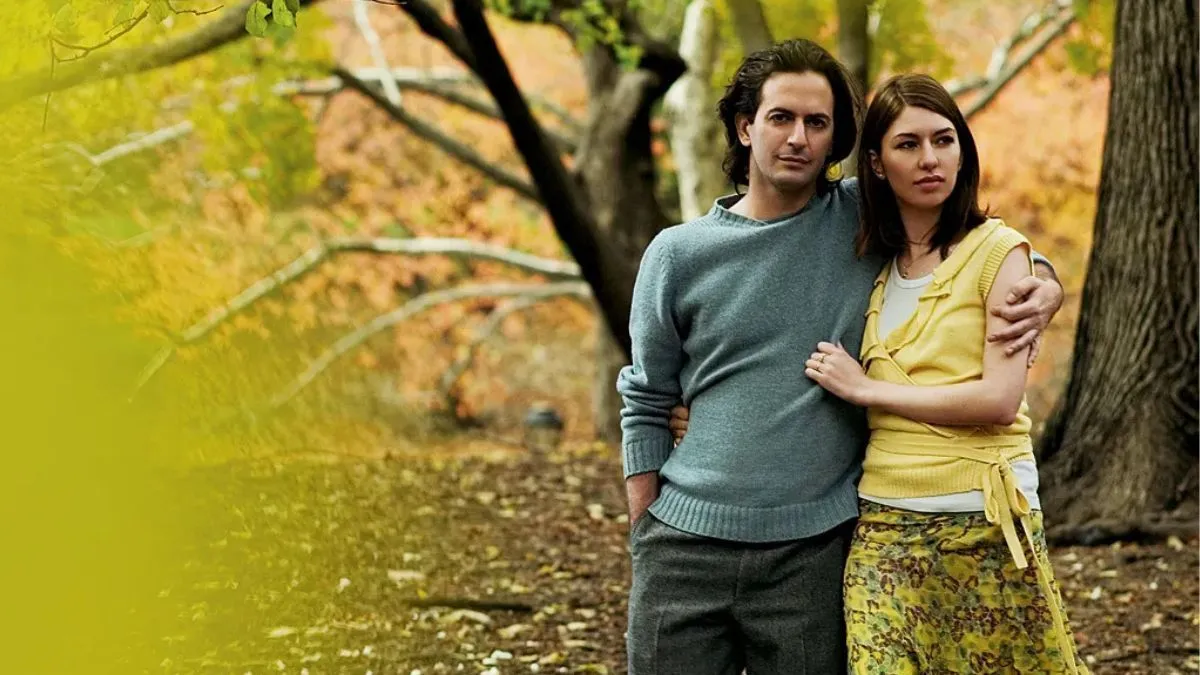
This obsession with the trivial feels like a philosophical defense. In a universe of chaos, exerting absolute authority over a single stitch becomes a small act of defiance. His conception of the runway show as a “seven-minute piece of theater” reveals a desire to construct a temporary, perfect world.
For his 2024 show, a giant table and chairs shrink his models to the size of playthings, a surrealist gesture that distorts reality. Is he recreating a feeling from childhood, a world of intimidating scale, or is he casting himself as the master of a dollhouse, manipulating his creations?
The film offers no easy answer. This spectacle is built to last only moments, a monument to its own impermanence. Flashes of his past work, the infamous 1992 “grunge” show or the defiant graffiti bags for Louis Vuitton, appear as historical echoes. They are artifacts from past spectacles, reminders that every intense act of creation eventually becomes just another memory, another ghost to furnish the artist’s mind.
The Emptiness After
The film’s quietest moments are its most profound. Coppola’s presence as a friend, a silent witness, allows the performance of the confident artist to fall away, exposing the raw nerve of insecurity beneath. We see Jacobs not as a titan of industry but as a reserved, almost fragile man, deeply uncomfortable with his own success and legacy.
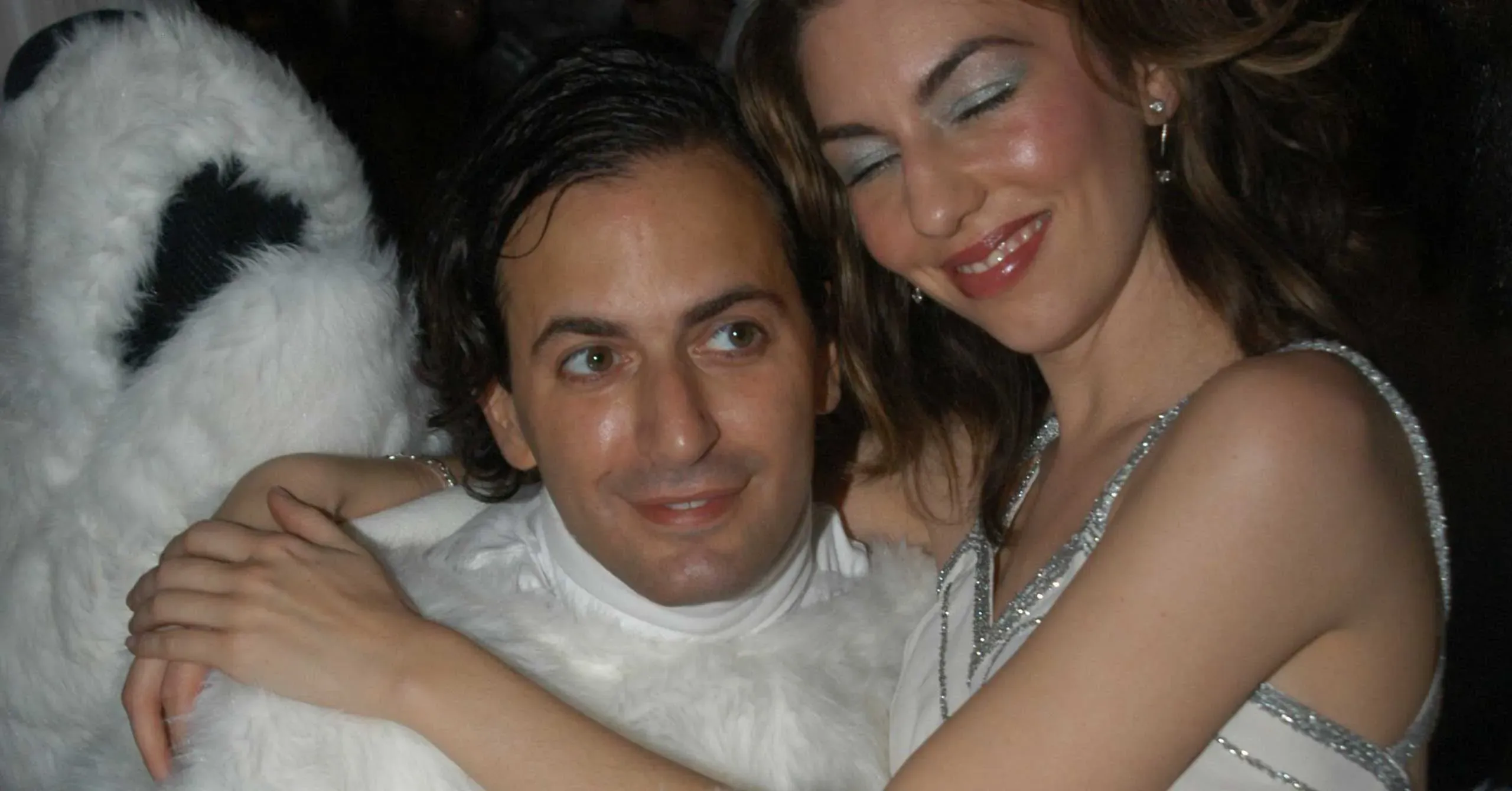
The true climax of the film is not the applause following the triumphant show, but the profound, echoing silence of the day after. In a moment of stark honesty, Jacobs speaks of his exhaustion, of the bewildering spiritual vacuum that rushes in once the work is done. His creation, now finished, offers no solace. It becomes a separate object in the world, leaving him an orphan to his own process.
The film presents the creative drive not as a gift but as a relentless compulsion, a Sisyphean cycle of intense labor followed by a brief, hollow peace. It is a deeply felt portrait of an artist trapped in a loop, endlessly constructing external beauty to quiet an internal disarray. His life appears as a series of beautiful distractions from a central, unanswerable question. The film closes on this note of ambiguity, leaving one to wonder if this endless cycle is a meaningful pursuit or a beautiful, tragic cage.
Marc by Sofia, a 97-minute documentary film, is the feature-length directorial debut for filmmaker Sofia Coppola. The documentary, which focuses on fashion designer and long-time friend Marc Jacobs, had its world premiere at the 82nd Venice International Film Festival on September 2, 2025, where it screened in the Out of Competition section. Produced by A24’s documentary arm, the film was acquired for US distribution by A24, though a specific US release date was not specified at the time of its premiere.
Full Credits
Director: Sofia Coppola
Producers and Executive Producers: Sofia Coppola, Jane Cha Cutler, R.J. Cutler, Elise Pearlstein, Trevor Smith, Mark Blatty, Roman Coppola, Youree Henley
Cast: Sofia Coppola, Marc Jacobs, Spike Jonze
Director of Photography (Cinematographer): Roman Coppola, Jenna Rosher, Shane Sigler
Editors: Chad Sipkin
The Review
Marc By Sofia
Marc By Sofia is less a documentary and more a quiet meditation on the anxieties of a creative life. Sofia Coppola crafts an intimate, visually poetic collage that values mood over information, revealing the profound emptiness that shadows artistic triumph. It is a beautiful, haunting, and intentionally incomplete portrait, succeeding as a somber exploration of the artist's internal world rather than a chronicle of his external one. The film offers no easy answers, only a lingering look into the void that follows the final stitch.
PROS
- An intimate and psychologically revealing look at the creative process.
- A distinct, collage-like visual style that mirrors its subject's mind.
- Offers a philosophically deep reflection on artistic insecurity and influence.
- Coppola's personal connection to Jacobs allows for rare moments of vulnerability.
CONS
- Assumes significant viewer familiarity with Marc Jacobs and the fashion world.
- Avoids a critical examination of Jacobs's business or personal history.
- Its impressionistic, non-linear structure may feel unfocused to some.
- Offers a narrow perspective, omitting key biographical and career details.