











The reality dating genre, a beast perpetually hungry for new flesh, has coughed up its latest offering: Stranded on Honeymoon Island. The premise is a chaotic cocktail of television’s greatest hits. First, a batch of hopeful singles endures a speed-dating round.
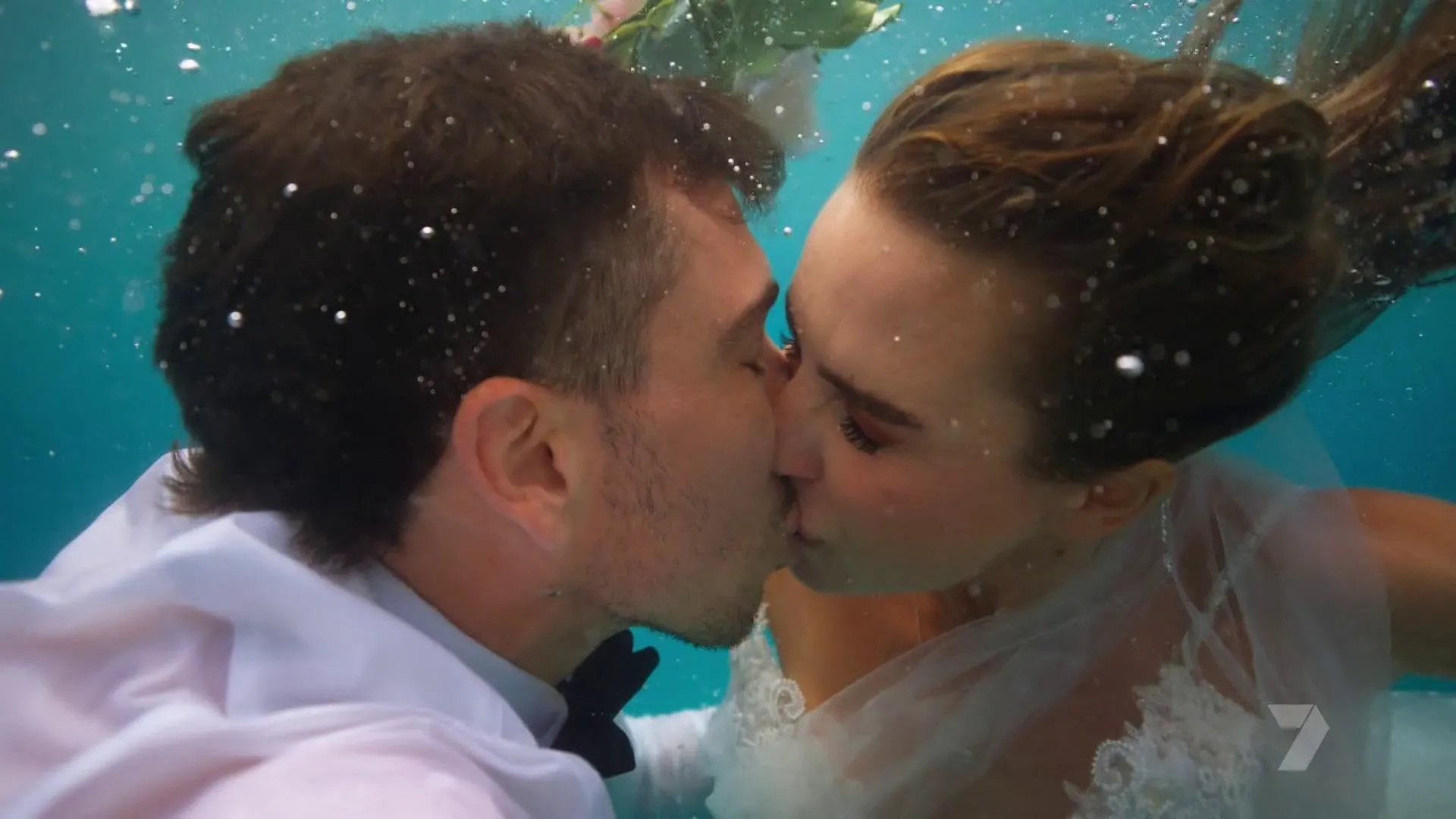
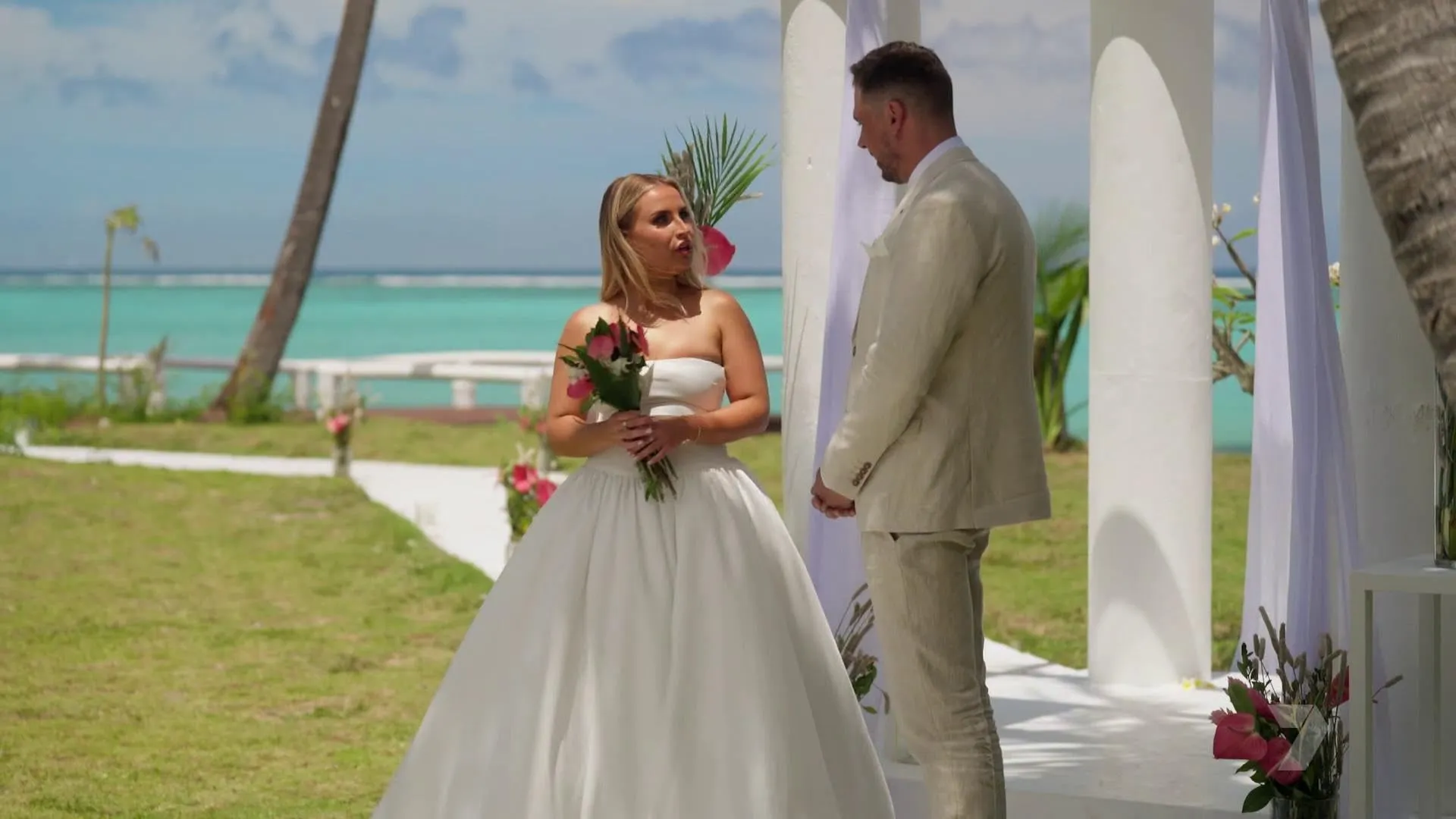
Then, unseen matchmakers pair them up with the clinical precision of an algorithm. The first time these couples meet is at the altar, exchanging vows in a ceremony with all the legal weight of a pinky swear. Before the ink on their self-penning promises is dry, they are whisked away to a deserted island in the Philippines. For three weeks, they must survive each other and the elements in a makeshift shack.
The show posits this as a test of authentic connection under pressure. The rest of us see it for what it is: a brilliantly designed social experiment in romantic mayhem. Davina McCall presides over the chaos, though she appears so infrequently you might mistake her for a mirage.
The People Who Make Paradise Tolerable
A show built on such a derivative foundation lives or dies by its casting, and here, the producers have struck gold. The series finds its footing not in the contrived setup, but in the genuinely watchable people navigating it. The casting department deserves a bonus, perhaps a tropical vacation more luxurious than the one afforded to the contestants. The collection of personalities is a masterclass in controlled chaos.
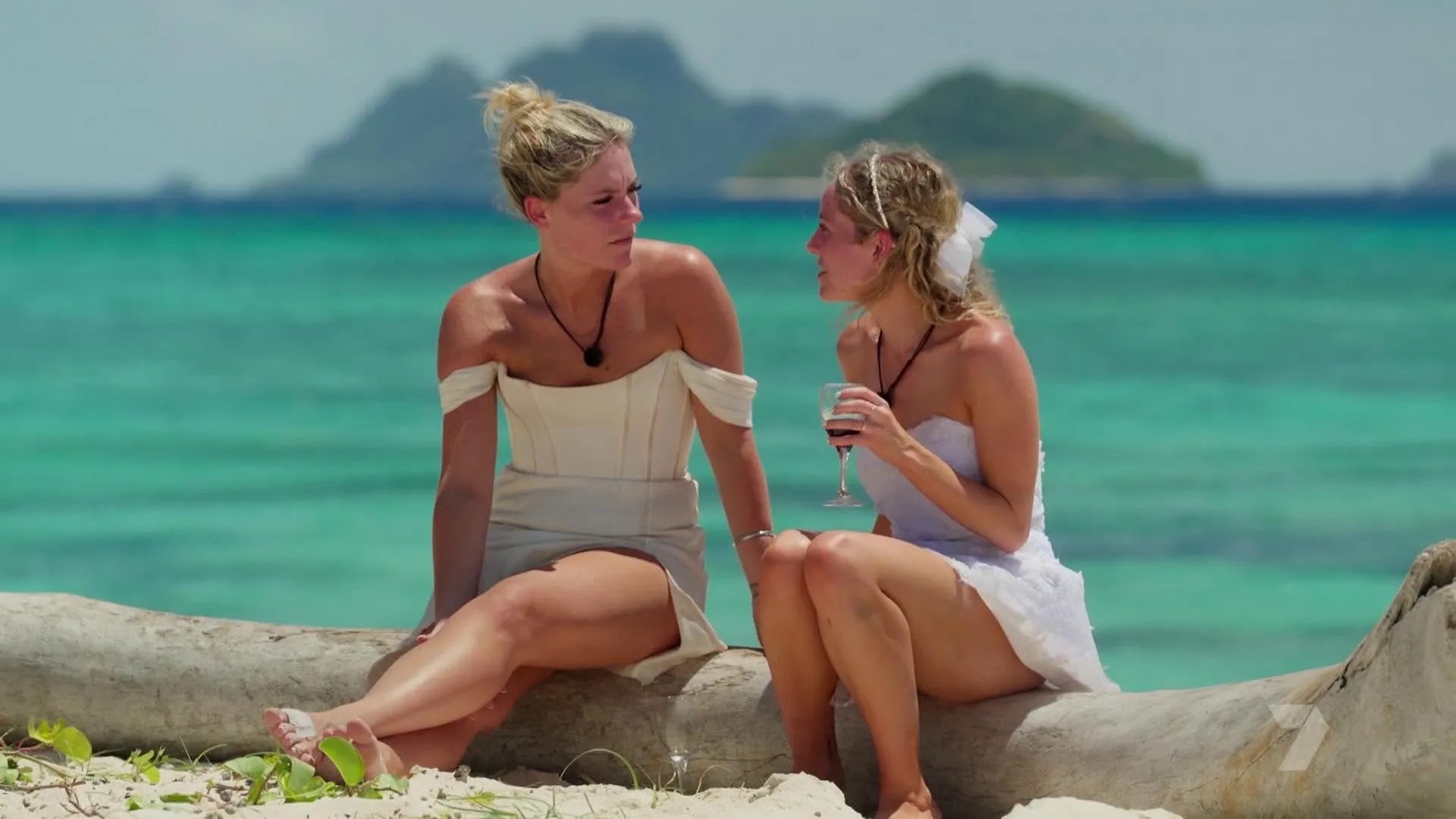
We are given Hannah, a self-proclaimed “party girl” whose effervescent energy seems to defy the oppressive humidity. She is paired with Sam, a creative fashion designer with a gentle demeanor. Their initial interactions are edited for maximum charm; the camerawork softens, the pop-song soundtrack swells, and we see a genuine spark. Their potential is crystallized in an early, unscripted moment of practical romance: Sam takes Hannah’s cumbersome wedding dress and, with a few deft cuts, refashions it into an island-appropriate outfit.
It is a gesture that is both sweet and symbolic of the adaptation required. The editors, however, do not let us get too comfortable. They cleverly seed the narrative with hints that Sam’s ex-girlfriend is also among the castaways, a Chekhov’s gun just waiting to disrupt this budding paradise.
For every spark of hope, there is a glorious train wreck. Enter Mae, a recruitment consultant who introduces herself with a monologue for the ages about her last boyfriend’s unfortunate “accident” where he “fell… into his colleague’s vagina.” She is a walking quote machine, a charismatic force of nature who is immediately and disastrously paired with Moray. A property developer and former boarding-school boy, Moray is a closed book written in invisible ink.
The camera lingers on his pained expressions as Mae’s vibrant personality fills their tiny hut. Their incompatibility is not a slow burn; it’s a flash fire. The show documents their swift collapse with excruciating detail, culminating in Moray delivering the fatal blow that he gets “sister vibes” from her. It is a moment of pure, unadulterated television cringe, and it is magnificent.
The supporting cast is just as compelling. Helen, a radio presenter who proudly announces herself as an “Essex girl and raging lesbian,” is matched with sports coach Abby. Their connection feels refreshingly straightforward, a welcome anchor of stability in a sea of dysfunction. Elsewhere, devout Christians David and Ini begin their spiritual union with an earthly blunder.
At the altar, David cheerfully informs Ini that another woman from the speed-dating round, Taniae, was also on his list. The look on Ini’s face is a perfect portrait of a honeymoon ending before it has even begun. The roster is filled out with characters like Mille, whose list of romantic “icks” is longer than the island’s coastline, and Taniae, a new-age Australian who gives her new partner a box of affirmations as a wedding present. Each pairing feels intentionally crafted to produce a specific flavor of drama, making the cast the true engine of the show.
No Walls, No Filters, No Problem?
The “honeymoon” itself is a masterpiece of minimalist torture, and the show’s production masterfully captures the contrast between tropical beauty and personal misery. The cinematography employs a slick, high-saturation “Netflix gloss,” lingering on turquoise waters and lush green foliage. This travel-brochure aesthetic is then immediately undercut by jarring close-ups of the contestants’ bug-bitten legs or the grim reality of their living quarters.
The huts are exercises in exposure: three-walled wooden structures that offer little protection from the elements or each other. Privacy is a forgotten luxury. The sound design amplifies this; the generic pop songs that score romantic moments are often juxtaposed with the relentless chirping of insects and the unsettling sounds of unseen creatures in the night.
This environment is not a backdrop; it is an active participant in the experiment. The lack of modern comforts strips away the social armor that people wear in daily life. There are no phones to scroll through during awkward silences, no friends to text for advice, no doors to slam after an argument. The couples are forced into a state of extreme codependency.
The show’s structure deliberately heightens this pressure. The arrival of “mystery crates” is a classic producer intervention, a tool to inject narrative momentum. These deliveries might contain a luxury item to reward a couple or a difficult challenge designed to expose their fractures.
Later, the isolated pairs are brought together at “Couples Cove,” a gathering point that serves the same function as Love Island’s firepit. It is here that simmering tensions erupt. The carefully maintained bubble of each couple is burst, allowing for jealousy, temptation, and a fresh wave of conflict as David gets a chance to chat with his first choice, Taniae.
The editing in these sequences is sharp, cutting between whispered conversations and telling glances to build a web of intersecting dramas. The accelerated timeline is brutal, pushing the pairs toward a “commit or quit” decision that feels both premature and entirely earned by their shared ordeal.
Scavenging for Originality
Let’s be clear: Stranded on Honeymoon Island is built from the spare parts of other, more famous shows. It is a Frankenstein’s monster of a reality show, stitched together with the instant-marriage gimmick of Married at First Sight, the island survivalism of, well, Survivor, and the group dynamics of Love Island.
It shamelessly borrows established tropes, from the confessional-style interviews to the very idea of a “social experiment” as a justification for its outlandish premise. In a television landscape saturated with dating competitions, its component parts are anything but original.
Yet, somehow, the machine works. The show’s saving grace is its surprisingly warm heart, a quality that sets it apart from its more cynical predecessors. Where similar programs often marinate in interpersonal cruelty and toxic behavior, this one maintains a current of optimism. The cast, for all their quirks and disastrous pairings, is overwhelmingly endearing.
The show’s lack of a public voting mechanism removes a layer of performance; the contestants are playing for each other, not for audience approval. This fosters a different kind of interaction, one that feels less calculated. The experience becomes less about manufacturing villains and more about observing authentic, if sometimes awkward, human connections.
Viewers will find themselves actively rooting for these people, a rare feeling in a genre that often encourages armchair psychoanalysis and gleeful judgment. The show provides a reminder that execution can triumph over a lack of invention.
It is proof that even the most recycled formats can feel fresh if the people are worth watching and their stories are told with a touch of sincerity. The real question is not whether the show is original, but why, after all these years, watching strangers look for love while battling the elements remains such an irresistible formula.
“Stranded on Honeymoon Island” is a British reality dating show that premiered on BBC One and BBC iPlayer on September 3, 2025. New episodes are scheduled to air on Wednesdays, Thursdays, and Fridays on both platforms, with the full first three episodes available to stream as of the premiere date.
Full Credits
Director: Roman Green
Producers: Stefano Y. Juban
Executive Producers: Rachel Viner, Georgina Hinds, Murray Boland, Danielle Lux, Dermot Caulfield
Cast: Davina McCall, Abby, David, Hannah, Helen, Ini, Jordan, Mae, Moray, Millie, Oliver, Sam, Taniae
Composer: Uncanny Valley
The Review
Stranded on Honeymoon Island
Stranded on Honeymoon Island cobbles together familiar reality TV parts to create something unexpectedly enjoyable. Its premise is unoriginal, yet the strength of its charming and genuinely watchable cast elevates the material entirely. The show is a derivative but delightful watch, proving that personality can redeem even the most predictable format. It succeeds because its heart is bigger than its borrowed ideas.
PROS
- An excellent, endearing, and frequently funny cast of contestants.
- A surprisingly sincere and optimistic tone compared to other dating shows.
- Focus on authentic character dynamics over manufactured drama.
CONS
- The core concept is highly unoriginal, borrowing heavily from other shows.
- A predictable format for anyone familiar with the reality TV genre.
- The host has a minimal and almost nonexistent presence.