





























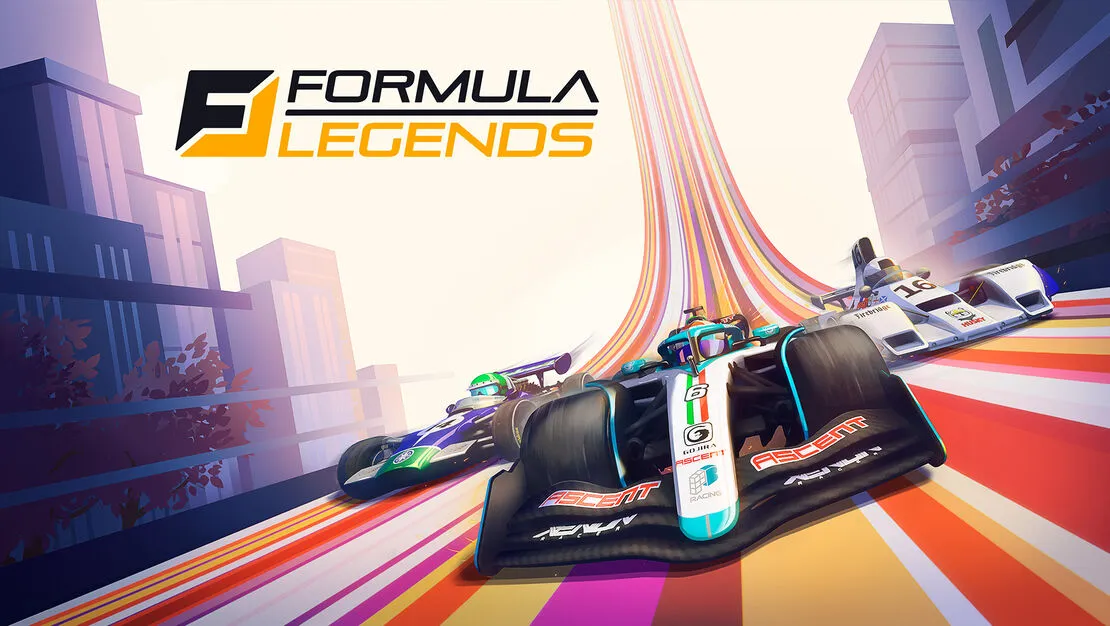

Formula Legends emerges from 3DClouds as a distinctly Italian interpretation of Formula 1’s global legacy, transforming six decades of motorsport evolution into an interactive cultural artifact. This simcade racing game bridges the 1960s through the present day, offering a peculiar synthesis of cartoonish aesthetics wrapped around mechanically demanding racing systems.
The absence of official F1 licensing forces creative workarounds through fictional team names like “Ferenzo” and “McLauden,” creating a parallel universe that maintains emotional authenticity while skirting legal boundaries. The game’s central proposition—experiencing Formula 1’s technological and regulatory evolution through historically accurate car behaviors—reflects a European sensibility toward motorsport as cultural heritage rather than mere entertainment.
This approach resonates with Italy’s deep-rooted relationship with automotive culture, where racing represents both national identity and artistic expression, yet risks alienating international audiences seeking either pure arcade thrills or simulation precision.
Chronicles of Speed: Structuring Motorsport Heritage
The Story Mode functions as Formula Legends’ primary cultural vessel, organizing 16 championships into a chronological journey that mirrors how European museums curate industrial history. Each era receives careful attention to regulatory authenticity—early championships permit refueling while later ones mandate tire changes, reflecting F1’s actual rule evolution across decades.
This systematic approach to historical progression echoes Italian cinema’s neorealist tradition of embedding social commentary within entertainment frameworks. The 20-hour experience unfolds through progressive unlocking systems that reward persistence with cars, drivers, liveries, and collectible artwork posters, creating a digital archive of motorsport aesthetics.
Secondary objectives layer additional complexity onto this historical narrative, challenging players to complete races without damage or optimize strategic systems. These mechanics function as interactive footnotes, providing deeper engagement with each era’s specific characteristics. The tutorial system acknowledges international accessibility needs while Time Trial modes with global leaderboards attempt to bridge cultural gaming preferences across regions.
The game’s content structure reveals tension between preservation and entertainment. Custom race creation tools and Photo Mode demonstrate understanding of modern gaming expectations, yet the complete absence of multiplayer functionality—either local or online—suggests priorities rooted in single-player cultural transmission rather than community building. This decision reflects European gaming traditions that often prioritize narrative completeness over social interaction, potentially limiting appeal in multiplayer-centric gaming cultures.
Physics as Cultural Translation
Formula Legends’ mechanical systems demonstrate how technical authenticity can transcend visual presentation, embedding cultural knowledge within gameplay mechanics. The cartoonish art style functions as a trojan horse, concealing sophisticated physics that demand proper braking points, apex management, and throttle control. This design philosophy mirrors Italian automotive culture, where technical excellence often hides beneath accessible exteriors.
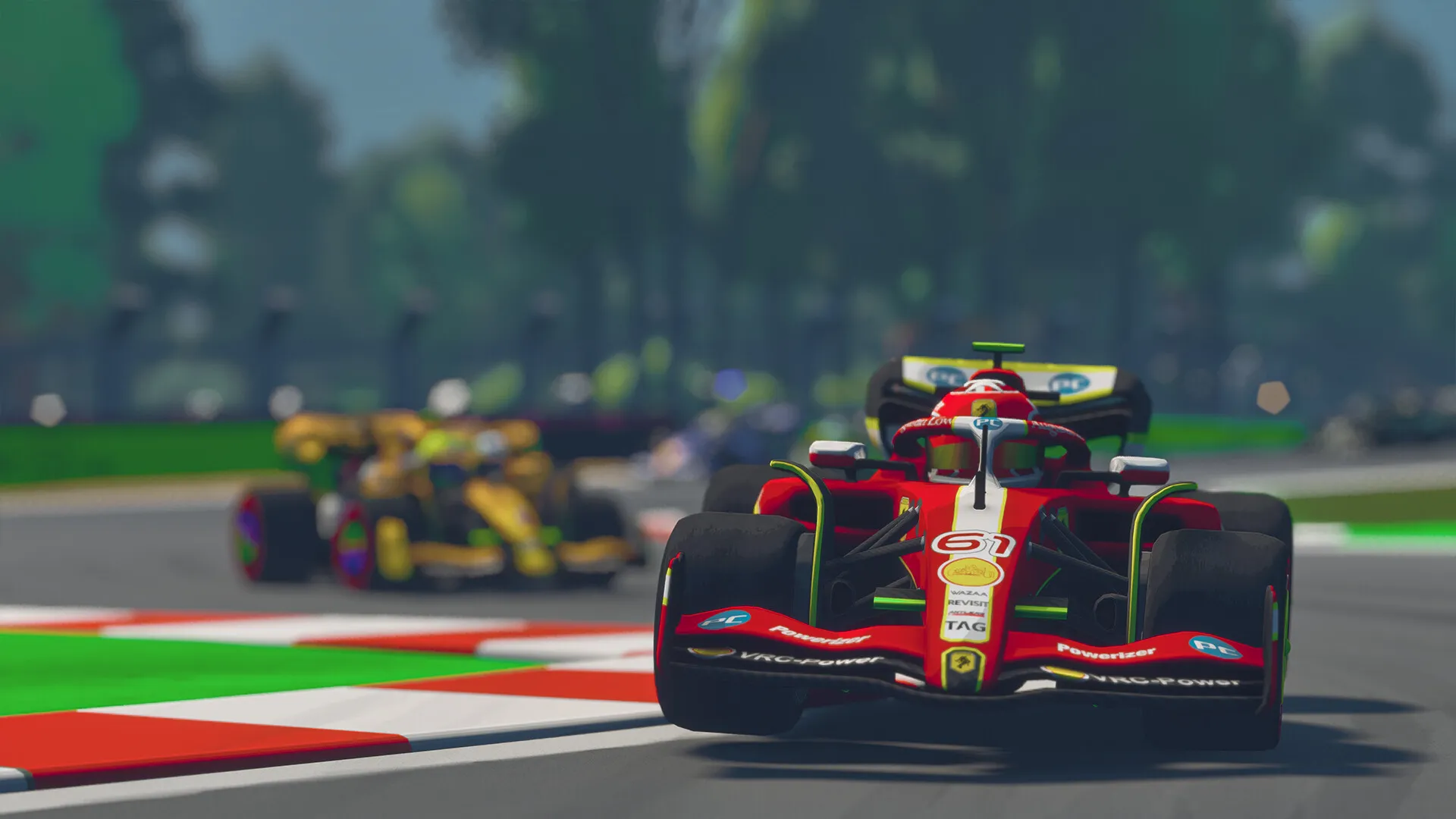
Era-specific car behaviors serve as interactive historiography. 1960s vehicles respond with period-appropriate sluggishness and unpredictable handling, while modern cars introduce WRS (Wind Reduction System) and BRS (Battery Recovery System) strategic elements that mirror contemporary F1 technology. These distinctions create temporal authenticity that educates through experience rather than exposition, reflecting how craft knowledge traditionally transfers across generations in Italian motorsport communities.
The pit stop mini-game system transforms routine strategy into interactive ritual. Quick Time Events govern tire changes while triggers control refueling and repairs, creating tension that mirrors real pit stop pressure. This mechanic demonstrates cross-cultural gaming influence—QTE systems originated in Japanese gaming but here serve European narrative purposes, creating dramatic moments within strategic frameworks.
Tire wear, fuel consumption, and damage modeling require constant strategic thinking that reflects Formula 1’s intellectual demands. Weather systems add another layer of tactical consideration, forcing adaptation that mirrors real racing conditions. These elements create mechanical depth that challenges global gaming preferences for immediate gratification, demanding patience and learning that aligns with European racing pedagogy.
However, collision physics expose limitations in the cultural translation process. Magnetic attraction between colliding cars and inconsistent AI behavior create artificial barriers that undermine the otherwise sophisticated mechanical systems. These technical shortcomings suggest resource constraints typical of mid-tier European development, where ambition often exceeds production capabilities.
Visual Semiotics and Temporal Design
Formula Legends’ presentation layer demonstrates sophisticated understanding of how visual language communicates cultural memory across international boundaries. The art direction balances aesthetic accessibility with historical reverence, using cartoonish simplification to make complex motorsport culture digestible for global audiences while maintaining Italian attention to design detail.
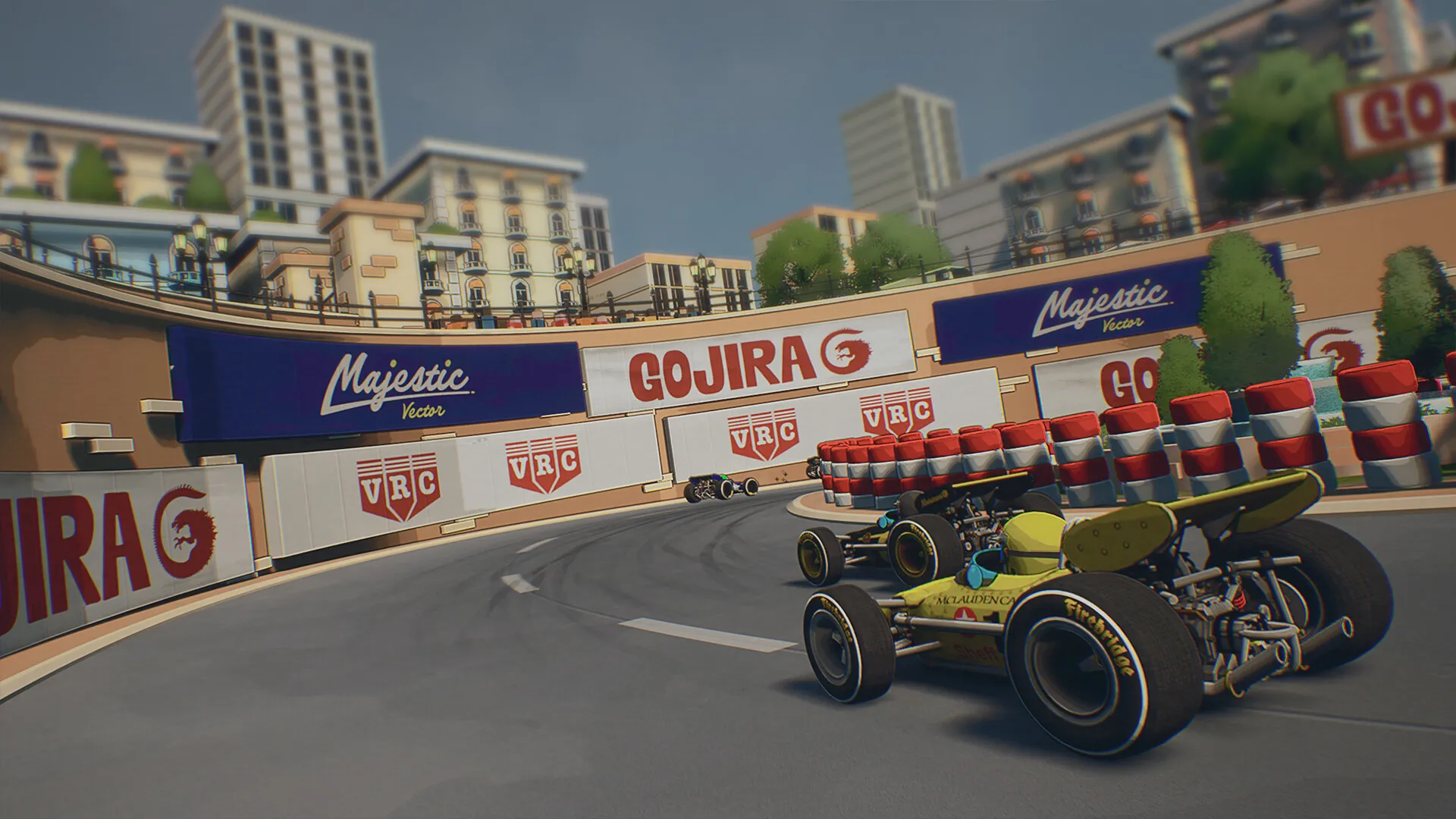
Era-specific visual filters function as temporal markers—warm, yellowish tones evoke 1970s nostalgia while cleaner imagery represents modern precision. These aesthetic choices reflect how European media typically romanticizes industrial history, creating emotional connections to technological progress. The 14 circuits feature multiple historical configurations with changing environmental assets and period-appropriate advertising, demonstrating commitment to authenticity that mirrors how Italian preservation societies maintain historical accuracy.
The dynamic HUD system adapts to each time period, creating interface design that serves both functional and educational purposes. This attention to period-specific presentation details reflects European design traditions that prioritize contextual appropriateness over standardized efficiency. Unofficial team liveries maintain visual recognition while avoiding licensing complications, creating a parallel aesthetic universe that preserves emotional resonance.
Collectible posters with historical descriptions transform unlockable content into educational materials, reflecting European gaming traditions that often embed cultural learning within entertainment systems. The soundtrack complements rather than dominates, following continental preferences for atmospheric support rather than prominent musical identity.
Technical limitations occasionally surface through texture loading issues and track collision problems, revealing the production constraints that characterize mid-tier European game development. These imperfections paradoxically enhance the game’s cultural authenticity—like Italian automotive craftsmanship, Formula Legends prioritizes character and ambition over flawless execution, creating an experience that feels distinctly regional despite global motorsport subject matter.
The Review
Formula Legends
Formula Legends succeeds as cultural artifact and educational experience while stumbling as contemporary racing game. 3DClouds crafts an authentic historical journey through motorsport evolution, wrapped in charming aesthetics and supported by surprisingly sophisticated physics. However, missing multiplayer functionality, inconsistent AI behavior, and technical polish issues limit its competitive appeal. The game serves motorsport enthusiasts seeking historical immersion better than casual racing fans expecting modern gaming conventions.
PROS
- Comprehensive 60-year motorsport history with era-specific authenticity
- Sophisticated physics beneath accessible visuals
- Creative pit stop mini-game system
- Beautiful art direction with period-appropriate visual filters
- Progressive unlock system encourages exploration
CONS
- Complete absence of multiplayer modes
- Inconsistent AI behavior and collision physics
- Technical glitches including texture loading issues
- Limited appeal for casual racing game audiences
- Uneven difficulty balancing within same settings







