




























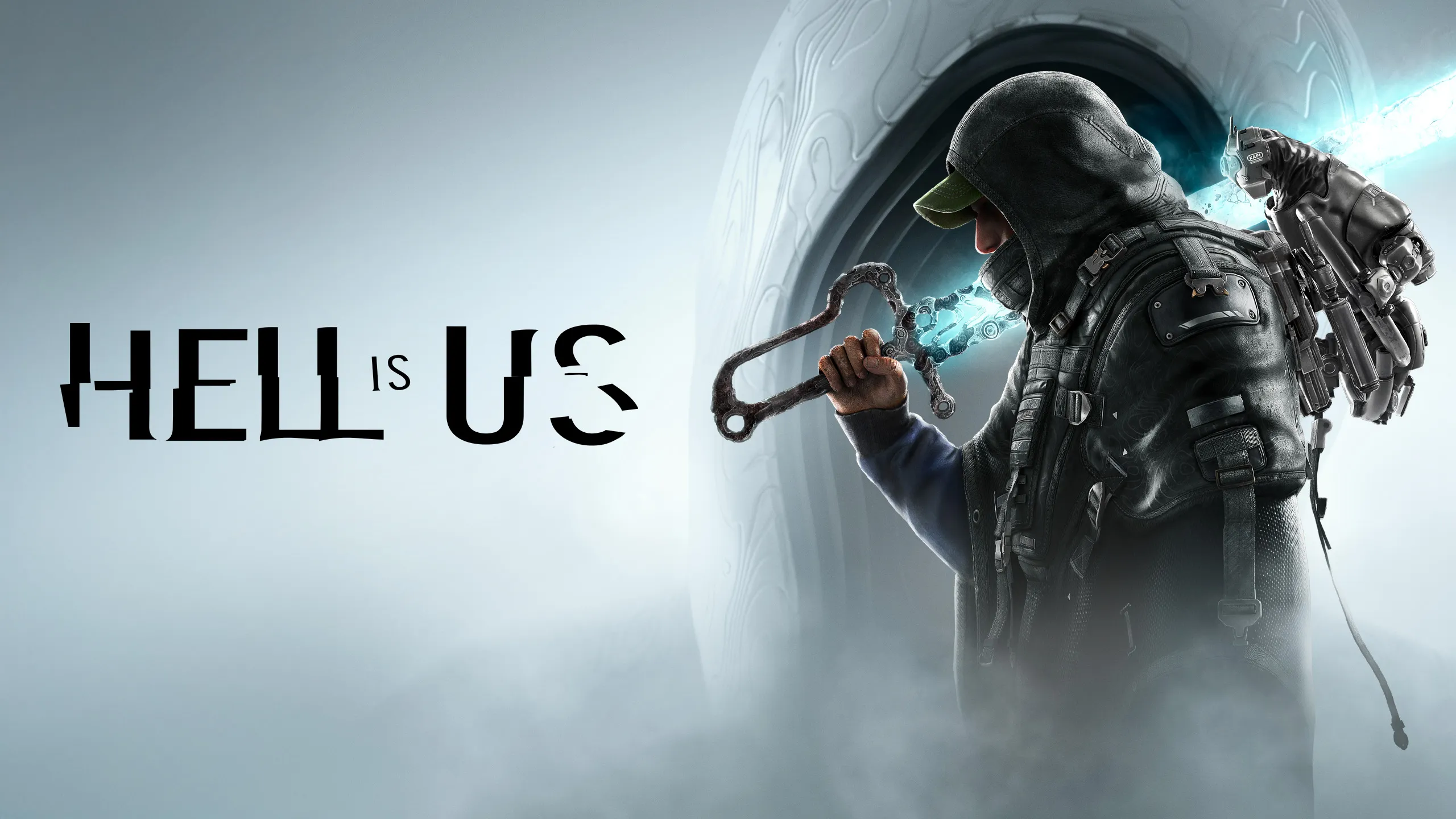

The return home is a powerful narrative archetype, yet few journeys are as grim as Rémi’s reentry into Hadea. This is not a prodigal son’s welcome; it is a descent into a nation he was smuggled out of as a child, a country now cannibalizing itself. Hadea is a land caught in a horrifying crossfire. On one side, a brutal civil war between human factions paints the landscape with atrocities.
On the other, a supernatural calamity has unleashed ghostly creatures, the Hollow Walkers, that stalk the ruins. The horrors of mankind and the terrors of the unknown bleed into one another, creating a constant, oppressive atmosphere.
Hell Is Us positions itself as a third-person adventure that rejects the conventions of the genre. It offers a world steeped in mystery and trusts the player to navigate it through careful observation and deduction, prioritizing atmospheric immersion over guided action. The game is a challenge to piece together a story from its blood-soaked fragments.
Cartography of the Mind
In a global gaming landscape that often equates accessibility with quality, Hell Is Us presents a stark counter-argument. Its design philosophy feels rooted in an older, more patient tradition, one that values ambiguity over certainty. The game deliberately strips away the modern player’s toolkit, a suite of conveniences that has become standard in many Western AAA productions.
There are no quest markers, no interactive map, and no objective lists to dutifully manage. This omission is not a lack of features; it is a statement of intent. The game demands your full attention, transforming you from a mere player into an active investigator. Progression is an organic process, entirely dependent on your own powers of observation and synthesis.
A cryptic phrase from a nervous NPC, a detail in an item’s description, or a recurring symbol carved into a wall become your only true waypoints. It requires a cognitive shift, asking you to engage with its world as a real space to be learned, not a theme park to be consumed.
This approach evokes the patient cinema of Andrei Tarkovsky, where watching and listening are the primary forms of interaction. Your main tool is your own intellect, tasked with connecting disparate clues across time and space.
The experience is akin to investigative journalism; you must remember a conversation from hours prior when you stumble upon a key item that recontextualizes everything. The puzzle design echoes classic survival horror titles like Resident Evil, where the environment itself is a complex lock to be picked.
One puzzle might require cross-referencing a religious text found in a ruined chapel with the sequence of statues in a monarch’s tomb, a task that demands thematic comprehension, not just mechanical interaction. This process practically necessitates a physical notebook, pulling the digital experience into the analog world and reinforcing the player’s role as a detective.
This rewarding mental cartography is sometimes hindered by a strange dissonance in the game’s physical design. Rémi is agile in combat, yet his exploratory movement is oddly rigid. The absence of a simple jump turns waist-high rubble into an insurmountable wall.
This choice feels less like a thoughtful puzzle and more like an artificial constraint, creating a disconnect between the systems for combat and exploration. The result is a pendulum swing between the profound satisfaction of a self-made discovery and the deep frustration of aimless, tedious backtracking through a hostile world.
The Ghosts of History and the Grudges of Men
The thematic weight of Hell Is Us rests on its unflinching depiction of layered trauma. It presents a world where historical and psychological wounds have become manifest. The civil war provides a tangible, human horror grounded in a reality familiar from the post-conflict landscapes of nations like the former Yugoslavia.
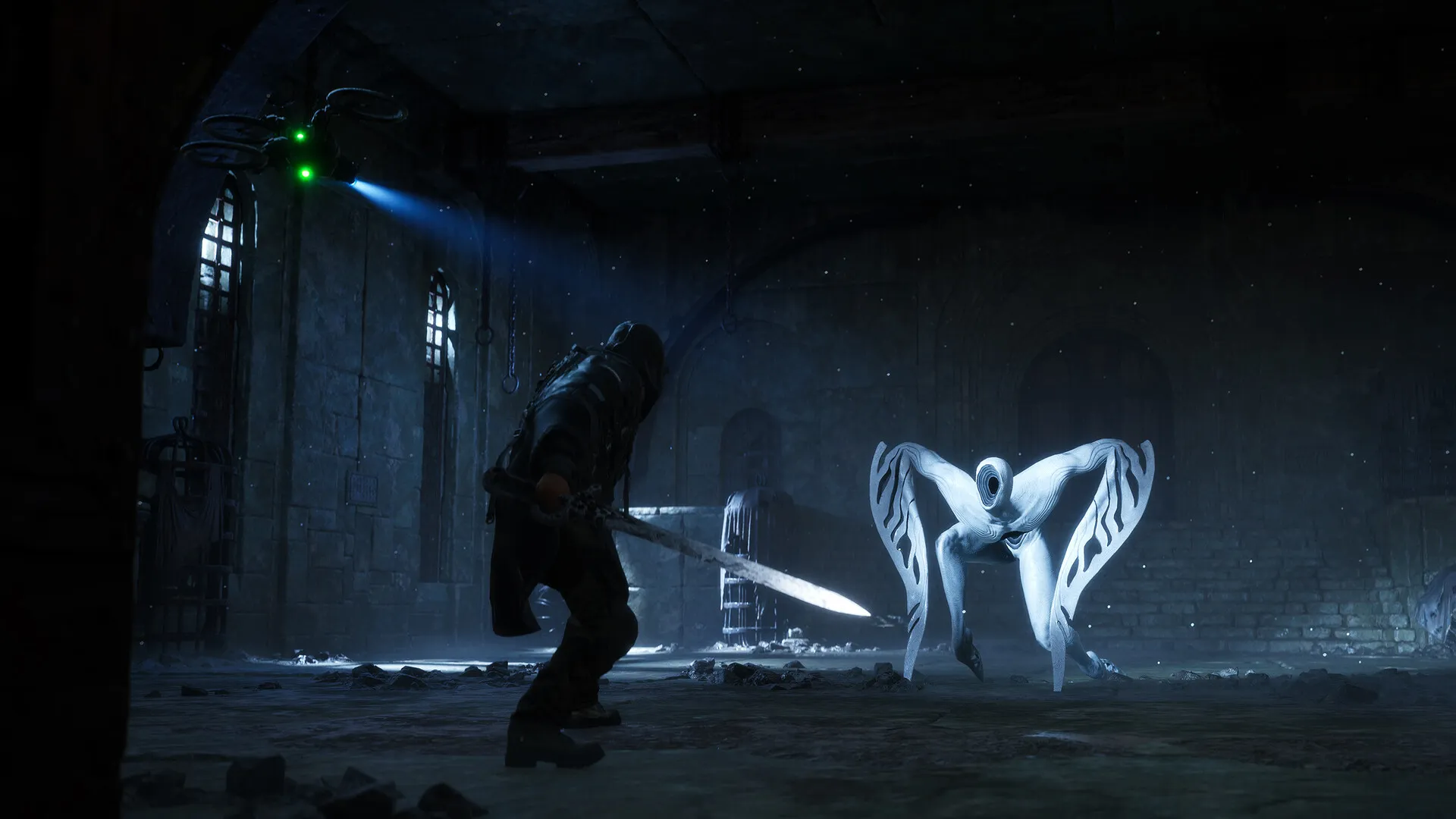
The game’s environmental storytelling is potent, presenting scenes of torture and mass graves that speak to the depths of human cruelty without feeling gratuitous. This historical horror is mirrored by the supernatural calamity of the Hollow Walkers. These creatures feel like a collective psychological wound made physical, the psychic residue of Hadea’s immense suffering.
This duality, where real-world tragedy births mythic monsters, has a long artistic lineage, seen in works from post-war Japanese cinema to Latin American magical realism. Hadea’s own deep history is discovered archeologically. You piece it together from scattered manuscripts and artifacts that reveal a long, bloody timeline of conflict. NPCs act as unreliable narrators, their perspectives colored by their allegiances, which makes the world feel authentic and complex.
Against this epic backdrop, Rémi’s personal quest to find his family struggles to find purchase. He is a curiously flat protagonist, a near-silent observer whose monotone delivery keeps the player at an emotional distance. This may be a deliberate narrative choice that decenters the individual, a stark contrast to the hero-centric epics common in American media.
The story is not about Rémi; Rémi is simply the lens. This approach forces the player to engage with the world’s history and its people, making the setting of Hadea the true protagonist. The optional side quests, called “Good Deeds,” offer small moments of humanism in a world of epic tragedy.
Helping a father find a memento of his lost child becomes a powerful act in a land where lives are treated as disposable. These tasks ground the high-concept lore in personal stories, though their unannounced time-sensitive nature can unfairly punish a player’s explorative curiosity, turning a potential moment of connection into one of frustrating failure.
A Dance of Desperate Aggression
At first glance, the combat in Hell Is Us appears to be another entry in the globally popular genre established by FromSoftware. It uses a familiar vocabulary of stamina management, melee-focused encounters, dodging, and parrying. A closer look, however, reveals a system with a fundamentally different philosophy. This is not a game about punishing failure as a learning tool.

Dying carries no penalty beyond a reset to the last save point; items remain in your inventory, and killed enemies stay dead. This design choice serves the narrative. Rémi is an investigator pushing forward through a story, not a cursed warrior trapped in a purgatorial loop. The mechanics support his narrative function. This philosophy is most brilliantly embedded in its core health regain system.
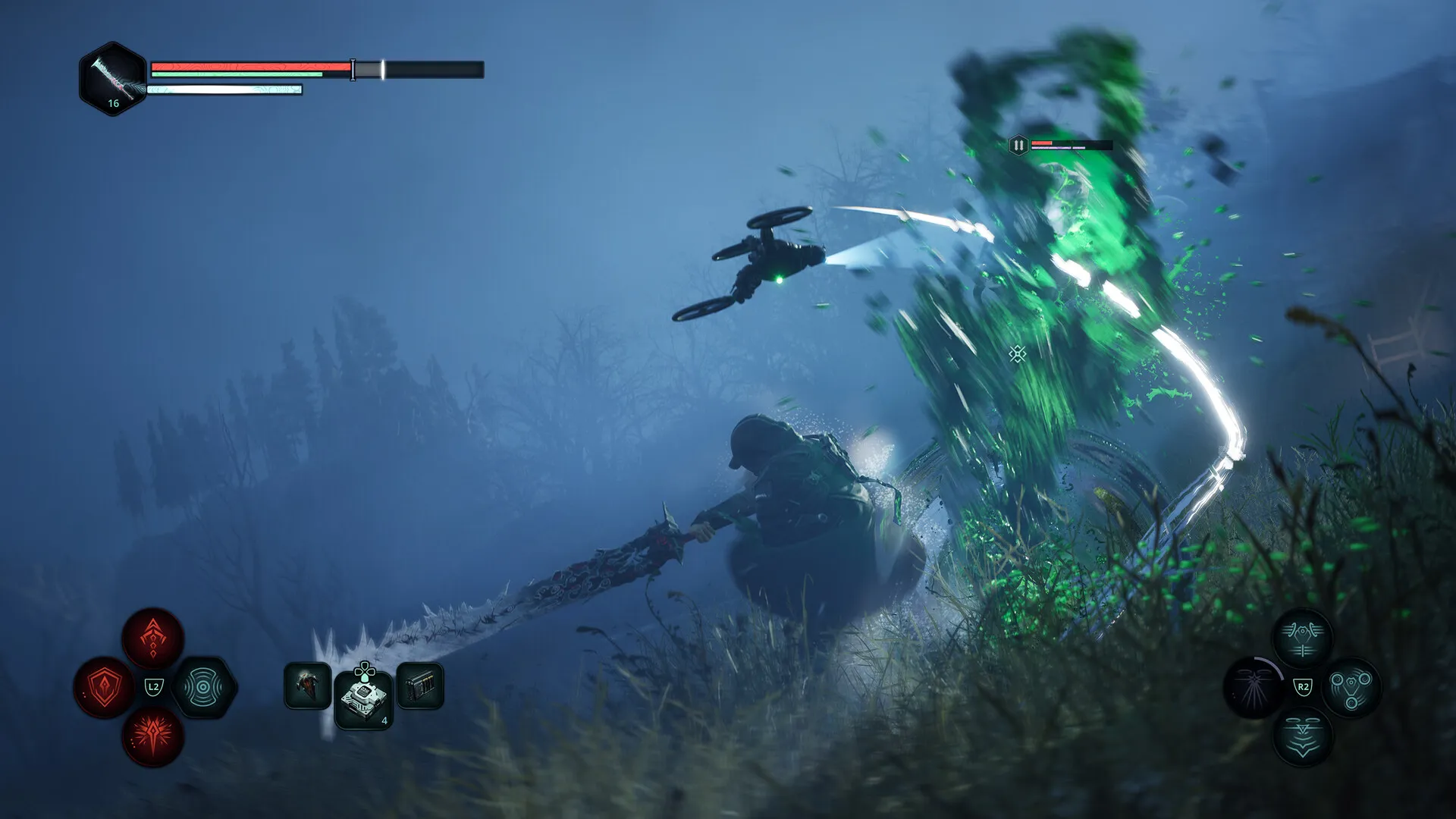
Dealing damage to enemies allows you to reclaim lost vitality, creating a powerful incentive for sustained, intelligent aggression. Instead of a cautious dance of attrition common in similar games, fights become a desperate, forward-moving ballet. You are encouraged to charge into the fray even at low health, knowing that salvation lies in your own ferocity. This creates a thrilling rhythm where a successful combo can snatch you back from the brink of death.
The arsenal itself is lean, with only four weapon types offering distinct fighting styles, from swift dual axes to a heavy, impactful greatsword. Your capabilities are expanded by a support drone and a system of elemental glyphs tied to human emotions: Grief, Terror, Rage, and Ecstasy.
This is a fascinating example of narrative and mechanical synergy. Equipping a “Grief” ability is not just a statistical choice but a thematic one. You are literally weaponizing the very emotions that are tearing Hadea apart. The enemies themselves, the unnerving and unnervingly graceful Hollow Walkers, are visually memorable. Some are protected by tethered “husks” that must be defeated first, adding a tactical layer to encounters.
The game’s main combat weakness is its lack of enemy variety. As you progress, the challenge too often comes from larger numbers of the same foes rather than new threats that require different strategies. This repetition exposes weaknesses in the lock-on system and camera, which can struggle to keep up in the game’s many narrow, dark corridors, turning a strategic encounter into a chaotic scramble.
A Beautiful, Obstructed View
The world of Hell Is Us possesses a powerful and cohesive visual identity. Its art direction effectively creates a sense of a place with a deep, violent history, contrasting the smoky, oppressive ruin of war-torn cities with the deep, quiet gloom of ancient, Byzantine-style catacombs.
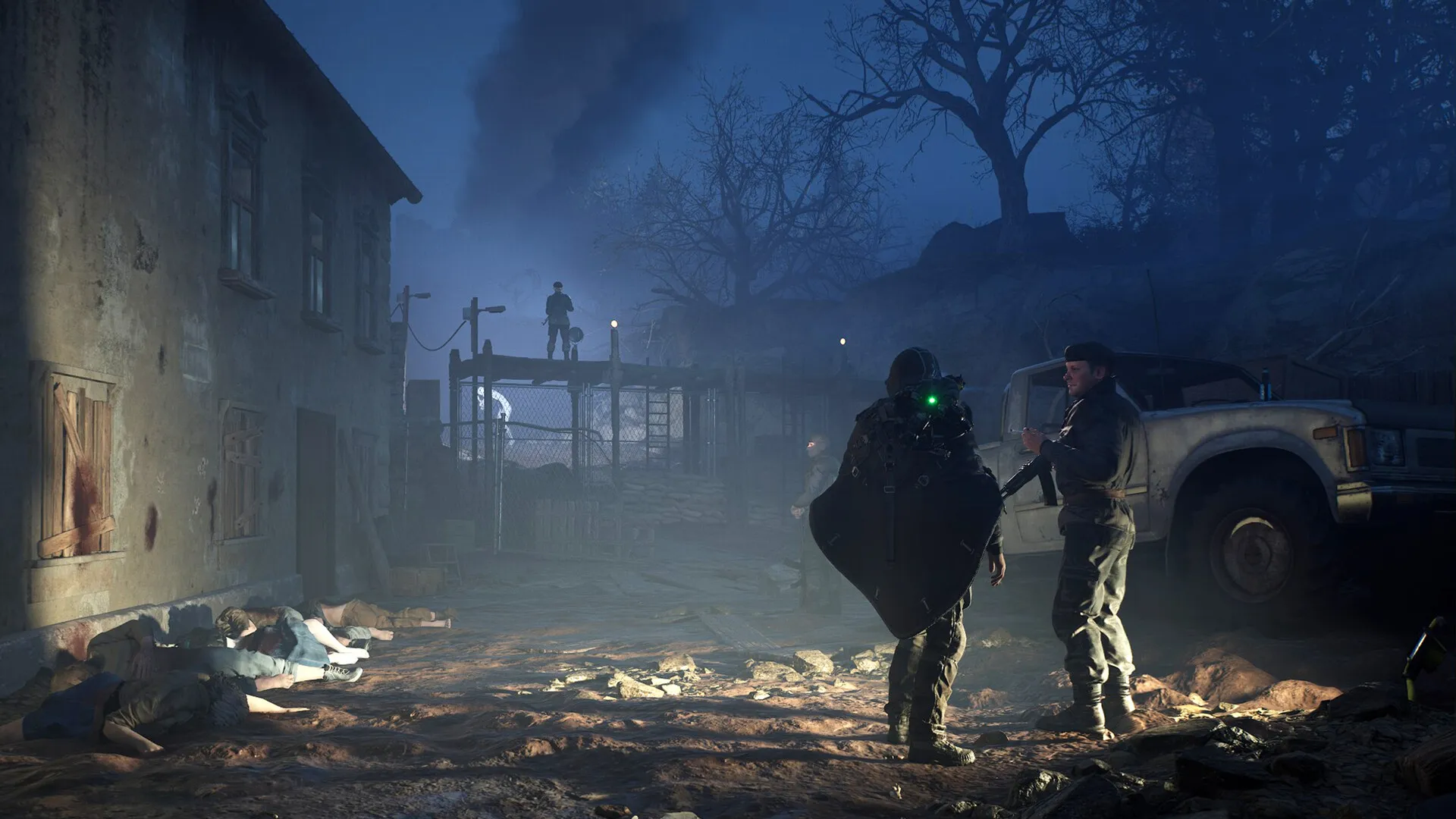
It has the feel of a world caught between a gritty political thriller and a surreal horror film, a place haunted by its own past. This atmosphere is bolstered by excellent sound design. The weighty crunch and clang of melee combat feels impactful, while the alien chittering and moans of the Hollow Walkers contribute significantly to the game’s unsettling tone.
Unfortunately, the game’s thoughtful presentation is let down by significant and frustrating interface issues. The text size for documents and subtitles is incredibly small, with no accessibility options to adjust it.
For a game that relies so heavily on reading clues, this is a serious oversight. It is a design choice that fails to consider a global, diverse audience with varying needs. Navigating the inventory to review these crucial documents also feels slow and clunky, pulling you out of the immersive investigation and into a menu that feels at odds with the game’s otherwise seamless world.
An Unaccommodating Vision
Hell Is Us is a game defined by its unwavering commitment to its core ideas of unguided exploration and a dense, atmospheric world. Its greatest success is the profound sense of accomplishment it provides when you solve a mystery on your own, piecing together the compelling history of Hadea from its many scattered clues.
This singular strength is set against significant weaknesses: a protagonist who feels more like a vessel than a character, a combat system that suffers from a lack of enemy variety, and basic interface problems that create unnecessary friction. This is a title for a very specific type of player, one who values patience, observation, and narrative discovery far more than polished, fast-paced action.
It feels like an “arthouse” game, a challenging piece of interactive media that will frustrate those seeking conventional entertainment but deeply reward anyone willing to engage with its difficult themes and unconventional structure.
In an industry often chasing trends, Hell Is Us stands apart. It is a game born from a singular, uncompromising vision. Its flaws are the direct result of this vision, the rough edges of an artifact that refuses to be polished into a homogenous global product. It is a difficult game, and for that, it is a valuable and memorable experience.
The Review
Hell Is Us
Hell Is Us is a bold, intellectual adventure built on an uncompromising vision. Its commitment to unguided discovery and its deeply atmospheric, lore-rich world are a triumph for patient players who crave immersion. This ambition is held back by a collection of frustrating flaws, including a dull protagonist, repetitive combat encounters, and poor UI choices. It is a fascinating, memorable experience for the dedicated investigator, but its rough edges make it a difficult recommendation for a broader audience.
PROS
- Deeply atmospheric and beautifully realized world design.
- Rewarding exploration and puzzle-solving that respects player intelligence.
- A unique combat system that encourages aggressive, dynamic play.
- Rich, discoverable lore delivered through excellent environmental storytelling.
CONS
- The main protagonist and central plot are flat and unengaging.
- Limited enemy variety makes late-game combat feel repetitive.
- Significant UI issues, especially the small, unscalable text.
- Movement outside of combat is rigid and artificially restrictive.