































The most effective workplace comedies function as social barometers, using the contained ecosystem of an office, precinct, or, in this case, a school, to measure the pressures of the world outside. Abbott Elementary has always understood this assignment. Its fourth season, however, sharpens this focus into a compelling dual narrative.
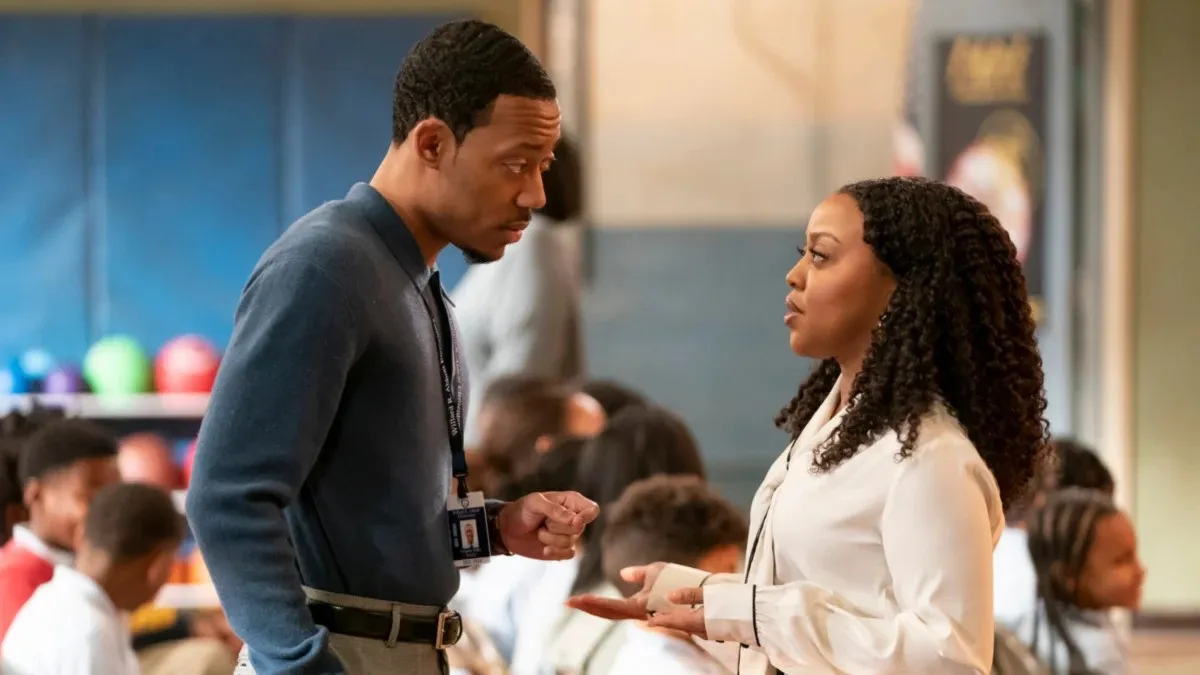
The series returns not just to the familiar, spirited hallways of its underfunded Philadelphia school but to a faculty navigating a profound internal shift set against a looming external threat. On one hand, the season commits to exploring the personal, blossoming romance between Janine Teagues and Gregory Eddie, a development that brings a fresh intimacy to the show’s core.
On the other, it introduces the construction of a PGA golf course nearby, a disruptive force that represents the very real anxieties of gentrification and community displacement. This structure positions the season as a resonant study of a universal modern challenge: the attempt to build and protect personal joy while systemic forces encroach from just beyond the playground fence.
The Romance We Waited For: Janine and Gregory Together
In a confident opening gambit, the season immediately resolves its central romantic question, using a playful misdirection to confirm Janine and Gregory’s relationship. This narrative decision is more than simple wish fulfillment; it’s a quiet rebellion against the sitcom tradition of using perpetual romantic tension as a crutch.
By sidestepping the tired “will-they-won’t-they” cycle, the show places its faith in the strength of its characters and trusts that the exploration of an actual partnership is a more compelling story. The comedy is now mined from the nuances of their new dynamic, particularly their hilariously inept attempts at discretion in a workplace where privacy is a myth. The intervention of a sardonic HR representative, for instance, is not just a funny set piece.
It subtly critiques the modern workplace’s procedural approach to human connection, where personal bonds become items to be managed. Their eventual, panicked public confession showcases the series’ knack for blending emotional vulnerability with high-stakes comedy. This new romantic stability provides a vital anchor for the show. It moves the emotional center from a place of yearning to one of maintenance and growth, creating a powerful throughline of Black love and partnership that deepens the show’s cultural significance.
The Neighborhood Under Threat: Abbott Confronts Gentrification
The season’s most ambitious narrative arc arrives with the roar of construction equipment. The new golf course is not a distant abstraction but an immediate, disruptive presence, bringing noise, traffic, and infrastructural strain to the school’s daily operations. Its deepest impact, however, is cultural.
The premiere’s brilliant cold open, where Ava Coleman encounters Abbott’s first white student and assumes he is a ghost, is a masterful piece of comedy that serves as a Trojan horse for a serious discussion of demographic change. This storyline allows the series to engage directly with the politics of urban development and its effect on a predominantly Black community.
The mockumentary format proves to be an invaluable tool here; characters’ to-the-camera asides allow for sharp, unfiltered commentary on the absurdity of their situation. The plot skillfully connects back to the show’s foundational theme of municipal disinvestment.
The slick lawyer offering teachers a pittance to endure the disruption is a perfect embodiment of how development projects often dismiss the concerns of longtime residents. Ava’s reaction to the new student, played for laughs, is also a poignant reflection of a community so accustomed to being ignored that the first sign of outside investment feels like an alien intrusion.
An Ensemble in Top Form: Growth and Solidarity
As external pressures mount, the series wisely turns inward, strengthening the bonds of its core ensemble and deepening their individual arcs. Ava’s temporary ousting and subsequent triumphant return is more than a simple power struggle; it’s a clever subversion of conventional leadership narratives, arguing that effectiveness can thrive even in chaos.

Gregory’s brief, anxious tenure as principal only reinforces how uniquely suited Ava is for her role. The season also provides a resonant storyline for Barbara, who confronts a severe case of professional burnout. This arc thoughtfully addresses the immense emotional labor and systemic pressures placed upon veteran educators, particularly Black women who often serve as the unheralded pillars of their institutions.
The friendship between her and Melissa remains a bedrock of grounded wisdom and unwavering support. Elsewhere, the series enriches its world by giving more space to supporting characters like the lunch lady Shanae, whose expanded presence makes the school feel more like a living, breathing community. Faced with a common threat, the faculty’s solidarity becomes their greatest asset, showcasing a powerful vision of collective resilience and a deep sense of camaraderie that defines the show’s hopeful spirit.
The Art of Consistent Comedy: Writing and Performance
Four seasons deep, Abbott Elementary continues to operate at a creative peak, making a powerful case for the enduring relevance of the network sitcom. The show’s writing is a marvel of efficiency and wit, packing sharp jokes, clever observations, and genuine emotional weight into its 22-minute runtime.

Its pacing is perfectly calibrated for both weekly viewing and streaming, a rare feat in today’s fragmented media landscape. The series succeeds as a vehicle for social commentary because it never sacrifices its comedic identity. The humor is the delivery system for its most important ideas. This is all anchored by a phenomenal cast whose performances are models of authenticity and lived-in charm.
Their chemistry feels less like acting and more like a genuine rapport, which allows the audience to invest completely in the world of the school. In an era where television often chases a cinematic ideal, Abbott Elementary stands as a testament to the power of a well-crafted, character-driven story. It proves that a show can be smart, funny, culturally specific, and universally appealing all at once, providing a blueprint for what the future of broadcast comedy can and should be.
The fourth season of the mockumentary sitcom Abbott Elementary premiered on October 9, 2024. The series, which follows a group of dedicated teachers and a slightly eccentric principal at an underfunded Philadelphia public school, airs on ABC and is available to stream the next day on Hulu in the United States.
Full Credits
The Review
Abbott Elementary Season 4
By confidently advancing its central romance and tackling gentrification with a signature blend of sharp humor and heart, Abbott Elementary’s fourth season solidifies its status as television’s most vital comedy. The series operates with a rare intelligence, using its flawless ensemble and brilliant writing to reflect contemporary anxieties without ever losing its fundamental sense of hope. It remains a masterclass in character-driven storytelling, proving the network sitcom is not just alive, but essential.
PROS
- Mature handling of its central romance, avoiding tired sitcom tropes.
- Intelligent and accessible social commentary on complex urban issues.
- An exceptionally strong ensemble cast with undeniable chemistry.
- Consistently sharp, witty, and heartfelt writing.
- Effectively proves the continued relevance of the network comedy format.
CONS
- With a growing ensemble, some supporting character arcs may feel less developed than others.