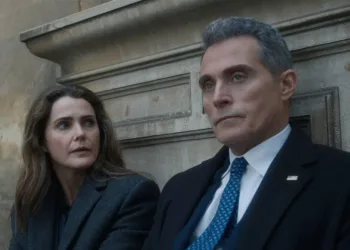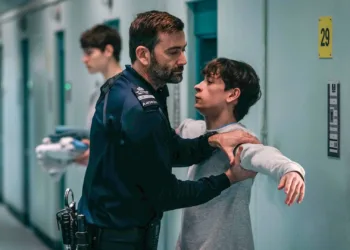





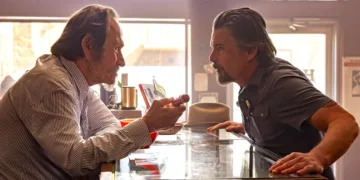























The limited series John Wayne Gacy: Devil in Disguise, streaming on Peacock, presents a somber, carefully measured entry in contemporary true-crime dramatization. Created by Patrick Macmanus, known for Dr. Death and The Girl from Plainville, the show enters a crowded field with an immediate commitment to restraint. The choice reads as a pointed response to a genre that often favors excess.
The central narrative tracks the final, decisive phase of John Wayne Gacy’s crimes, beginning with the 1978 disappearance of teenager Robert Piest in Des Plaines, Illinois. A missing-person inquiry widens into the revelation of a prolific serial killer and the legal and community shock that follows.
Michael Chernus portrays Gacy with a disarming public warmth that masks steady menace. The series resists spectacle and pursues psychological suspense through a methodical tone. Its aim is clear: study the societal and institutional failures that sustained Gacy’s freedom, with consistent attention to victims and survivors rather than the myth of the perpetrator.
Procedural Rigor and Structural Dissonance
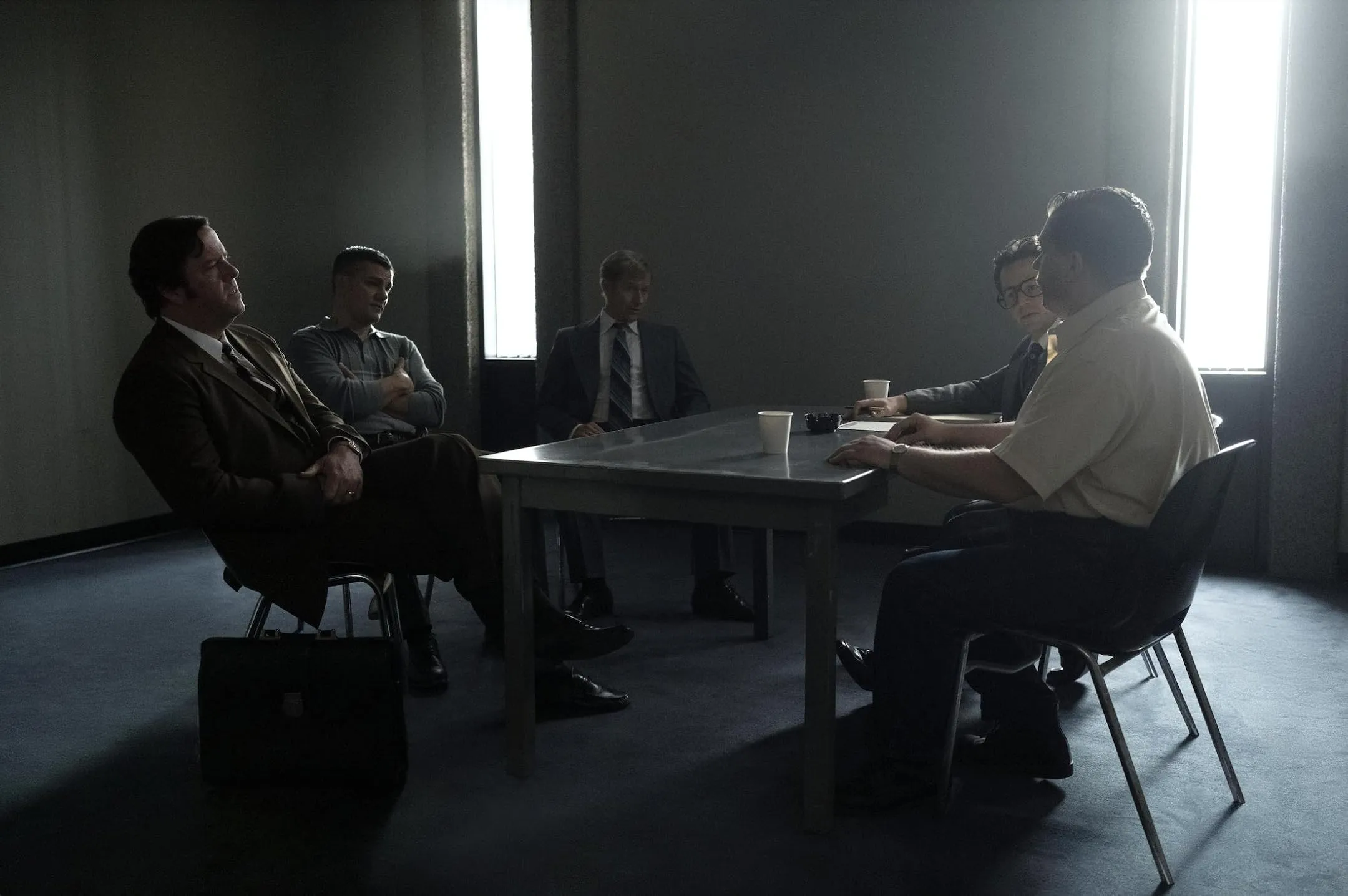
Macmanus employs a non-chronological structure that shifts among the 1978 police investigation, the legal process, and flashbacks that illuminate earlier crimes or the brief lives of victims. The main timeline plays as a gripping procedural, with patient, exacting detail reminiscent of the precision found in a film like Zodiac. Detectives Rafael Tovar and Joe Kozenczak work case files with steady, incremental progress that resists typical television pacing.
The non-linear flashbacks carry the emotional force, focusing on young men such as Billy Kindred before their fatal encounters with Gacy. This structural design restores personal identity where Gacy sought to erase it. The aesthetic remains intentionally cool, with straightforward direction that avoids an overstylized sheen that might glamorize the subject. Violence sits in implication and suggestion, which sharpens the dread. Gacy’s “Pogo the Clown” persona, often treated as cultural shorthand for evil, appears only very late and only briefly.
The choice signals a refusal to rely on iconography for shock. From the opening episodes, the production cultivates suspicion rather than sympathy for Gacy. Background details such as an abusive father surface without pleas for pity. The narrative frames Gacy as a “monster” and stays there. Some transitions in the early hours feel uneven, and a later flashback episode that surveys the crime span introduces a burst of energy that bumps against the show’s own limit on flourish.
Exposing Societal Blind Spots
The series defines itself by honoring victims, including Timothy Jack McCoy and Robert Piest, as sons, friends, and young men building their futures, never as tallies on a police chart. The production studies the social and economic conditions that left them vulnerable to a predator. The result reads as an indictment of institutional failure.
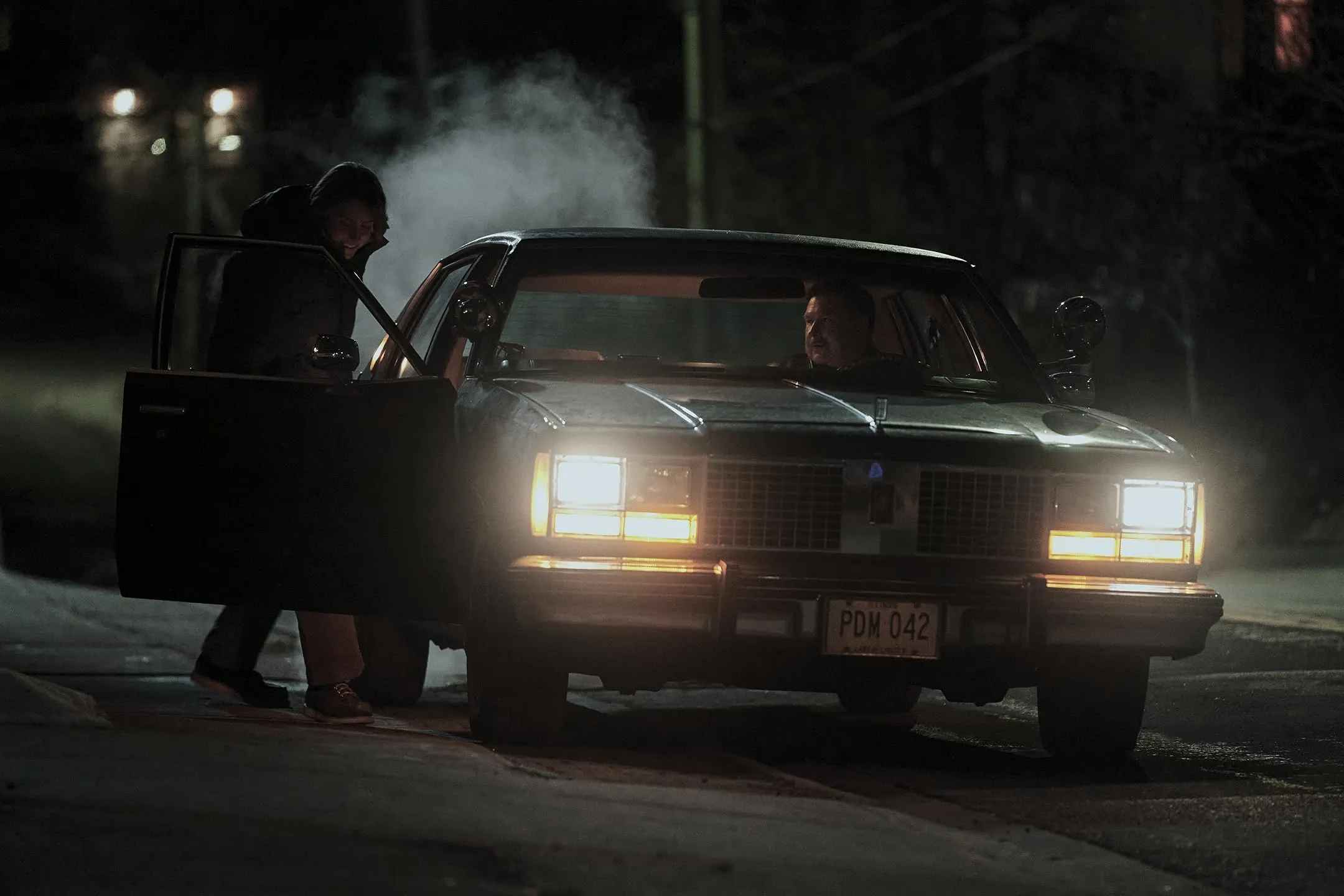
The show pivots the central inquiry from what happened to how Gacy kept operating. It names the “blind spots in society” and in law enforcement with clarity. Chicago police practices around missing persons cases involving “hard scrabble” or queer youth created space for Gacy’s crimes.
Survivor Jeffrey Rignal reported his assault, yet officers dismissed his account and accepted Gacy’s lie that gay men regularly tortured each other in that way. The series calls out a civic standard that demanded perfection from victims before taking them seriously.
The ripple effects across the community shape the story. Elizabeth Piest, Robert’s mother, played with force by Marin Ireland, becomes a human center of grief, resolve, and steady leadership. She fuels the search with plainspoken conviction. Law enforcement and legal teams carry ethical burdens and exhaustion that extend past the discovery of bodies, which widens the portrait of harm.
The Power of Subtly Unsettling Portrayals
Michael Chernus creates a Gacy who unsettles through ordinariness. He pairs “Midwestern nice” business polish and volunteerism with the cold calculus of a predator. The performance captures the banality of evil and the way charm becomes a tool for manipulation and misdirection. His “slimy persona” reads in the details, from social ease to the deflection that buys time with authorities.
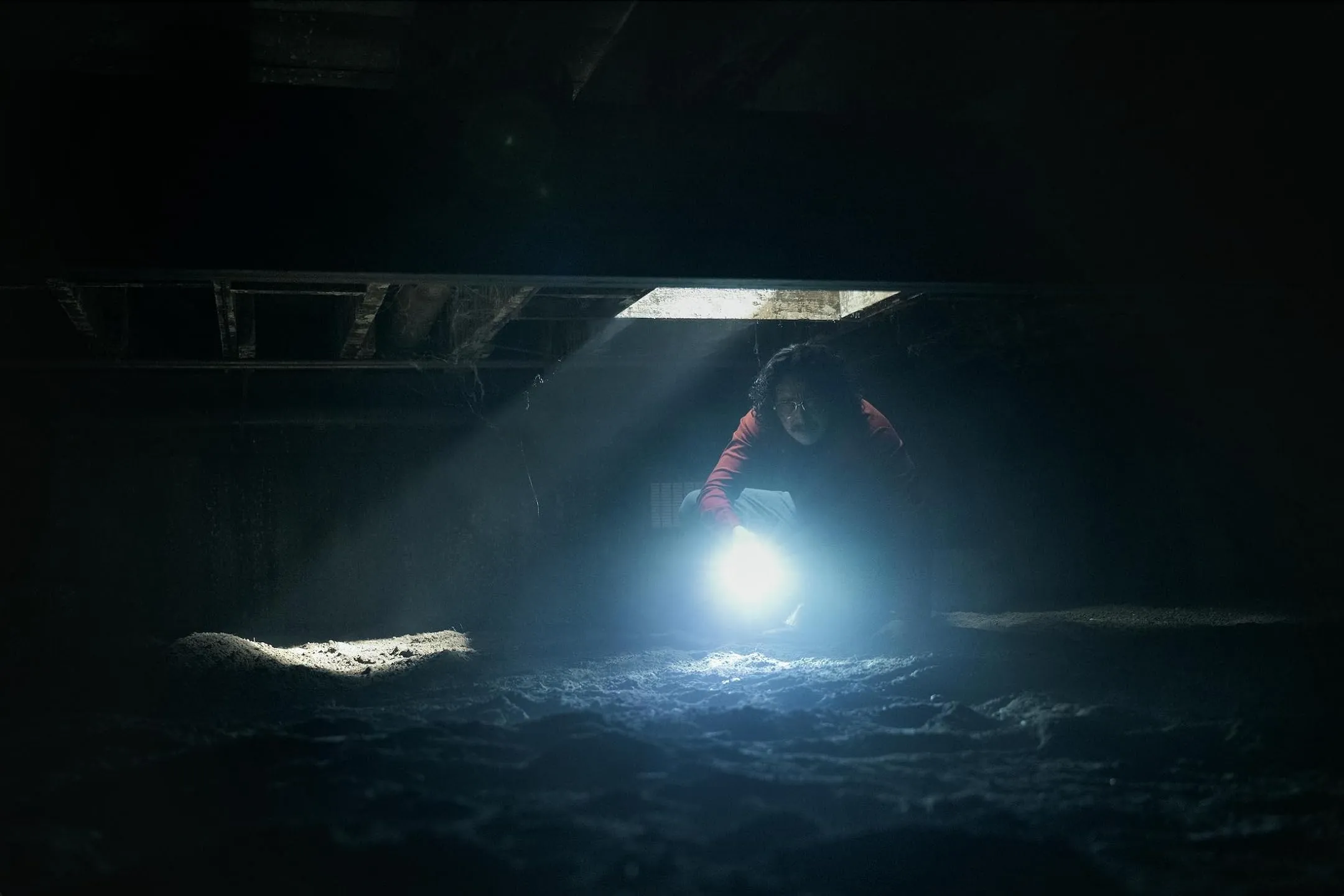
The ensemble adds dimension and moral pressure. Marin Ireland’s Elizabeth Piest stands out, channeling a mother’s “grief and determination with restraint and honesty.” Her presence shapes the emotional core. James Badge Dale’s Lieutenant Joe Kozenczak pursues the case with a drive that meets systemic failure head-on.
Gabriel Luna’s Detective Rafael Tovar sets aside the “macho persona” of earlier roles and plays a man “haunted by what he uncovers,” with a steady focus on the humanity of marginalized victims. Michael Angarano’s Defense Attorney Sam Amirante wrestles with the ethics of representing the killer after an overnight confession, weighing ambition against professional duty.
A New Moral Compass for True Crime
The series builds its case through refusal of “exploitative shock.” It offers a substantive lens on a sensational case from the late twentieth century, with careful attention to the dead and the systems that failed them. The production keeps faith with that mission and avoids the fetish of atrocity.
Pacing and structure carry minor issues, including some uneven early transitions and the sense that the world of the show fills with characters a bit too quickly. The final scene gathers the aftermath of Gacy’s execution and reflects on the death penalty and the survivors with real force, though the moment ends sooner than its themes can fully expand.
Devil in Disguise stands as a sober work that haunts without exploitation. The material takes a toll, which makes casual viewing difficult. Viewers drawn to focused writing and strong performances will find an exacting, respectful dramatization. The series leaves the audience examining the institutions and prejudices that permitted this violence to grow.
“John Wayne Gacy: Devil in Disguise” is a Peacock Original scripted limited series that is set to premiere on October 16, 2025. The eight-episode series is a dramatized take inspired by the 2021 Peacock docuseries of the same name. The show delves into the chilling story of the notorious serial killer John Wayne Gacy, exploring not only his horrific crimes but also the stories of his victims and the societal and systemic failures that allowed his reign of terror to continue for so long. You can stream the series exclusively on Peacock.
Full Credits
Director: Maggie Kiley, Larysa Kondracki, Bille Woodruff
Writers: Patrick Macmanus, Gregory Locklear, Matthew White, Yasmin Almanaseer, Ahmadu Garba, Ashley Michel Hoban, Larysa Kondracki, Sebastian Rea
Producers and Executive Producers: Patrick Macmanus, Noah Oppenheim, Liz Cole, Ashley Michel Hoban, Ahmadu Garba, Kelly Funke, Ryan Denmark, Russ Hammonds, Thomas Sellitti Jr., Matthew White
Cast: Michael Chernus, Gabriel Luna, James Badge Dale, Michael Angarano, Chris Sullivan, Marin Ireland, Megan Murphy, Krista Bridges, Levi Shelton, Brandon McEwan, Thom Nyhuus, Greg Bryk, Cricket Brown
Director of Photography (Cinematographer): Information not readily available.
Editors: Rochelle Brown, Khazzmirah Dinkins, Karim El Katari, Lisa Jennison, Elizabeth Niles, Damien Vandercruyssen, Amanda K. Romero, Cyndi Trissel, Pablo Momene
Composer: Tyler Strickland
The Review
John Wayne Gacy: Devil in Disguise
This series provides a necessary, difficult viewing experience, successfully reframing the true crime genre by refusing sensationalism. It masterfully shifts the focus from the killer’s brutality to the profound systemic failures and societal prejudice that enabled him. While the structure occasionally presents minor pacing issues, the overall effect is a chilling, substantive examination of institutional complacency and the restored humanity of the victims. Michael Chernus leads a stellar cast in this highly effective, sobering dramatization.
PROS
- Successfully avoids exploiting violence or gore.
- Directly examines institutional failures, police prejudice, and societal "blind spots."
- Respectfully focuses on the humanity and full lives of the young men lost.
- Features consistently strong performances, especially Michael Chernus as Gacy.
- The 1978 procedural timeline is rigorous and deeply suspenseful.
CONS
- The structural format leads to some "rocky" transitions between early episodes.
- The subject matter and realistic portrayals make it a difficult watch.
- The powerful, climactic scene focusing on the aftermath and survivors is disappointingly short.
- Some scenes or storylines feel overly detailed, potentially draining the focus.