



















![Kingdom Hearts Collection [I-III] Review](https://gazettely.com/wp-content/uploads/2026/10/Kingdom-Hearts-Collection-I-III-1-360x180.webp "Kingdom Hearts Collection [I-III] Review: KHII Holds Steady as Newer Entries Fluctuate 40")
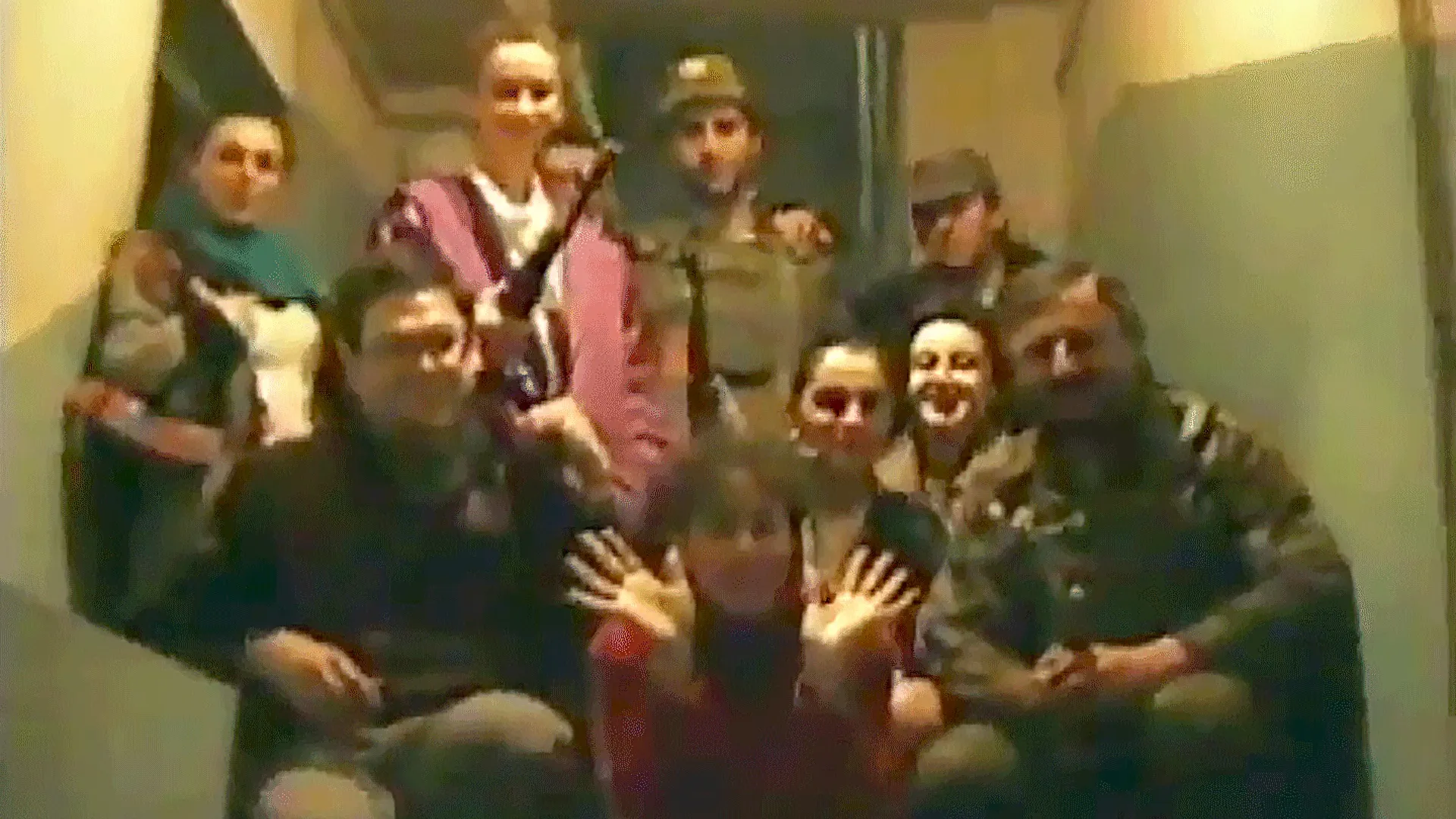

Limitation, by Georgian filmmakers Elene Asatiani and Soso Dumbadze, reads like a record pressed in the wreckage of history. The film immerses the viewer in the chaotic, brutal early 1990s in Georgia, tracing the brief, hopeful span of the first democratically elected presidency under Zviad Gamsakhurdia and its bloody dissolution.
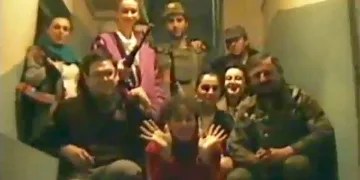
The core consists of archival audiovisual fragments, scraped from the deep sediments of the internet and left unsoftened by commentary. The material feels powerful and unsentimental, often low-fidelity and pixelated, saturated with the fear of imminent violence.
The screen opens onto the Tbilisi Civil War and positions us as direct witnesses. The assemblage revisits a pivotal moment and forces contact with the origin points of instability that still cast a long shadow across the post-Soviet world.
The Geometry of Broken Vision
The documentary sets an austere form that rejects contemporary cinematic commentary. No voiceover, no interviews, and only the sound native to each clip remains until the credits. This rigor turns the directors’ editing into the defining authorial mark.
Their interventions collect as arrangements: a staged interview with Gamsakhurdia sits alongside a candid, off-camera remark that undercuts his public rhetoric. The mood is a cinema of doubt.
A small, persistent on-screen text marks provenance for each fragment, with labels such as “Pro-Government Camera” and “KGB Camera.” That simple device reshapes perception and insists that every image arrives with an agenda. The glitches and watermarks of the tapes sharpen the horror. Noise becomes texture, a collective trauma made audible, the static that history leaves when it erupts inside ordinary lives.
The Repetition of Collapse
The narrative arc moves with existential inevitability from elation to bloodshed. It opens with the exhilarating hope of Gamsakhurdia’s 1990 election and the 1991 declaration of independence. The sense of triumph curdles as street unrest gathers pressure and the descent into the Tbilisi Civil War takes hold.
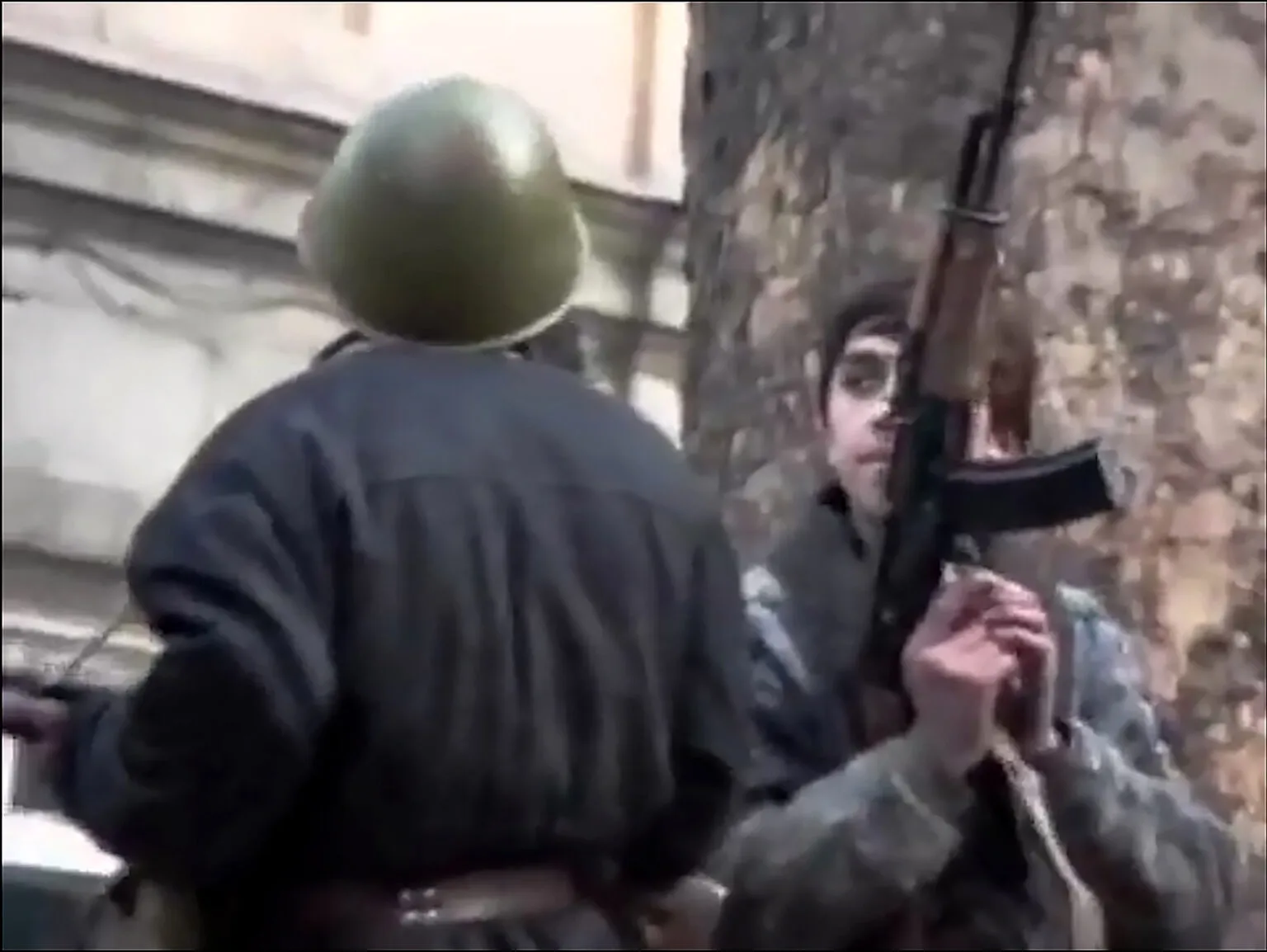
Paramilitary groups and opposition figures mount a full-scale assault that culminates in a 16-day siege of the parliament building. The footage lands hard: indiscriminate gunfire, tanks grinding across civilian streets, faces rigid with terror as people crouch by windows. The film documents the overthrow of Gamsakhurdia, fueled by former communist elements and groups linked to Russia.
The subsequent rise of Eduard Shevardnadze, former Soviet Foreign Minister, seals the pattern. What unfolded in 1991 Georgia functions as an antecedent, a forgotten blueprint for later geopolitical conflicts. History speaks in a repeating rhythm of collapse and control.
The Burden of Sight
Limitation treats recorded history as a mirror that reflects the motives of the hand behind the lens. The labels make media bias the central dramatic tension. The same event appears through contradictory angles, and the friction of competing narratives scuffs any simple truth.
The film dismantles the comfort of the “pure, objective image.” We even glimpse the mechanisms of production: subjects guided on where to stand or what to repeat. The images acknowledge their own construction. By presenting this plurality of viewpoints and stepping back from didactic closure, the filmmakers place the burden of sight on the viewer.
We become the historian, piecing together a moral account from shattered fragments. This meticulous study of conflicting sources and the molding of narratives turns the film into a necessary, urgent document for understanding the enduring crisis of information and power.
The documentary film Limitation is a found-footage chronicle of the tumultuous post-Soviet period in Georgia, focusing on the 1991-1992 conflict that led to the overthrow of the nation’s first democratically elected president, Zviad Gamsakhurdia. The film uses exclusively internet-sourced archival clips from various perspectives—including pro-government, pro-opposition, and KGB sources—to examine the events without voiceover narration. It premiered in November 2023 and can be viewed on streaming platforms like DAFilms and True Story.
Credits
Title: Limitation
Distributor: DAFilms, True Story
Release date: November 2023 (IDFA premiere)
Running time: 125 minutes (2 hours 5 minutes)
Director: Elene Asatiani, Soso Dumbadze
Producers and Executive Producers: Soso Dumbadze (Producer)
Cast: Zviad Gamsakhurdia, Eduard Shevardnadze, Tengiz Kitovani, Jaba Ioseliani (Note: As a found-footage documentary, the “cast” consists of historical figures appearing in the archival clips.)
Editors: Elene Asatiani
The Review
Limitation
Limitation offers a profound reflection on the fragility of truth and the eternal cycle of political collapse. By refusing the comfort of narration, Asatiani and Dumbadze compel the viewer to confront the raw, contradictory fragments of history directly. The resulting document is a vital meditation on accountability and the enduring shadow of empire. It stands as a chilling, formalistic triumph, demanding focused engagement.
PROS
- Uncompromising documentary form with no external commentary.
- Meticulous use of source labeling clarifies inherent media bias.
- The raw, low-fidelity aesthetic powerfully conveys historical trauma and immediacy.
- Offers a crucial, timely re-examination of post-Soviet political instability.
- Places the moral and historical interpretation solely on the viewer.
CONS
- The absence of introductory context may challenge viewers unfamiliar with the specific 1990s Georgian history.
- The two-hour runtime of unadorned archival footage requires intense focus and attention.
- The relentless focus on political brutality and civil unrest can be emotionally draining.