
























Double Dragon Revive sets out to reanimate a cornerstone of the beat ’em up genre, the series that helped define side-scrolling brawlers decades ago. Billy and Jimmy Lee return to trade blows with the Shadow Warriors, who seek the secrets of the Sousetsuken fighting style. The premise is straightforward and serves as a street-level setup for constant action.
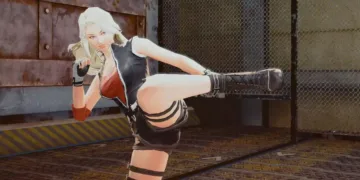
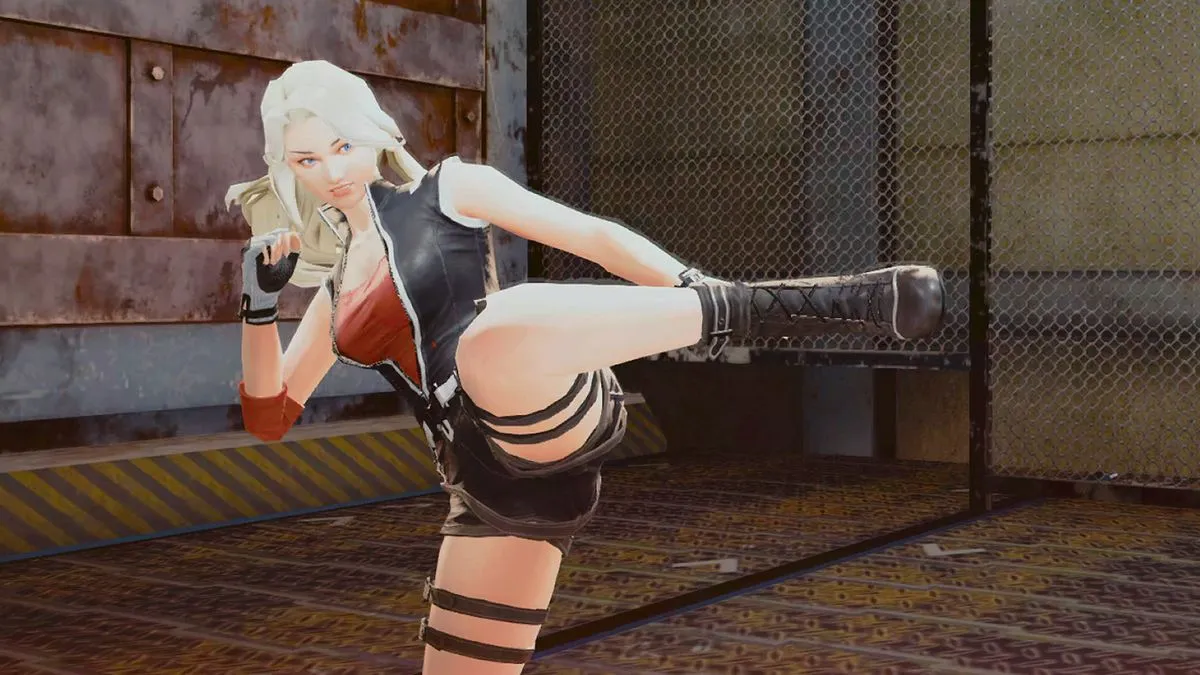
Play progresses through a linear eight-stage campaign that mirrors arcade pacing. The initial roster features the twin martial artists, with Marian as an unlockable, now a fast-hitting combatant instead of a captive, and the ninja Ranzo. Revive frames itself as a modernization of these foundations, aiming to carry the franchise into a new era.
Dissecting the Brawling System
Revive’s fighting model is approachable. Light, heavy, and special attacks link into simple strings, and each character lands in a clear lane. Billy and Jimmy offer balanced tools. Marian trades raw damage for speed. Ranzo brings agile ninja techniques, including explosive kunai that open space and control clusters. Defensive play adds a second layer.
Blocking, dodging, and counters reward pattern recognition and push players to read tells rather than mash through waves. Momentum culminates with meter-powered finishers, labeled as Dragon Orbs or Finishing Blows. These area attacks clear space when the screen floods, and the game grants them through steady combo chains and well-timed defense.
An extra system, wall bounce extensions, promises flash but suffers from erratic enemy rebounds, which makes advanced routing feel tedious and unreliable. Temporary weapons such as knives and two-by-fours hit hard and create short bursts of power, yet they rarely shift the genre playbook.
Environment as Adversary and Ally
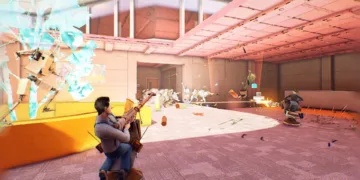
Eight stages cycle through familiar waypoints for the series, including a factory floor, a subway stretch, and an elevator run. A pagoda sequence with shifting perspective adds color, yet many arenas read as plain and leave little visual imprint. Interaction with the stage does stand out.
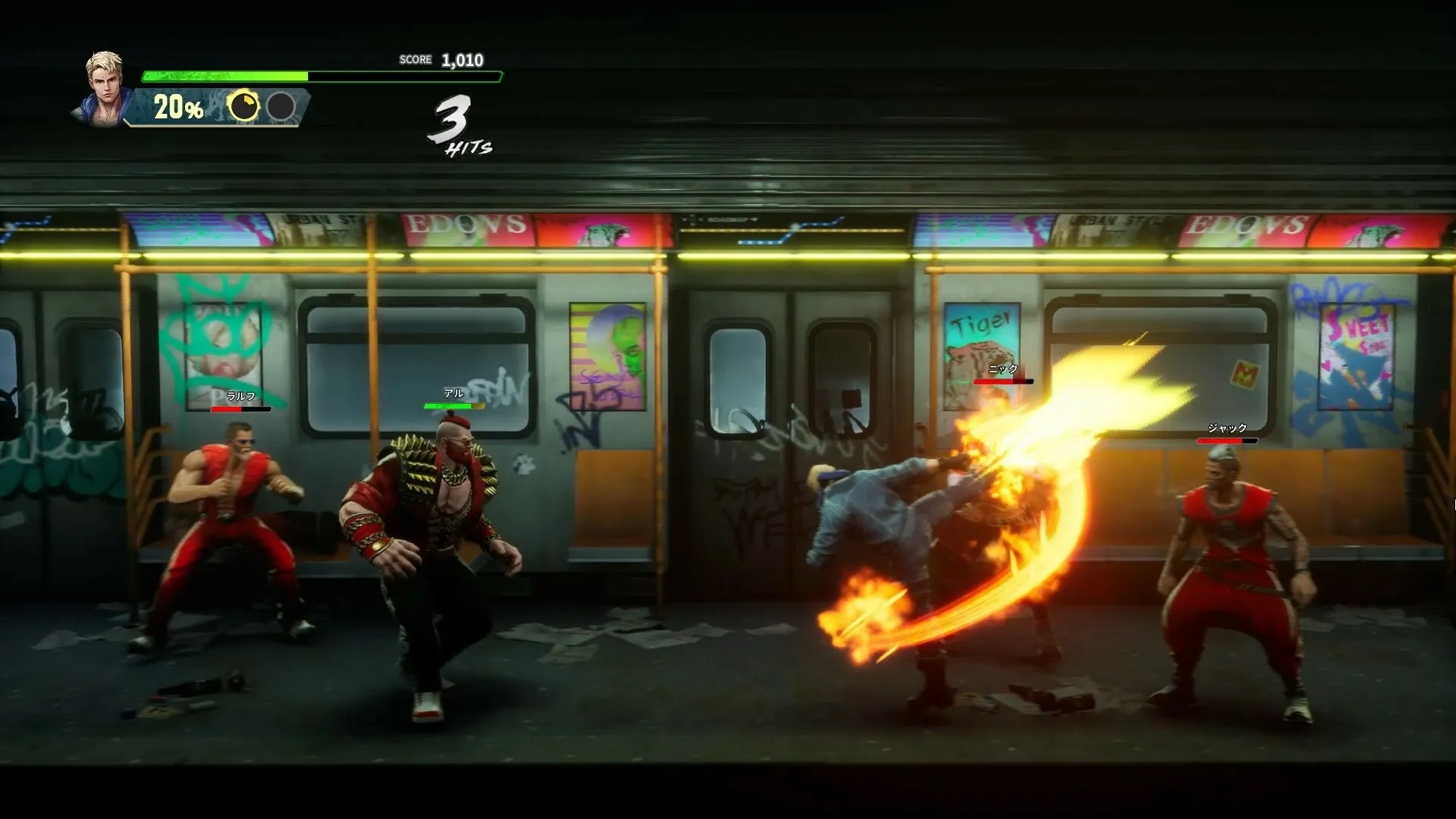
Slamming foes into trash cans or using lampposts to launch punishing attacks turns the environment into a meaningful tool and keeps encounters dynamic. Enemy lineups mix archetypes effectively, and the game often turns difficulty via crowd pressure. Boss encounters add interest with patterns and small stage hooks, like facing Linda while she perches on pillars.
These fights also produce sharp spikes, with the Chapter Seven boss marking a severe jump. Short platforming breaks attempt variety. The stiff inputs fight against precise jumps, and camera perspective makes distance hard to judge, so these sections stall the pacing. Local and online co-op return and carry the classic shared-screen energy that defines the series.
Visuals and Narrative Identity
Revive adopts a standard 3D look that recalls a modest PS2-era brawler. This presentation lacks the identity seen in newer genre entries. Character models read fine at a glance, yet fire and chi effects look dated, and many environments appear rough and unfinished.
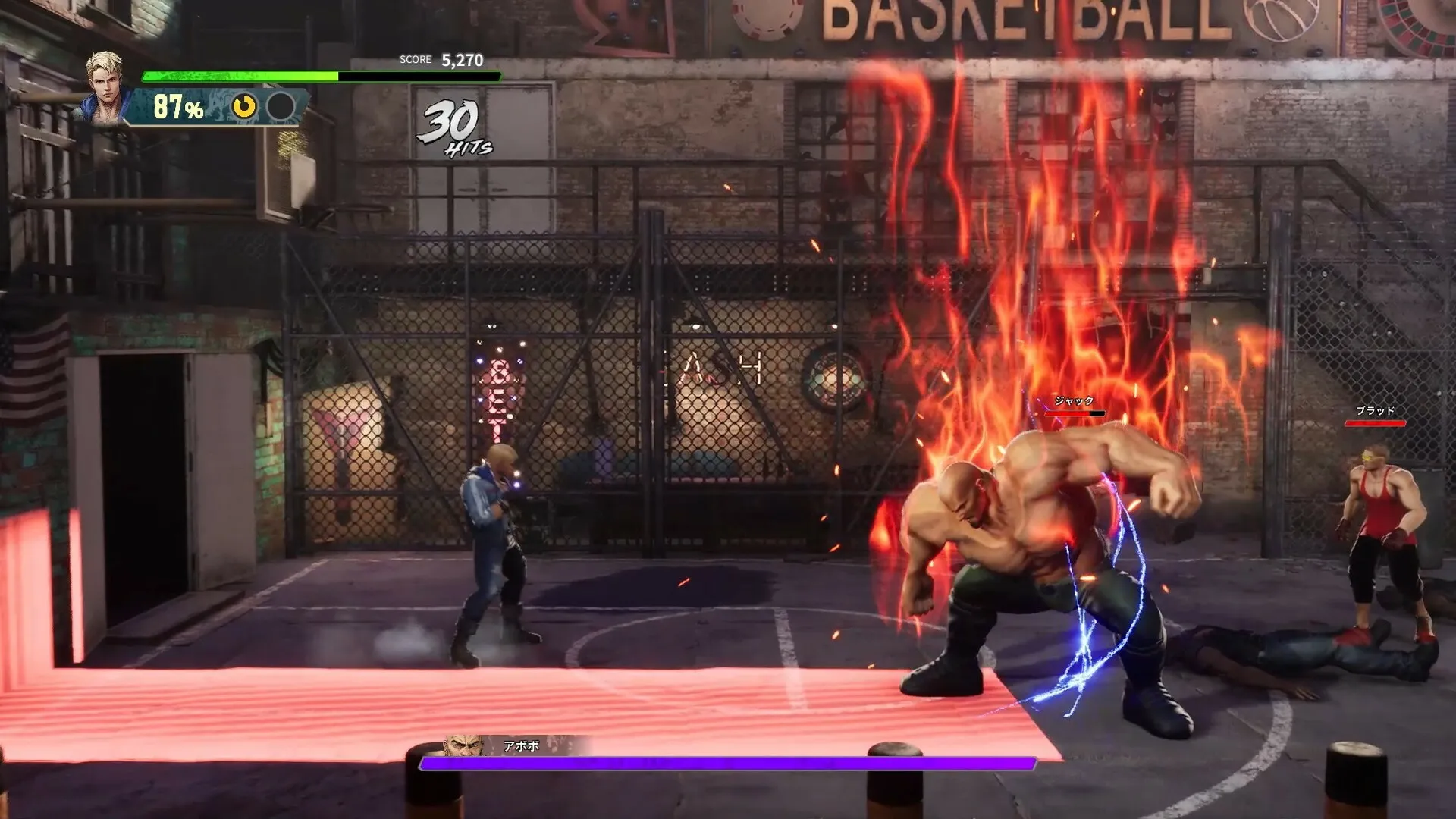
The soundtrack mixes original rock tracks with remixed series themes and holds the action together without leaving strong hooks. Hit impact lands cleanly in the effects work. Story beats remain simple and move through brief manga-style cutscenes with a slow cadence.
Returning antagonists Willy and Raymond feel subdued compared with the louder, wilder figures from earlier Double Dragon titles. Visuals, audio, and tone do not capture the energy and attitude that a revival of this name calls for.
The Review
Double Dragon Revive
Double Dragon Revive is a functional, yet frustrating, attempt to update a classic. Its best moments come from creative environmental interaction and the inclusion of defensive mechanics like counters and blocks, which deepen the simple brawling. However, the experience is consistently undercut by implementation issues: finicky wall-bounce combos, jarring difficulty spikes, and clumsy platforming segments. The dated, generic 3D aesthetic and uninspired narrative prevent the game from feeling like a true, necessary revival for the franchise.
PROS
- Creative environmental interaction is a standout feature.
- Defensive options (blocking, countering) add welcome depth.
- Powerful ultimate attacks feel impactful.
CONS
- Visuals look dated and lack personality.
- Advanced combos feel finicky and unreliable.
- Platforming sections are rigid and poorly executed.
- Sudden, aggressive difficulty spikes are frustrating.
- Narrative and villains are underwhelming.