




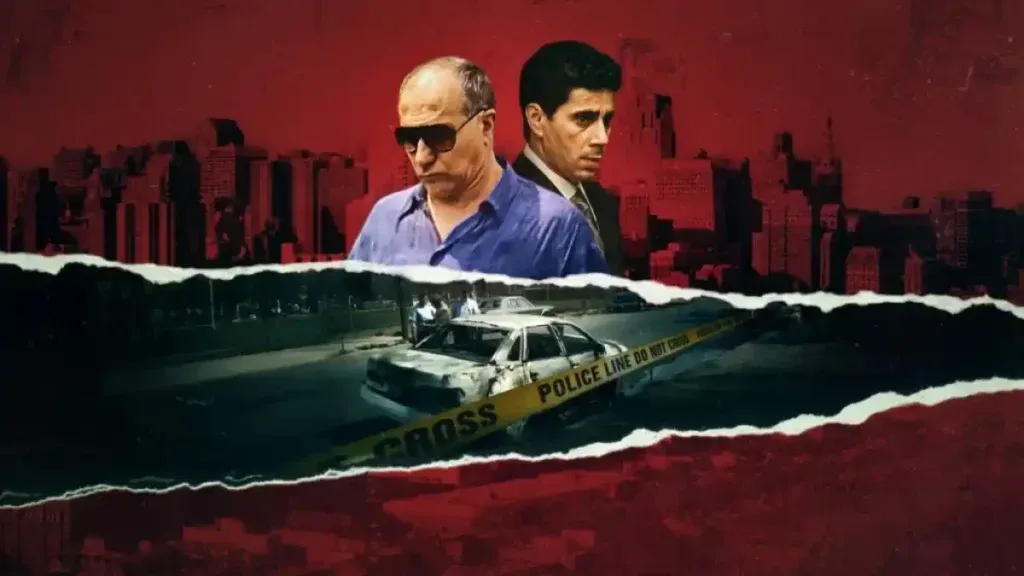

Mob War: Philadelphia Vs. The Mafia presents a tight three-part true-crime study from Netflix, directed by Raissa Botterman. It examines a period of public violence in Philadelphia during the early 1990s. The narrative opens with the power vacuum that tore through the city’s organized crime network after the 1986 incarceration of mob boss Nicky Scarfo.
That instability frames a fight between two factions. Traditionalist loyalists gathered around Sicilian-born John Stanfa, hand-picked by New York’s Five Families to steady the Philadelphia operation with a clear mandate to restore order and, as the directive put it, “make money, not headlines.” The opposing side formed around South Philadelphia native Joey Merlino, whose crew of “young guns” treated Stanfa as an outsider.
The series tracks a street war of assassinations, public gunfights, and a sweeping federal push to bring down both camps. It treats the bloodshed as a civic trauma and as a measure of how criminal mythmaking adapts to new media attention and changing public appetite for spectacle.
Generational Conflict and Cultural Myth-Making
The structure foregrounds a cultural divide inside the mob: a collision between ritual and modern visibility. The handover from Scarfo’s notorious violence to Stanfa’s bid for protocol and quiet business signaled an attempt to reassert discipline, respect, and discretion. Merlino’s crew answered with style and exposure. Designer clothes, flashy cars, and a willingness to operate in daylight gave the contest a public stage. The contrast echoes the early 1990s appetite for attention, even inside institutions that once prized silence.
The rivalry moved from private maneuvering into open warfare that shocked the city. The series recounts a cycle of planned hits and reprisals, including the chaotic attempt on Stanfa’s life on the Schuylkill Expressway and the later murder of Stanfa capo Joey Ciancaglini. Keeping track of alliances requires focus. The volume of names and shifting loyalties, including the Ciancaglini brothers splitting their support between the two bosses, illustrates the labyrinth of mob politics.
The production supplies an org chart and period footage to steady the viewer, an editorial choice that treats comprehension as a public service. The generational split becomes a study in how organized crime manufactures its own legend. Protocols police behavior while the performance of power invites attention, and that mix shapes how communities perceive influence, masculinity, and authority.
Streaming Aesthetics and the Limits of True Crime
The show adopts a high-gloss aesthetic that signals a lineage with classic mob cinema, with Goodfellas as the clear reference point. The production follows a familiar streaming strategy that packages complex history with speed and polish. Tight editing and brisk pacing keep the three-episode arc moving.
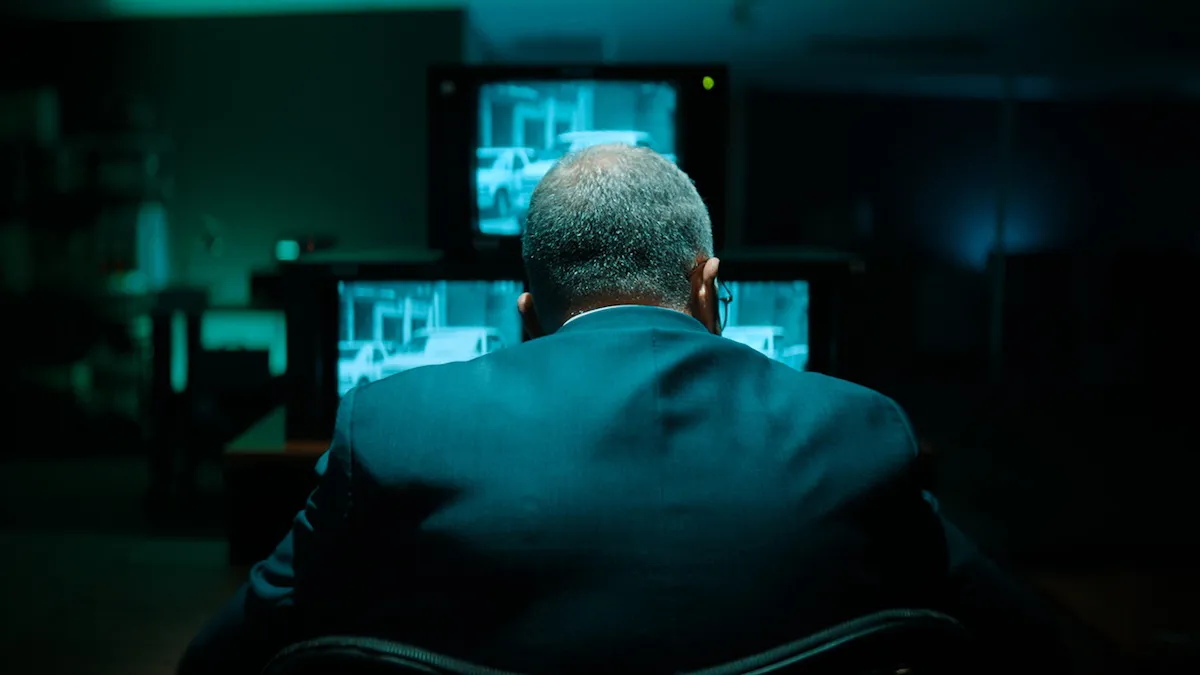
The series assembles former FBI agents, including supervising agent Charlotte Lang, along with judges, mafia associates, and former triggermen such as John Veasey. Hearing from people who lived inside that world, often recounting grim stories with surprising humor, gives the project bite and presence.
The format also reveals a limit. Authentic FBI wiretap recordings provide the strongest material, a primary-source spine that creates a “creepy atmosphere” and lets the audience hear the hierarchy in its own cadence. That intimacy could have anchored a different kind of true-crime episode design, one that privileges surveillance audio over the standard carousel of interviews. The series uses those clips sparingly and leans on a proven template.
The Federal Law Enforcement Insight sections, by contrast, break through the routine. Accounts of bugging a mob attorney’s office and of planting surveillance in Stanfa’s luncheonette underline the physical risk and the procedural patience inside federal work. The craft of surveillance receives rare, concrete attention, and those passages point toward a richer mode of streaming nonfiction that treats investigative labor as a narrative engine.
Social Commentary in the Unintentional Absurd
Across the three parts, the show brushes against a current cultural argument about institutions built on rigid hierarchies and self-interest. The method is indirect. The accumulation of scenes generates an atmosphere of exaggerated ridiculousness that exposes the smallness of the feuds.
Veasey’s story about a burned hand at an electric barbecue, followed by the spectacle of setting it on fire again in front of neighbors as a cover tale, lands like dark farce. The botched attempt on Stanfa from a panel van, with its spray-and-pray chaos, builds the same effect. These episodes puncture the romantic image of the master criminal and reveal a disorderly reality that communities must survive.
The editing wrestles with tone. The material alternates between severity and gallows humor, and the balance never quite settles. That uncertainty dilutes the structural and social reading that the subject can sustain. The city of Philadelphia emerges with clarity. Streets and neighborhoods serve as witness, a civic stage where violence arrives and recedes while residents carry on. The docuseries tells a clear story and avoids gratuitous trickery.
The familiar true-crime rhythm of crime, interview, and reenactment keeps the series accessible to a broad streaming audience, yet the choice to limit wiretap audio narrows the project’s reach. A fuller embrace of those recordings would have reshaped how the episodes sound and how viewers absorb historical crime on a platform built for speed. The series captures a violent chapter and the media habits that framed it, and it points toward a future path for the genre that would center surveillance as narrative rather than as accent.
Mob War: Philadelphia vs. The Mafia is a three-part true-crime docuseries that premiered on October 22, 2025, and is available to stream on Netflix. The series chronicles the bloody, high-stakes power struggle that erupted in Philadelphia’s organized crime scene during the 1990s. The conflict pits the old-school loyalists of Sicilian boss John Stanfa against the ambitious, younger faction led by Joey Merlino, detailing the assassinations and large-scale federal investigation that ultimately brought both sides down.
Credits
Director: Raissa Botterman
Producers and Executive Producers: Tom Sheahan, Dimitri Doganis, Jon Liebman (Executive Producers)
Cast: Joey Merlino, John Stanfa, Charlotte Lang, John Veasey, Michael Ciancaglini, Gerry Bianchi, Nicky Scarfo