
























Myths are not meant to grow old. They are forged in a perpetual present, their narratives frozen in moments of peak power. The myth of Ozzy Osbourne, a working-class kid from industrial Birmingham, was amplified by global media into a caricature of rock excess, the so-called Prince of Darkness. Director Tania Alexander’s documentary, Ozzy Osbourne: No Escape from Now, is the story of what happens when that myth collides with the unyielding reality of a human body in decline.
Filmed during the final six years of his life, it begins its chronicle after a devastating 2019 fall accelerates a host of health issues, including a harrowing battle with Parkinson’s disease. The film is less a rock biography and more a profound meditation on mortality. Its central drama is intimate and universally understood: the struggle of an indomitable creative spirit trapped within a physical form that refuses to obey. The tone is unflinching, stripping away the stagecraft and spectacle to reveal the vulnerable man, John Michael Osbourne, confronting the last chapter of a remarkably loud life.
Dismantling the Prince of Darkness
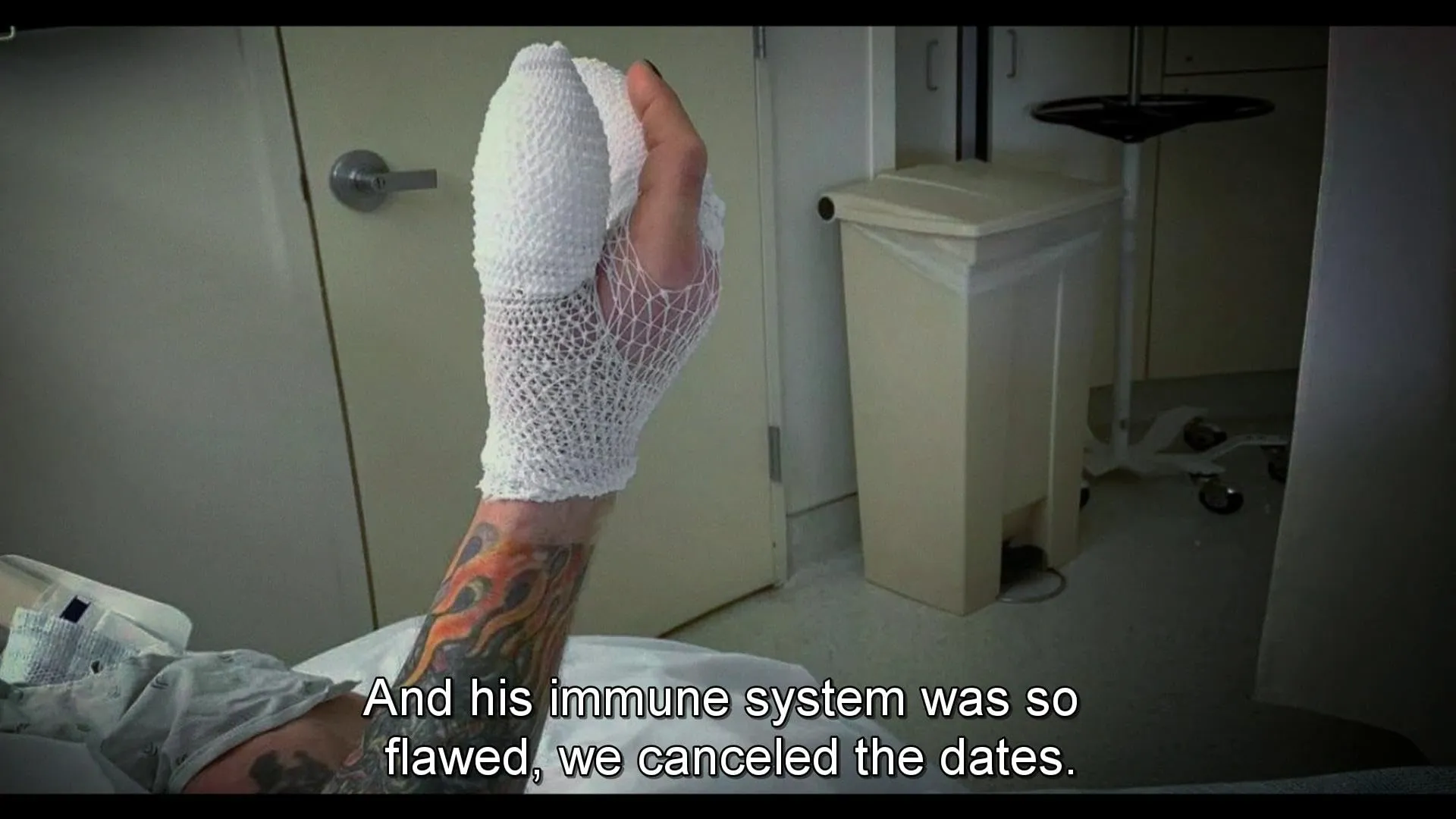
The film’s most courageous act is its refusal to sanitize suffering. Alexander’s camera operates with a quiet, persistent gaze, documenting the stark realities of Ozzy’s condition. This is a world away from the manic energy of his MTV persona. The visual language of the film emphasizes confinement and frailty, often using tight shots within his home to show a world that has shrunk around him.
We see the grimace of constant pain, the slow, deliberate effort of walking across a room, and the physical manifestations of his neurological condition. The documentary provides a powerful counter-narrative to the polished image of the eternally youthful rock star, an archetype largely defined by American celebrity culture. Instead, its raw honesty aligns more with a European cinematic tradition of verité filmmaking, where character is revealed through unadorned observation.
The psychological toll is given equal weight. We hear Ozzy articulate his deepest fears, his profound depression, and his intense frustration at the loss of his autonomy. He speaks of an internal “committee” of voices feeding his self-doubt, a poignant confession from a man known for his defiant public image. This intimate access demythologizes him completely. The wild man who once seemed invincible is shown fighting a quiet, desperate war against his own body. In these moments, the film becomes a difficult yet necessary watch, showing the profound vulnerability that lies beneath even the most hardened public personas.
Salvation in the Studio
Amidst the landscape of physical decline, the recording studio emerges as a sanctuary. The film’s narrative shifts powerfully whenever music becomes the focus, exploring the creative process as an act of defiance and a source of profound vitality. The collaboration with American producer Andrew Watt on his final two albums, Ordinary Man and Patient Number 9, serves as the story’s inspirational core.
Watt, a younger musician representing a different generation of rock, coaxes and encourages a renewed passion from the veteran artist. Their dynamic bridges a cultural and generational gap, showing the timeless power of musical expression. In the studio, the camera captures a visible transformation. The pain-ridden man from the previous scene is replaced by an energized artist, his eyes bright with purpose. He describes the work as the “best medicine” he ever had, and the film makes you believe it.
This theme is powerfully reinforced by his triumphant public performances.
His surprise appearance at the 2022 Commonwealth Games is especially resonant. Staged in his hometown of Birmingham, the performance is a symbolic return to the source, the industrial crucible that forged Black Sabbath’s sound. As he rises above the stage, he is not just a rock star; he is a local hero reclaiming his power in the place where his story began. These sequences are more than just concert footage; they are potent illustrations of performance as a transcendent act, a temporary liberation from the body’s prison and a reaffirmation of his essential identity.
A Legacy Forged in Birmingham, Heard Worldwide
The film’s emotional foundation rests on the human relationships that weathered Ozzy’s turbulent life. His deep, complex bond with his wife, Sharon, is central to the narrative. The documentary looks beyond her public image as a shrewd manager who helped craft the “Ozzy” brand.
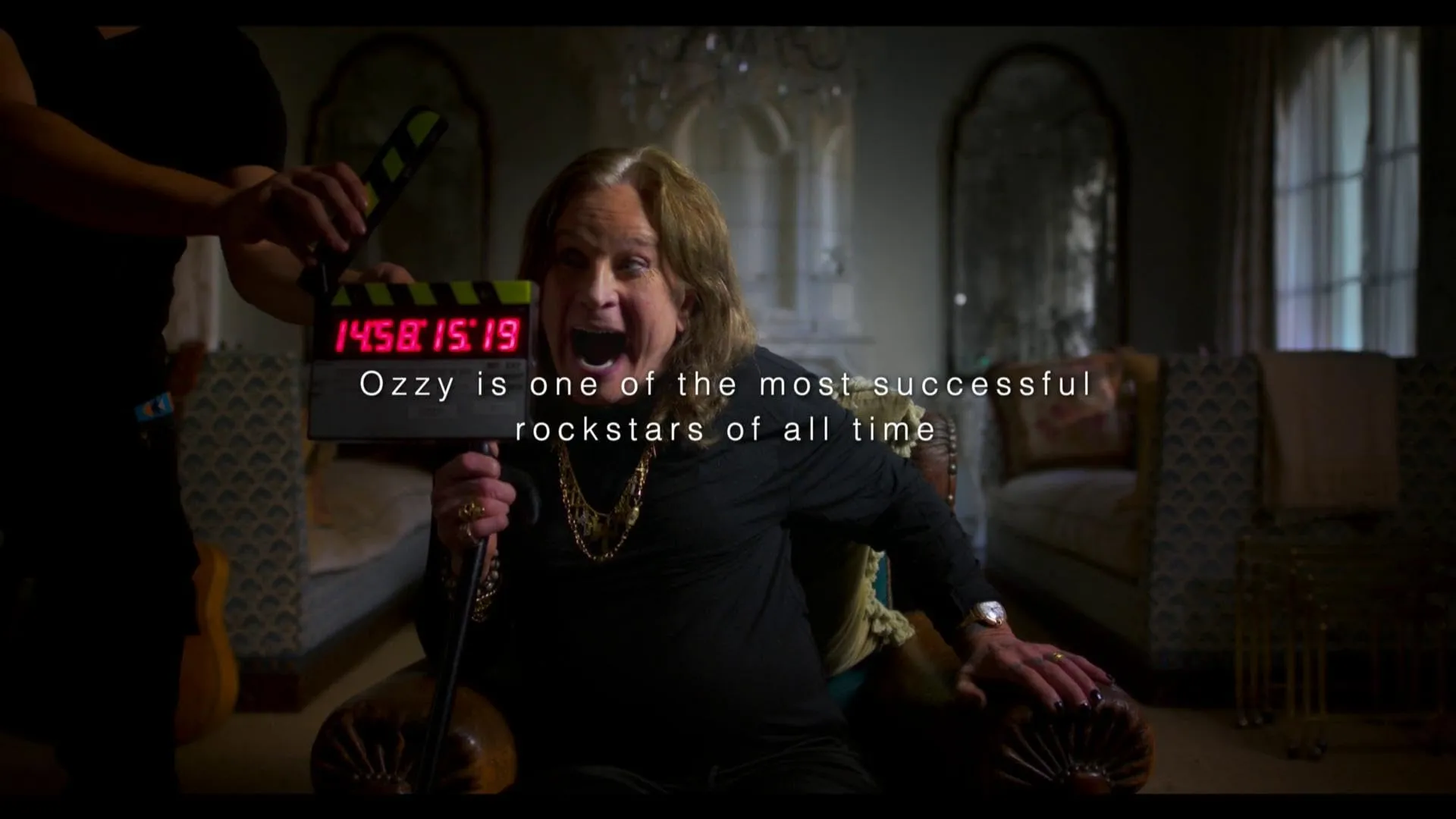
It reveals her as a steadfast partner and caregiver, her own strength and pain mirroring her husband’s struggle. The intimate reflections from his children further ground the story, offering a portrait of a father whose wit and affection endured even in his darkest moments. This focus on family provides a crucial counterpoint to his global fame.
That fame is explored through the reverent testimonials of his peers. When musicians like James Hetfield and Slash speak about Ozzy’s influence, it is not mere celebrity praise. It is a genuine acknowledgment of a profound transatlantic cultural event. They are American artists paying tribute to a sound born from the factory noise and working-class angst of the British Midlands.
The film subtly argues that the heavy, repetitive rhythms of Black Sabbath were an authentic expression of their industrial environment, a hyperlocal sound that somehow became the blueprint for a global genre. No Escape from Now serves as a final, definitive statement. It presents a man whose identity was a complex layering of husband, father, Birmingham native, and rock deity, leaving behind a legacy forged in love and amplified by an art form he helped create.
Ozzy Osbourne: No Escape from Now is a feature-length documentary that offers an intimate, all-access portrait of the legendary musician’s life following a debilitating fall in 2019, his Parkinson’s diagnosis, and his attempt to return to the stage. The film traces his journey of physical recovery and how music provided him solace, featuring candid interviews with his family and fellow rock icons. The documentary premiered on Paramount+ on Tuesday, October 7.
Full Credits
The Review
Ozzy Osbourne: No Escape from Now
Ozzy Osbourne: No Escape from Now is a raw, courageous, and deeply moving portrait of an icon confronting his own mortality. The film strips away the myth to find the man, documenting his painful decline with unflinching honesty while celebrating the creative spirit that refused to be extinguished. It is a difficult but essential watch, offering a profound final statement on a life lived at full volume, finding its most powerful notes in the quiet moments of vulnerability and resilience. A definitive and heartbreaking farewell.
PROS
- Provides a raw, unsanitized look at the realities of chronic illness and aging.
- Offers a rare and deeply personal view of the man behind the legendary persona.
- The focus on family, love, and the salvation found in music is profoundly moving.
- Effectively dismantles the rock star caricature to reveal a vulnerable, relatable human being.
CONS
- The candid depiction of suffering can be harrowing and emotionally draining for viewers.
- With close family as producers, the narrative lacks a critical outside perspective, though it feels authentic.