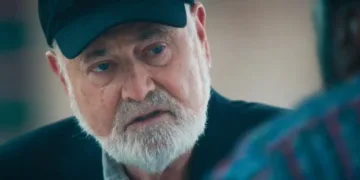























Rob Reiner said the United States risks sliding into autocracy if the president is allowed to “control the media,” warning that recent moves by the administration amount to pressure “beyond McCarthy era-esque.” Speaking during a New York Film Festival appearance tied to his documentary work, the filmmaker cited the suspension of late-night programs, federal actions involving the National Guard, and immigration raids as signs of a broader effort to chill dissent and shape information flows ahead of the 2026 midterms. He argued that artists and journalists have a responsibility to flag those trends, even as studios and platforms face political headwinds.
Reiner’s comments track with a wider surge of industry activism this week. Jane Fonda announced the revival of the mid-century Committee for the First Amendment, gathering hundreds of signatories from film, television, and music who say they will advocate for free expression amid government pressure. Supporters describe the move as a direct response to recent flashpoints in entertainment and news; the White House has disputed claims of censorship.
Coverage of Reiner’s remarks emphasized his timeline—“about a year” to prevent an erosion of democratic norms—and his focus on media ecosystems that can be influenced by political leverage over corporate decision-making. Clips shared by outlets that aggregated the interview highlight his contention that attempts to centralize message control, if left unchecked, could distort how elections are contested and covered.
The debate arrives as entertainment companies navigate a volatile season marked by politically charged programming decisions and intensified scrutiny of talent. Advocates for Reiner’s view point to late-night scheduling disruptions and campus and cultural disputes as evidence of an atmosphere where speech is curtailed by cost-benefit calculations influenced by political risk. Critics counter that executive choices reflect business judgments rather than government mandates and argue that claims of coordinated suppression overstate the case. The fault line mirrors broader U.S. discourse about the boundaries between protected speech, corporate standards, and political pressure, with the film community newly mobilized to test those boundaries in public.