


















![Kingdom Hearts Collection [I-III] Review](https://gazettely.com/wp-content/uploads/2026/10/Kingdom-Hearts-Collection-I-III-1-360x180.webp "Kingdom Hearts Collection [I-III] Review: KHII Holds Steady as Newer Entries Fluctuate 40")


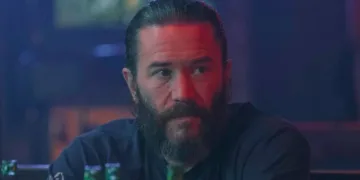
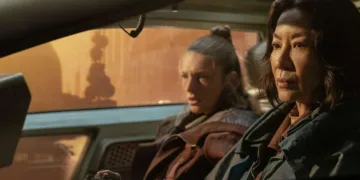
Tom Pelphrey says he approached Robbie Prendergrast as an advocate, not a judge, and Episode 6 of Task puts that philosophy to the test. Speaking after the penultimate installment aired, the actor describes a character driven by family obligation into a river of bad options, culminating in a fatal showdown where Robbie is stabbed while trying to end a violent feud. He praises the episode’s “mercy” between Robbie and FBI agent Tom Brandis and calls the nighttime car sequence that follows “beautiful,” framing it as a moment of grace inside a story about damage and consequence.
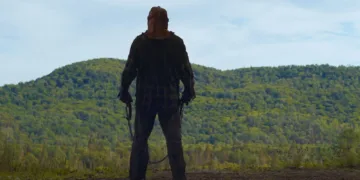
The hour’s body count reshapes the series. Robbie dies in transit as Tom scrambles to save him, while state trooper Lizzie Stover is killed during the chaotic clash between the FBI task force and the Dark Hearts gang. The events expose internal betrayal and flip dynamics heading into the finale: a key leak is laid bare, a long-running vendetta reaches its breaking point, and the case narrows to the people left standing after a forest shootout unravels competing agendas. Coverage of the episode emphasizes how the violence lands emotionally, with attention to the guilt carried by those who survive.
Pelphrey points to Robbie’s code as the spine of his performance, arguing that the character’s choices are less about outlaw bravado than about imperfect protection of those he loves. He also credits showrunner Brad Ingelsby and director Salli Richardson-Whitfield with stitching action to character beats, noting how a flash of compassion from Tom reframes the pursuit as something more complicated than cops and crooks. Separate interviews around the episode confirm the endpoint of Robbie’s arc and detail how the set-piece in the woods was built to collide storylines at once, from the gang’s reprisals to the task force’s fraying trust.
As the finale approaches, the series sits with the aftermath: a community rattled, a task force under strain, and a central investigator carrying the weight of choices made in seconds. Pelphrey’s read steers viewers toward intent rather than verdict, arguing that Robbie’s fate only makes sense when you accept that none of the options were good, just marginally less destructive.