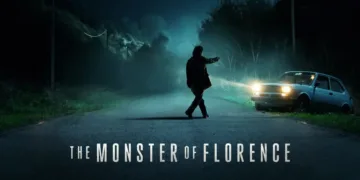












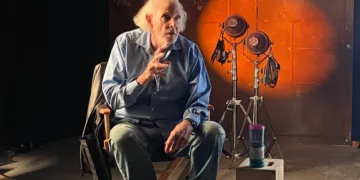
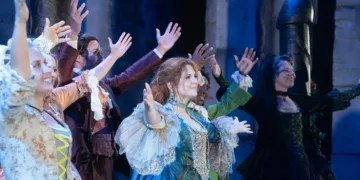









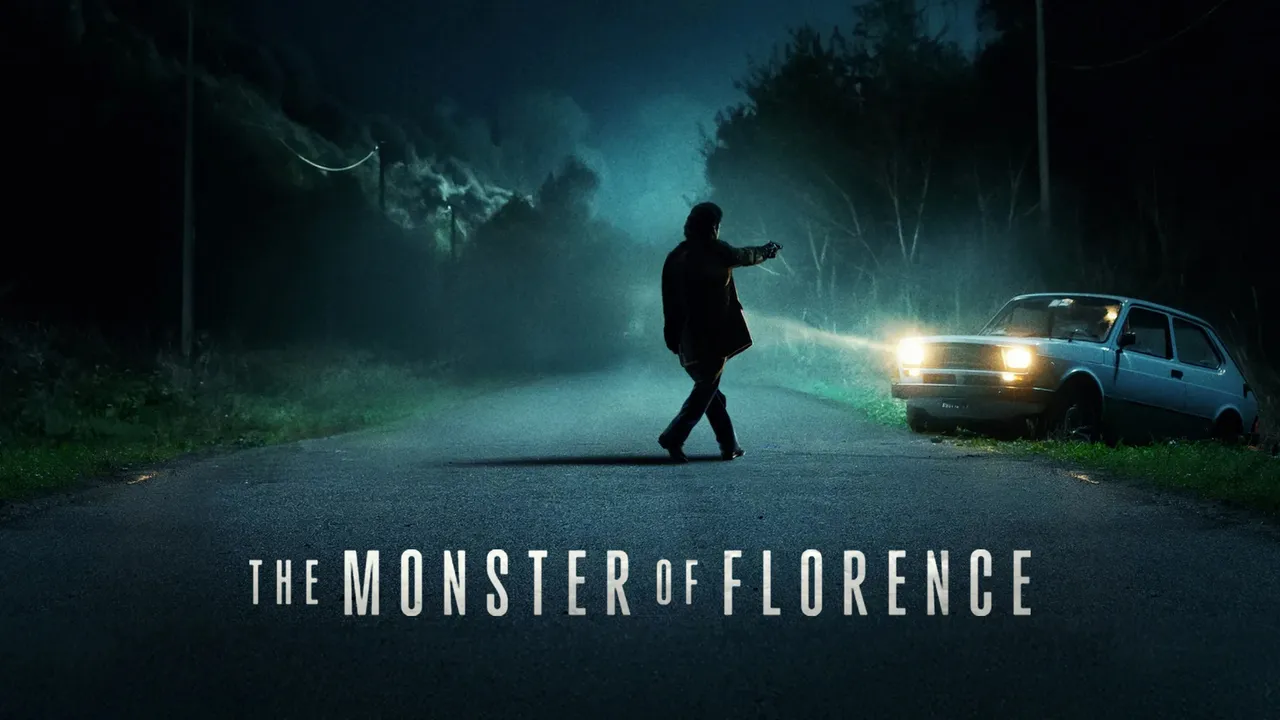

The unsolved killings attributed to the Monster of Florence remain Italy’s most arresting criminal saga, spanning from the late 1960s through the mid-1980s. This four-part miniseries, co-created by Leonardo Fasoli and Stefano Sollima, redirects attention from the identity of a perpetrator to the social conditions that shaped the case.
The story places the 1968 double murder of Barbara Locci and her lover at its core, a crime authorities later linked to the spree, and tracks the contentious “Sardinian Trail,” an investigative theory that tied the first killing to later murders through a shared firearm.
The series surveys an array of suspects and the intimate dynamics around Locci, proposing a portrait of a community where violence and investigative missteps thrived under the same roof. It reads like a study in how institutions, media fascination, and local power structures shape crime narratives during the television age.
Fractured Perspectives and Unsettled Narratives
Streaming platforms have popularized non-linear true crime, signaling a taste for intricate timelines and competing viewpoints. The Monster of Florence follows that trend with a fragmented design, using the 1980s investigation to cue flashbacks to 1968. The structure aims to echo the sprawl and messy accumulation of evidence that defined the case.
The experience can feel opaque for viewers, since key context and motivation arrive late, which turns early behavior into puzzles without clear clues. The format echoes a familiar streaming tactic that favors mystery and mood over orientation, and the result raises a question about access: who gets clarity in these stories, and who remains a cipher while the platform keeps the hook alive.
The series narrows in on the Sardinian Trail and devotes each hour to a principal suspect: Stefano Mele, Francesco Vinci, Giovanni Mele, and Salvatore Vinci. The approach tests a thesis that decoding the first murder would explain the larger pattern, a thesis the real investigation did not prove. This design shifts the scale of the later serial murders into the backdrop of a domestic crisis, which reframes the case from a national nightmare into a claustrophobic family drama.
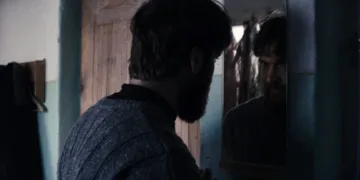
With no consistent guiding figure, investigators function as devices that trigger flashbacks, and suspects come forward as psychological case files. The method embraces ambiguity and favors procedural texture, a choice that tracks with current streaming habits, though cohesion gives way to a catalog of incomplete lives.
Misogyny, Injustice, and the Social Monster
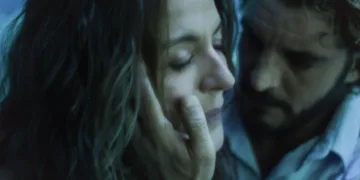
The series finds its strongest charge in its social lens. It draws a stark portrait of patriarchal peasant life in the Italian countryside during the 60s, 70s, and 80s, where humiliation circulates within households and relationships like common currency. Each profiled suspect behaves abusively toward women, especially toward Locci.
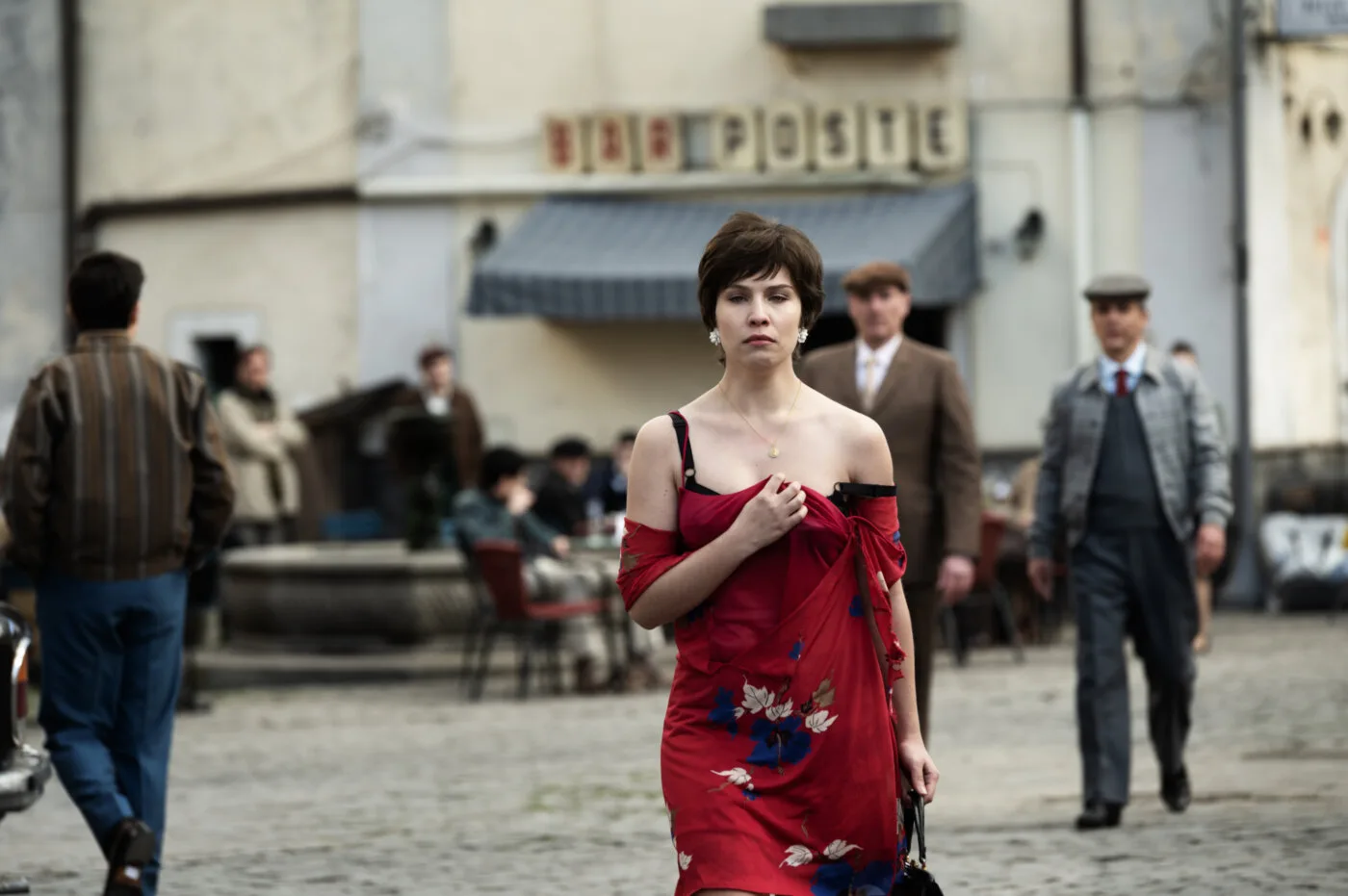
The show proposes a cultural field dense with hostility, where a “monster” can be a man, a cluster of men, or a system that gives those men cover. The critique lands within a broader conversation about representation: who is seen, how they are framed, and what that framing teaches audiences about power.
Barbara Locci’s depiction sets the limits of that critique. She appears almost entirely through the testimonies and projections of men, which blurs her psychology and fractures her motives. The series conveys sympathy for her situation within gendered roles and a rigid social order, yet the fractured structure prevents a clear, continuous portrait. Locci becomes an object of violence and rumor.
This mirrors how history often records women harmed by men while withholding their voice. The show also trains its eye on institutional failure. It chronicles a judicial process that sweeps large numbers of people into a chaotic net, and it records the turmoil that ripples through families for decades. The point is plain: spectacle replaces certainty, and the human cost accumulates off-screen while the case file thickens.
Setting the Tense Scene
Director Stefano Sollima, known for atmospheric crime work, shapes a precise visual grammar. Pastoral hillsides and postcard villages sit beside accounts of brutality, and the friction between beauty and menace generates a steady unease.
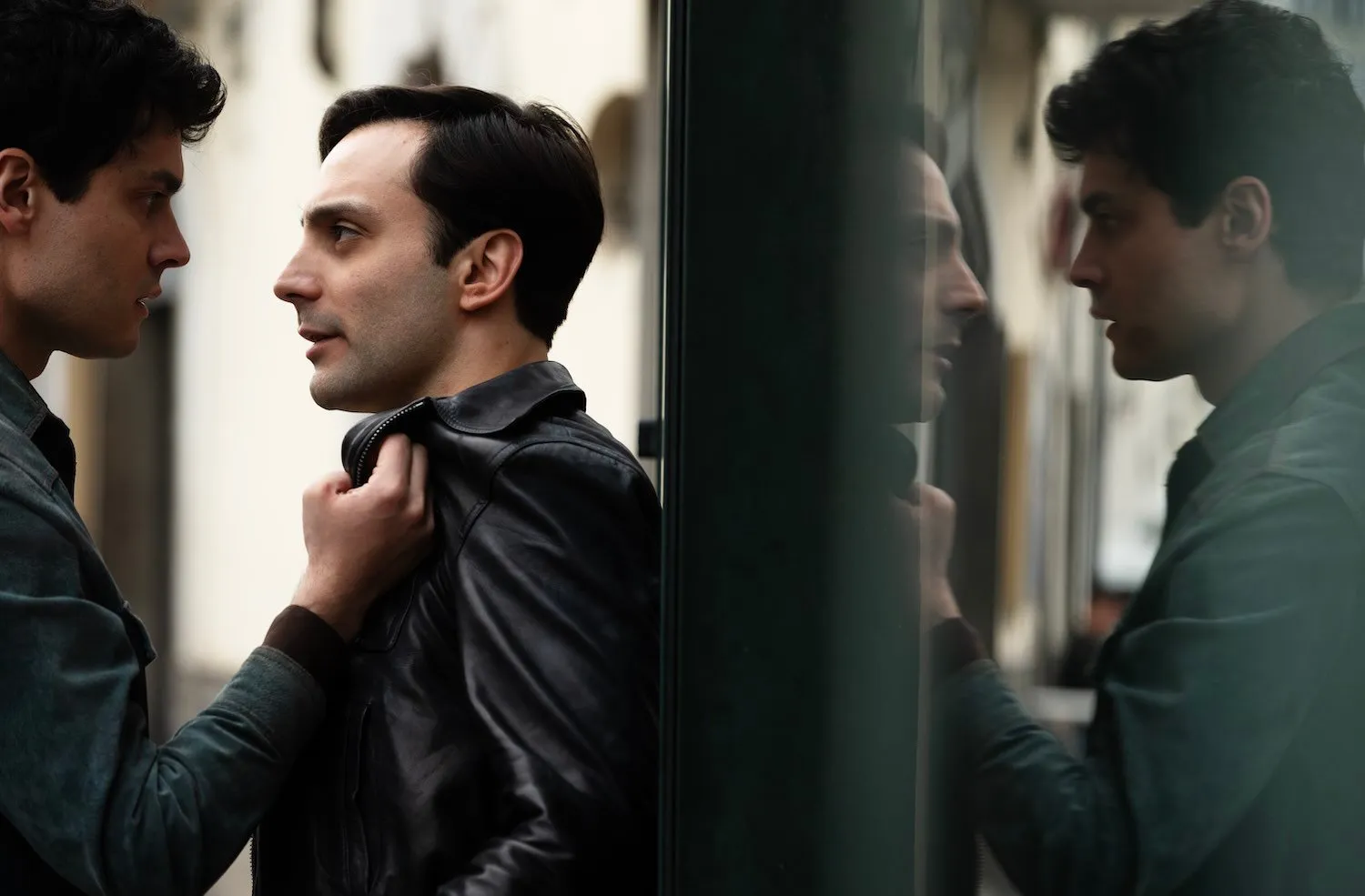
The score deepens the mood, a steady presence that presses on each scene like a quiet verdict. These choices align with current streaming aesthetics that favor place as character, where locations carry the memory of past harm and signal the show’s thesis before any line of dialogue. The pacing falters. The non-linear timeline and heavy exposition create passages that move slowly, and the early intrigue gives way to the fine print of a stalled inquiry.
The final choice to withhold resolution addresses the historical record and underlines the show’s argument: the Sardinian Trail may not connect to the serial murders, and the real subject is institutional breakdown and a culture that incubates harm. The gesture speaks to a wider trend in true crime television that treats endings as cautionary notes about systems, not as curtain calls for heroes.
Intensity and Absence in Performance
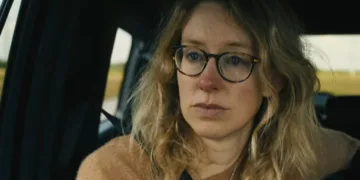
The ensemble is strong, and the actors portraying the primary suspects give layered, unsentimental work. Marco Bullitta’s Stefano Mele registers as a complicated, often tragic figure, boxed in by a system he does not comprehend. Francesca Olia’s Barbara Locci faces a difficult assignment because of her fragmented presence, and her performance relies on reactions to the stories men construct around her.

The cumulative effect across the cast is severe and unvarnished, with no space carved out for a comforting male lead. That hardness supports the series’ social argument: performance becomes evidence of a world built on intimidation and emotional violence, which is exactly the world the show sets out to examine and record.
The Monster of Florence is a four-episode limited true-crime drama based on the infamous Italian serial killer case that terrified the area around Florence between 1968 and 1985. The series focuses on the decades-long investigation into the first and most brutal serial killer in the country’s history. It explores the fear, public speculation, and institutional failures that surrounded the hunt for the killer. Directed by Stefano Sollima, the series is set to premiere globally on October 22, 2025, exclusively on Netflix.
Credits
Director: Stefano Sollima
Writers: Leonardo Fasoli, Stefano Sollima
Producers and Executive Producers: Lorenzo Mieli, Stefano Sollima, Gina Gardini
Cast: Marco Bullitta, Valentino Mannias, Francesca Olia, Liliana Bottone, Giacomo Fadda, Antonio Tintis, Giordano Mannu, Nicole Grimaudo
The Review
The Monster of Florence
The Monster of Florence is a thematically ambitious but narratively fractured docu-drama. It makes a powerful statement about the pervasive misogyny and patriarchal violence in the 20th-century Italian countryside, positioning the societal rot as the true monster. However, the show's commitment to its non-linear structure often leaves the audience disoriented. While compelling as a social critique of failed justice, its lack of a coherent narrative center prevents it from succeeding as a cohesive viewing experience.
PROS
- Successfully exposes societal misogyny and patriarchal structures as a root cause of violence and investigative bias.
- Effective use of the Italian countryside location to establish a mood of concealed dread.
- The cast, particularly the actors playing the suspects, deliver committed, layered portrayals.
- Attempts to redefine the true crime genre by focusing on investigative failure rather than the killer's capture.
CONS
- The non-linear approach often makes the narrative feel confusing and unbalanced.
- Absence of a clear protagonist, such as an investigator or the victim, leaves the audience without a stable anchor.
- Barbara Locci's characterization is limited to the perspectives of the men around her, obscuring her agency and psychology.
- The narrow commitment to the 1968 case sidelines the scope and magnitude of the later serial killings.