










![Kingdom Hearts Collection [I-III] Review](https://gazettely.com/wp-content/uploads/2026/10/Kingdom-Hearts-Collection-I-III-1-360x180.webp "Kingdom Hearts Collection [I-III] Review: KHII Holds Steady as Newer Entries Fluctuate 40")
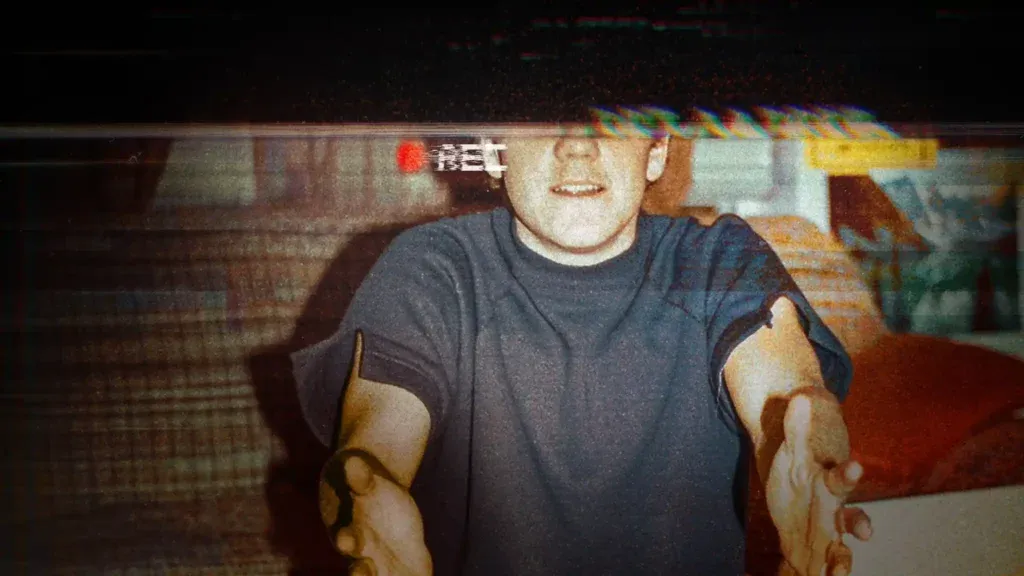

Every ghost story is an act of persuasion. It begs you to suspend disbelief, to accept a version of reality where the floorboards creak with intention and the shadows hold a grudge. The phrase “based on a true story” has become horror’s favorite, slightly dishonest marketing hook, a promise of authenticity that’s usually just a prelude to fiction.
True Haunting arrives in this landscape not with a folder of evidence, but with a film-school graduate’s production budget. This five-episode series, divided into two unrelated accounts of spectral harassment, understands that in the streaming age, belief is secondary to presentation. Its core argument is that a haunting feels more real when it looks like a movie.
The first story, “Eerie Hall,” drops us into a 1984 college dorm, while the second, “This House Murdered Me,” explores a family’s fight against a malevolent Utah property. Producer James Wan’s name is attached, a signal that we are in for a meticulously crafted, aesthetically pleasing descent into fear. The show positions itself as a new chapter in paranormal television, one that values cinematography as much as testimony.
Spirits in High Definition
The most glaring weakness of televised ghost stories has always been the reenactment. Those blurry, over-acted vignettes often do more to shatter immersion than to build it. True Haunting addresses this problem by throwing money and talent at it, transforming its dramatized segments from cheap filler into the show’s undeniable centerpiece. The production quality is staggering for the format.
Directors Neil Rawles and Luke Watson, working under the Wan-produced banner, shoot these stories with the patience and precision of feature filmmakers. The cinematography in “Eerie Hall,” for example, expertly captures the claustrophobia of a college dorm. The camera adopts a predatory quality, creeping down hallways and peering through doorways, making the limited space feel both intimate and menacing.
It uses negative space to its advantage, framing the protagonist against empty corners and dark windows, forcing the audience’s eyes to scan the shadows for a threat that may or may not be there. This is a far cry from a shaky camera chasing dust motes.
The sound design is equally sophisticated. So much of the horror here is auditory, built from a foundation of unnerving silence. The show understands that the absence of sound can be more frightening than a loud noise. When Chris Di Cesare first hears his name whispered, the audio mix is subtle and disorienting, making it unclear if the sound is in the room or in his head. This ambiguity is central to the show’s effect.
The score is minimal, often just a low, resonant hum that underscores the tension without telegraphing the scares. The editing reinforces this deliberate pace. Instead of frantic cuts, the show often holds on a shot for an uncomfortably long time, forcing the viewer to inhabit the character’s anxiety.
When a startling event does occur, the clean, decisive editing gives it a weight and finality that is genuinely jarring. The entire technical apparatus is geared toward crafting a specific mood of sustained dread, elevating the material from a simple recounting of events to a carefully orchestrated exercise in psychological horror. It’s a bold statement: the truth of a haunting matters less than the craft used to tell its story.
The Ghost and the Ghosted
True Haunting is built on a constant dialogue between past and present, between the visceral terror of the moment and the seasoned reflection of the survivor. The series structure, which intersperses cinematic horror with talking-head interviews, creates a unique narrative texture. The real people, speaking directly to the camera decades after their ordeals, provide the story’s grounding. Their “performances” are fascinating.
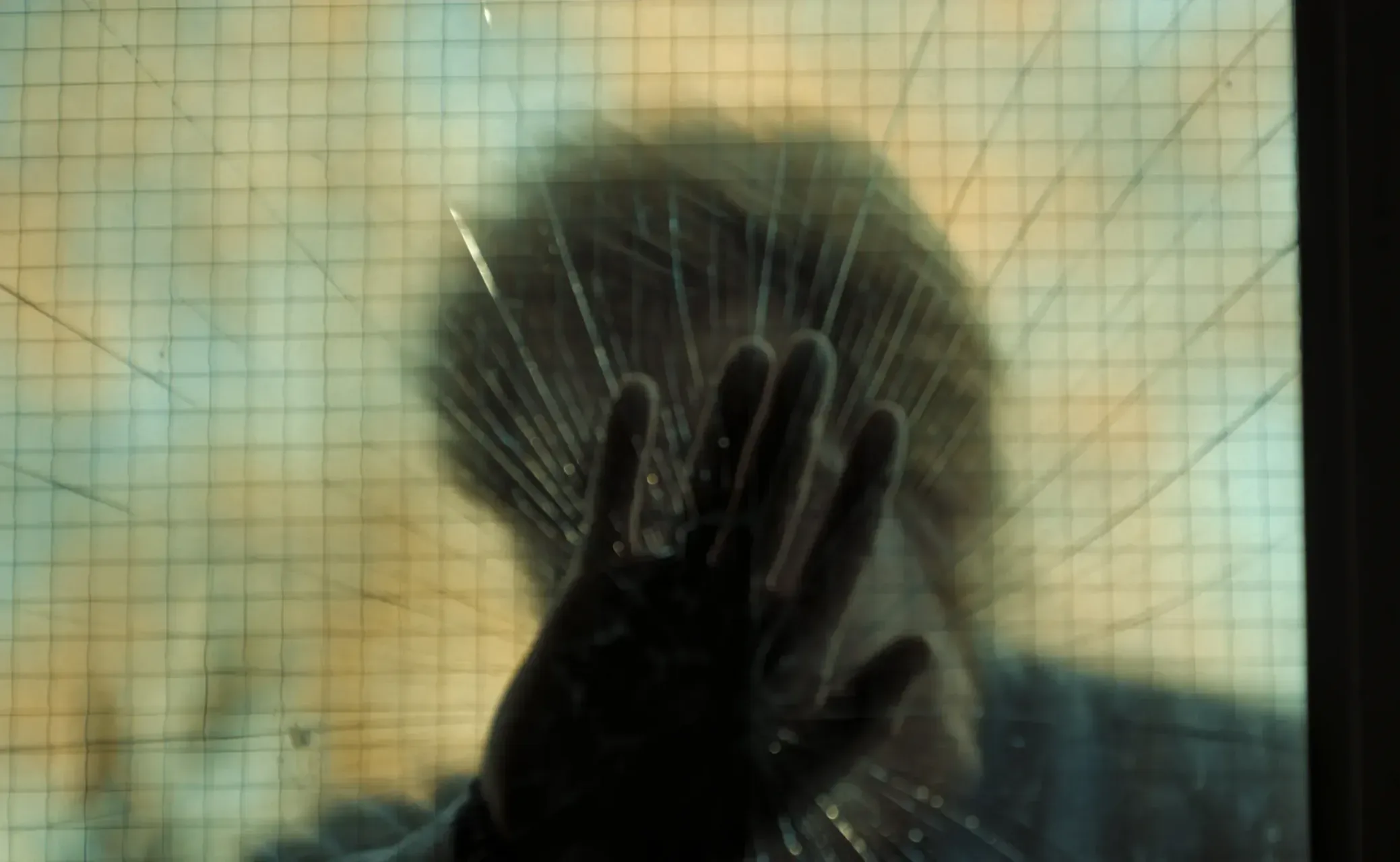
They are not actors, yet they are engaged in the act of storytelling, shaping their memories into a coherent narrative. In the case of Chris Di Cesare, his present-day account is tinged with a mixture of residual fear and a clear desire to be understood. He is a man who has lived with his story for forty years, and you can feel the weight of that in his delivery.
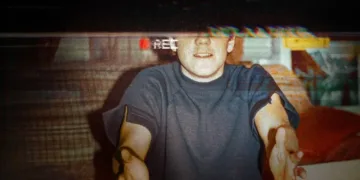
This grounds the work of the actors in the reenactments. Wyatt Dorion, playing the younger Chris, doesn’t just mimic his real-life counterpart; he translates the older man’s recounted fear into a raw, immediate performance of psychological collapse. We see his youthful confidence curdle into paranoia and exhaustion. The interplay is masterful.
A scene of Dorion cowering in his dorm room is made more potent by a cut to the real Chris, calmly explaining the helplessness he felt. This technique creates a powerful sense of dramatic irony and emotional depth. We are simultaneously experiencing the event and understanding its lasting impact. However, this slick fusion raises certain questions.
By packaging real trauma with the stylistic gloss of a Hollywood horror film, does the show risk turning personal history into a mere product? The line becomes exceptionally fine. The cinematic polish that makes the series so watchable also keeps the viewer at a slight, aestheticized distance from the raw truth it purports to document, making one wonder if we are connecting with a person’s experience or simply admiring a well-made artifact of it.
More Creep than ‘Boo!’
If you come to True Haunting seeking a barrage of jump scares, you will leave disappointed. The series is a masterclass in atmosphere, prioritizing a slow-creeping sense of unease that lingers long after the credits roll. It is a horror of suggestion, not spectacle. The production design is a key player in creating this mood. The 1984 dorm room in “Eerie Hall” is a perfect time capsule of beige cinder blocks and cheap wood furniture, its very mundanity making the supernatural intrusions feel more violating.
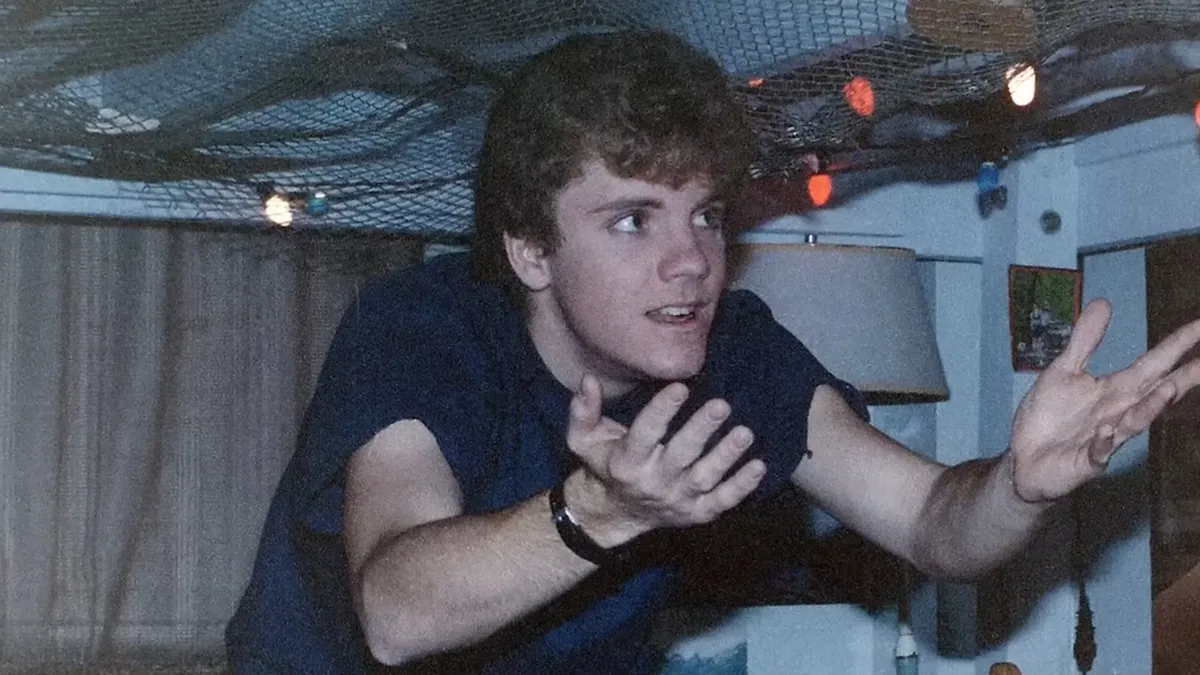
The Utah house in the second story is presented as a place with a wounded history, its architecture seeming to press in on the family living within it. The settings themselves feel haunted. The show also cleverly exploits the ambiguity between paranormal and psychological horror. For much of “Eerie Hall,” it’s plausible that Chris is experiencing a mental breakdown triggered by the stress of college life. The show allows this interpretation to breathe, making his isolation more profound.
The season’s two-part structure offers a study in pacing. The three episodes of “Eerie Hall” allow for a gradual build, mirroring the slow, insidious nature of the haunting itself. We watch Chris’s world shrink one unnerving incident at a time. “This House Murdered Me,” by contrast, is a more aggressive, two-part siege. The horror is relentless from the start, giving the story a breathless, desperate energy. The former feels like a classic ghost story, while the latter feels more like a modern home-invasion thriller.
Both are effective, but the slower burn of the first story is arguably more unsettling. The show’s overall effect is that of a beautifully produced, deeply unnerving campfire story. It doesn’t offer proof of the paranormal, and it doesn’t seem to care. Its primary goal is to recreate the feeling of being haunted. In an age saturated with claims of authenticity, perhaps the most honest thing a ghost story can do is admit it’s all about the execution.
True Haunting is a 5-episode documentary series that premiered on Netflix on October 7, 2025. The series is executive produced by horror filmmaker James Wan and blends real-life paranormal accounts from interviewees with cinematic reenactments, covering two separate stories: “Eerie Hall” (directed by Neil Rawles) and “This House Murdered Me” (directed by Luke Watson). The show aims to bring a slick, feature-film quality to the docuseries format, focusing on the atmospheric dread of the supernatural stories.
Full Credits
The Review
True Haunting
True Haunting brilliantly succeeds by treating its subjects' memories like a screenplay. It trades shaky-cam authenticity for the polished dread of a feature film, creating an experience that is more about sophisticated atmosphere than verifiable proof. While those seeking a straightforward documentary will be left wanting, fans of stylish, psychological horror will find this to be an unnervingly slick and effective production.
PROS
- Exceptional, feature-film quality production values and cinematography.
- masterful creation of a creepy, sustained atmosphere over cheap scares.
- Sophisticated sound design that effectively uses silence and subtle audio to build tension.
- A strong narrative structure that skillfully blends personal testimony with dramatic reenactments.
CONS
- The slick dramatizations can overshadow the documentary element, blurring the line between fact and fiction.
- Its deliberate, atmospheric pace may not satisfy horror fans looking for constant action or frights.
- The line between honoring a true story and stylizing trauma for entertainment feels indistinct at times.