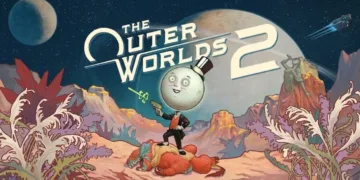
























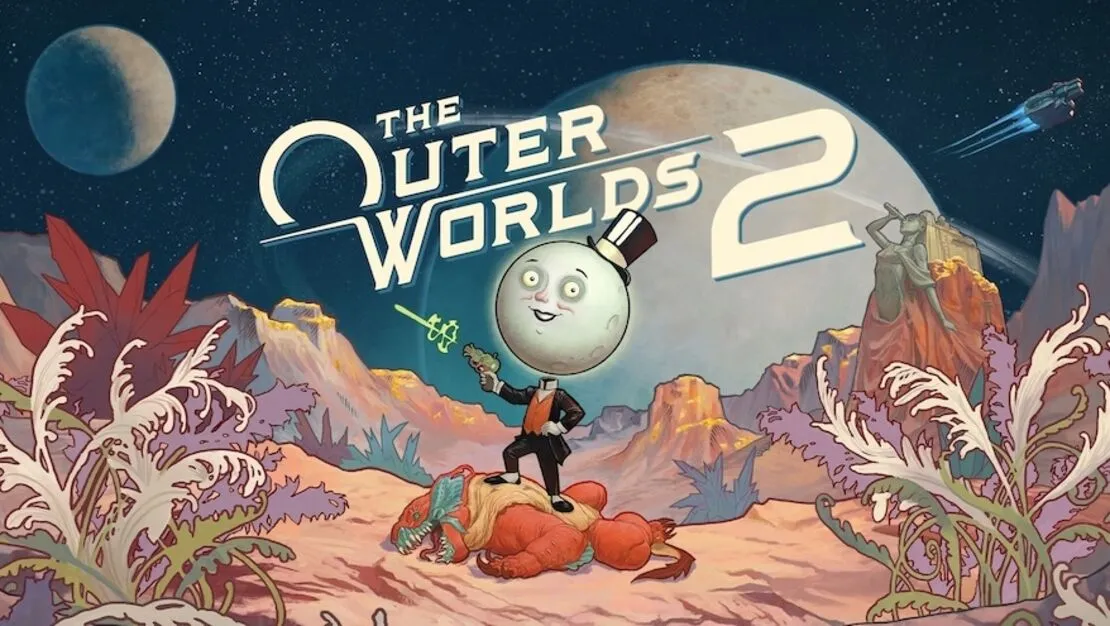

The Outer Worlds 2 frames the future as a stark corporate cosmos, a nihilistic vision where unchecked profit has marched past the edge of space. Obsidian Entertainment builds a single-player, open-world action RPG in the tradition of classic Western role-playing, inviting the player to step into a central role inside a sweeping conflict.
The setting moves from Halcyon to the Arcadia colony, a system ruled by boardroom logic and extractive policy. Power splits between the collectivist, openly authoritarian Protectorate and the monopolistic megacorp Auntie’s Choice. From the opening hours, the protagonist operates as a visible agent of change, forced to weigh the price of influence and declare allegiance inside a morally gray fight.
The premise reflects a worldwide unease about corporate dominance, echoing cyberpunk literature and contemporary reporting on technology monopolies, and it speaks to a global audience that recognizes how markets shape identity and public life.
The Theatre of Corporate Conflict
The narrative aims for a grounded register without abandoning satire. The tonal shift mirrors a broader move in international cinema from broad parody to high-stakes political drama, where institutions feel real and outcomes cut close. Pacing creates a structural issue.
The First Act lingers on a routine revenge track that mainly serves as a guided tour of Arcadia’s key players. Momentum clicks in the Second Act, which sharpens into intricate political maneuvering across factions and offices.
Moral choice structures carry the strongest charge. The central fight stages exaggerated ideologies: one faction enforces re-education, another extracts labor under brutal schedules. The script then complicates the frame with actors like the Order of the Ascendant, who commit atrocities in pursuit of a calculated, “enlightened” future.
Alignment rarely feels clean; outcomes stain. This design recalls political thrillers across European new-wave cinema and strands of comparative literature, where systems act as the true antagonist and satire exposes machinery rather than villains alone. The world uses absurdity to spotlight real asymmetries in power.
Buildcrafting and Behavioral Ethics
The Outer Worlds 2 tunes its RPG core by trimming surface complexity and deepening commitment. Traditional attributes step aside for Traits, Background, and Tagged Skills. Twelve skills and two points per level create meaningful scarcity. You build a profile by closing doors. High-value moments, from demanding dialogue checks to potent perks, sit behind steep investment, so choices hold.
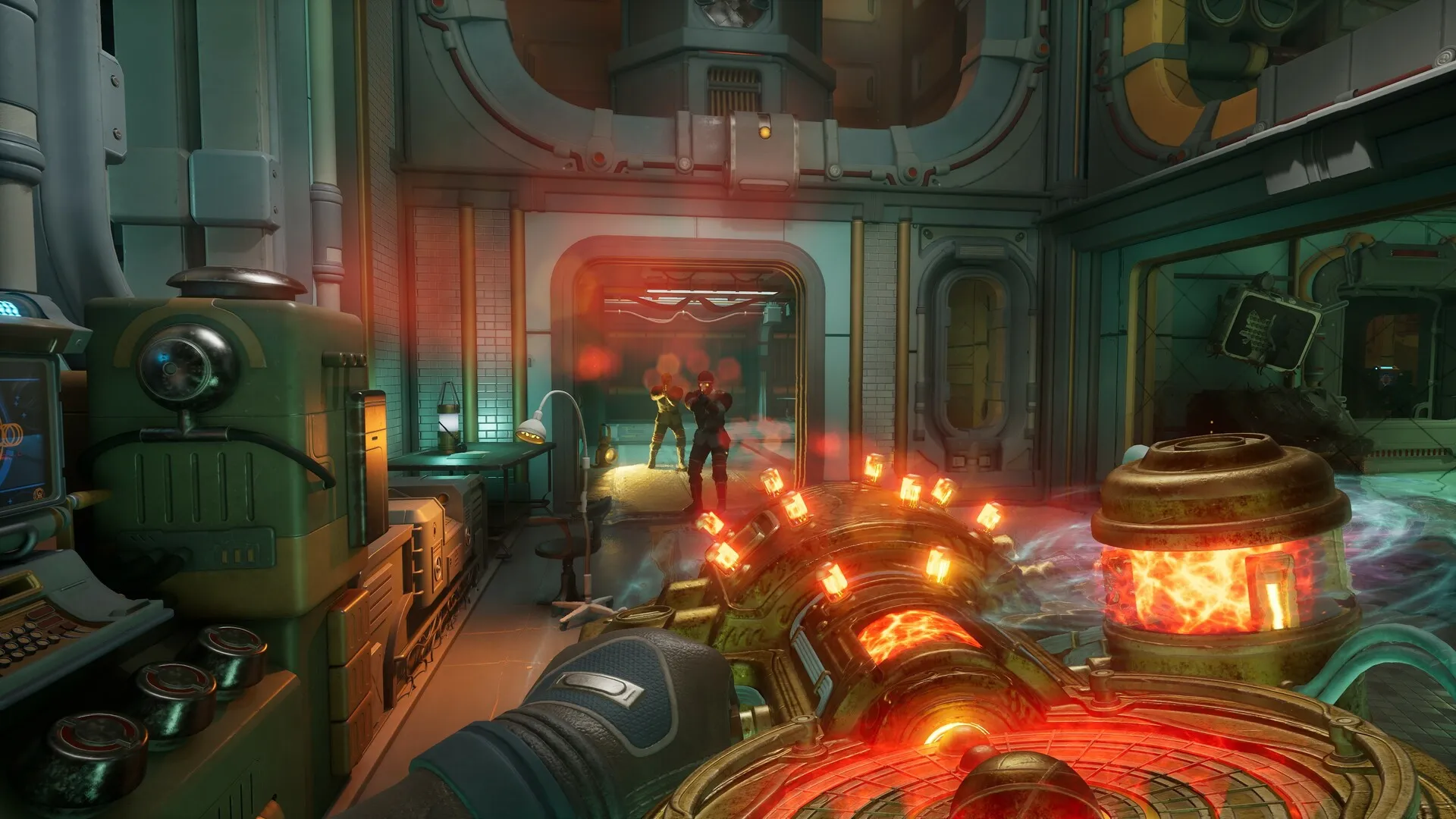
Narrative and mechanics align: limitations show up as missed chances in quests, conversations, and exploration rather than numbers on a sheet. Non-combat skills such as Speech and Science! can shape offense through perks like Space Ranger and weapons that scale with intellect, which turns bookish play into practical leverage.
The Flaws System stands out as the sharpest idea. Player behavior crystallizes into lasting quirks. Habits such as skipping dialogue or habitual stealing trigger offers that trade a penalty for a tempting perk. Foot In Mouth Syndrome grants bonus XP while putting a strict timer on dialogue responses, pushing quick calls that might carry regret. The result reads like a study in behavioral ethics, converting emergent play into fixed identity. Each acceptance feels irreversible and alters how you read the world.
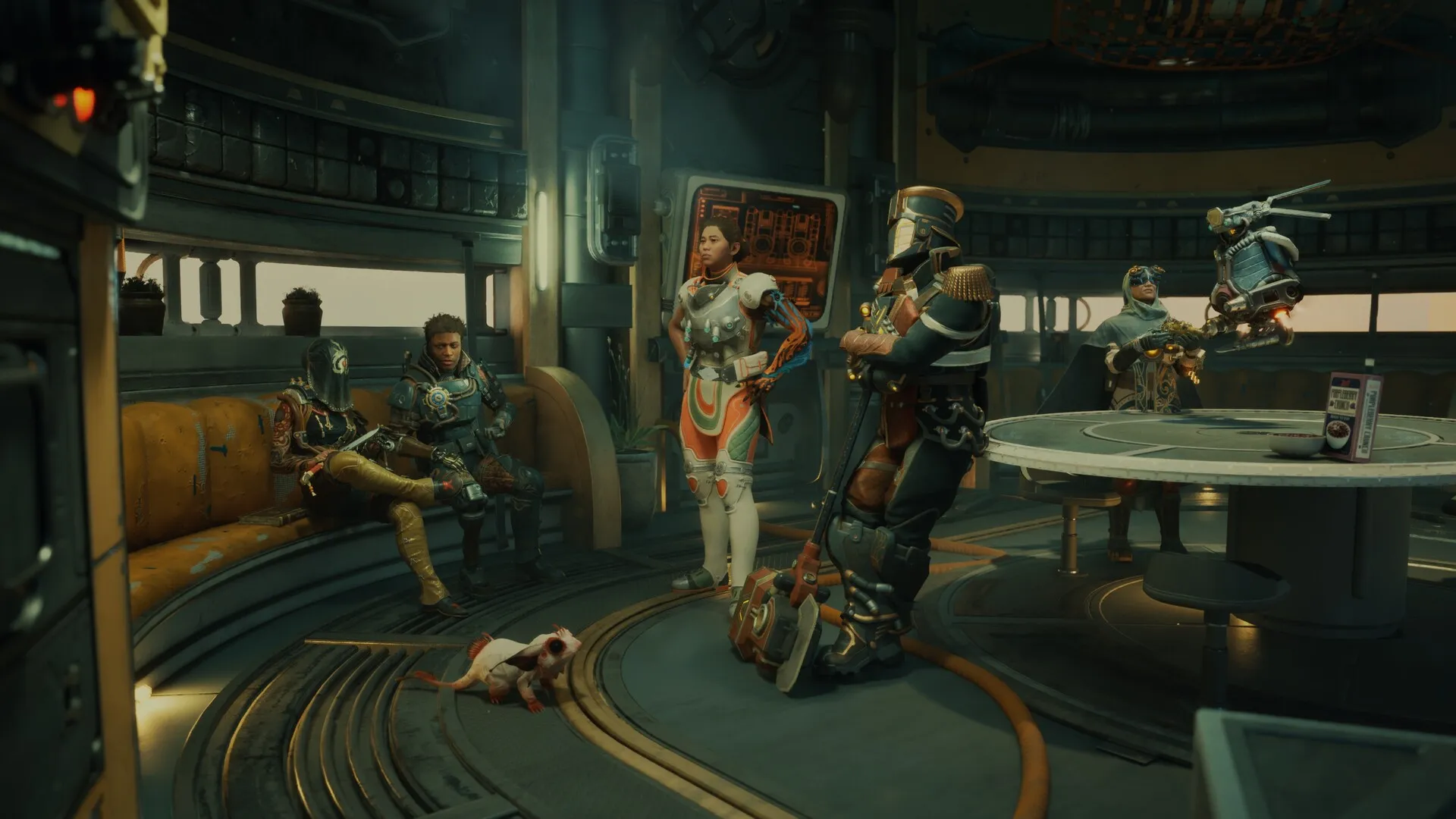
Companions heighten that tension. Party members voice Arcadia’s clashing ideologies and turn your ship into a traveling debate chamber. Tristan Rao channels the authoritarian state. Inez argues for market power and personal enterprise. Their loyalty hinges on action, producing alliances that feel as precarious as those in international spy dramas. The concept works even if early companions like Niles and Valerie leave a lighter first impression. The effect personalizes the political: competing worldviews sit across the table, and your choices keep the conversation going.
Action, Arsenal, and Empty Spaces
Moment-to-moment combat lands with far better weight and rhythm. Gunplay feels crisp, backed by sliding and double-jumping that add options without stripping the RPG identity. The arsenal leans into eccentric sci-fi craft with clear mechanical identities, including a silent, melting shotgun and a weapon that levels through kills. Modification invites tinkering, and effects like explosive rounds let players sculpt gear to taste. Crafting and exploration feed into power in ways that feel earned.
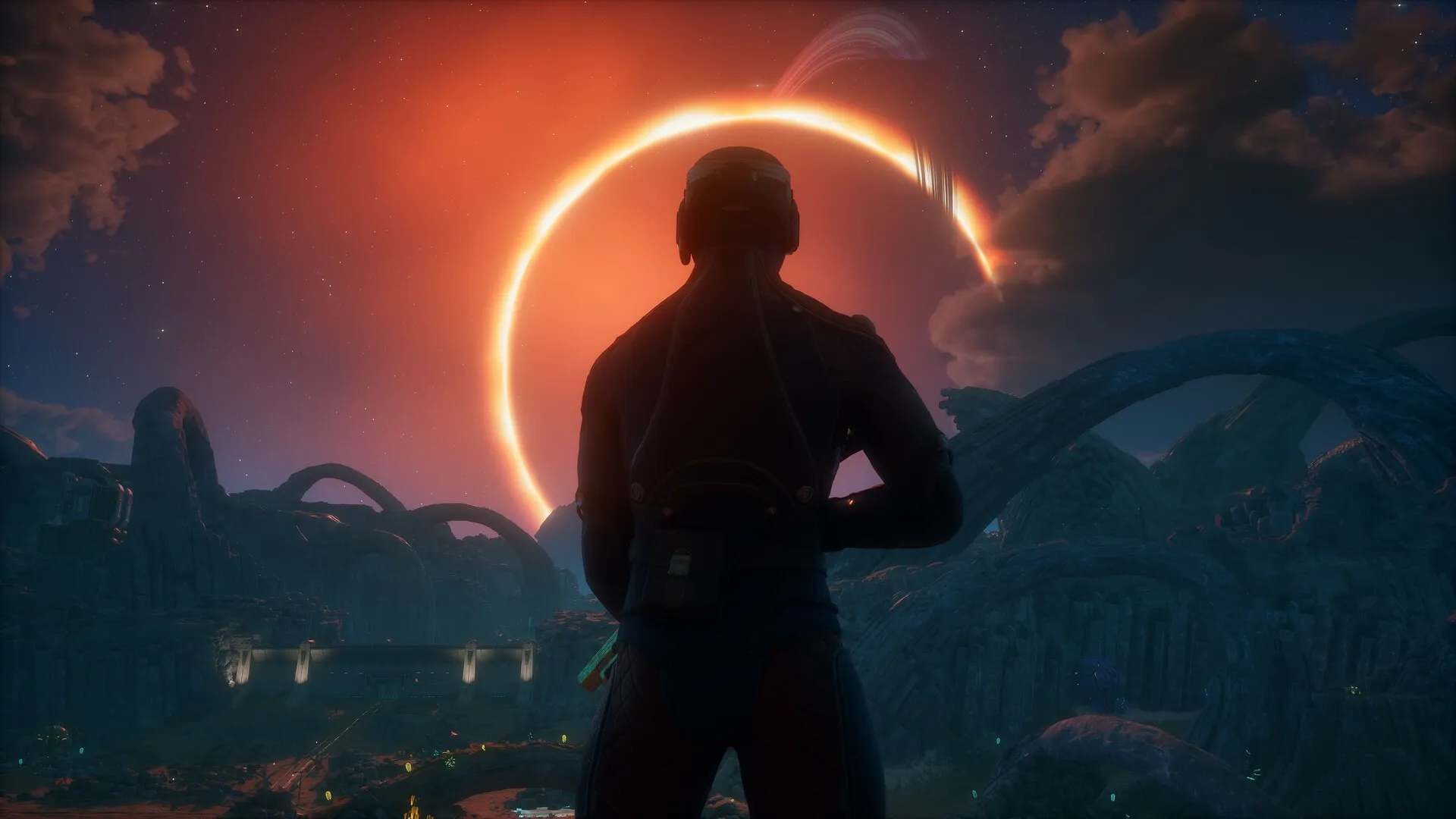
Enemy variety sags. Repeating foes, especially Raptidons, flattens discovery across new biomes. Fixed-placement, finite enemies compound the issue. Cleared zones remain empty, and wide sections of landscape fall quiet with no repopulation, events, or wandering danger.
The structure dims the sense of a living frontier that many open worlds chase with roaming threats and dynamic interruption. Exploration becomes a checklist rather than an encounter with the unknown.
Modular Worlds and Quest Flexibility
Arcadia arrives as four discrete open-world zones rather than a single continent-sized sprawl. Each region takes on a strong, faction-driven identity, from the snowy, monastic architecture of Cloister to the jungle backwaters of Eden.
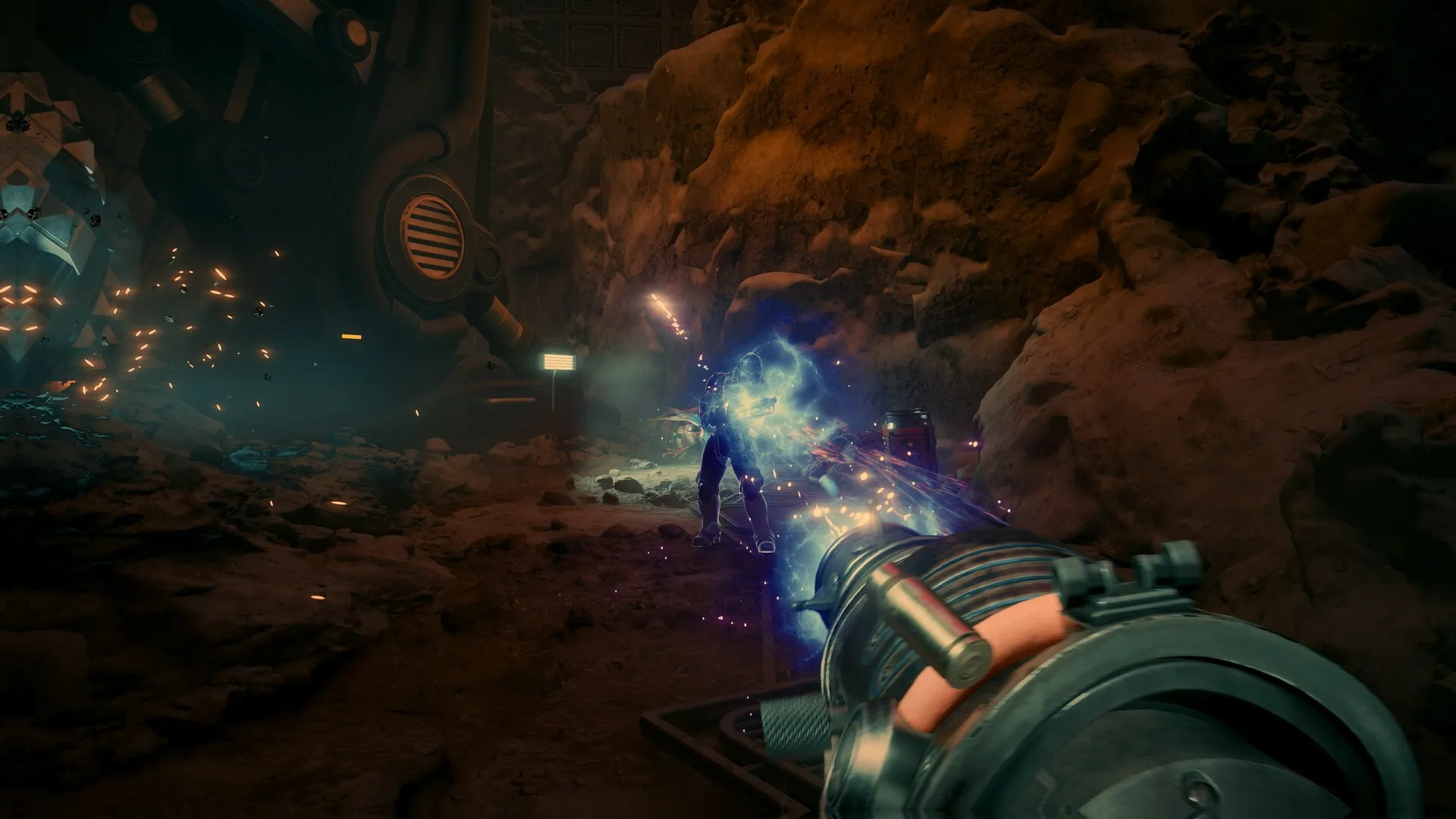
The modular approach sharpens local flavor and keeps visual storytelling readable. Quest design shines in its flexibility. Problems accept multiple approaches. Heavy Speech investment can talk past a fight. A sealed door becomes an invitation to find a key, reroute through a side path, or lean on a build-specific trick.
Commitment at character creation stays relevant from opening to credits and gives repeat runs real variety. Stealth receives sturdy support with vents and distraction tools, while attempts at full pacifism can feel shaky around edge cases.
Technical Jitters and Difficulty Peaks
The technology sits at a solid tier for an Unreal Engine 5 project. Stability holds most of the time, yet immersion breaks appear. Companions can strand themselves off-map and force a reload. Enemy aggro sometimes spikes without a clear tell, pulling entire groups at once. The issues feel familiar to large RPGs and still frustrate when they interrupt a flow state.
Difficulty curves in reverse. Early hours hit hard and nudge players toward lower settings. Mid-game progression then swings power upward, and routine encounters slide toward trivial.
Late-game creatures swing back with sudden spikes, including one-hit killing lizard gorillas that outpace many bosses. The rhythm produces inconsistent challenge and keeps players tuning expectations across chapters.
An Evolution of The Corporate Fable
The Outer Worlds 2 advances the series’ identity with surer hands. Its political focus gives corporate and social pressures real bite, and its character building invites meaningful tradeoffs. The Flaws system fixes player habit into permanent identity and ties theme to mechanics through consequence.
Combat feels better, even with a sluggish First Act and thin enemy variety that leaves zones hollow after clearing. The game stands as an excellent action RPG, a worthy step forward for the series and a strong entrant inside the genre’s modern field.
The Review
The Outer Worlds 2
The Outer Worlds 2 significantly refines the franchise formula. The core strength lies in the politically charged narrative, which excels in moral ambiguity, and the compelling character systems, especially the innovative Flaws mechanic. Though technical hiccups and a sluggish first act prevent perfection, the depth of choice, versatile build variety, and engaging second half make this a memorable and rewarding RPG experience. It stands as a powerful evolution for the series.
PROS
- Deeply compelling Flaws system and build variety.
- High-stakes political narrative with strong moral ambiguity in Act II.
- Flexible quest design with multiple solutions.
- Improved gunplay and mobility in combat.
- Excellent companion dynamics serving as faction mouthpieces.
CONS
- Sluggish and less engaging First Act.
- Poor enemy variety and static, finite enemy placement.
- Occasional technical jank and severe bugs.
- Inconsistent, reverse difficulty curve.
- Imprecise and sluggish melee combat.